
Food waste
Food is not rubbish, it's a resource
|
|
|
|---|
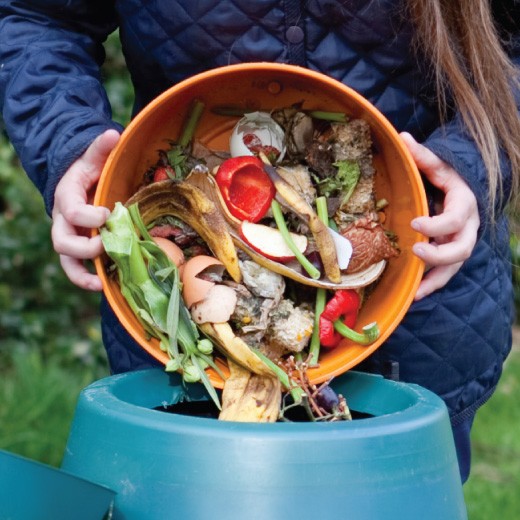

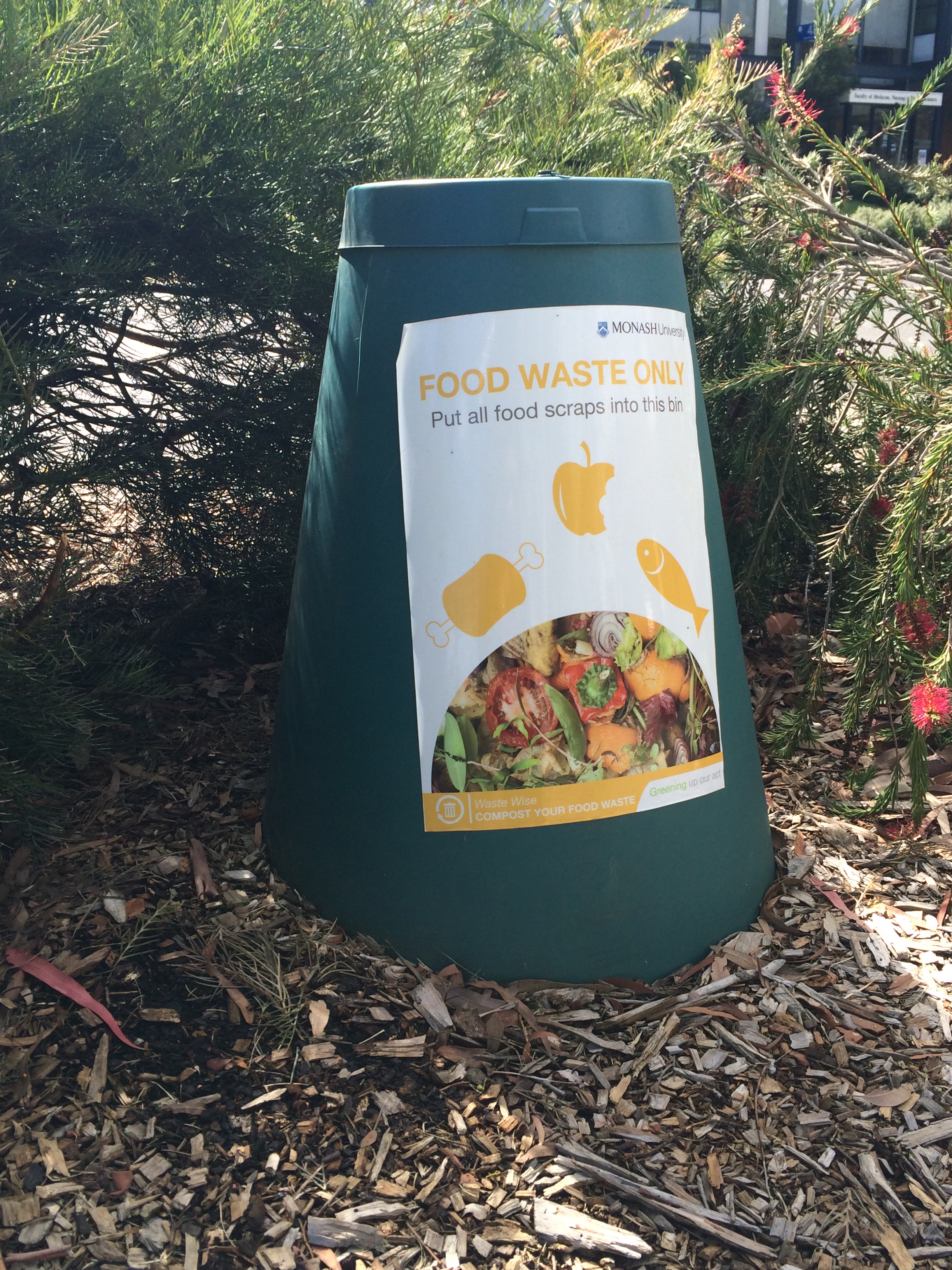
Food waste makes up a large proportion of our collected residual waste from our campuses. When food waste breaks down in landfill it emits several greenhouse gases including methane – a gas 21 times more potent than carbon dioxide.
If we change the way we dispose of these organics, it will significantly reduce our volumes of waste sent to landfill and reduce harmful greenhouse gas generation.
Since 2024, organic waste collection has been implemented at 38 food retailers and four childcare centres across Monash’s Victorian campuses. The program has seen more than 150 tonnes of food waste successfully diverted from landfill.
In 2026, food waste collection has been extended to high-traffic staff and student kitchens at Victorian campuses. The food waste will be sent to a commercial compost facility where it is turned into a nutrient-rich compost either by in-vessel or windrow composting and used for land rehabilitation and soil improvement. The rollout will be supported by behaviour change programs, awareness campaigns and campus initiatives that encourage staff and students to help us towards our goal.
Green waste
 |  |
|---|
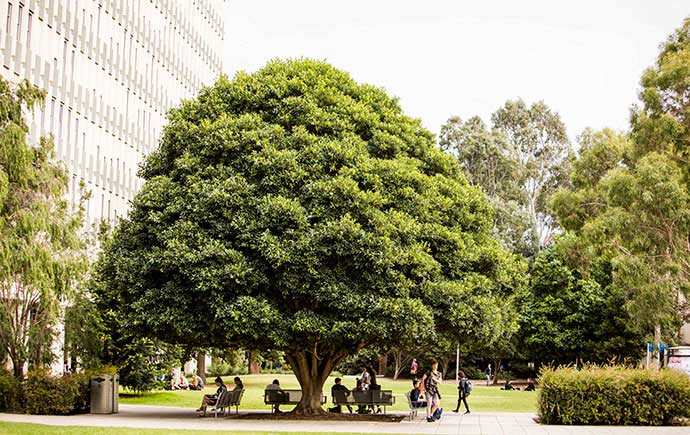
The University also collects green waste from the extensive campus grounds. Each year approximately 2100m3 of prunings are mulched resulting in 700m3 of material diverted from landfill. Leaf mulch is collected from Clayton campus paths and placed on gardens which prevents weeds and reduces watering.
Frequently Asked Questions
Why is food waste an issue?
Food waste contributes approximately three per cent of Australia's greenhouse gas emissions. When food waste breaks down in landfill it emits the greenhouse gases carbon dioxide and methane – a gas 21 times more potent than carbon dioxide. Each year Australians waste around 7.6 million tonnes of food across the food supply chain. This equals about 312kg per person and can cost up to $2,500 per household per year.
What has Monash University rolled out to date?
Building on the launch of the Circular Economy Framework, Monash has taken steps to reduce food waste on our campuses:
- Retailer and childcare centres: Since 2024, organic waste collection has been successfully implemented across 38 campus food retailers and four childcare centres, diverting over 150 tonnes of food waste from landfill.
- Staff and student kitchens: In 2026, the food waste program expanded into high-traffic staff and student kitchens, including Clayton, Caulfield, Peninsula, Parkville and Monash College.
What happens to Monash’s organic waste?
Our waste contractors Cleanaway collect food waste from Monash campuses, where is taken to their organics facility to be sorted, decontaminated and shredded. After processing, it is transported to facilities including Gippsland Regional Organics where it is turned into compost sold to the public and used on broadacre farms, gardens and parks.
What items can I put in the kitchen caddies?
The kitchen caddies are strictly for food waste. This includes:
- Leftover food
- Fruit and vegetable scraps
- Bread, rice, and pasta
- Coffee grounds and loose tea leaves
- Small bones and egg shells
Can I put paper towels or tea bags in the caddy?
No, paper towels and tea bags are not permitted in food waste bins. Please dispose of these items in landfill.
What items are NOT permitted in the organic bins?
To avoid contamination, please do not include any of the following in food waste caddies:
- Single-use food containers, coffee cups, or cutlery
- Tea bags
- Paper towels, tissues, or napkins
- Gloves and cleaning cloths
- Soft plastics, cling wrap, or aluminium foil
Remember, if you can't eat it or it doesn't grow, it doesn't belong in FOGO. Contamination can result in unnecessary waste going to landfill.
How often are the bins emptied and maintained?
The 7L kitchen caddy bins are monitored, emptied, and cleaned on a daily basis (Monday to Friday) by Monash's cleaning contractors.