Women in STEMM
Meet our inspiring women in STEMM, present and future leaders, who are addressing the challenges of the age and developing solutions for the betterment of communities globally.
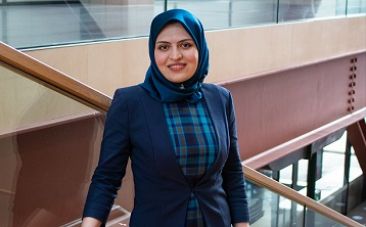
Faezeh Marzbanrad, Engineering
Why is it important to have women and diversity represented in your field?
Lack of diversity in engineering means that we are missing out on top talents. We particularly need more female engineers who can envisage the changes needed and implement solutions for women. For example, I can see the gaps in technology, particularly where designed for unique female needs surrounding pregnancy and childbirth. If we had more female engineers, those gaps would have been closed.
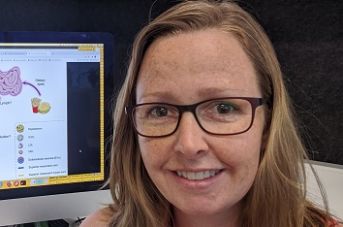
Sarah Turpin-Nolan, Pharmacy and Pharmaceutical Sciences
What questions are you solving / what impact is your work having?
Currently, my research team is trying to identify where ceramides, a group of fats that circulate in your blood and can predict if you will get heart disease or diabetes, come from. If we can find out where they come from, then we can develop new drugs to stop them from being produced. Hopefully this could then prevent heart disease and type 2 diabetes in human patients.

Alina Donea, Science
What or who inspired you to pursue a career in STEMM?
I was always intrigued by giant electricity towers and their buzzing sounds. I asked my father about that and he told me the story of three magic words: voltage, magnetic field and electricity. But he also said: "you need mathematics to get it" and "a good hand to be able sketch what you see". All converged when I met a wonderful astrophysics professor in my undergraduate physics studies.
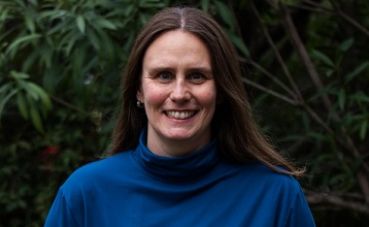
Manuela Jorg, Pharmacy and Pharmaceutical Sciences
What is the most rewarding or enjoyable aspect of your career?
To make a difference to society. To work with the students and see them grow as researchers and people.
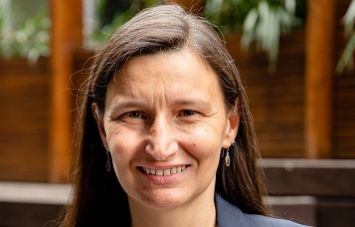
Cornelia Landersdorfer, Pharmacy and Pharmaceutical Sciences
What questions are you solving / what impact is your work having?
The research of my team develops approaches to optimise drug treatment regimens, to give the right drug at the right dose and the right time, such that patients achieve the therapeutic effect without suffering adverse effects. Our research on antibiotics and other drugs has already changed patient treatment internationally.
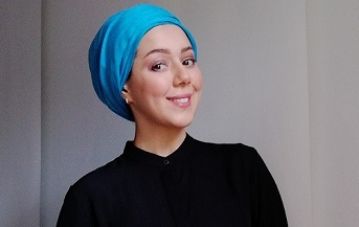
Rezan Al-jafary, Engineering
What advice would you give to a person who is considering STEMM-related career?
Enjoy what you are doing! Your passion for science made you choose this career; surely there will be ups and downs, the key thing is to acknowledge the downs, take time to reflect and continue celebrating the ups!
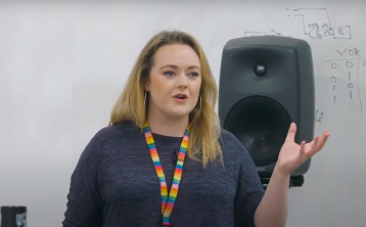
Roisin McNaney, Information Technology
What advice would you give to a person who is considering STEMM-related career?
Try and find something you love, there will always be a career out there to suit you. Also, you can always change your mind about what you want to do! I started off training as a speech pathologist (BSc Hons) and ended up in computing (PhD and academic career). I get to work at the cutting edge of digital health research and still use my clinical experience; it's the best of both worlds.

Karen Gregory, Pharmacy and Pharmaceutical Sciences
Why is it important to have women and diversity represented in your field?
Diverse and inclusive teams make better decisions, ask different questions and drive innovation faster. Visibility, recognition and participation of peoples with diverse experiences and voices in science is critical to: 1) provide role models to future generations; 2) improve retention of women in science, and; 3) challenge the status quo.
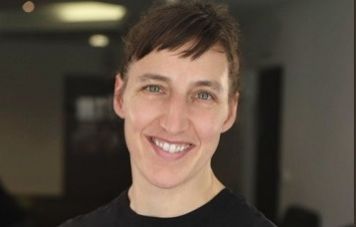
Suzanne Nielsen, Medicine Nursing and Health Sciences
Why is it important to have women and diversity represented in your field?
I am incredibly lucky that in my field (addiction research) there are amazing women who are leaders in the field. From my earliest days as a PhD researcher I have always had these inspiring role models. I never questioned whether I could be a leader in the field given that these incredibly successful women had paved the way.
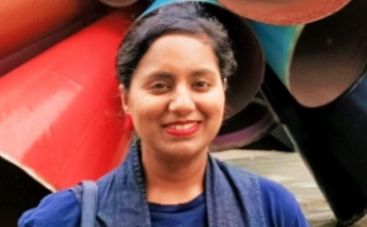
Ruchi Sembey, Information Technology
Who inspired you to pursue a career in STEMM?
I was first in my family to go to university, courtesy of the curiosity and wonder sparked by STEMM in my early years of schooling. As an Electronics and Telecommunications engineer and ICT Lecturer, I enjoy sharing my knowledge and love of STEMM to engage and inspire the next generation of STEMM superstars.
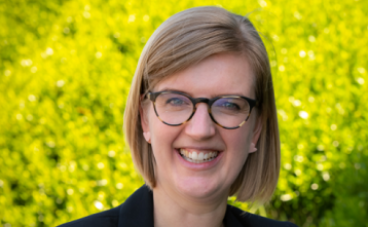
Susie Cartledge, Medicine Nursing and Health Sciences
What is the most rewarding or enjoyable aspect of your career?
Seeing my research translated into practice and it having positive effects on patients lives and health outcomes. My PhD research has been translated into guidelines and has resulted in lives being saved from more people knowing how to perform cardiopulmonary resuscitation
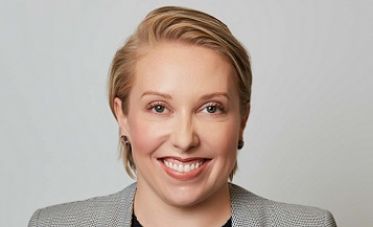
Emma Ridley, Medicine Nursing and Health Sciences
What impact are you having?
With the many talented people I work with, I generate new knowledge about the role and impact of nutrition during and following critical illness. Our work is impacting the care of critically ill patients internationally, but also informing the models of care we work in.
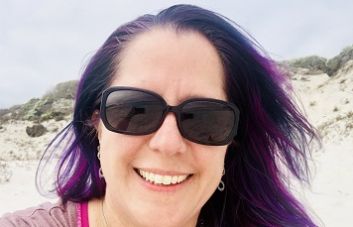
Linda Croton, Science
Why is it important to have women and diversity represented in your field?
Women have historically been the ones to sacrifice their careers for the sake of their partner's, and I'm no exception to that. I want to show young women and men that, while sacrifice is common—and often necessary for one partner in a relationship, regardless of their gender—it does not have to be the end of your career or a loss in the long term. There is always a way to reinvent oneself.
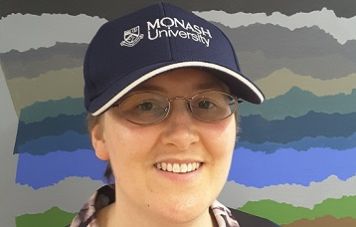
Penny Robinson, Medicine Nursing and Health Sciences
Why is it important to have women and diversity represented in your field?
I'm an openly autistic lecturer. Being autistic, and having sensory processing disorder (sensitive to bright lights) is part of me. Embracing my quirks & wearing my (Monash) cap when needed helps me work to my full potential.
Joanne Ryan, Medicine Nursing and Health Sciences
What questions are you solving?
I conduct research to better understand risk factors for neuropsychiatric disorders, in particular dementia and depression, and to identify preventative treatment and lifestyle interventions to reduce their incidence. My research is also focused on the identification of biomarkers to improve the diagnosis of these disorders and to help assess the effectiveness of interventions.
Erin Brodie, Engineering
What inspired you to pursue a career in STEMM?
I've never fallen into the main engineer stereotypes of 'a kid that pulled things apart all the time' or 'someone who was always building solutions to problems'. I simply have a bit of innate curiosity into how things work, enjoy seeing the creative solutions that a diverse team can imagine and have a drive to help people in the most effective way I can.
Aislinn Lalor, Medicine Nursing and Health Sciences
What is your proudest achievement?
My proudest achievement is the completion of my PhD regarding the causes and consequences of impaired sleep quality for older adults during and following extended hospitalisation. Following the completion of this work, my skills and expertise have been recognised through Postdoctoral Research Fellowships and ongoing Research Fellow opportunities within the RAIL Research Centre at Monash.
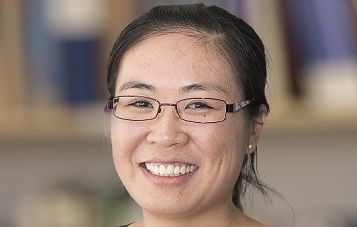
Kay Nguo, Medicine Nursing and Health Sciences
What inspired you to pursue a career in STEMM?
My interest in science started from a young age and I naturally pursued science and health related courses throughout high school and University. I was inspired by the things I learnt, the people I met along the way and the varying opportunities that were available. I enjoy the fact that one can always be learning new things in a STEMM career.
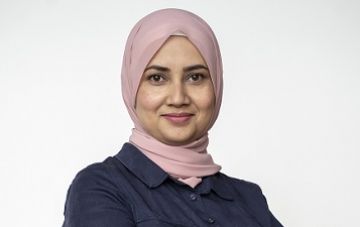
Rashina Hoda, Information Technology
What recognition have you received for your work contributions and why?
I have 100+ publications and healthy citation numbers. I have received research funding of over $2 million and have spoken widely at academic and practitioner events. I was selected as one of 60 Superstars of STEMM by Science and Technology Australia, 2021-22 to be a role model for girls and women in STEMM.
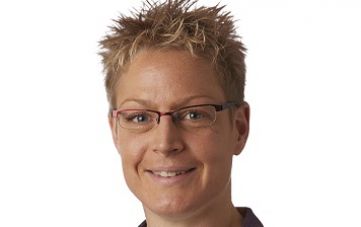
Jenny Zenker, Medicine Nursing and Health Sciences
What or who inspired you to pursue a career in STEMM?
Until I was 14 years old, I had only known the fruit fly as an unwelcome guest hovering around fruit bowls. It changed on the day when my brother came home from school with jars of flies. His biology teacher asked him to replicate the ground-breaking experiments of Thomas Morgan by crossing normal red-eyed flies in order to obtain flies with white eyes. I was hooked and decided to study biology.
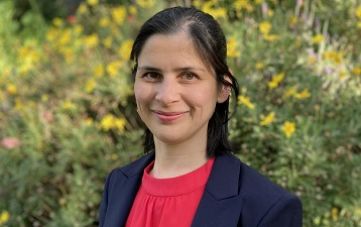
Kim Jacobson, Medicine Nursing and Health Sciences
What questions are you solving / what impact is your work having?
The question at the heart of my work is: how does immune memory form and protect us? Immune memory B cells are why vaccines work so well: they are trained to persist and quickly make high-quality antibody upon reinfection. Yet the fundamental drivers of memory are unknown, limiting our ability for therapeutics. We want to identify these drivers and how they become disrupted in chronic infection.
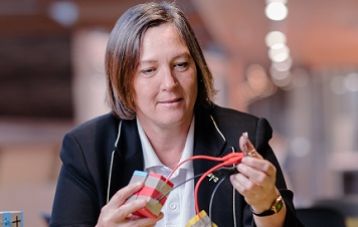
Kirsten Ellis, Information Technology
What is the most rewarding or enjoyable aspect of your career?
I love that I can use technology to help people living with disabilities to live better lives. With technology I can solve real world problems that have a positive impact for people. Working in assistive technology is really creative too.
Maria Theresa Llano Rodriguez, Information Technology
What is your proudest achievement?
To be part of the European scientific team that participated in the production of the West End musical “Beyond the Fence”, conceived as the world’s first computer generated musical.
Xiaoning Du, Information Technology
Why is it important to have women and diversity represented in your field?
I find my female collaborators/colleagues are more inclusive and responsible. They produce solid work and I really enjoy working with them.
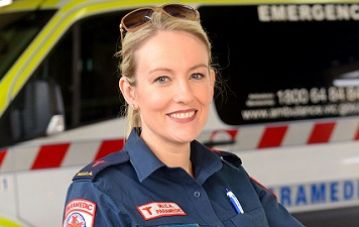
Kathryn Eastwood AM, Medicine Nursing and Health Sciences
What recognition have you received for your work contributions and why?
I was awarded an Australia Day honour, the Ambulance Service Medal, for my development of the cardiac intensive care education for Intensive Care Paramedics around Australia, and for my paramedicine research. I have been awarded a range of Fellowships and grants including a Heart Foundation Postdoctoral Fellowship. I have been invited to speak at international conferences and workshops.
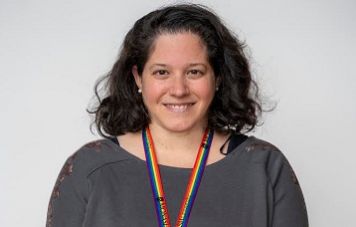
Mor Vered, Information Technology
What advice would you give to a person who is considering STEMM-related career?
Persevere. With STEMM subjects (and in my particular instance Computer Science) the beginning can be quite technical and, at times, very discouraging. However, if you tough it out a whole new world is open to you, full of opportunities, challenges, imagination and fulfilment. STEMM effects every aspect of our lives at this point, so you can really be anything.
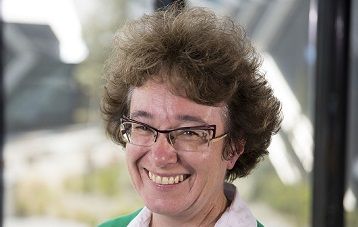
Joanne Evans, Information Technology
Why is it important to have women and diversity represented in your field?
It is imperative in the emerging data-driven and algorithmic age that those designing IT systems represent and understand diverse experiences and information needs. Addressing the gender gap in the IT sector is imperative in order to build better IT solutions and not entrench and amplify existing biases, disadvantage and discrimination.
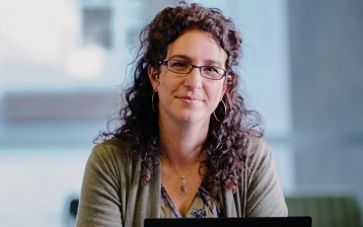
Yolande Strengers, Information Technology
Why is it important to have women and diversity represented in your field?
Women remain underrepresented at the most advanced technical frontiers, and yet our voices are critical to ensure biases are identified and addressed, and to provide diversity of life experiences and perspectives. We also need a diversity of people and disciplines involved in technology and STEMM, to ensure the field develops ethically, sustainability and equitably.
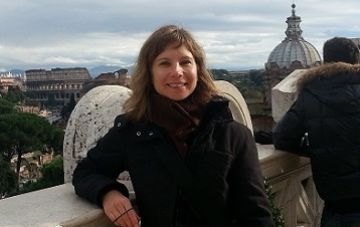
Amanda Karakas, Science
What or who inspired you to pursue a career in STEMM?
From a very early age I knew I wanted to be a scientist. I wanted to know how and why the world worked. My parents encouraged me to study what I loved and mathematics in particular, so I never considered it something girls can't do. I had a particular love of the night sky and was an amateur astronomer, as a kid. I felt lucky to be able to study astrophysics, when I got to university!
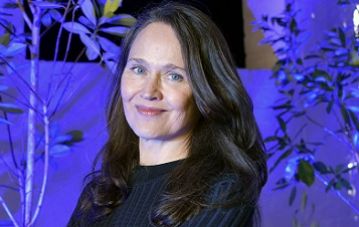
Sarah Pink, Information Technology
What advice would you give to a person who is considering STEMM-related career?
You don't need to be a computer scientist or engineer to have a career in STEMM, we need more anthropologists and sociologists to become involved and to lead in this field. People, climate and planet-focused expertise, combined with an understanding of technology, is vital to the future of STEMM. Consider a joint degree programme, learn across the social and technological disciplines.
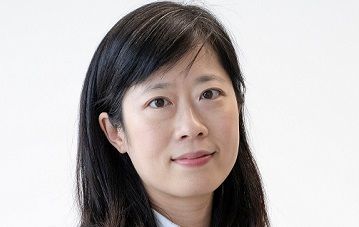
Yi-Shan Tsai, Information Technology
What questions are you solving / what impact is your work having?
My work focuses on exploring socio-technical issues around the use of data and related technology in education, and ways to better support learning and teaching with education technology, specifically, learning analytics. The impacts of my work have notably been in the policy and strategy areas, e.g., informing higher education's approaches to learning analytics.