
Australia–Taiwan Collaboration in Sustainable Finance 2025 Summit
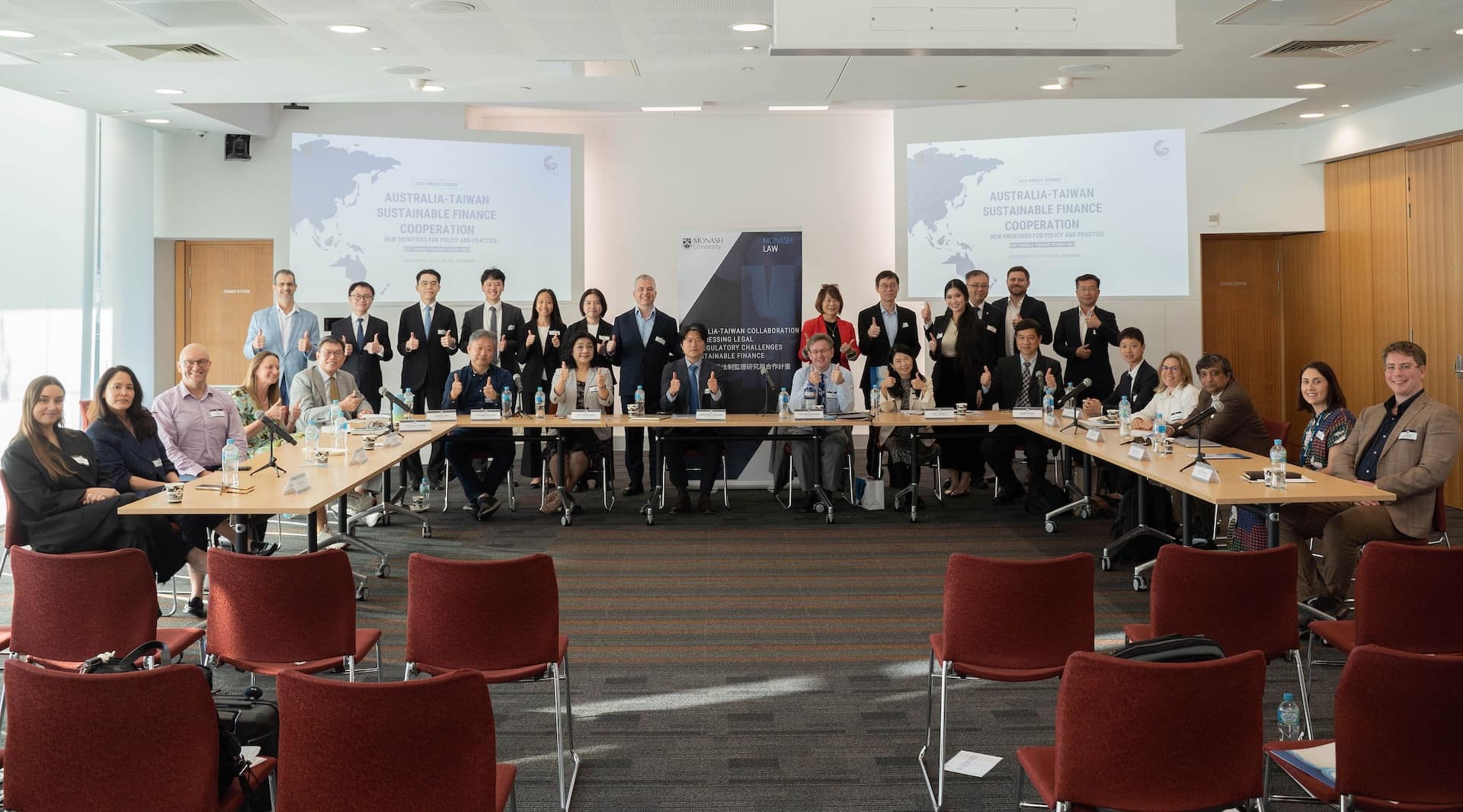
The Australia–Taiwan Collaboration in Addressing Legal and Regulatory Challenges in Sustainable Finance, also known as ATLAS Finance, is a pioneering research initiative led by Monash University’s Faculty of Law. Supported by the National Foundation for Australia-China Relations and the Australian Office in Taipei, the project seeks to bridge legal systems and regulatory frameworks to advance sustainable finance across borders.
At its core, ATLAS Finance asks a critical question: How can regulation and governance make finance more efficient, accountable, and inclusive amid technological innovation, climate change, and digital transformation? This question framed the discussions at the 2025 Annual Summit, held on 5 December 2025 in Brisbane, bringing together leading academics, regulators, and industry experts from Australia and Taiwan.
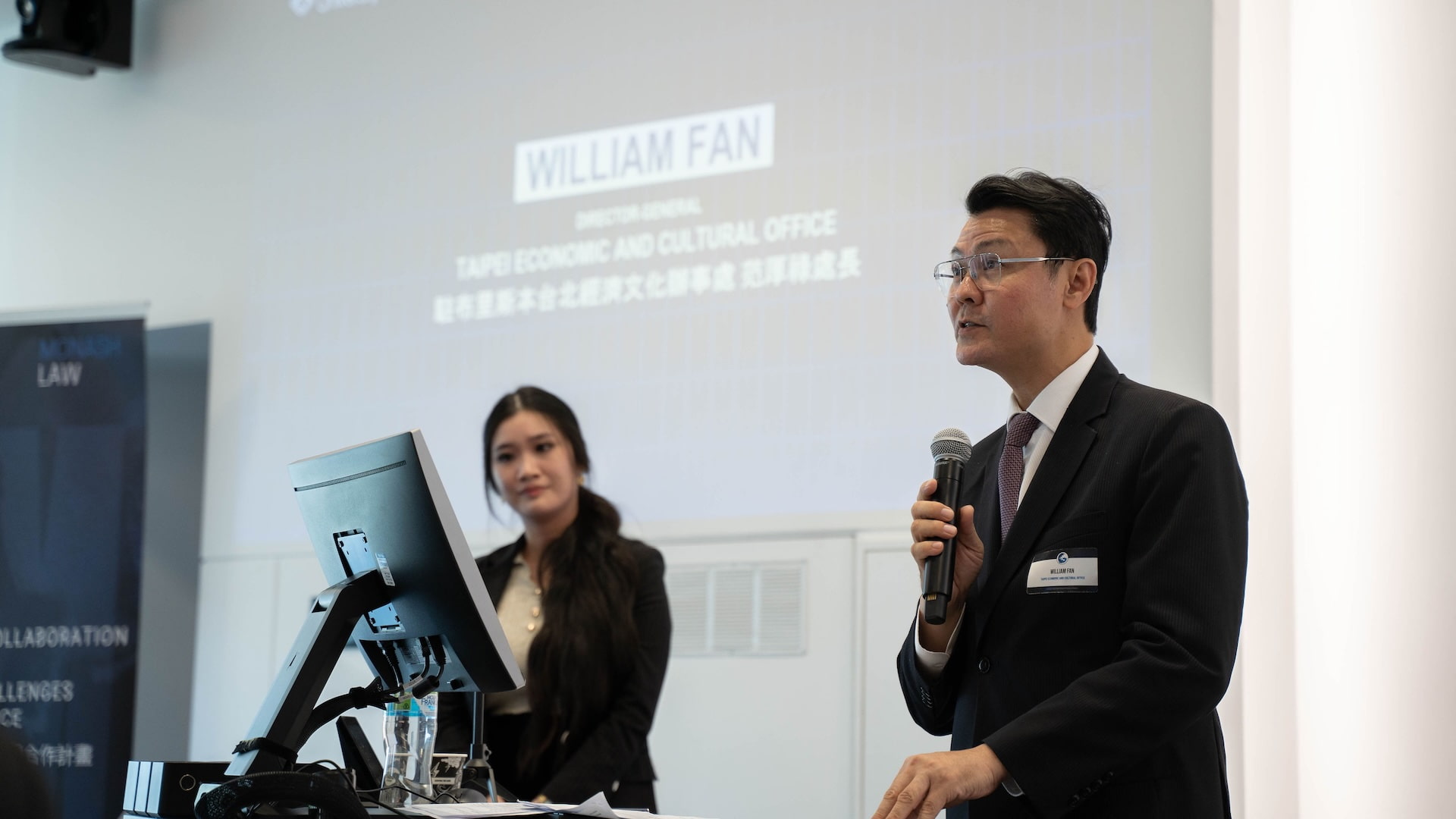
William Fan, Director-General, Taipei Economic and Cultural Office, Brisbane, Australia presenting opening remarks at the Australia-Taiwan Sustainable Finance Roundtable In Brisbane.
The 2025 Annual Summit: A Milestone for Collaboration
Hosted at Queensland University of Technology (QUT), the summit marked a significant step in the ATLAS Finance project’s progress. The event convened 14 distinguished panellists and featured two thematic sessions designed to tackle pressing challenges in sustainable finance.
The summit’s theme, “Australia–Taiwan Sustainable Finance Cooperation: New Frontiers for Policy and Practice”, underscored the urgency of building robust frameworks for sustainability in financial markets. With global standards tightening and climate-related risks escalating, the dialogue focused on practical solutions for governance, technology integration, and consumer protection.
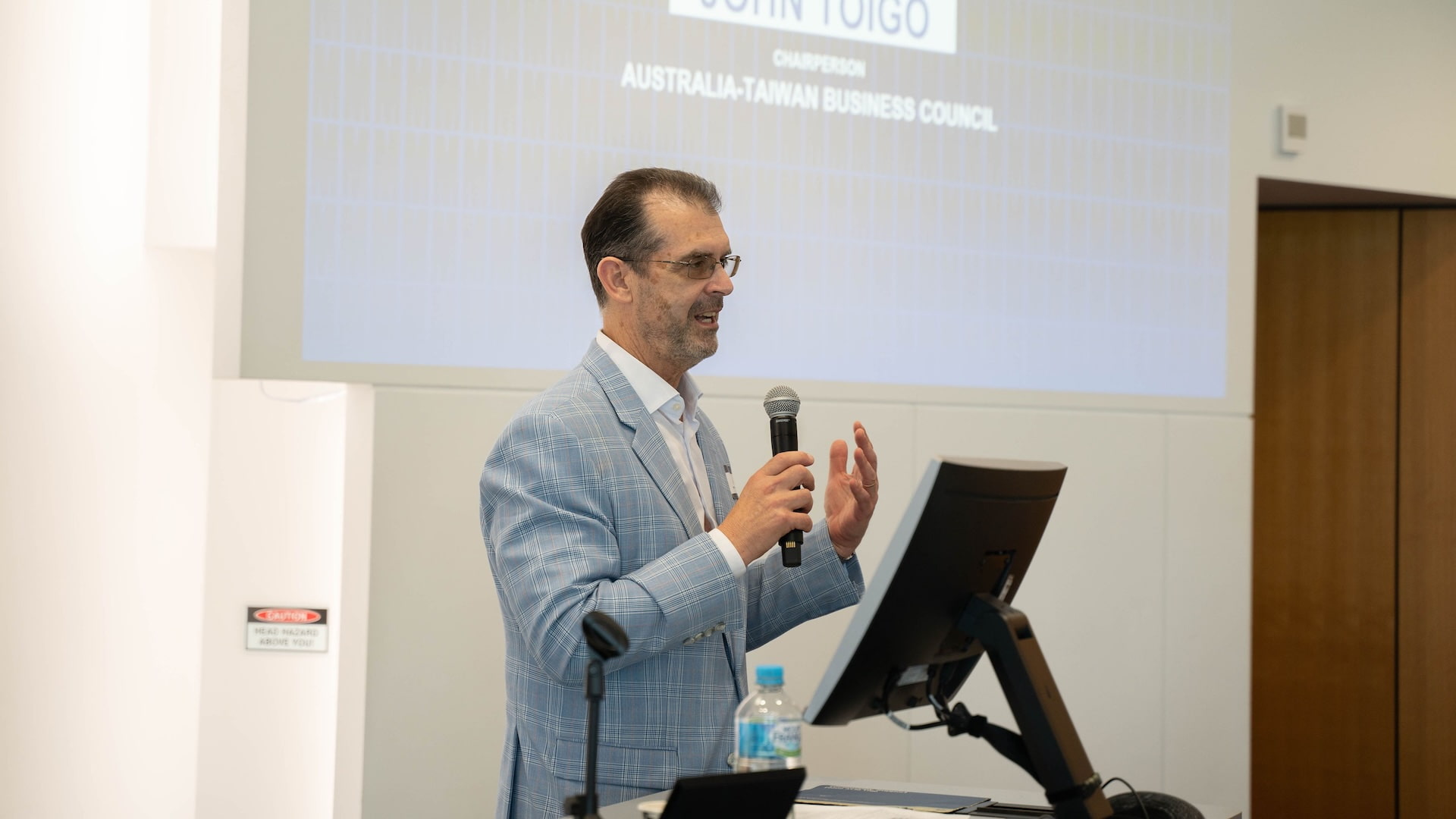
John Toigo, Chair, Australia-Taiwan Business Council presenting opening remarks at the Australia-Taiwan Sustainable Finance Roundtable In Brisbane.
Session 1: Technology Driving Sustainable Finance
The first session, “FinTech and Sustainable Finance: The Role of Technology in Advancing Sustainability Goals”, explored how emerging technologies are reshaping sustainable finance. Moderated by Associate Professor Cheng-Yun Tsang and Professor Gerry Nagtzaam, the discussion examined the application of AI, advanced analytics, RegTech/SupTech systems, blockchain infrastructures, and tokenisation platforms.
Key insights included:
- Data and Verification: Institutions in both countries are leveraging AI and analytics to manage climate-related risks and enhance data quality. These tools are critical for accurate environmental measurement and disclosure reporting.
- Digital Trust: As technology becomes embedded in sustainability reporting, governance frameworks must ensure model integrity and interoperability. Participants emphasised the need for collaborative models between Australia and Taiwan to align with international standards.
This session highlighted the transformative potential of technology, not only in improving efficiency but also in strengthening accountability and transparency in sustainable finance.
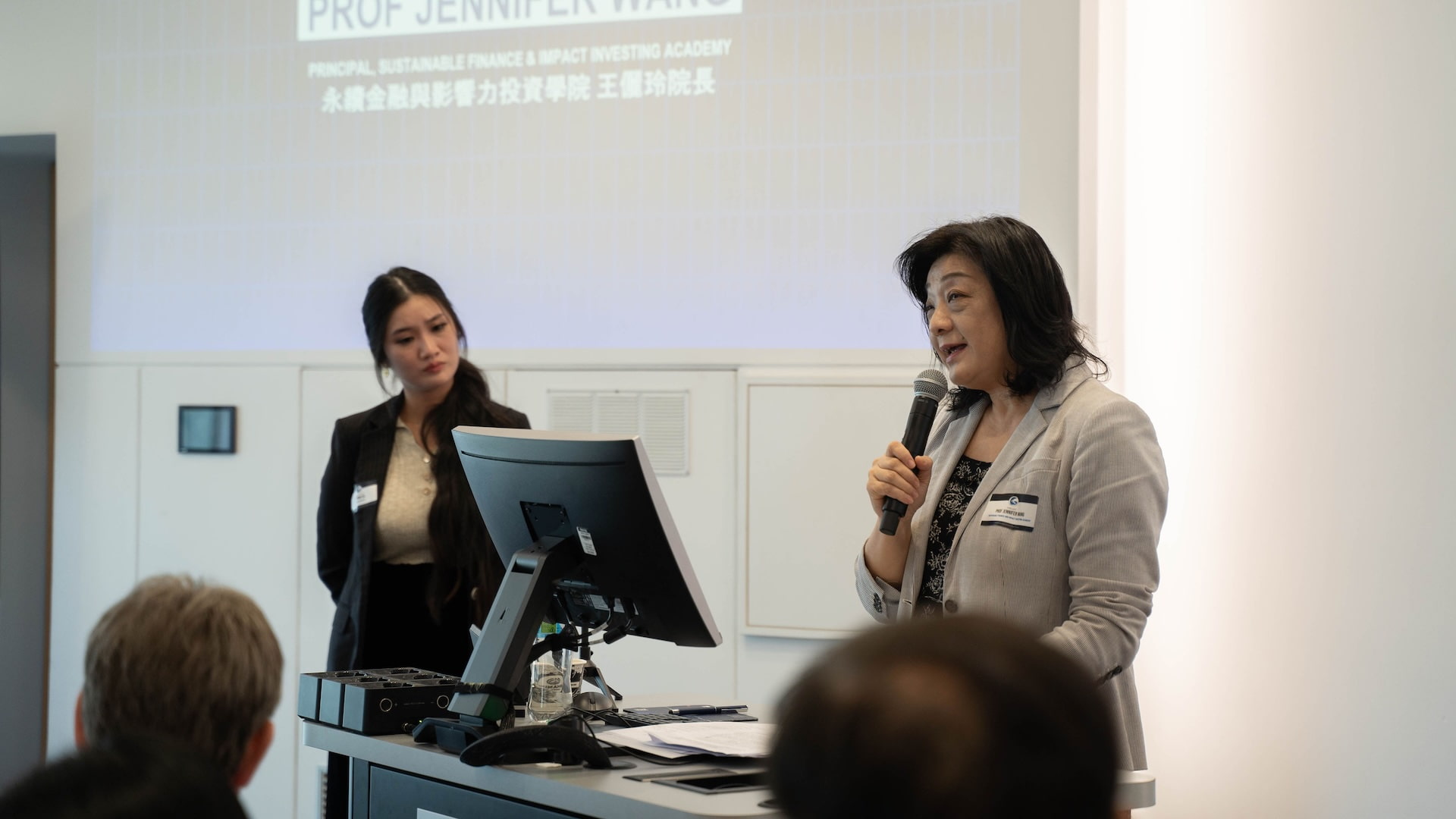
Professor Jennifer Wang, Principal, Taiwan Sustainable Finance and Impact Investing Academy presenting opening remarks at the Australia-Taiwan Sustainable Finance Roundtable In Brisbane.
Session 2: Consumer Protection and Regulatory Innovation
The second session, “Sustainable Finance Products and Consumer Protection: Regulatory Approaches and Market Practices”, addressed the growing complexity of sustainability-related financial products. With concerns about greenwashing and green hushing on the rise, experts discussed how governance and assurance frameworks can protect consumers and maintain market integrity.
Key outcomes included:
- Regulatory Approaches: Panellists agreed on the need for frameworks that enhance product transparency, suitability, and trust. This includes stricter supervisory expectations for sustainability disclosures.
- Cross-Border Cooperation: Opportunities for joint action were identified in areas such as transition finance, sustainable finance taxonomies, carbon and environmental markets, and tokenised green products. Aligning taxonomies and structures is particularly important given Taiwan’s significant banking presence in Australia.
This session reinforced the importance of harmonising regulatory approaches to support credible and scalable sustainable finance markets.
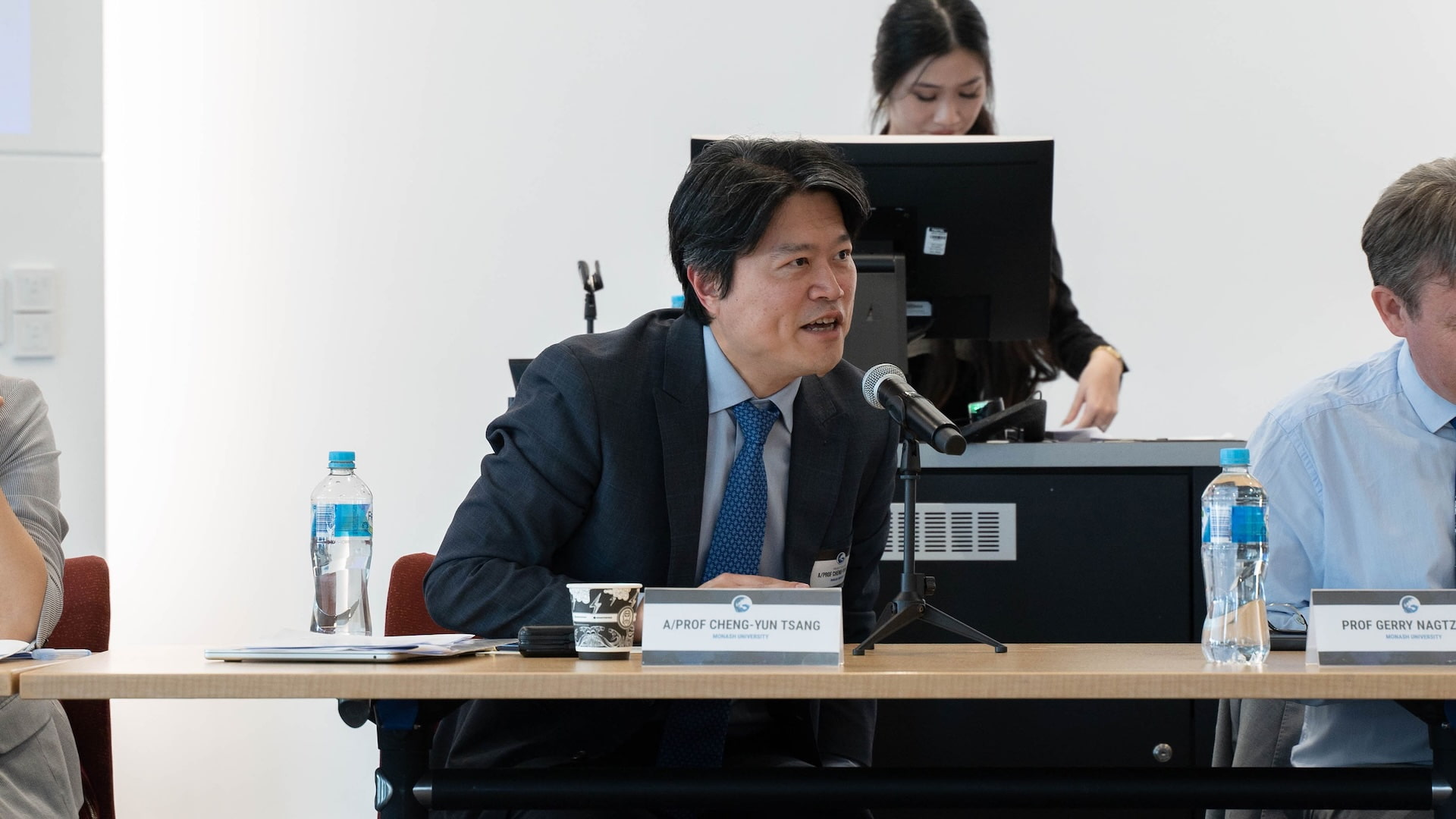
Associate Professor Cheng-Yun Tsang, Monash University Faculty of Law, moderating the Roundtable Session at the Australia-Taiwan Sustainable Finance Roundtable In Brisbane.
Key Outcomes: From Voluntary to Mandatory Reporting
One of the most significant themes emerging from the summit was the shift from voluntary to mandatory reporting. Participants noted that voluntary disclosure regimes often lead to selective reporting, where companies omit negative environmental impacts. This undermines transparency and investor confidence.
The consensus was clear - mandatory regulatory reporting is essential. Without binding requirements, markets lack consistent, comparable data, making it difficult to assess genuine sustainability performance. Panellists also discussed the role of freedom of information in promoting market transparency, emphasising that mandatory standards are necessary to prevent information asymmetry and ensure public access to accurate non-financial data.
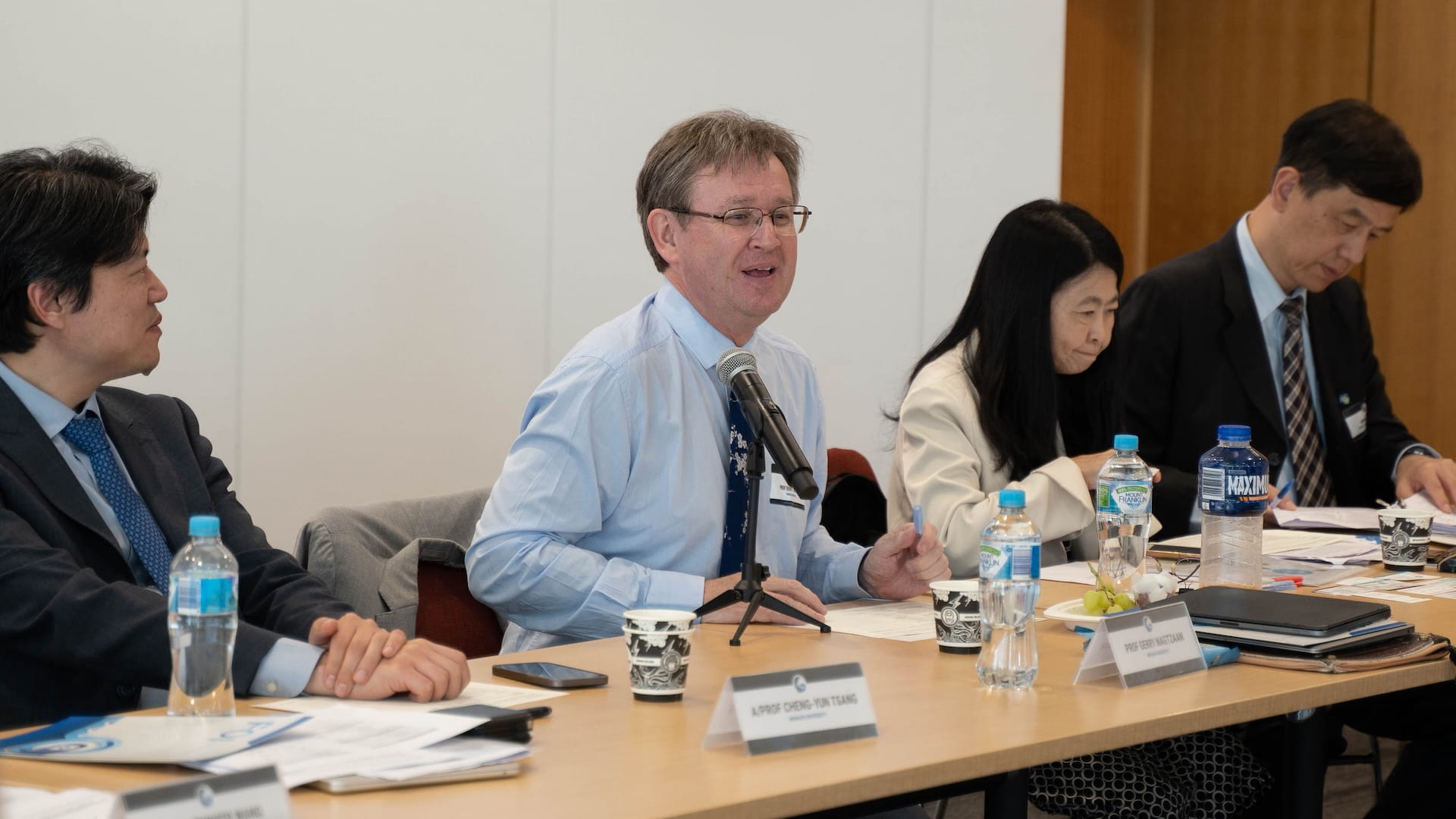
Professor Gerry Nagtzaam, Monash University Faculty of Law, moderating the Roundtable Session at the Australia-Taiwan Sustainable Finance Roundtable In Brisbane.
Voices of Expertise: Who Was in the Room
The summit brought together a diverse group of experts from academia, industry, and regulatory bodies:
- Monash University:
- Associate Professor Cheng-Yun Tsang – Specialist in digital transformation of financial regulation
- Professor Gerry Nagtzaam – Expert in environmental law and governance
- Taiwan:
- Professor Jennifer Wang – Principal, Taiwan Sustainable Finance and Impact Investing Academy (SFIIA)
- Professor I-Ching Tu – Chairperson, Financial Ombudsman Institution (FOI)
- Professor Ming-Hua Hsieh – Chairperson, Asia Pacific RegTech Association
- Dr Albert Chou – Senior Vice President, Taiwan Stock Exchange
- Cheng-Ju Kuan & I-Han Chang – Financial Ombudsman Institution
- Australia:
- Chris Newton – Director, ESG & Sustainability Advisory, Stakeholder Capital
- Christina Ng – Managing Director, Energy Shift Institute
- Tori Rudolph – Head of Strategic Partnerships, FinTech Australia
- Alec O’Sullivan – Policy Lead, Digital Economy Council of Australia
- QUT academics: Professor Felicity Deane, Dr Carla Liuzzo, Professor Anup Basu, Professor Louisa Coglan
This breadth of expertise ensured a rich dialogue that bridged legal, technological, and market perspectives.
Looking Ahead: Building a Framework for Cross-Border Cooperation
The summit concluded with a shared commitment to deepen Australia-Taiwan collaboration in sustainable finance. By aligning regulatory frameworks, leveraging technology, and prioritising consumer protection, both countries can create a robust foundation for cross-border investment and innovation.
The ATLAS Finance project will continue to advance research and policy dialogue in these areas, with future initiatives focusing on:
- Developing interoperable governance frameworks for digital trust.
- Harmonising sustainability taxonomies and disclosure standards.
- Exploring joint opportunities in transition finance and green technology deployment.
As global markets move toward mandatory sustainability reporting, the work of ATLAS Finance is more critical than ever. By fostering collaboration and knowledge exchange, this project is helping to shape a future where finance drives sustainable development.