Co-designing a Living Evidence Architecture
Developing a technology-enabled Living Guidelines Evidence System
Investigators
- Associate Professor Leah Heiss, Monash University
- Professor Tari Turner, Monash University
- Associate Professor Grace Wangge, Monash Indonesia
- Associate Professor Derry Wijaya, Monash Indonesia
- Professor John Grundy, Monash University
- Professor Rashina Hoda, Monash University
- Professor Chris Bain, Monash University
- Dr Jackie Rong, Monash University
- Dr Annie Synnot, ALEC
- Health White, ALEC
- Dr Anneliese Arno, ALEC
Co-investigators
- Dr Detty Nurdiati, Cochrane Indonesia
- Professor Jackie Ho, Cochrane Malaysia
- Professor Pisake Lumbiganon, Cochrane Thailand
- Associate Professor Olga Kokshagina, Sydney University
- Kidist Bartolomeos, World Health Organisation (WHO)
- Elisabetta Minelli, World Health Organisation (WHO)
Partner organisation
- The Australian Living Evidence Collaboration (ALEC)
- WHO HQ (Geneva), Science Division
- WHO Western Pacific Regional Office (WPRO)
- WHO South East Asian Regional Office (SEARO)
- Cochrane Indonesia, Cochrane Malaysia
- Monash Indonesia
Funded by
- Monash Incubator Bolster Grant
Undertaken within

Clinical practice guidelines support evidence-based clinical decision-making. While essential, they are resource intensive and rapidly become outdated as more research is published. As a result, health decision-makers don’t have access to reliable, up-to-date summaries of evidence when they need them, health decisions are not based on the best available evidence, and people do not receive optimal health care and outcomes.
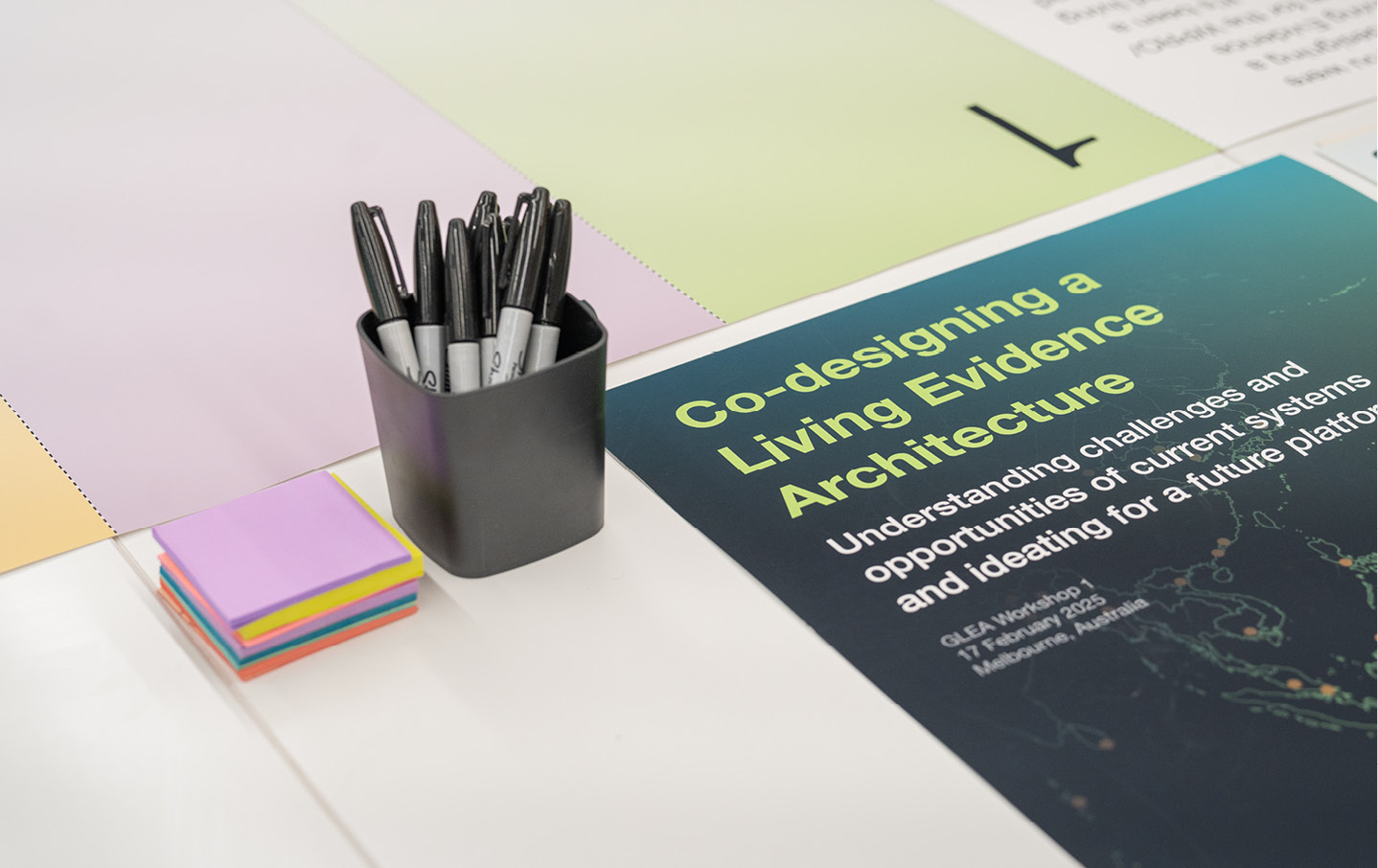
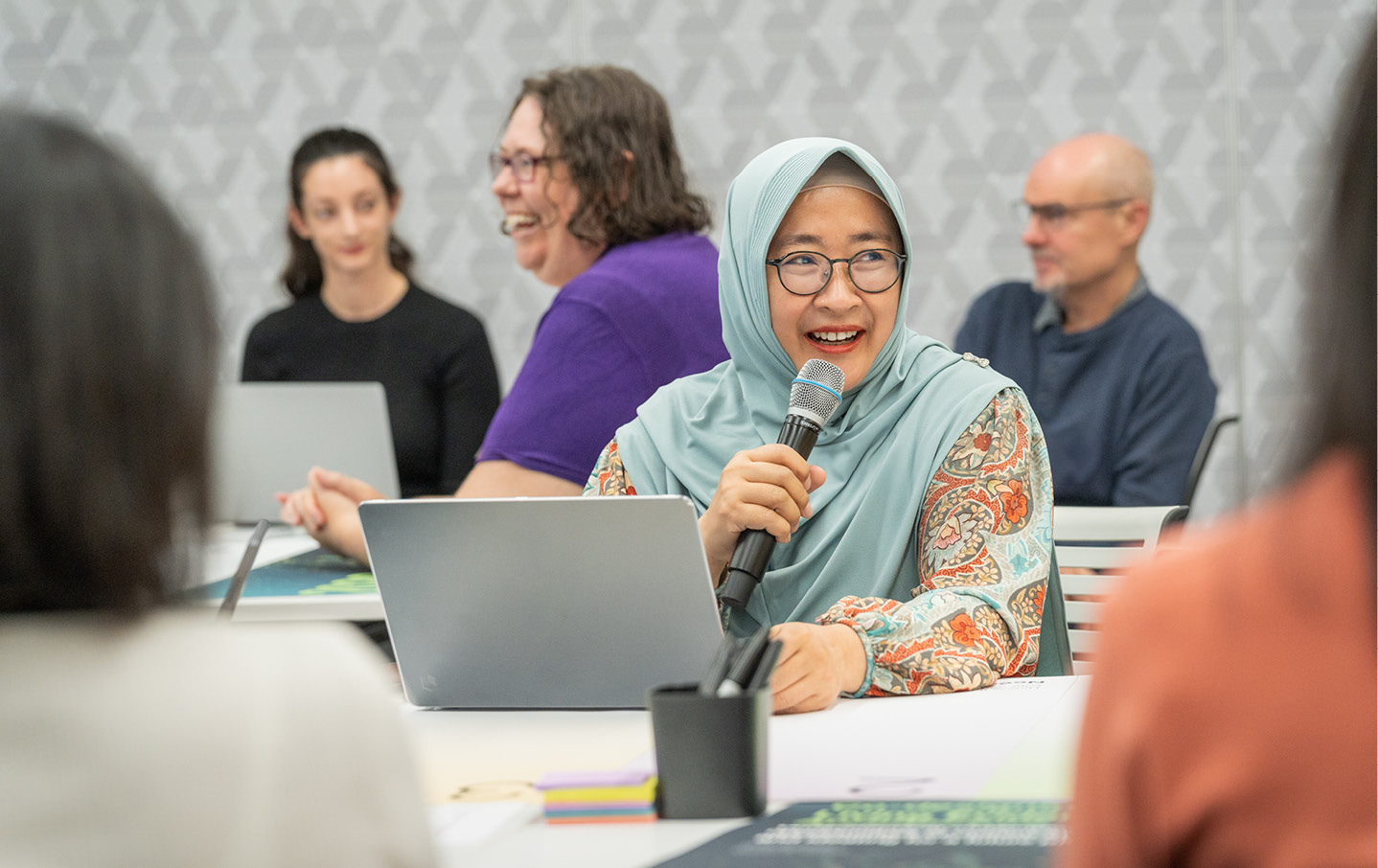
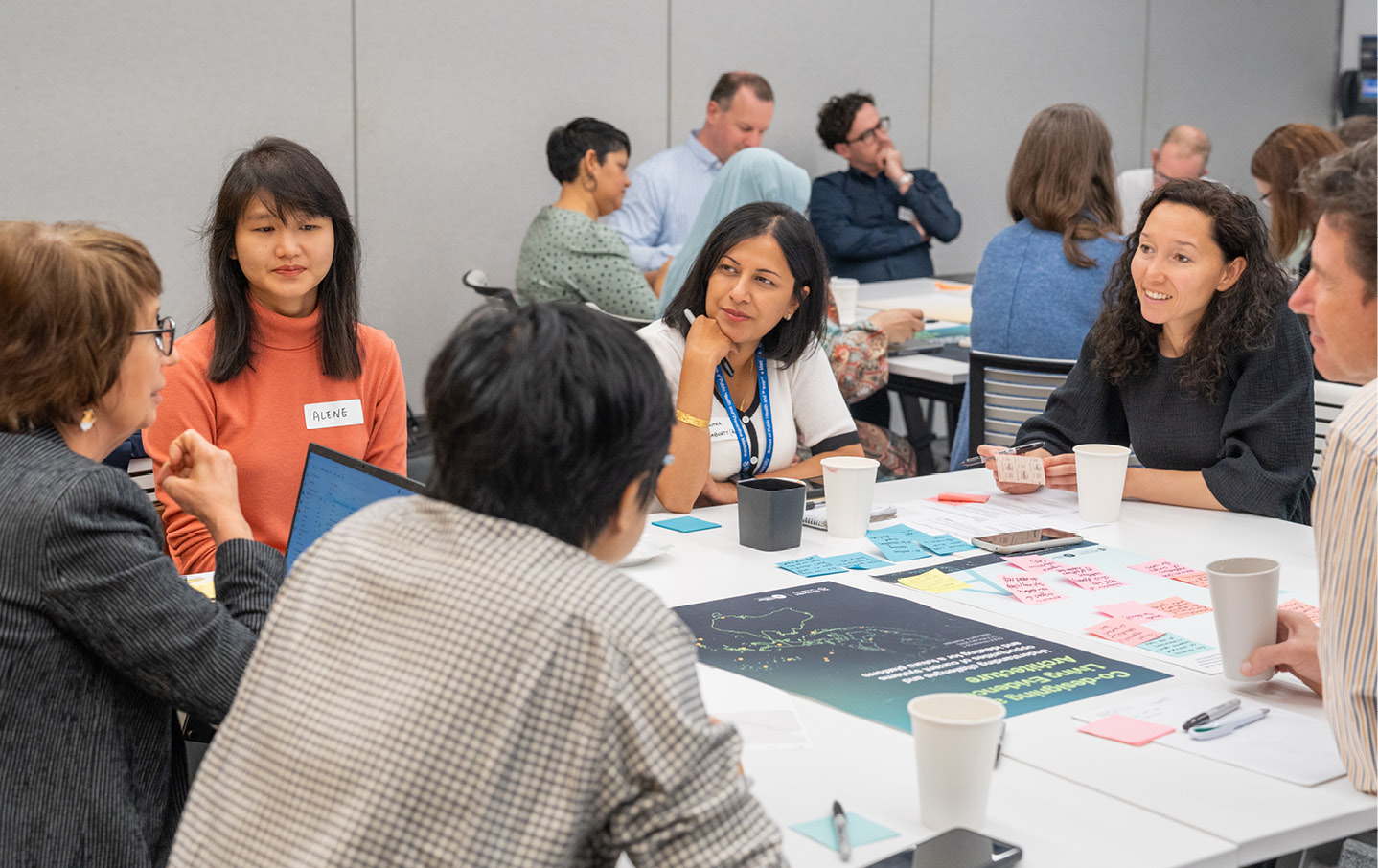
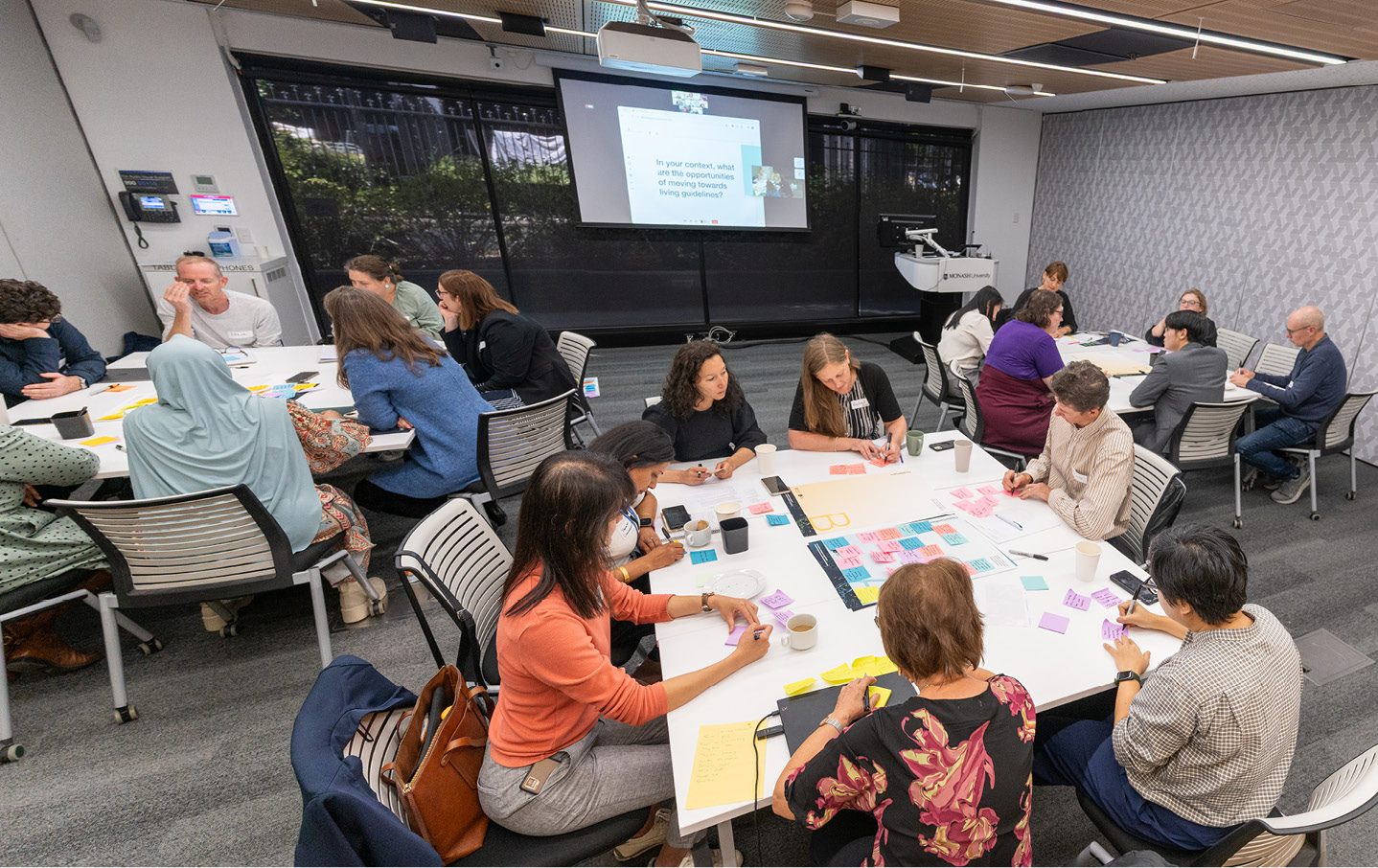
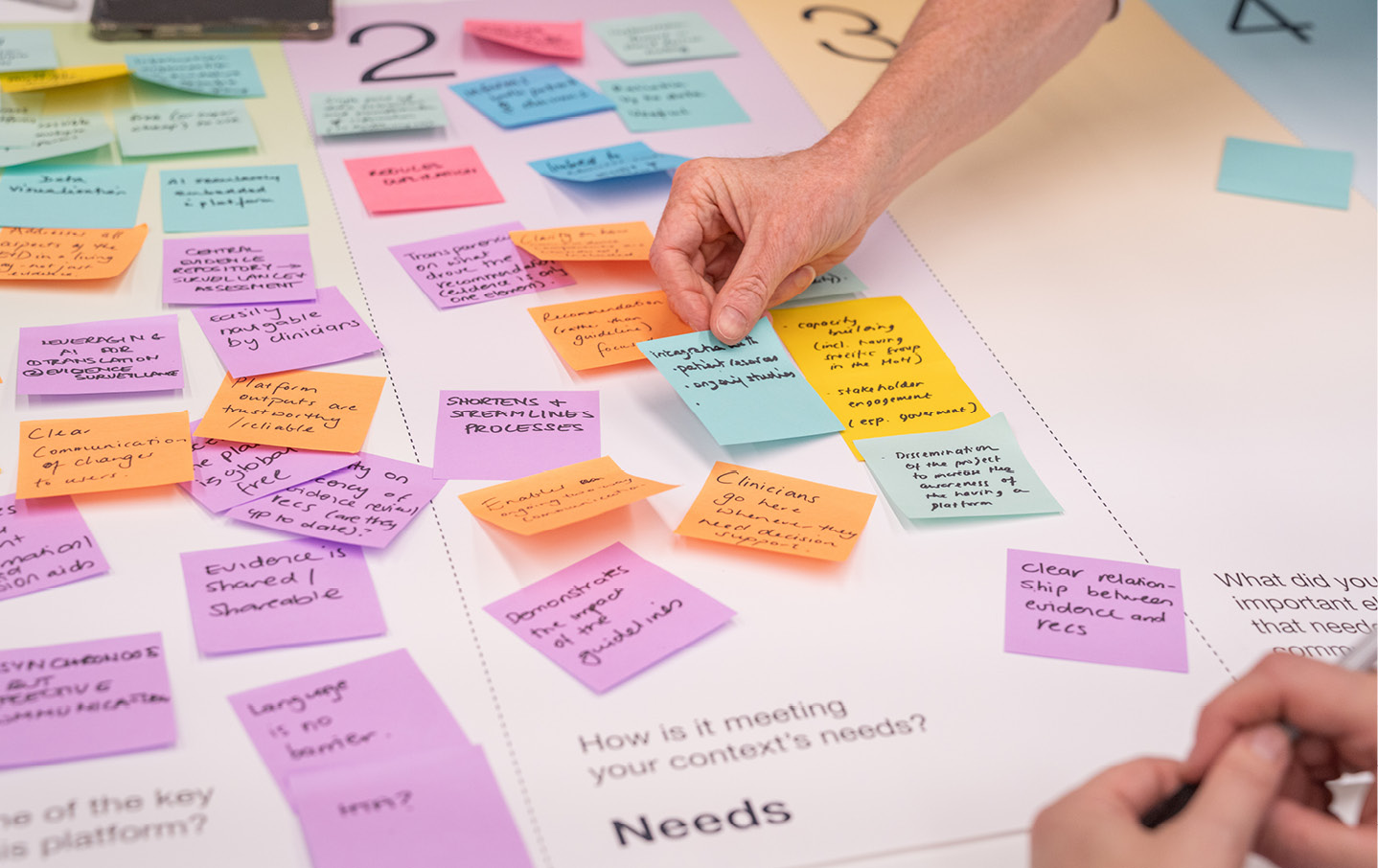
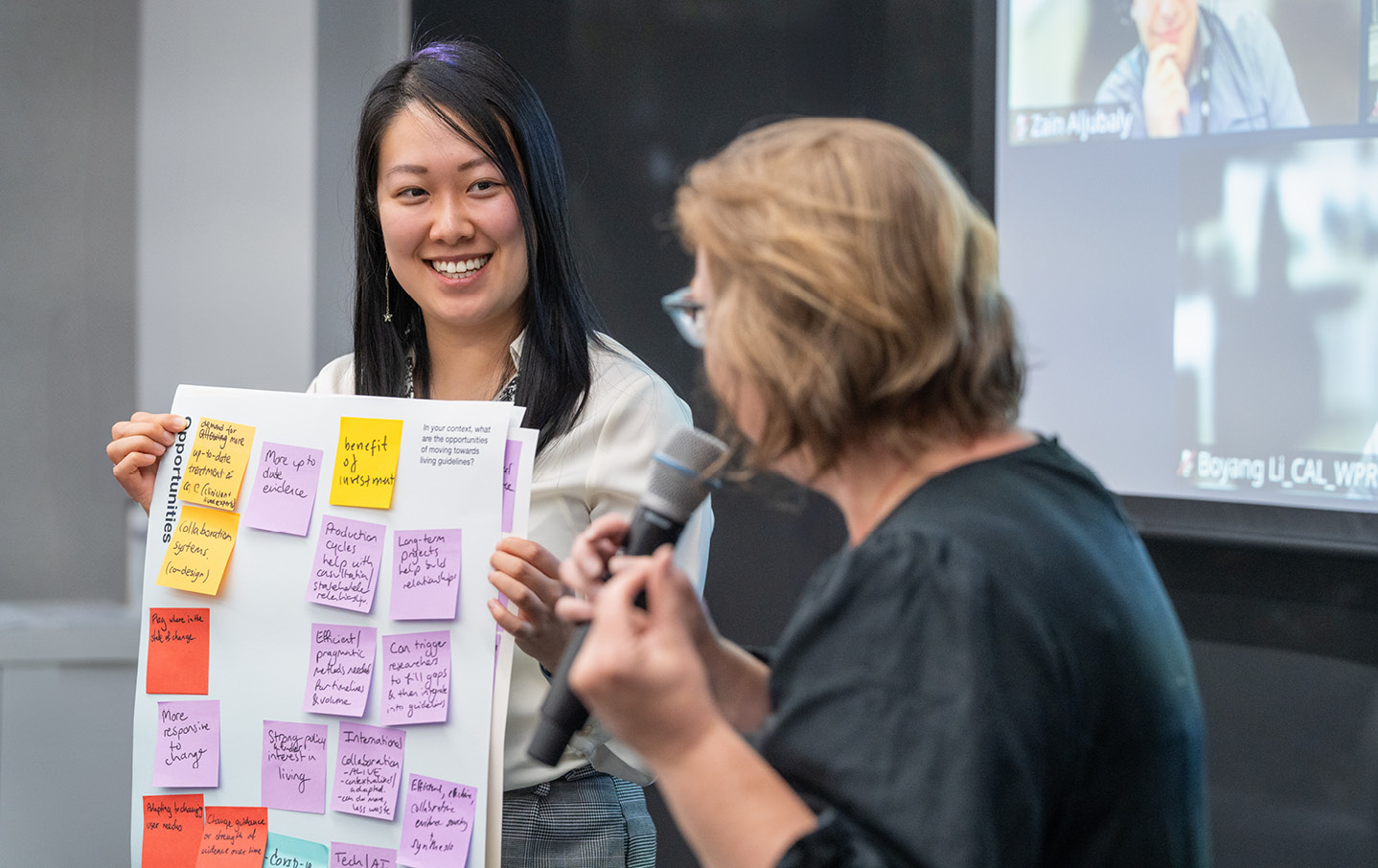
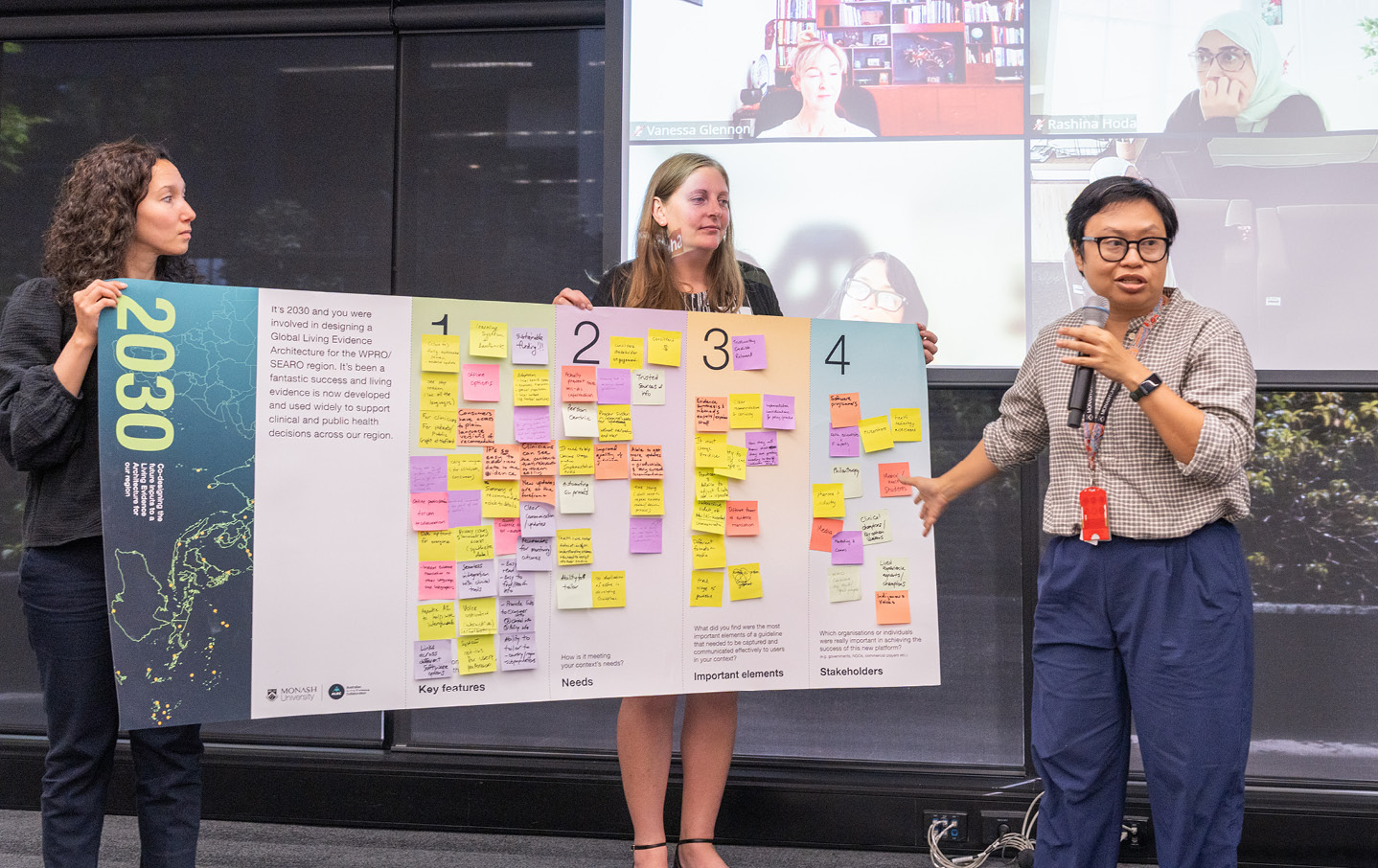
The Monash Incubator funded an interdisciplinary team of researchers from across MADA, FIT, MNHS, Monash Indonesia and the The Australian Living Evidence Collaboration (ALEC) to convene stakeholders from across South-East Asia and Western Pacific to co-design a technology roadmap for a Living Evidence Platform. Bringing together people from over 10 countries, including from WHO regional offices (WPRO and SEARO), the work collaboratively identifies critical elements to develop a living evidence platform suited to the needs of our region. This platform will support access to living evidence that is adapted to country contexts while staying connected to trusted sources of health evidence (e.g. WHO global guidelines), and includes assessment of the emerging role of Generative AI in the delivery of health evidence.
Outcomes of the regional consultation will build towards funding for scale up and testing with other WHO regions: AFRO, PAHO, EMRO and EURO.