
Jenna Hall: Assemblages of care – slow sensibilities for design in museums, PHD Thesis Exhibition
The exhibition ‘Assemblages of care – slow sensibilities for design in museums’ presents research from Jenna Hall’s PhD candidature. This practice-based research explores the relationship between slowness and care in museums, examining the social, material, and spatial dimensions of care in museums through design.
Through a series of projects in museum and gallery spaces, the research asks how slowness contributes to social care in the museum, and what implications this has for designing museum experiences. By building on the principles of slow design and responding to social issues in museums, the research is significant in its contribution to laying the groundwork for ‘slow museum design’ and the emerging field of ‘care-ful museology’.
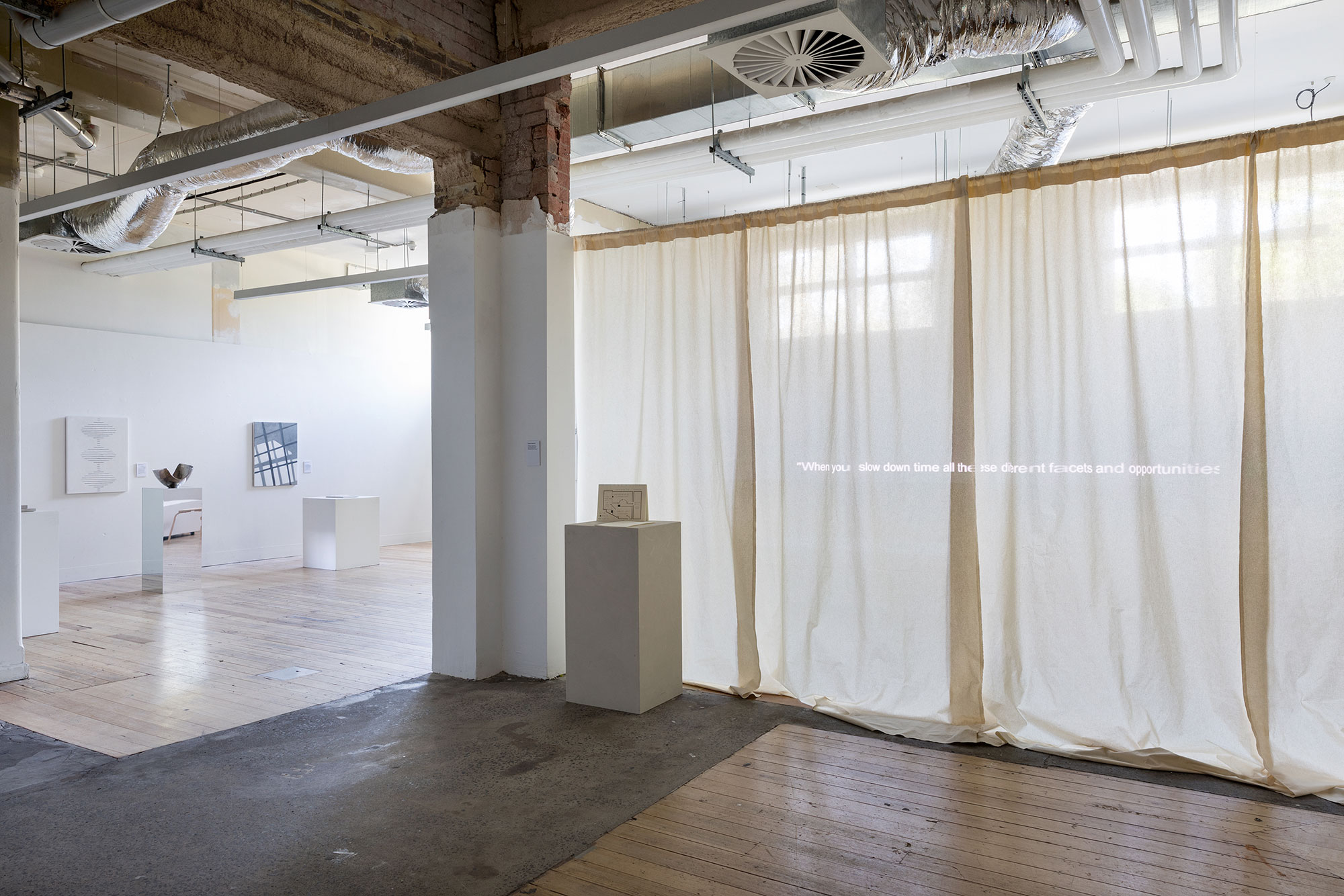
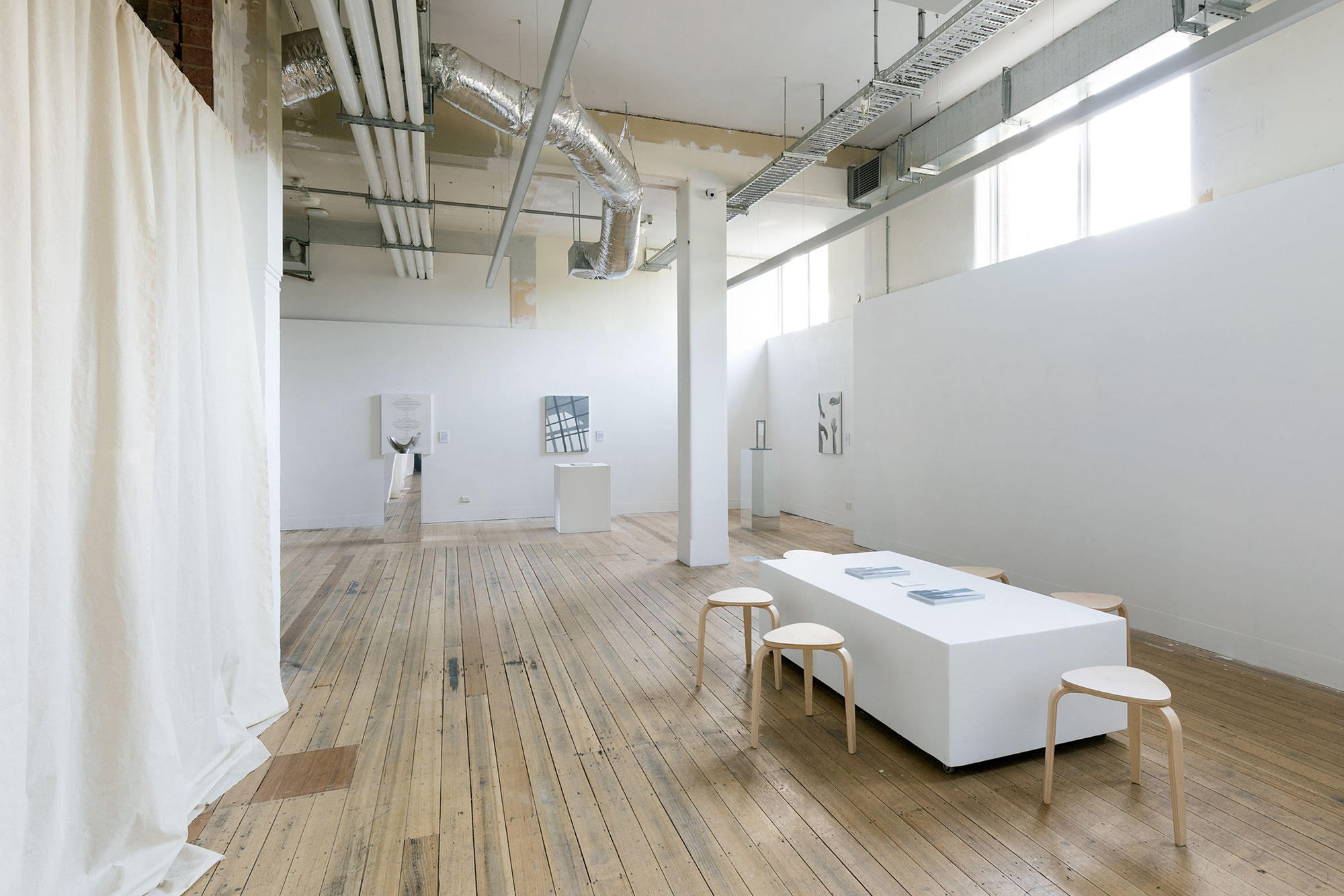
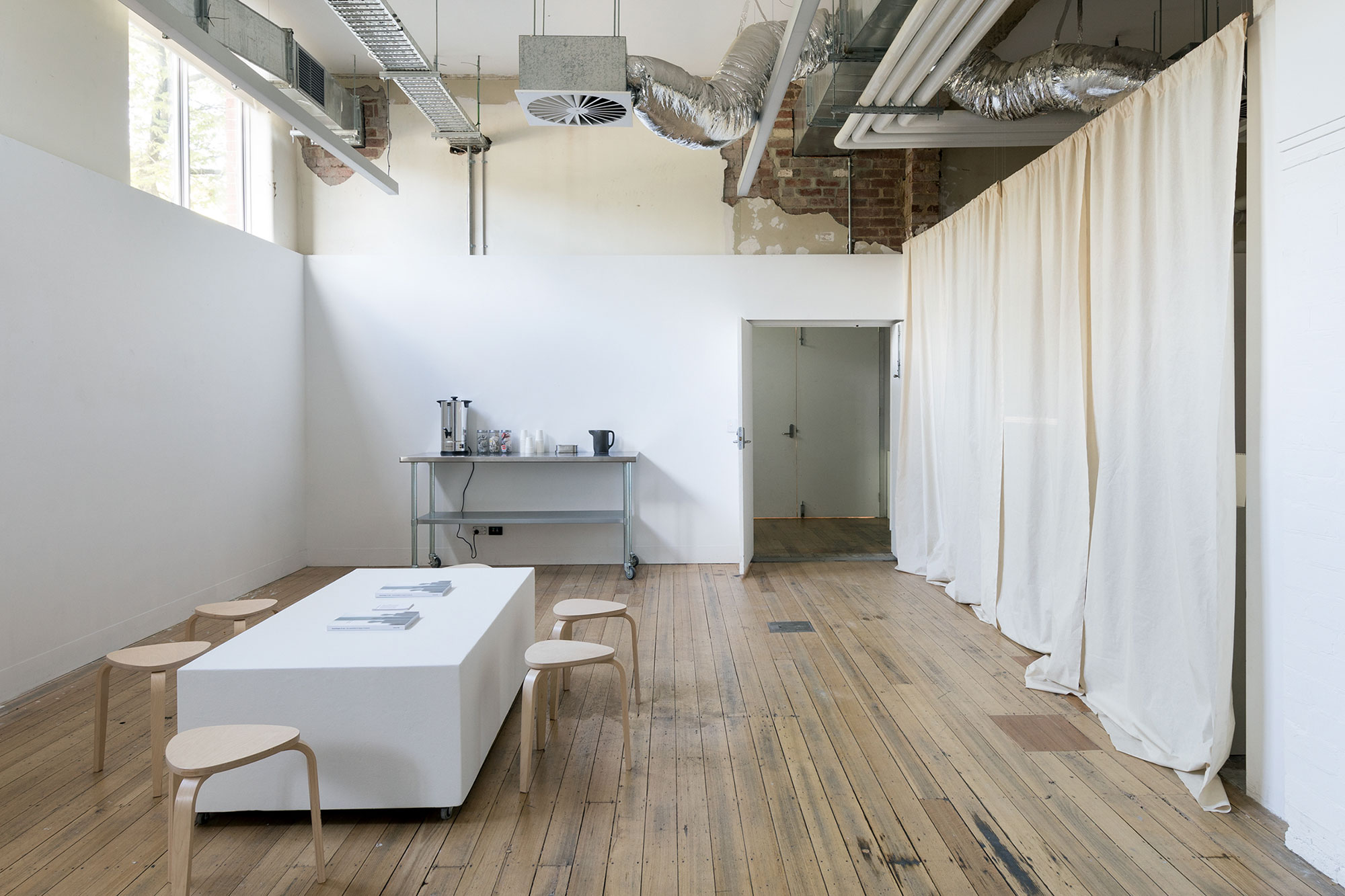
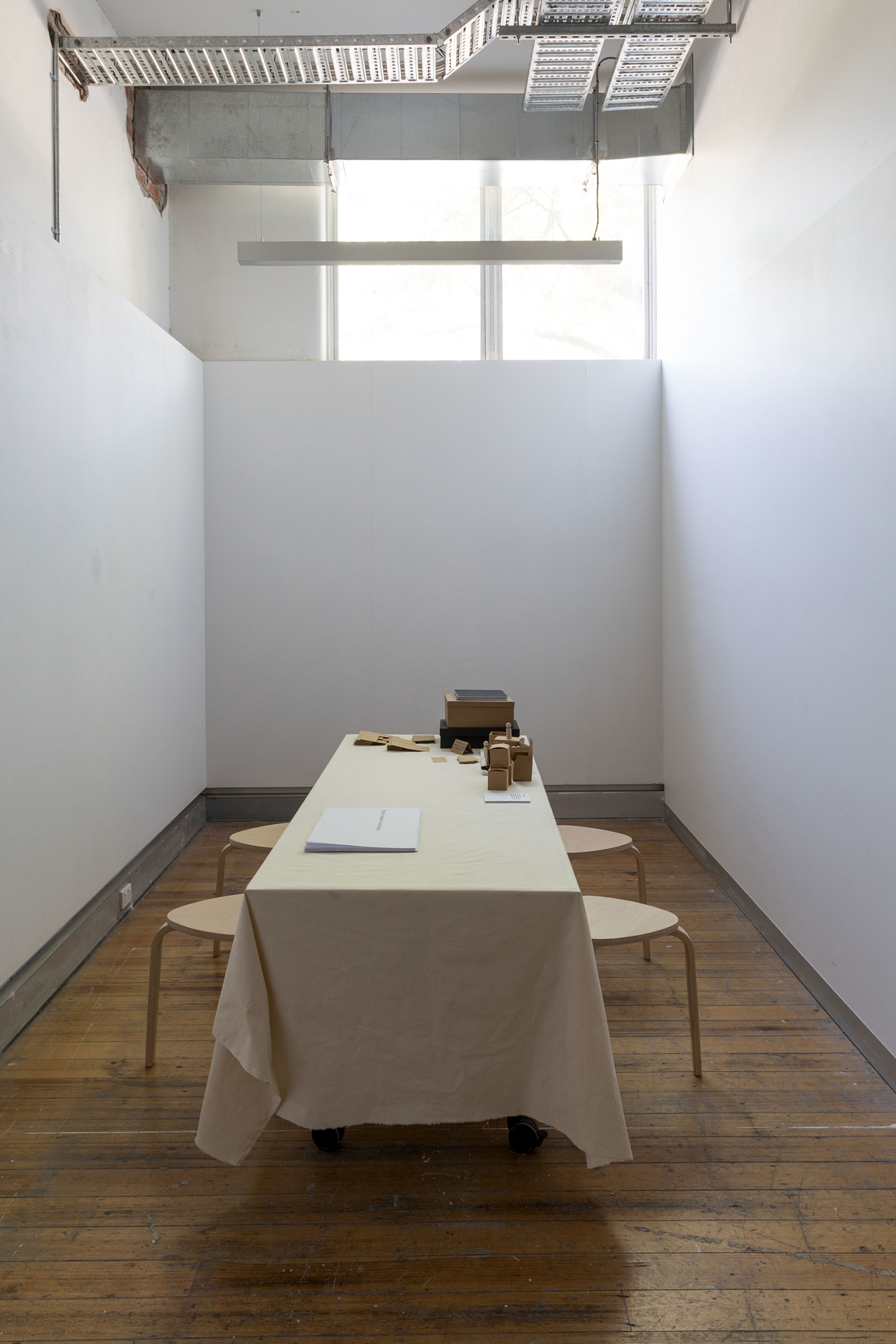
Designed as a slow experience, visitors are encouraged to take their time through the exhibition utilising in-between spaces to pause and reflect. Works presented include design interventions produced at Bendigo Art Gallery (BAG), as well as studio and fieldwork documentation, including observations from a research trip to the UK.
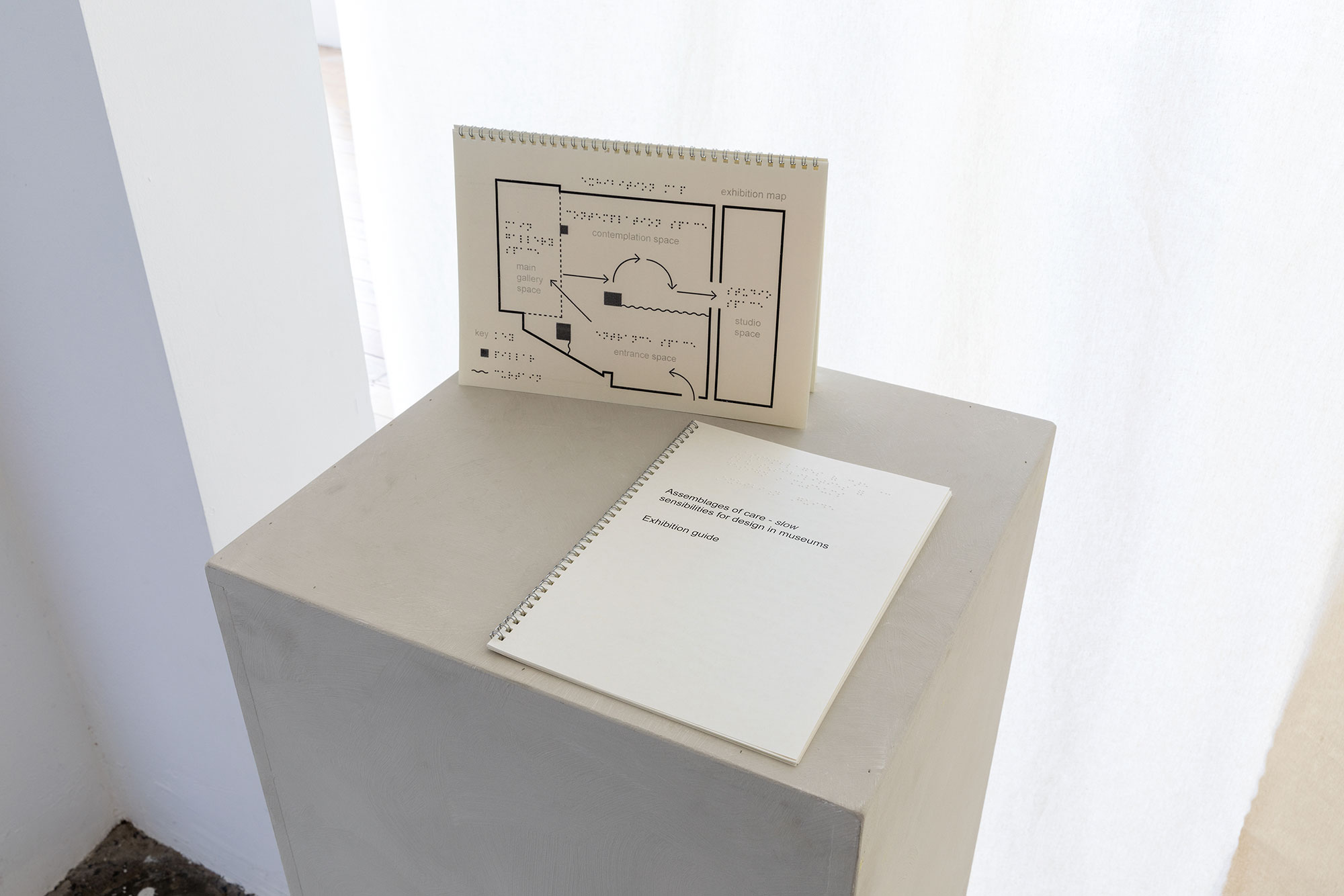
The exhibition is designed across two rooms, within which there are four different spaces. In the first room, you are invited to explore the exhibition as a ‘visitor’. The first space you are welcomed into is the ‘museum threshold’ (entrance space) where you can take a moment to orient yourself by engaging with a tactile map of the exhibition spaces and reading this exhibition guide.
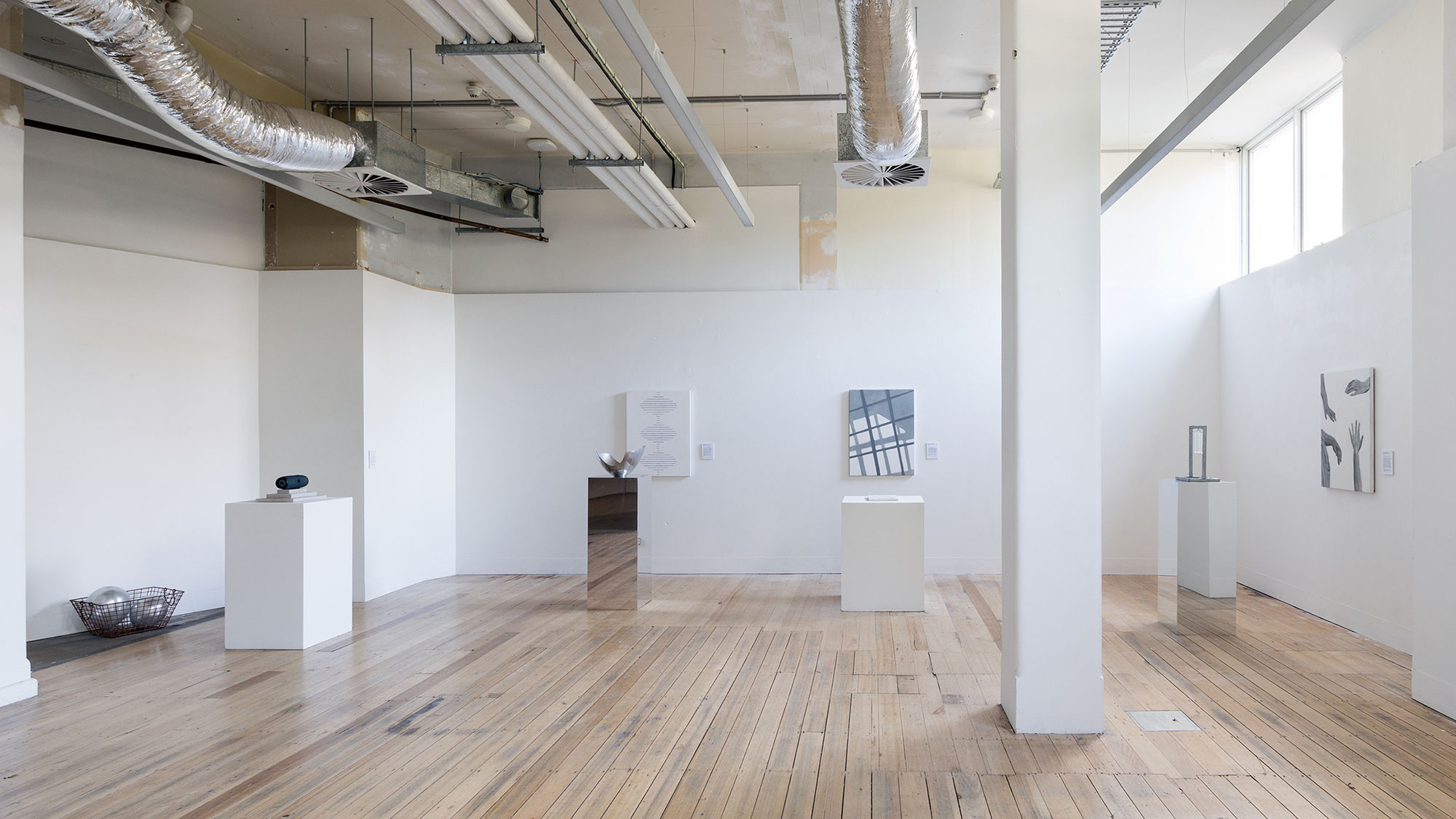
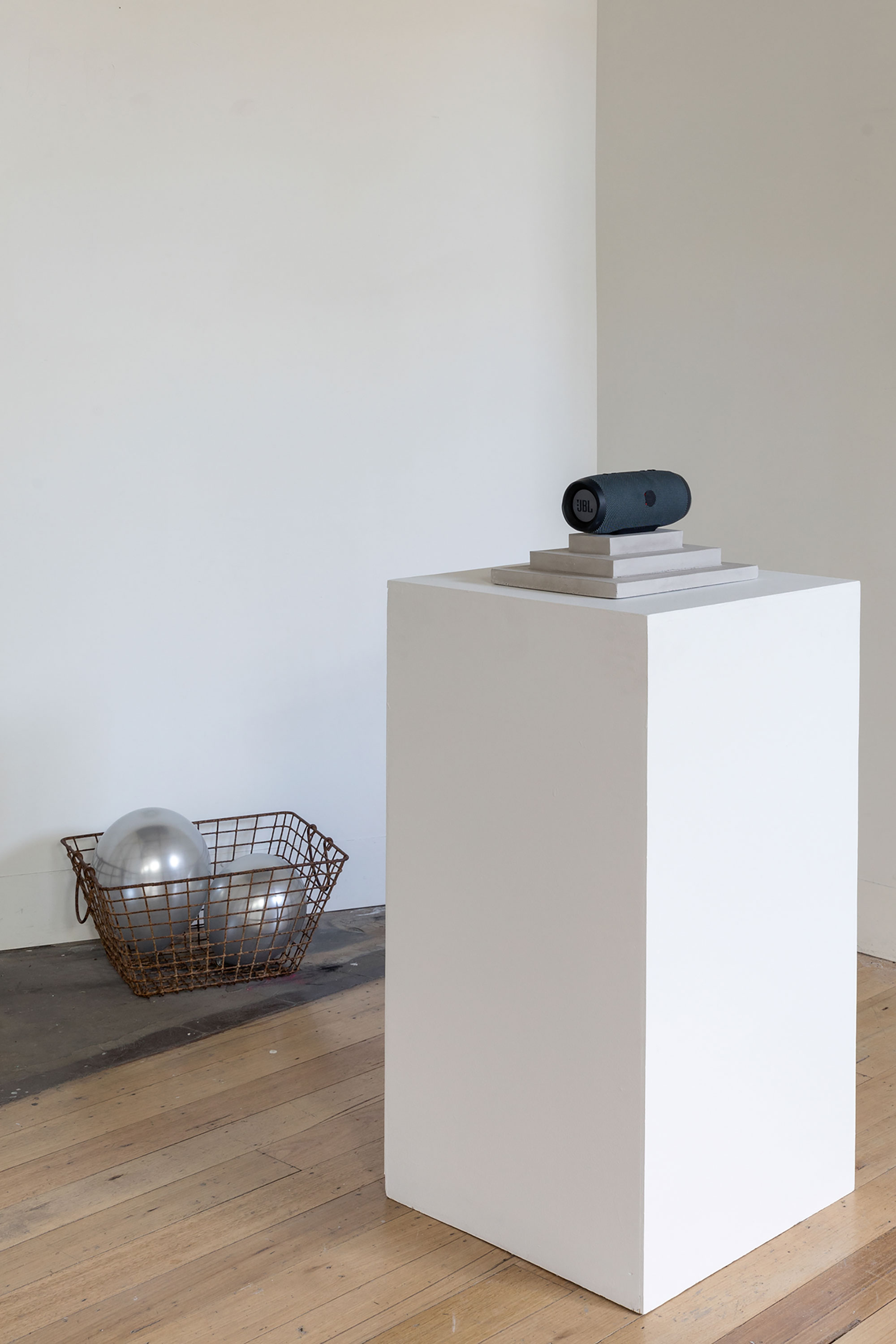
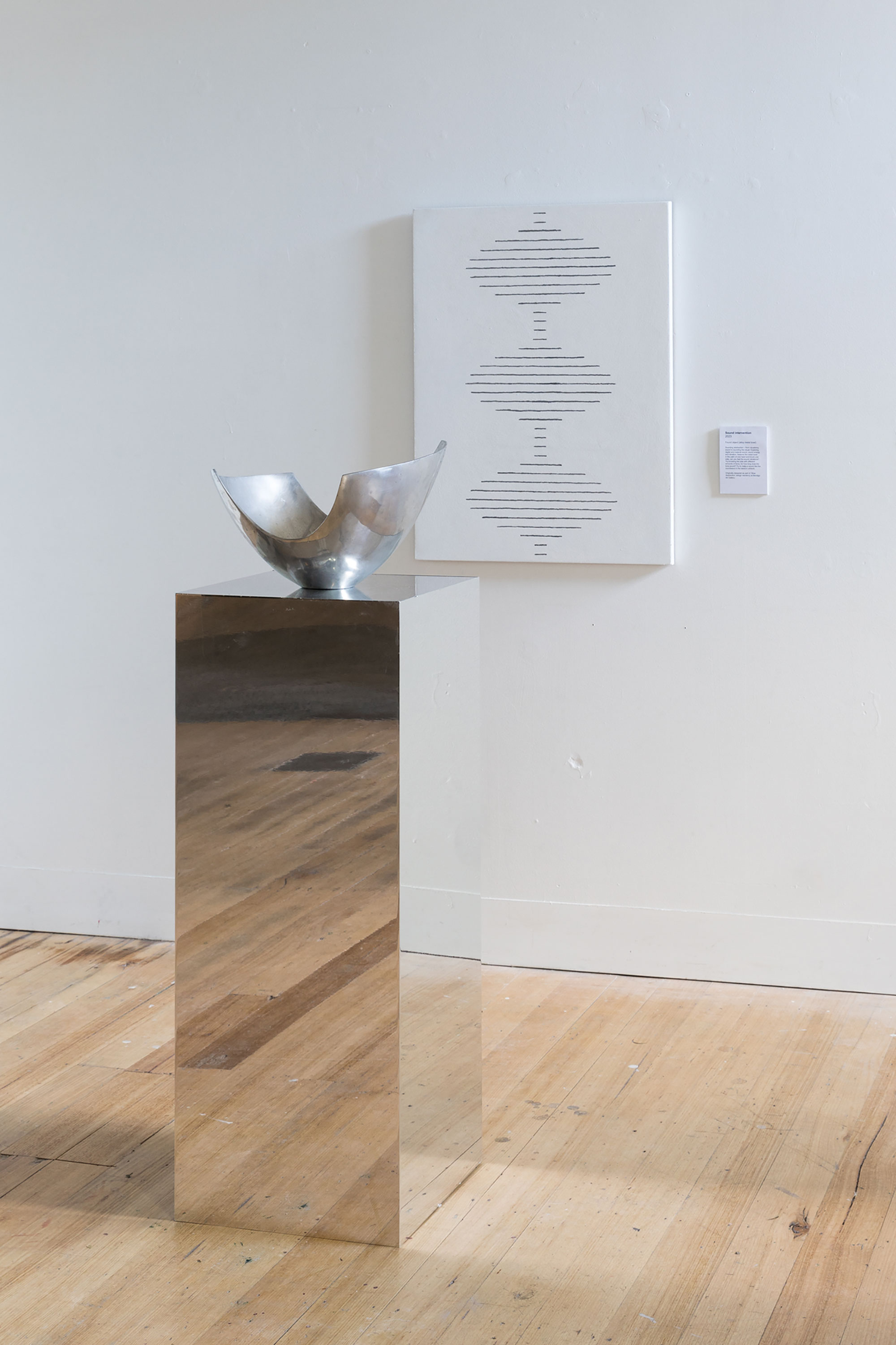
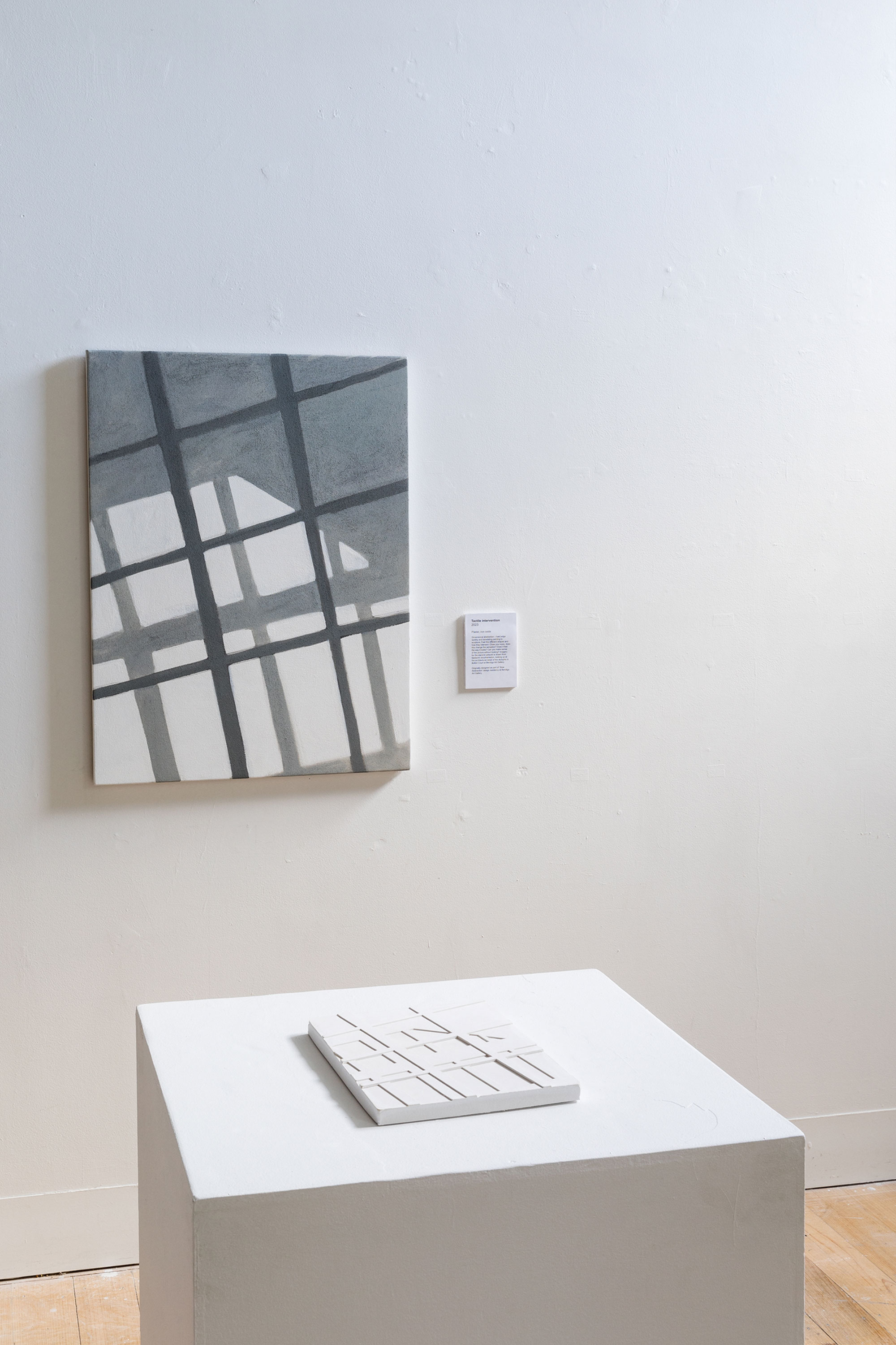
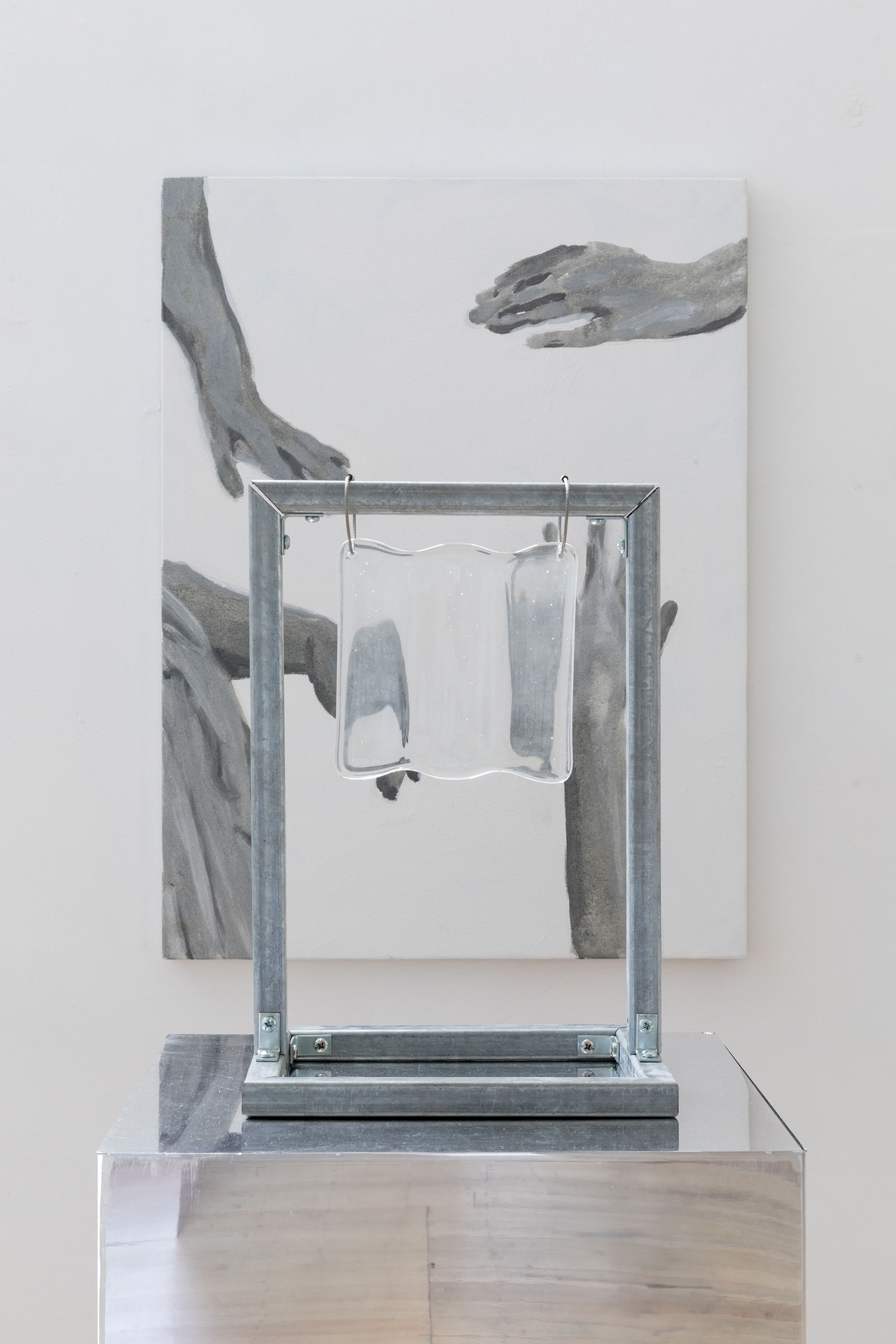
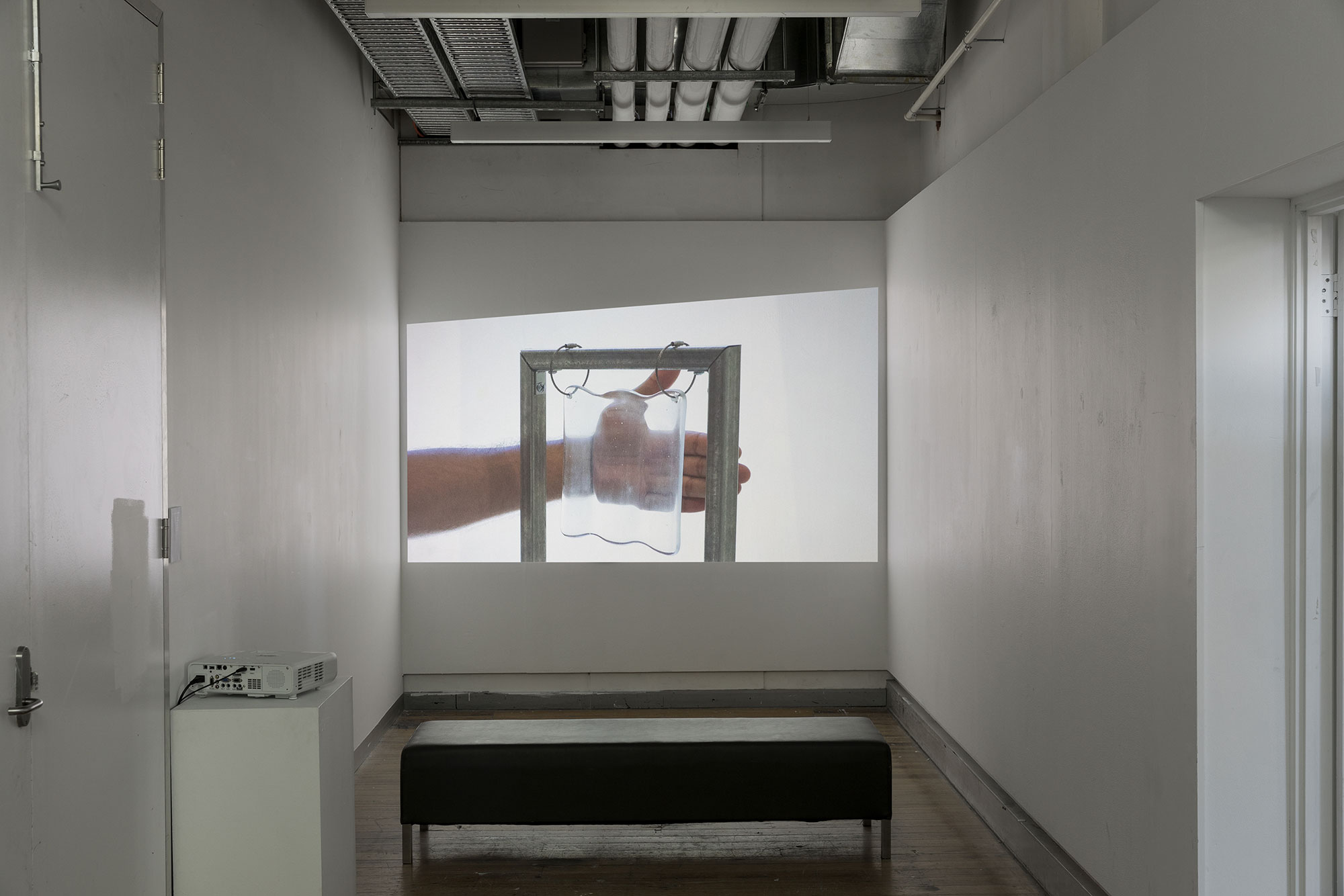
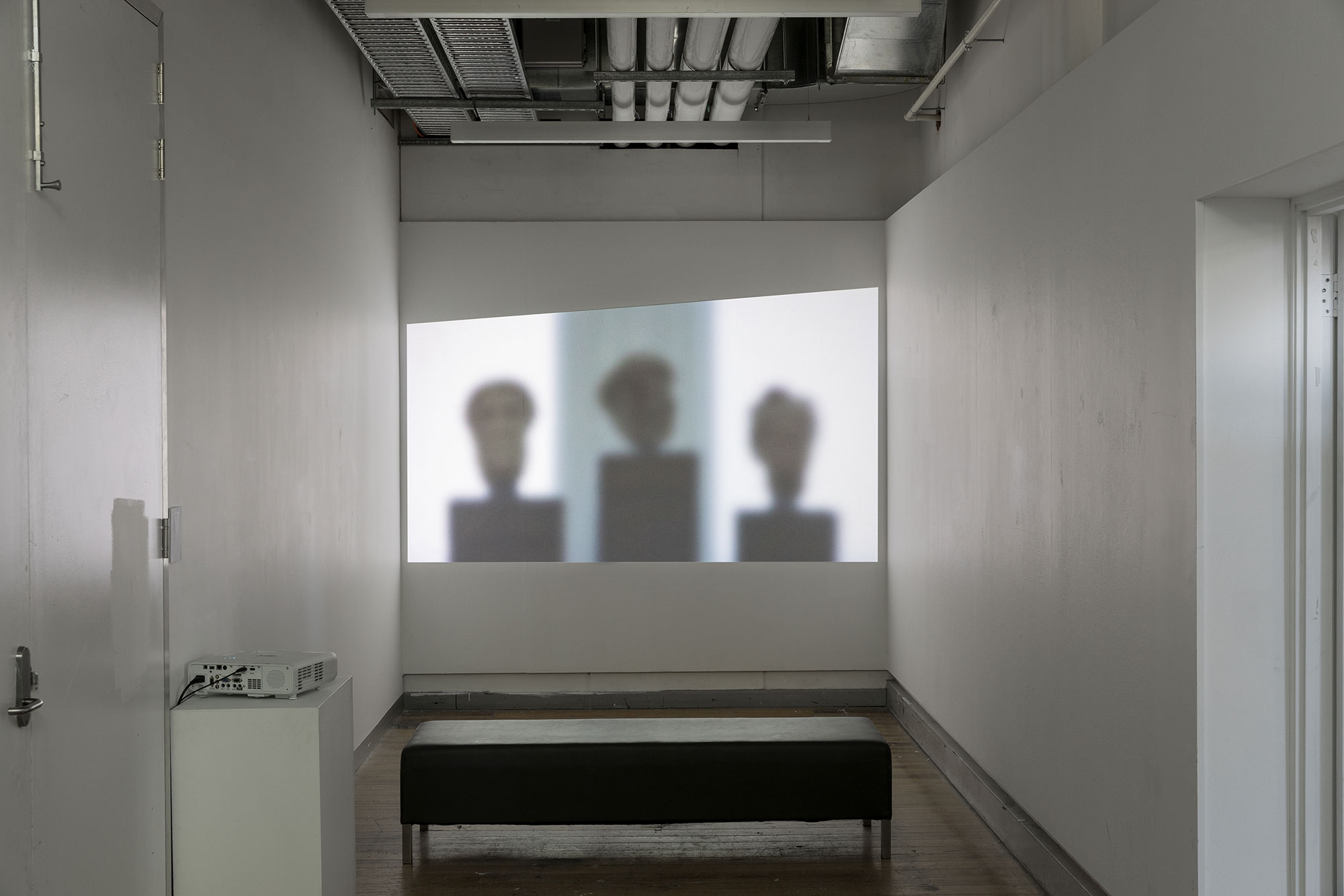
The next space is the main gallery, here you are invited to engage with four sensory design interventions produced as part of projects at BAG. As documented in the thesis, these interventions were originally designed in relation to exhibitions and artworks on display at BAG. Because the experience cannot be exactly replicated the interventions have been recontextualised for this PhD exhibition, involving the creation of stand-in artworks inspired by a design residency project at BAG. The intention is not only to demonstrate the relationship between intervention and artwork but also to demonstrate transferability of the design concepts, further highlighting their potential for ongoing development in museums. In doing so the research documentation is also elevated to a position in the main gallery.
The third space, in between the main gallery and the final studio space, is designed for contemplation. Here you are invited to make a cup of tea, read printed copies of the thesis, pause and reflect.
In the second room and final space, you are invited to explore the exhibition as a ‘design practitioner- researcher’. This studio space looks behind the scenes at the design process for the practice-based PhD, presenting documentation of studio experimentation and fieldwork.
Exhibition photography: Andrew Curtis
Acknowledgements
I would like to acknowledge the Boon Wurrung and Bunurong people of the Kulin Nation as the Traditional Custodians of Country on which this exhibition takes place. I would also like to acknowledge the Dja Dja Wurrung people as the Custodians of Country on which Bendigo Art Gallery is located and where the majority of fieldwork took place. I recognise their continuing connection to land, waters and culture and pay respect to their Elders past, present and emerging as custodians of deep knowledge and carers of Country. As the oldest continuing living culture that has engaged with creative practice and cared for Country for more than 60,000 years, there is much to learn about slowness and care from Indigenous ways of knowing and being.
There are many people to thank for their contributions and support of this research – to my supervisors, Vince Dziekan, Matt Butler and Melisa Duque thank you for your care, attention and guidance throughout this project. My sincere gratitude to the ‘Inclusive Gallery Experiences’ project team, the staff and visitors at Bendigo Art Gallery and a special mention to Leona Holloway for helping to make this exhibition guide accessible. To Ross Parry and all in the School of Museum Studies at the University of Leicester thank you for hosting me as a guest researcher. With thanks to Melanie Flynn and the MADA technical team for your support in organising this exhibition. Finally but importantly, I am eternally grateful to my friends and family for your interest, enthusiasm and support throughout.
Event Details
- Date:
- 18 September 2024 at 10:00 am – 21 September 2024 at 4:00 pm
- Venue:
- MADA Gallery, Building D, Caulfield campus
- Categories:
- Fine Art; Gallery / Exhibition; Gallery: MADA Gallery
Description
The exhibition ‘Assemblages of care – slow sensibilities for design in museums’ presents research from Jenna Hall’s PhD candidature. This practice-based research explores the relationship between slowness and care in museums, examining the social, material, and spatial dimensions of care in museums through design.
Through a series of projects in museum and gallery spaces, the research asks how slowness contributes to social care in the museum, and what implications this has for designing museum experiences. By building on the principles of slow design and responding to social issues in museums, the research is significant in its contribution to laying the groundwork for ‘slow museum design’ and the emerging field of ‘care-ful museology’.
Designed as a slow experience, visitors are encouraged to take their time through the exhibition utilising in-between spaces to pause and reflect. Works presented include design interventions produced at Bendigo Art Gallery (BAG), as well as studio and fieldwork documentation, including observations from a research trip to the UK.
The exhibition is designed across two rooms, within which there are four different spaces. In the first room, you are invited to explore the exhibition as a ‘visitor’. The first space you are welcomed into is the ‘museum threshold’ (entrance space) where you can take a moment to orient yourself by engaging with a tactile map of the exhibition spaces and reading this exhibition guide.
The next space is the main gallery, here you are invited to engage with four sensory design interventions produced as part of projects at BAG. As documented in the thesis, these interventions were originally designed in relation to exhibitions and artworks on display at BAG. Because the experience cannot be exactly replicated the interventions have been recontextualised for this PhD exhibition, involving the creation of stand-in artworks inspired by a design residency project at BAG. The intention is not only to demonstrate the relationship between intervention and artwork but also to demonstrate transferability of the design concepts, further highlighting their potential for ongoing development in museums. In doing so the research documentation is also elevated to a position in the main gallery.
The third space, in between the main gallery and the final studio space, is designed for contemplation. Here you are invited to make a cup of tea, read printed copies of the thesis, pause and reflect.
In the second room and final space, you are invited to explore the exhibition as a ‘design practitioner- researcher’. This studio space looks behind the scenes at the design process for the practice-based PhD, presenting documentation of studio experimentation and fieldwork.
Exhibition photography: Andrew Curtis
Acknowledgements
I would like to acknowledge the Boon Wurrung and Bunurong people of the Kulin Nation as the Traditional Custodians of Country on which this exhibition takes place. I would also like to acknowledge the Dja Dja Wurrung people as the Custodians of Country on which Bendigo Art Gallery is located and where the majority of fieldwork took place. I recognise their continuing connection to land, waters and culture and pay respect to their Elders past, present and emerging as custodians of deep knowledge and carers of Country. As the oldest continuing living culture that has engaged with creative practice and cared for Country for more than 60,000 years, there is much to learn about slowness and care from Indigenous ways of knowing and being.
There are many people to thank for their contributions and support of this research – to my supervisors, Vince Dziekan, Matt Butler and Melisa Duque thank you for your care, attention and guidance throughout this project. My sincere gratitude to the ‘Inclusive Gallery Experiences’ project team, the staff and visitors at Bendigo Art Gallery and a special mention to Leona Holloway for helping to make this exhibition guide accessible. To Ross Parry and all in the School of Museum Studies at the University of Leicester thank you for hosting me as a guest researcher. With thanks to Melanie Flynn and the MADA technical team for your support in organising this exhibition. Finally but importantly, I am eternally grateful to my friends and family for your interest, enthusiasm and support throughout.