Breeze: NSW Pattern Book Design Competition
An adaptive architectural pattern for the design and delivery of quality and sustainable mid-rise apartments
Project team
Neeson Murcutt Neille
(Rachel Neeson, Stephen Neille, Tamas Jones, EJ Taylor, Mackensie Newton, Lilian Szumer)
Finding Infinity
(Ross Harding, Emily Foenander, Will Young, Woodrow Shmith, Jordan Cisek)
Monash Urban Lab
(Maryam Gusheh, Jacqui Alexander, Holly Board, Mel Dodd, Laura Harper, Tom Morgan, Catherine Murphy, Rebecca Roke, Louise Wright)
Sue Barnsley Design
(Sue Barnsley, Georgie Kimlin, Nick Goundar).
Undertaken within
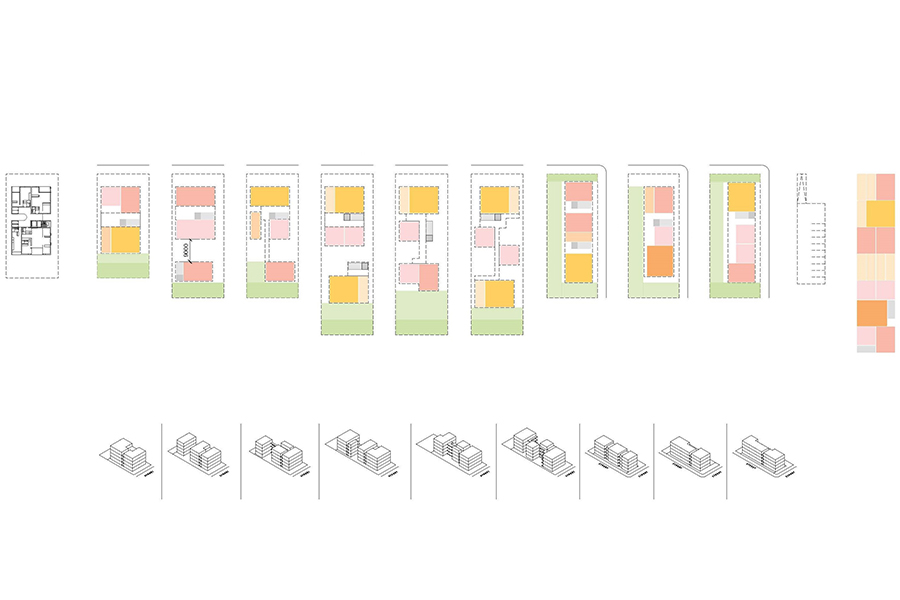
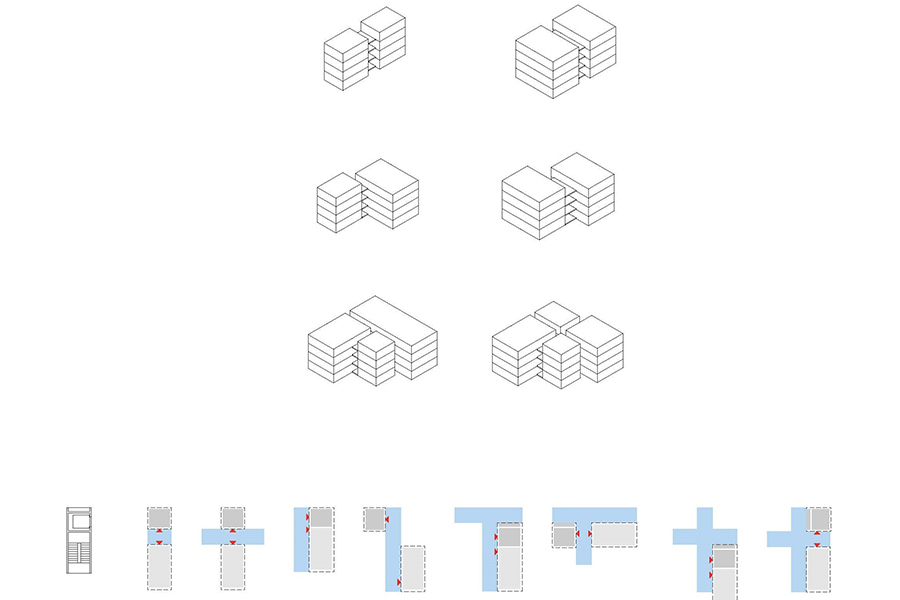
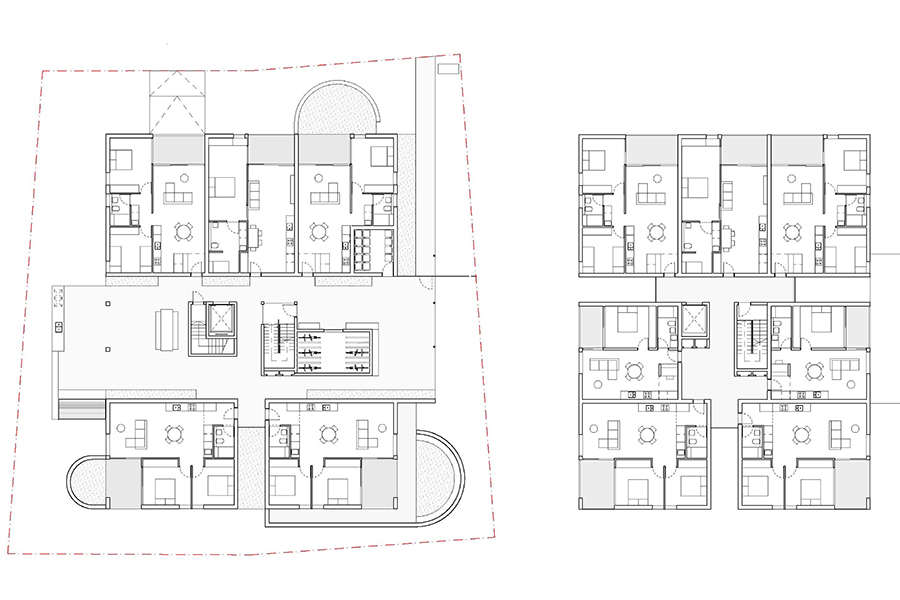
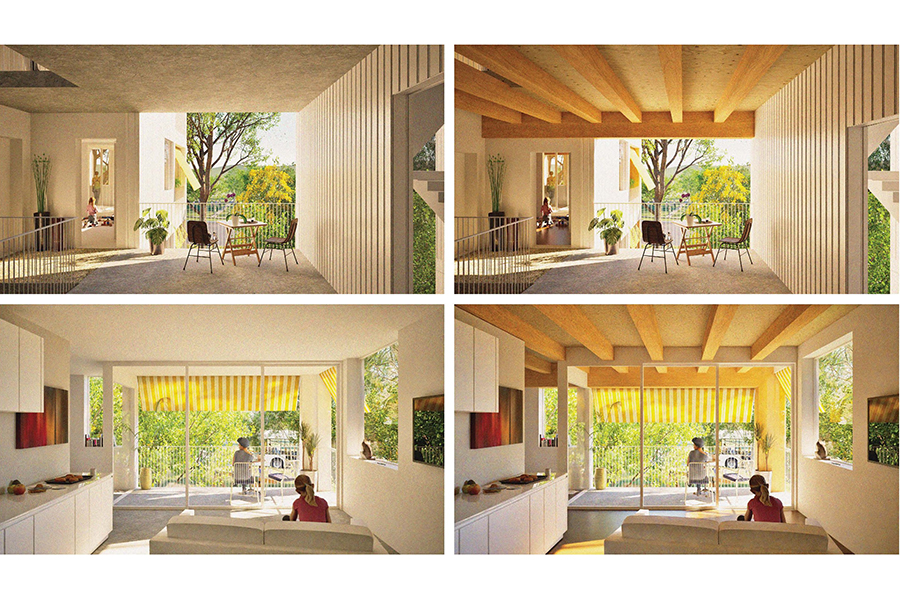
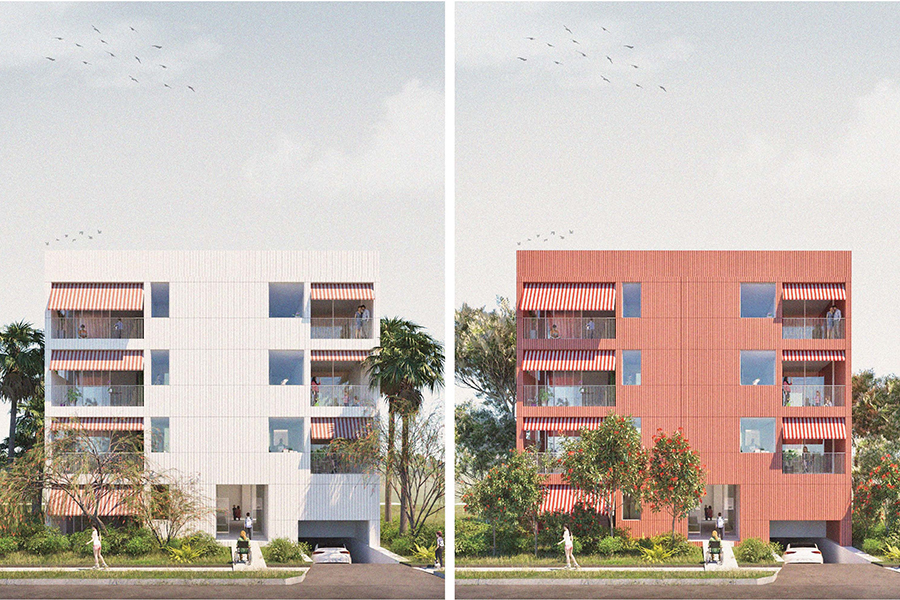
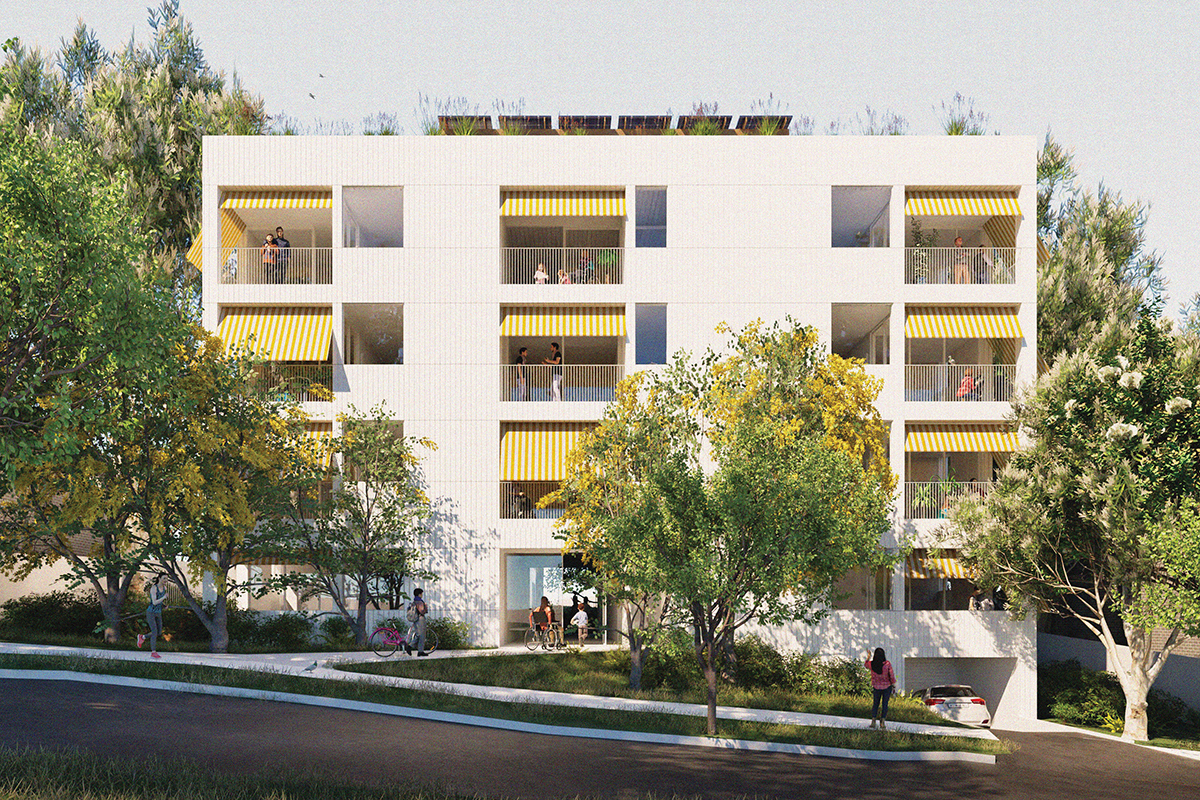
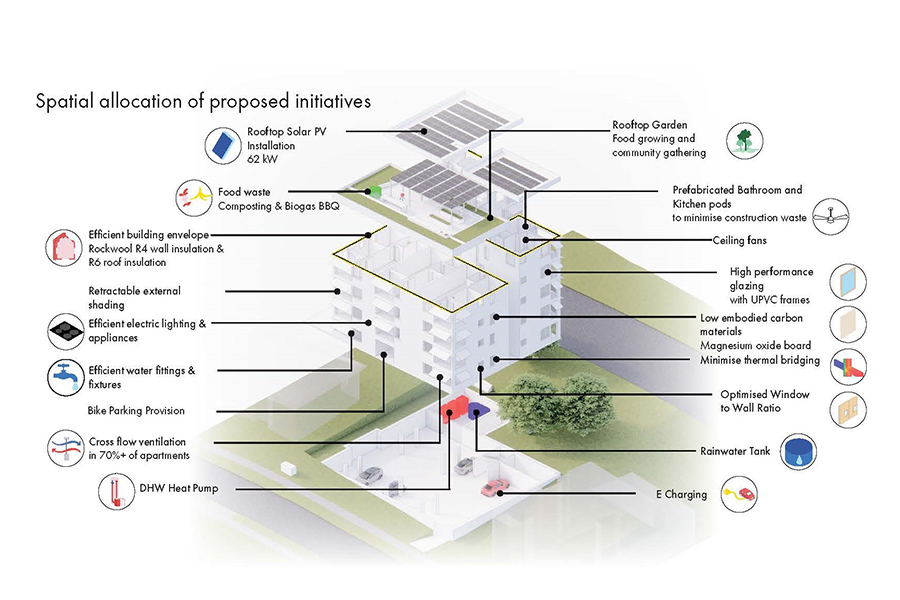
Breeze is an awarded entry into the NSW Pattern Book Design Competition, with the aim to support the supply of affordable housing through well-designed mid-rise apartment types that enhance the character and greenery of our suburbs. Our working process began by reflecting on the existing value and quality of our suburban settings. The enduring structure of the suburbs is expressed in the public realm –particularly in our streets and tree filled parks. These primary elements, that provide collective benefit, are the fixed points of suburban fabric. In the greater interest of the suburb and its community, the public and private should be better integrated. This means that, within the suburban ensemble, buildings need to be understood as more than discrete objects, as contributors to the urban fabric by engaging with their context through generous landscaped areas and an open block form that connects to the general life of the suburb. They should encompass aspects of its history, culture, geography, structure and urban connections. With this in mind, we asked: How can we transform our suburbs in a manner that cares for the environment and its diverse communities? How can we work intelligently with the rules and logic of urban housing and translate these into thriving environments where people lead healthy lives? How can housing reflect and accommodate the cultural and demographic diversity of its residents? How can we learn from First Nations people who have “deep understanding of the interconnectedness of all living things, and a commitment to building a more equitable world for generations to come? We grappled with these questions through a collaborative and research-led design process and communicated our response through a site specific design as well as a housing model that is adaptable to a variety of contextual parameters: site, scale material systems, and regulatory context.