Projects

The Urban Lab uses practice-based design research, including design and planning studios, to tackle challenges in social, economic, cultural and community contexts.

We employ integrative analysis, a methodology for synthesising material across disciplines and knowledge sets, to maximise the value and reach of our work by drawing on general principles from our research projects. These principles, which can be replicated and applied in future projects, are also used in comparative research to create historical and contemporary case studies to illuminate possibilities to clients.

Our core strength is in design research, where we prototype and test new typologies and models in the real world. We do this by using a co-design approach where community representatives participate in design discussions and contribute to the design of spaces and places. This approach is applied at different scales of activity across buildings and cities, individuals and local communities, businesses and civic networks.
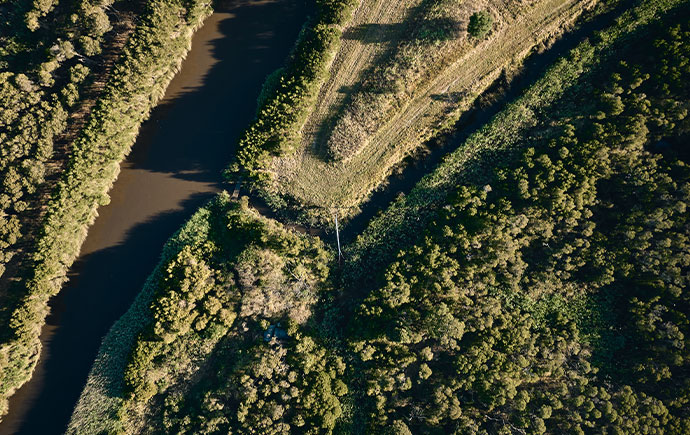
Swampworks
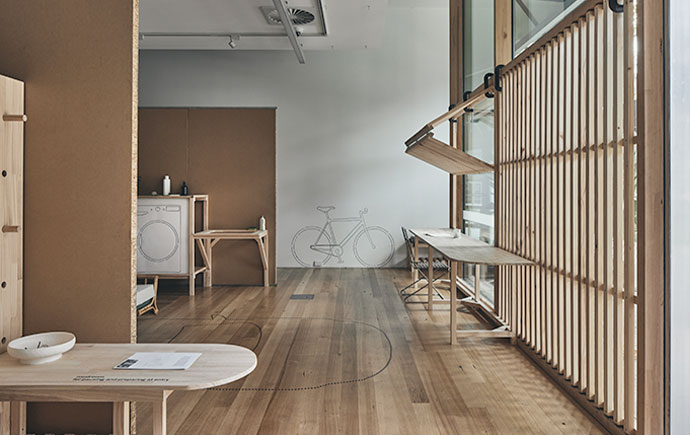
Ground Melbourne presents built and unbuilt architectural, landscape and urban projects through the lens of their present ground conditions.

RetroFit Kit

This project aims to increase the volume and supply of dignified and inclusive homes for people with disability through design-enabled strategies.

Milan Triennale 2025

Australian participation in the 24th Triennale Milano International Exhibition, 2025 Inequalities with the theme Land Use Inequalities curated by Monash Urban Lab and Baracco+Wright Architects

Ground Melbourne

Ground Melbourne presents built and unbuilt architectural, landscape and urban projects through the lens of their present ground conditions.

Adaptable Housing for People with Disability
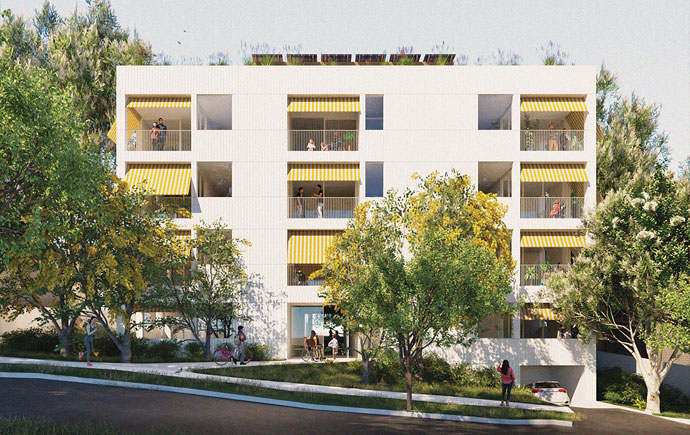
Demonstrating how dwellings can be creatively designed and modified to adapt to people’s changing needs and circumstances.

Breeze: NSW Pattern Book Design Competition
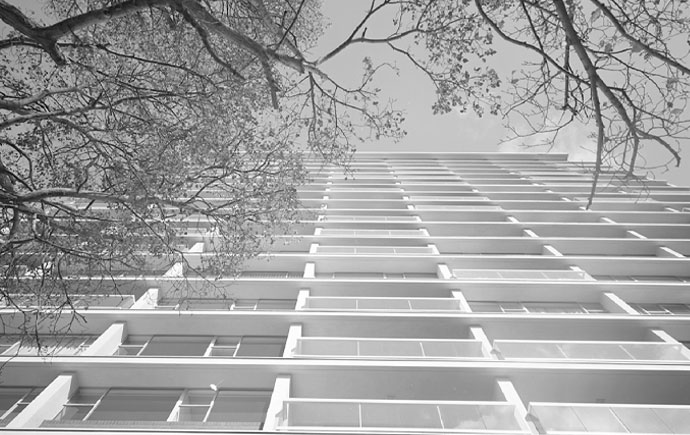
Australian participation in the 24th Triennale Milano International Exhibition, 2025 Inequalities with the theme Land Use Inequalities curated by Monash Urban Lab and Baracco+Wright Architects

Housing Atlas

Australian participation in the 24th Triennale Milano International Exhibition, 2025 Inequalities with the theme Land Use Inequalities curated by Monash Urban Lab and Baracco+Wright Architects

Re-City

Re-City exhibits a curated type of mapping that digitally spatialises and layers multiple knowledge bases.

Reimaging Where We Live

Monash Urban Lab and others take first place in Australian Government’s Department of Health and Aged Care competition

Mapping Common Housing Types in NSW

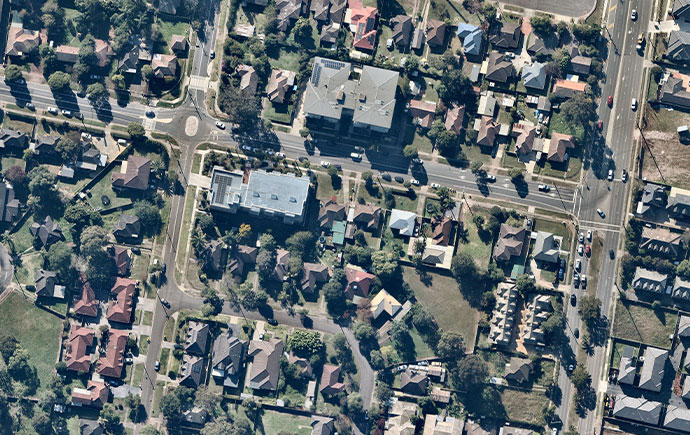
Reaching out from Monash to Sydney, we traced and investigated the common house types that proliferate across metropolitan Sydney, in order to consider their potential for at-scale retrofitting.

Measuring the benefits of reuse in the circular economy
Developing insights relating to reuse commodity chains, their societal benefits and contributions to nurture a more future-forward inclusive, circular economy.

Homes NSW

Monash researchers play key role in A$4 million Homes NSW project.

baanytaageek: Great Swamp Fragments

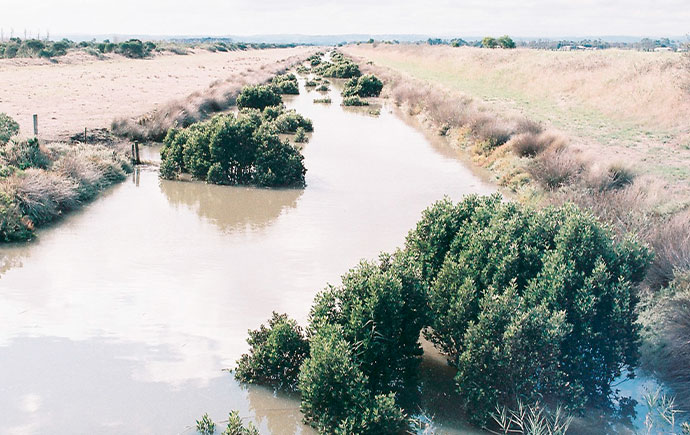
An exhibition presented as part of the collaborative research project baanytaageek: Great Swamp Regenerative Park

Place, Attachment and Urban Change

This research examines how residents understand, respond to, and engage with urban change, particularly in the context of urban densification and planning reform. It focuses on the social, emotional and cognitive dimensions of community responses that are often overlooked in policy and planning debates.

20-Minute Neighbourhoods: Living Locally Research Project

Creating 20-minute resilient neighbourhoods and building community connectedness in Melbourne’s outersuburban growth areas.

Evaluation and learning in public housing urban renewal

Analysing how evaluation and learning from public housing urban renewal informs current policy and delivery.

Net zero precincts: Citizen data commons and technological sovereignty

Engaging users of Net Zero Precincts to have a say on the privacy of their data.

The Rightsize Service

Increasing housing density and diversity through DIY development activity.

Triabunna Tomorrow

An ongoing post-industrial urban revitalisation project on Tasmania’s east coast.

Industrial Revolution

An evidence-based framework for capturing the tacit + future values of Melbourne’s ‘National Employment and Innovation Clusters’.

Infrastructure Governance Incubator: From Strategic Planning to Project Delivery

Developing a governance model to build connections between infrastructure planning and strategic urban planning.

Navigating Economic Uncertainty in Post-Covid Cities

Assisting policymakers in assessing the risk of employment vulnerability as the impacts of Covid-19 evolve.

Urban Policy and Cultural Production

International research around the changing dynamics among the creative industries and urban manufacturing.

Water Sensitive Cities: Integrated Urban and Water Planning

Exploring how urban development can achieve water sensitive outcomes through planning at a range of scales.

Water sensitive outcomes for infill developments

Developing a tested catalogue of typologies for new infill development.

Remaking post-industrial plans: urban industrial zoning past and future

Examining the complex, changing functions and roles of urban industrial land

Australia’s new cities: past, present and future

Examining the history, current state, and future prospects of purpose-built and strategically planned new cities in Australia.

Benchmarking data for housing research

Sourcing a new ‘big dataset’ to identify, visualise, and monitor informal housing practices in Australia.

CoDev Townhouse Model

Enhancing the quality and viability of townhouse redevelopment on small lots.

Exploring community participation with the Melbourne digital city model

Investigating how a dynamic visualisation platform can help to better inform and enable our community to participate in city planning.

JIBE: Joining Impact models of transport with spatial measures of the Built Environment

Reducing non-communicable diseases and health inequities for English city regions and Melbourne.

Reformulating the Movement and Place framework

Making the urban environment safer and more liveable.

The long-term effects of autonomous cars on land use, access and travel

Modelling autonomous vehicle-induced urban growth and inform land use based policy measures to minimise their effects on transportation.

Unlocking Shared Mobility

Assessing the potential, opportunities and challenges facing cities in regard to shared mobility, in particular free-floating car sharing (FFCS) and its related parking issues.

iHUB

A smart urban research-synthesis-engagement platform for decision making.

From mixed tenure development to mixed tenure neighbourhoods

Demonstrating how mixed tenure dwelling design can enhance outcomes for individuals, neighbours and the community more broadly.

Infill Design

Promoting better quality apartment living in the middle suburbs

Habitat 21: Adaptable House

Flexible design as home owners’ needs change.

Infill Opportunities

Improving small-scale residential infill development in Melbourne's middle suburbs.

Liveable Compact Cities Project

Principles for designing sustainable medium density infill housing for subtropical South-East Queensland.

Rethinking Design’s Contribution to Assisted Living Environments

Stage One: Best Practice Discussion Paper

Revitalising Central Dandenong

Exploring the kinds of mixed-buildings that might work in Central Dandenong.

Urban Intensification & Green Infrastructure: Towards a Water Sensitive City

Striving for the highest sustainability standards makes sense environmentally and economically.

Designing Affordable, Sustainable Housing (DASH)

High-quality, innovative architecture and urban design provides great living places.

Intensifying Places: Transit-Oriented Urban Design for Resilient Cities

Investigating how design research approaches can contribute to guiding the intensification of Australian cities.

Redcliffe Connect and Urban Renewal

Testing a diversity of low- and medium-rise dwelling models for precinct-scaled infill redevelopment.

Global Buildings Performance Network (GBPN)

Monash partnering to develop policy strategies for decarbonising the buildings sector in India and Southeast Asia.