
Milan Triennale 2025
Australian participation in the 24th Triennale Milano International Exhibition, 2025 Inequalities with the theme Land Use Inequalities curated by Monash Urban Lab and Baracco+Wright Architects
Project team
Dr Louise Wright
Mauro Baracco
Catherine Murphy
Nigel Bertram
with assistance from
Qing Yu and Nicole Formaran
Exhibition Design
Baracco+Wright Architects
Video
Eugene Perepletchikov
Graphic Design
Ziga Testen
Undertaken within
Held every three years, the Triennale Milano features a series of exhibitions, special projects and public programs, bringing together art, design, architecture, collectives, cultural institutions, museums and research institutes from around the world.
This edition’s theme, Inequalities, explored the growing inequalities in cities and the contemporary world.
Monash Urban Lab in collaboration with Baracco+Wright Architects curated the Australian participation with the theme Land Use Inequality focussing on the city of Melbourne. Since colonial settlement of Melbourne, Australia in 1835 the use of First Nations’ unceded land for low-rise housing has created a vast metropolitan footprint creating inequalities with the species, ecological systems and First Nations people’s cultural connection to place.
Australia has some of the least densely populated cities in the world and the biggest houses. Melbourne is Australia’s least dense but most populous city: 5.2 million people spread over 10,000km2 and 90km across its extent. In recent years, a significant population increase, tax policies and inflation have led a housing supply and affordability crisis.
To address this crisis, large supplies of land are rezoned on the city’s edge for low-rise housing that can be delivered quickly. These lands hold ecological values essential for the life of vegetation, animals, birds and insects endemic to Australia and some under threat of extinction. Yet despite the critical need to protect this non-human life, inefficient land use continues.
In this exhibition through large scale video works by Eugene Perepletchikov, ‘material’ from three moments in this development pattern repeated around the fringes of Melbourne was presented: in the north construction for housing scrapes the topsoil of the Volcanic Plains Grasslands of which less than 1% remains. In the east fences, vegetation removal and domestic animals accompanying new housing disrupt the tenuous wildlife corridor of the endangered Southern Brown Bandicoot, and in the west the First Nation’s cultural landscapes of ceremonial earthen ‘Bora Rings’ are compromised by new housing estates.
In the rush to address housing inequality, the inequality of land use between species and cultures deepens.
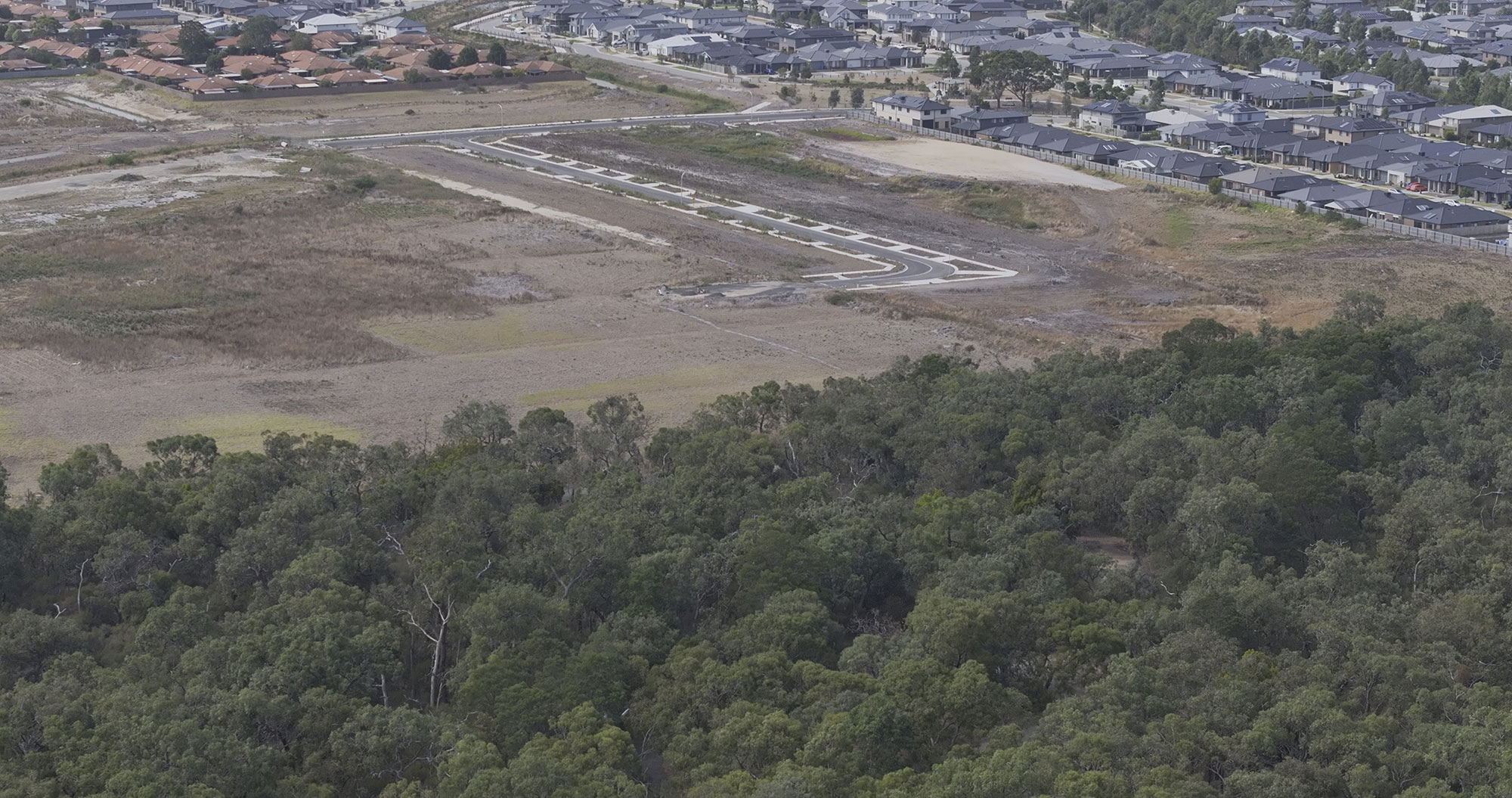 Land use inequality between species, Melbourne, Australia. The landscape of the endangered Southern Brown Bandicoot cleared and fragmented by continued development of low rise housing estates on the eastern edge of Melbourne, 2025. Photo: Still from video ‘East’ by Eugene Perepletchikov
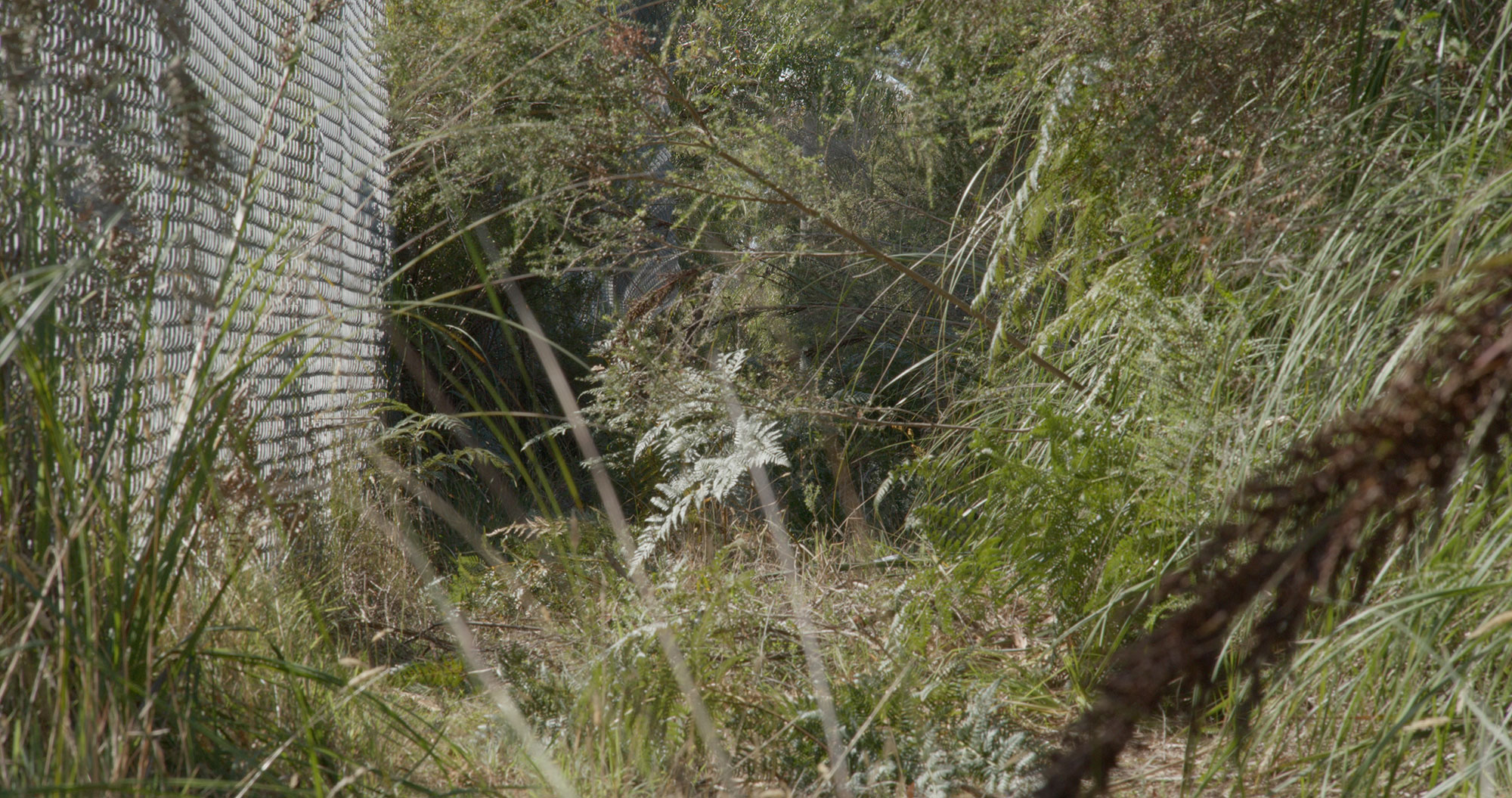 Land use inequality between species, Melbourne, Australia. The remnant bushland habitat of the endangered Southern Brown Bandicoot fenced off from continued development of low rise housing estates on the eastern edge of Melbourne, 2025. Photo: Still from video ‘East”’ by Eugene Perepletchikov
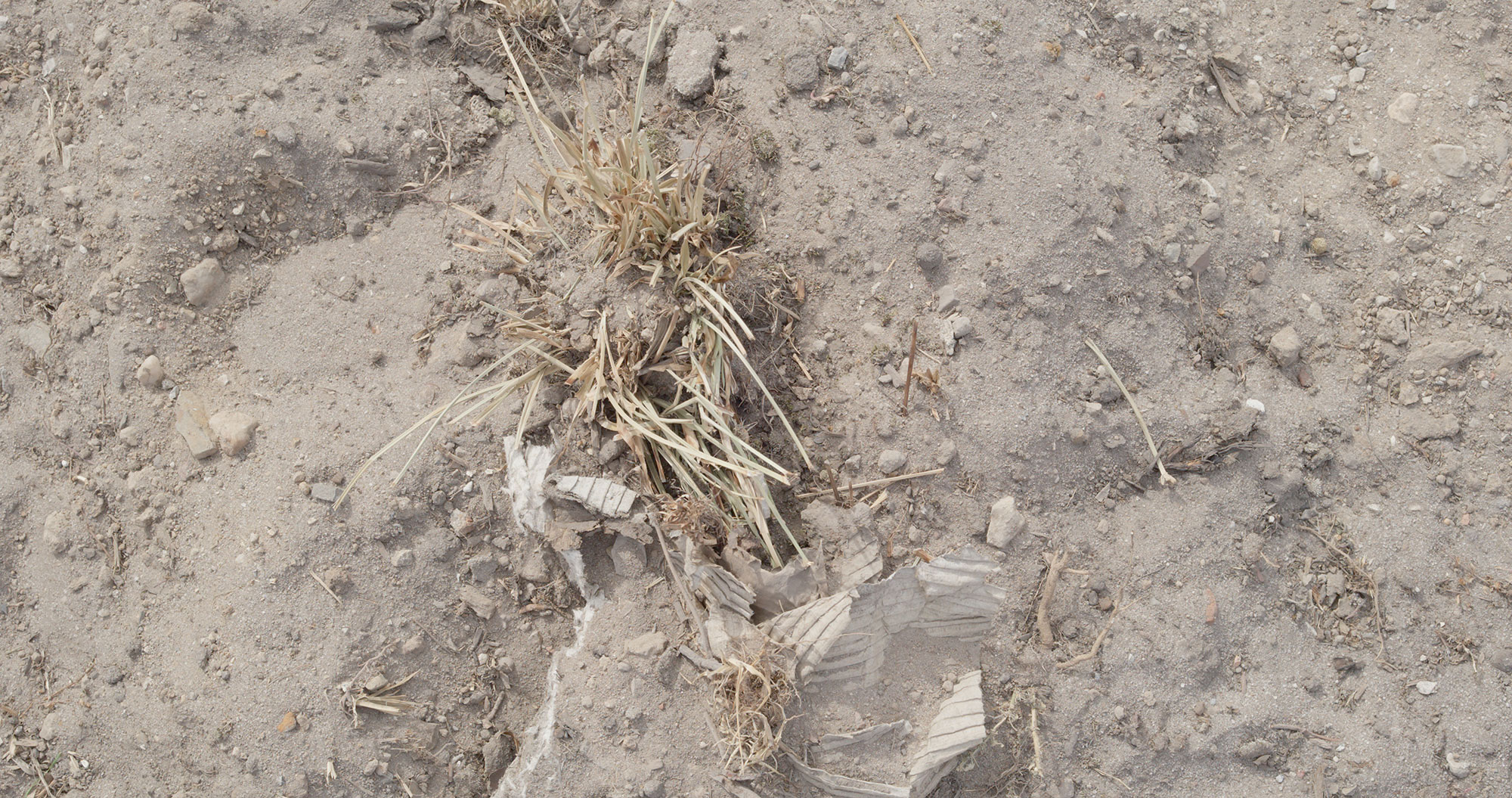 Land use inequality between species, Melbourne, Australia. The cleared landscape resulting in stripped, contaminated and degraded soil devoid of life on the eastern edge of Melbourne, 2025. Photo: Still from video ‘East’ by Eugene Perepletchikov
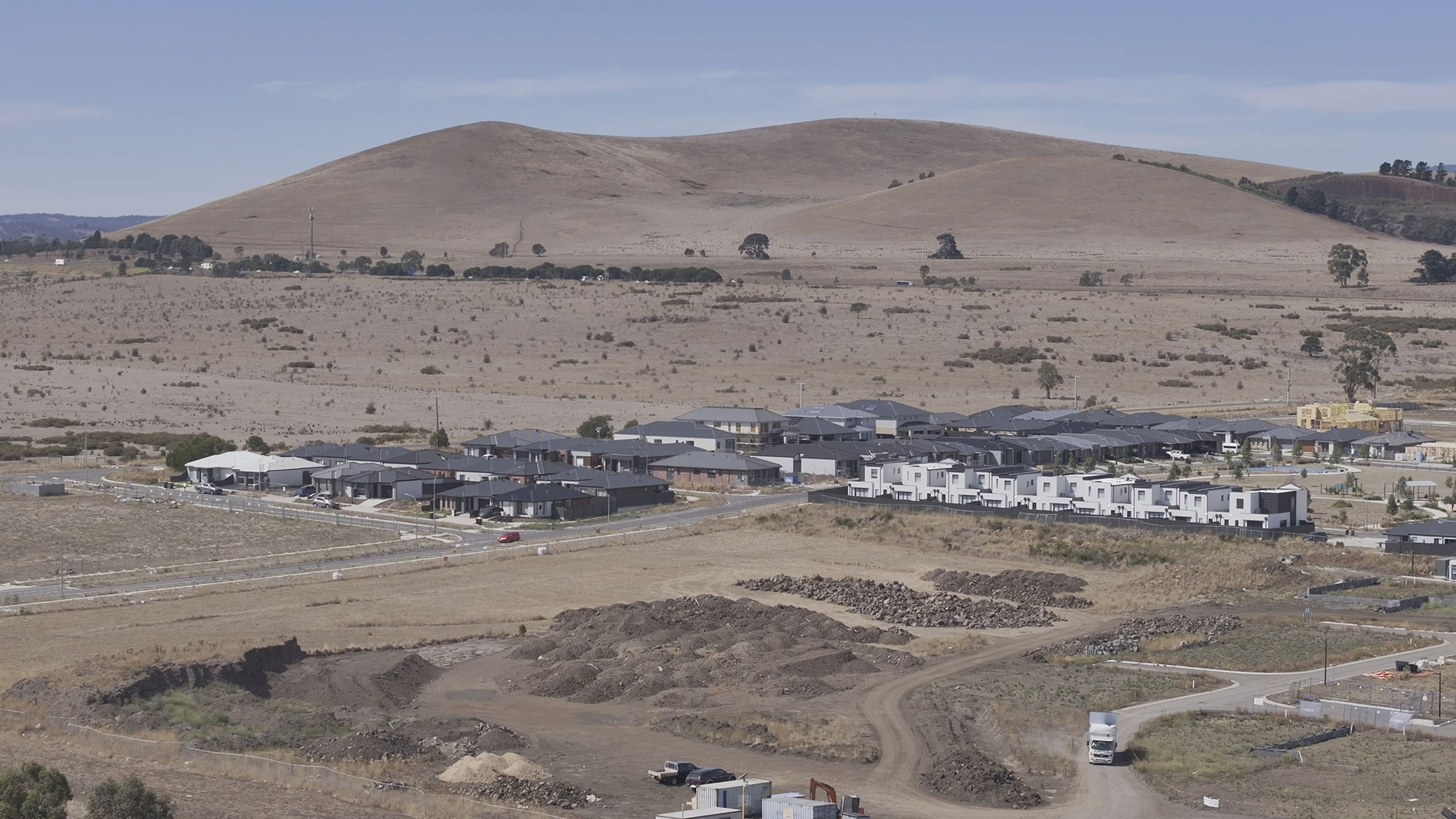 Land use inequality between species, Melbourne, Australia. The volcanic landscape of the endangered Volcanic Plains Grasslands built over by low rise housing estates on the northern edge of Melbourne, 2025. Photo: Still from video ‘North’ by Eugene Perepletchikov
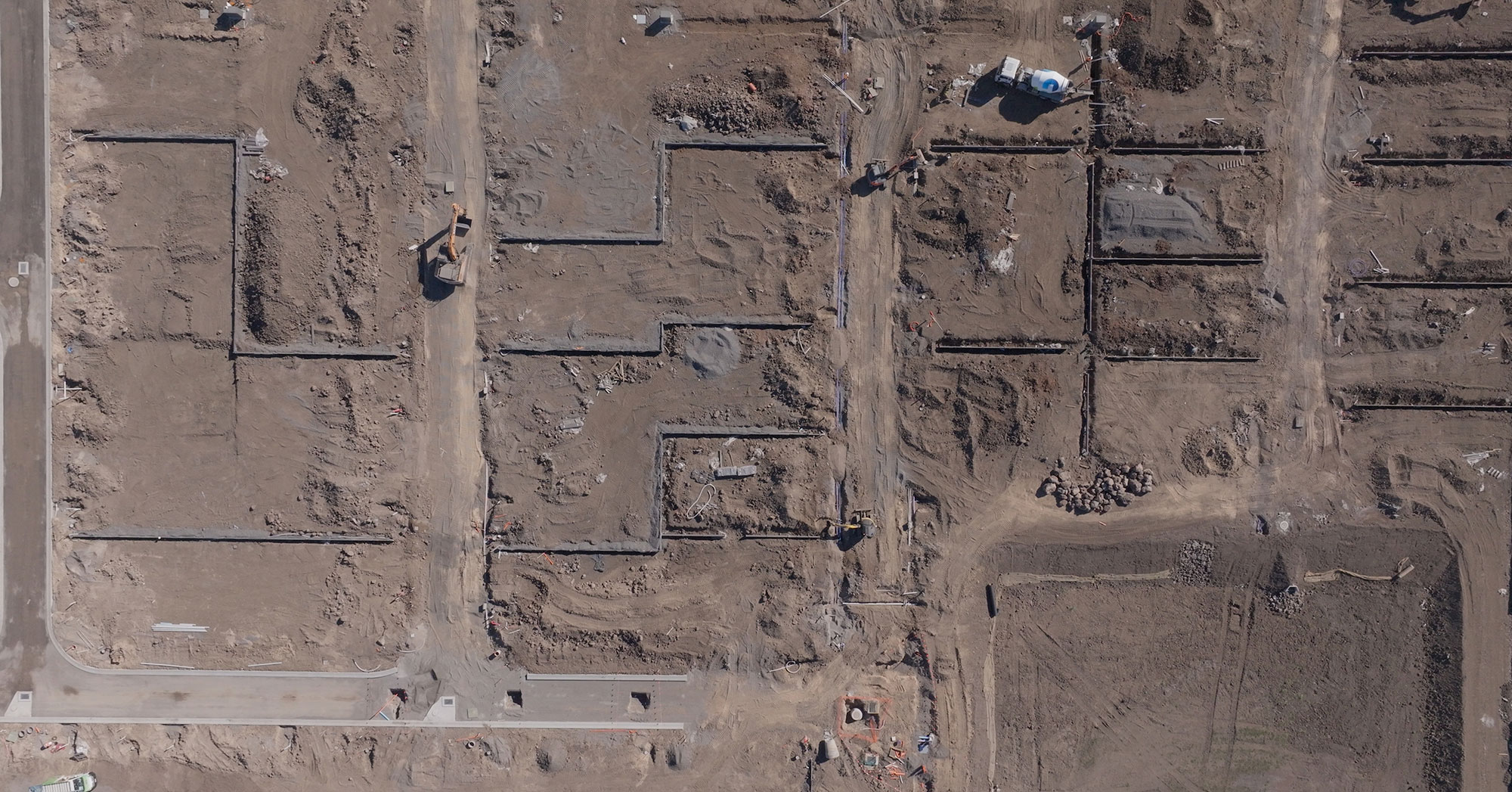 Land use inequality between species, Melbourne, Australia. The volcanic landscape of the endangered Volcanic Plains Grasslands disturbed, stripped of its topsoil and sealed over by low rise housing estates on the northern edge of Melbourne, 2025. Photo: Still from video ‘North’ by Eugene Perepletchikov
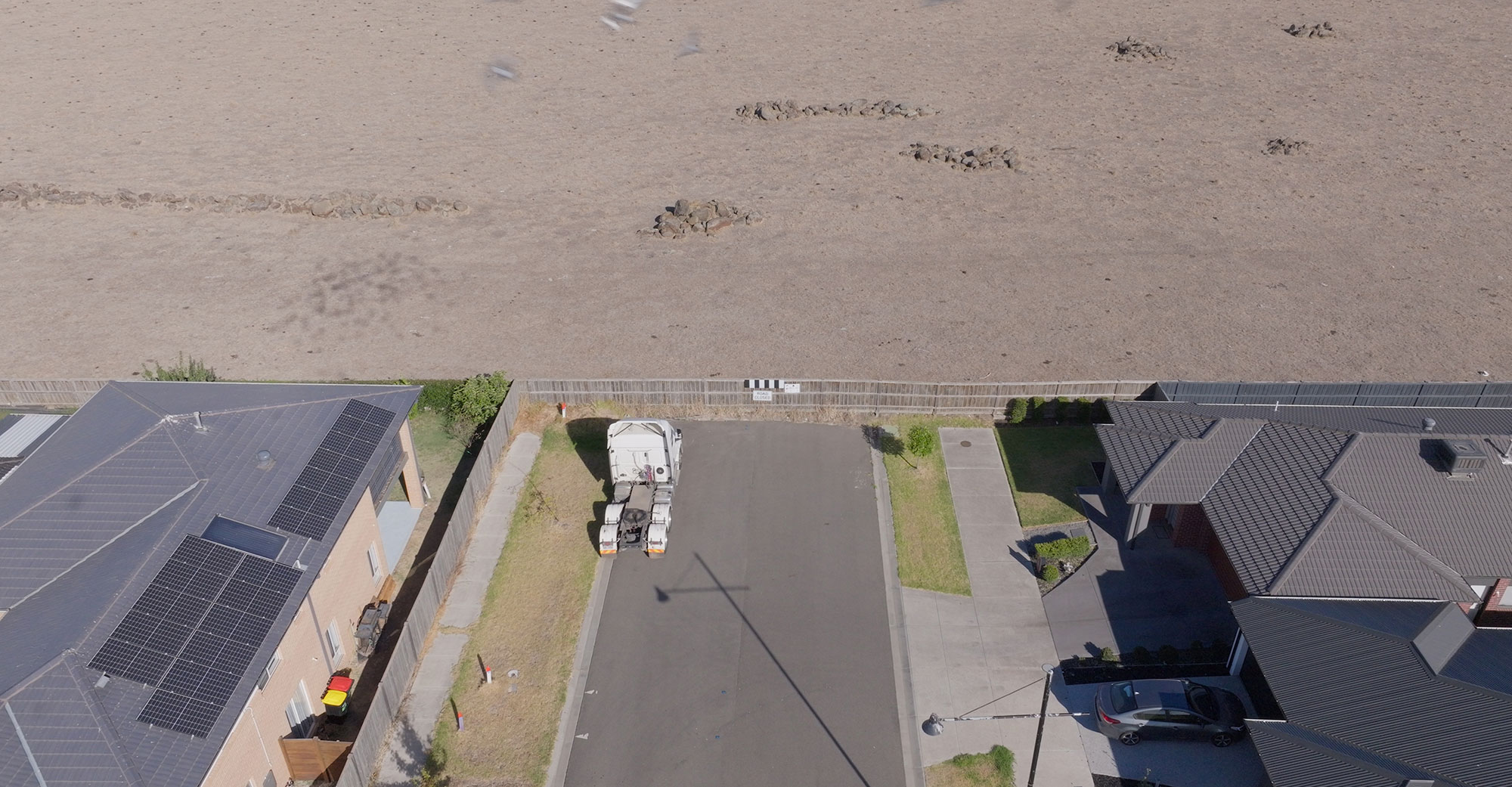 Land use inequality between species, Melbourne, Australia. The volcanic landscape of the endangered Volcanic Plains Grasslands displaced by low rise housing estates on the northern edge of Melbourne, 2025. Photo: Still from video ‘North’ by Eugene Perepletchikov
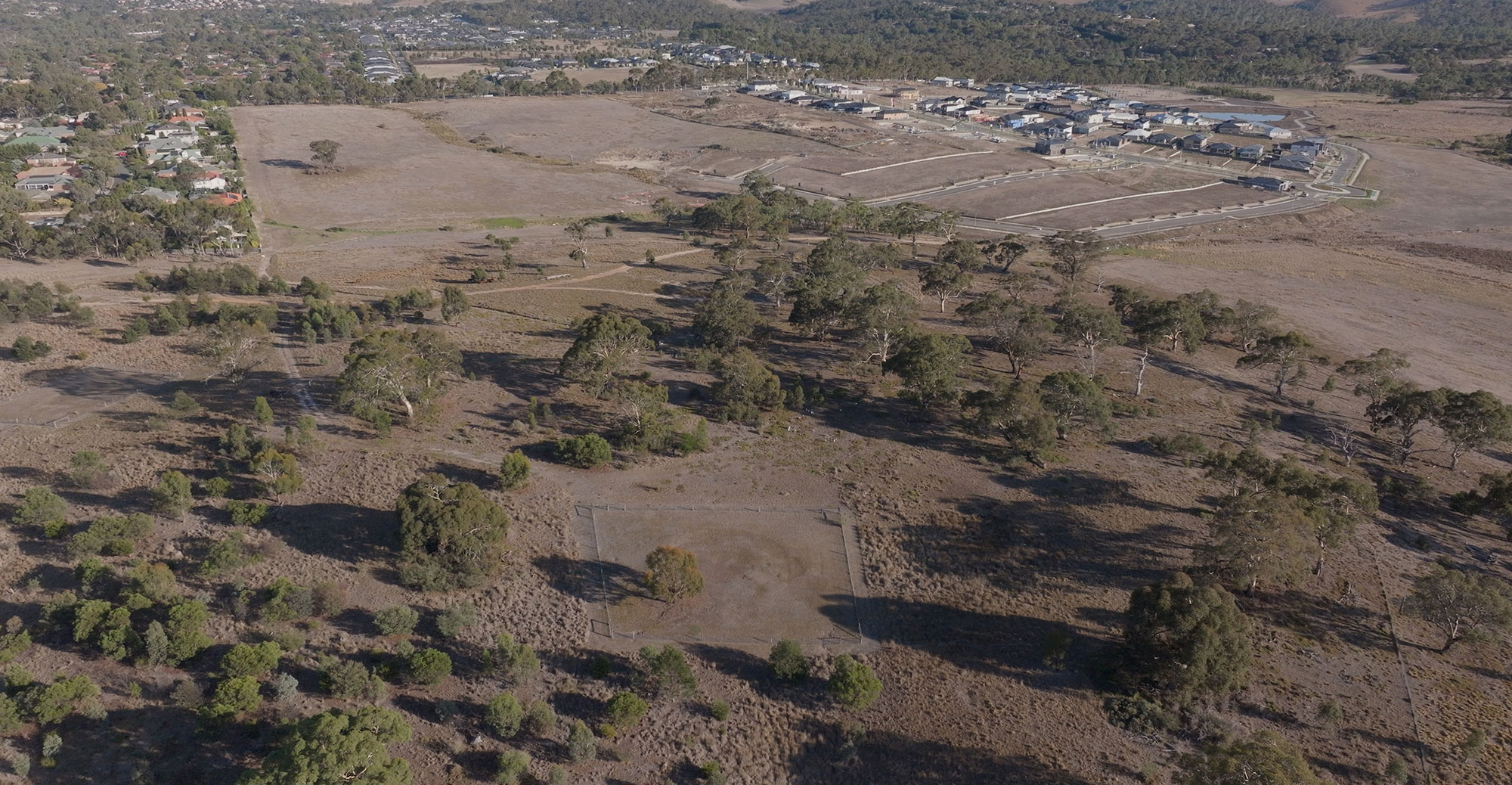 Land use inequality between cultures and species, Melbourne, Australia. The culturally significant landscape of Wurundjeri Woi wurrung homing earthen ‘Bora Rings’ impacted by low rise housing estates on the western edge of Melbourne, 2025. Photo: Still from video ‘West’ by Eugene Perepletchikov
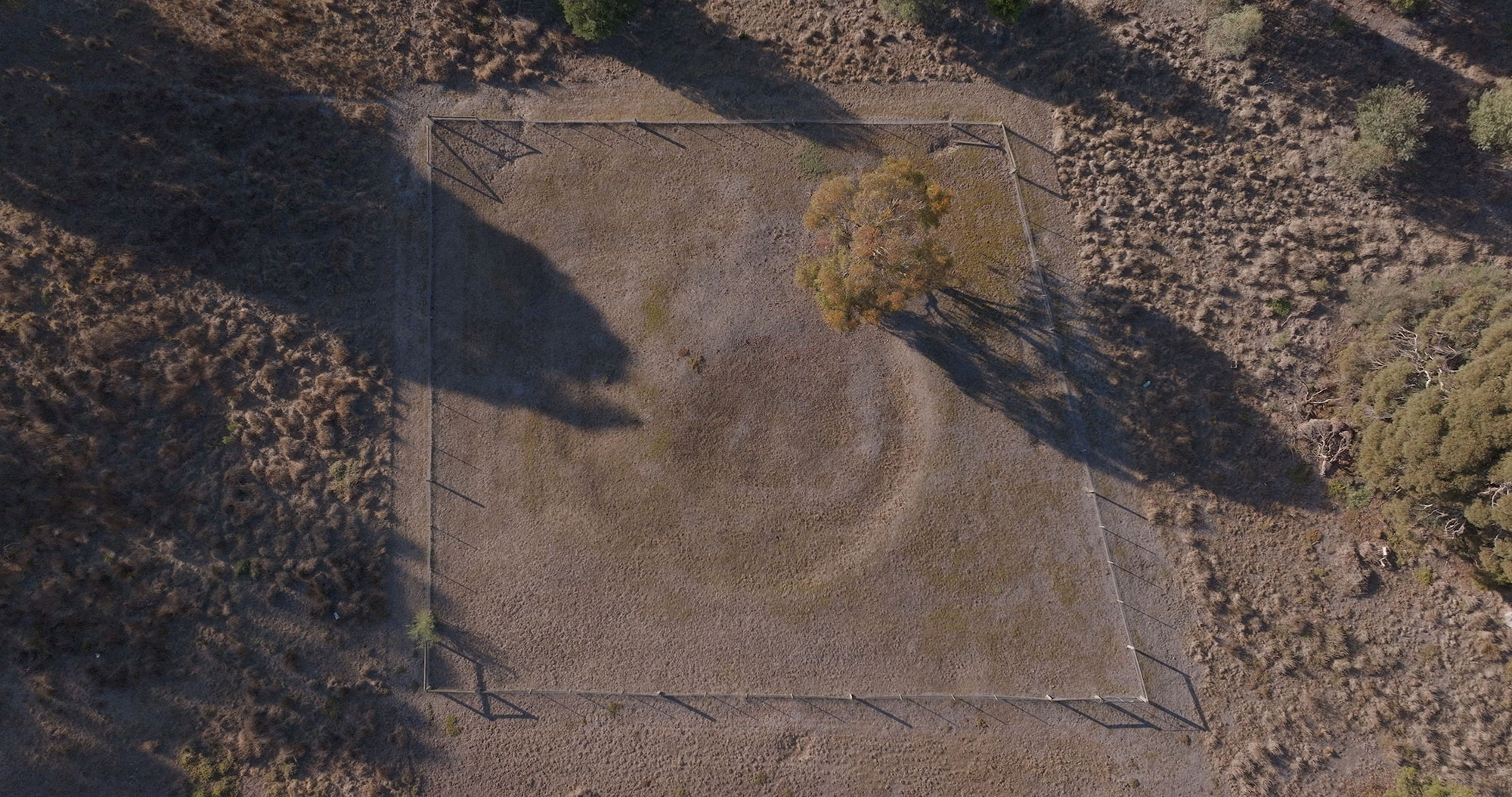 Land use inequality between cultures and species, Melbourne, Australia. The culturally significant landscape of Wurundjeri Woi wurrung homing earthen ‘Bora Rings’, part of a larger landscape on a rise on the western edge of Melbourne, 2025. Photo: Still from video ‘West’ by Eugene Perepletchikov
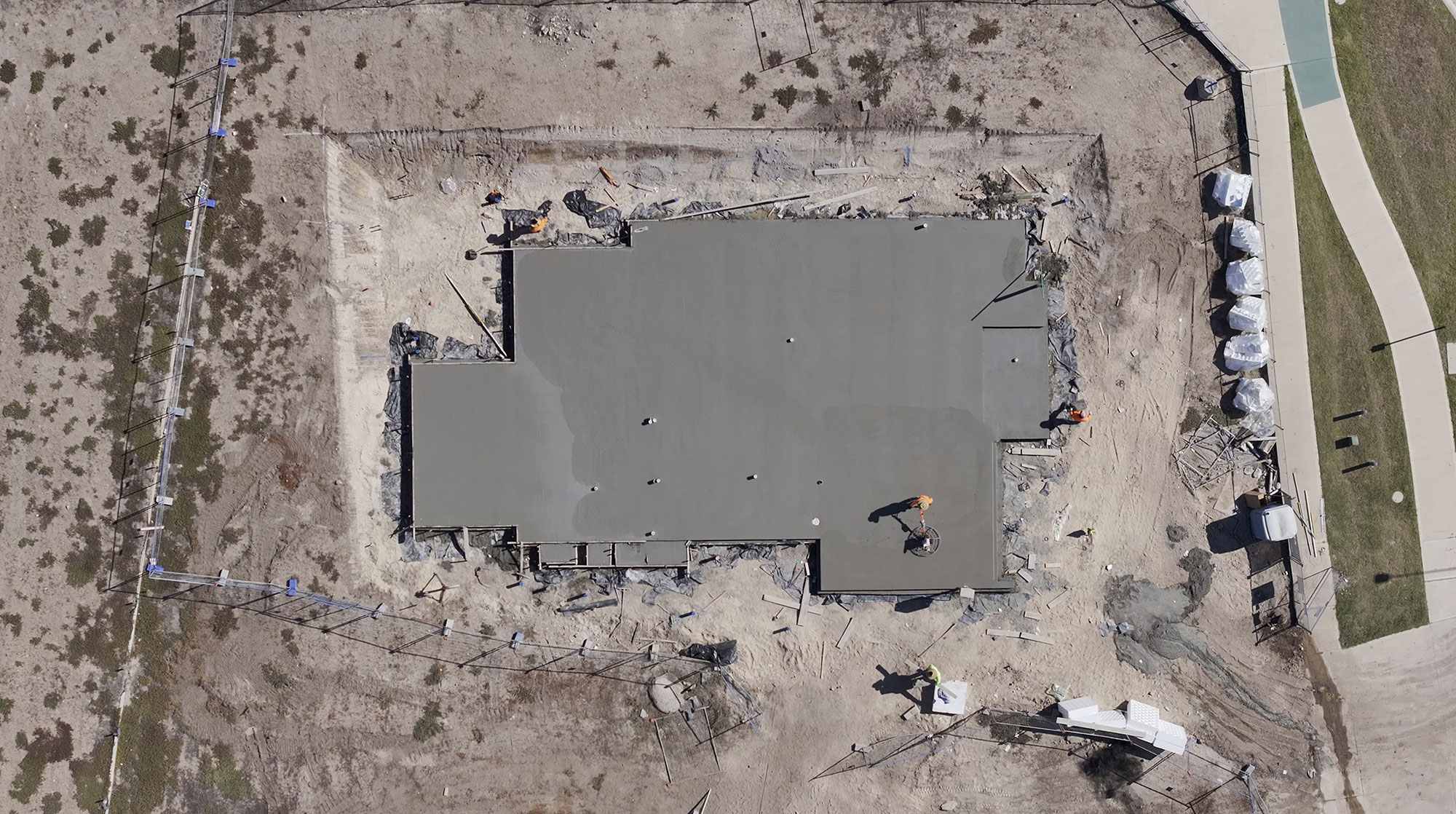 Land use inequality between cultures and species, Melbourne, Australia. The disturbance and concreting over of land on a rise adjacent the earthen ‘Bora Rings, part of the culturally significant landscape of Wurundjeri Woi wurrung on the western edge of Melbourne, 2025. Photo: Still from video ‘West’ by Eugene Perepletchikov
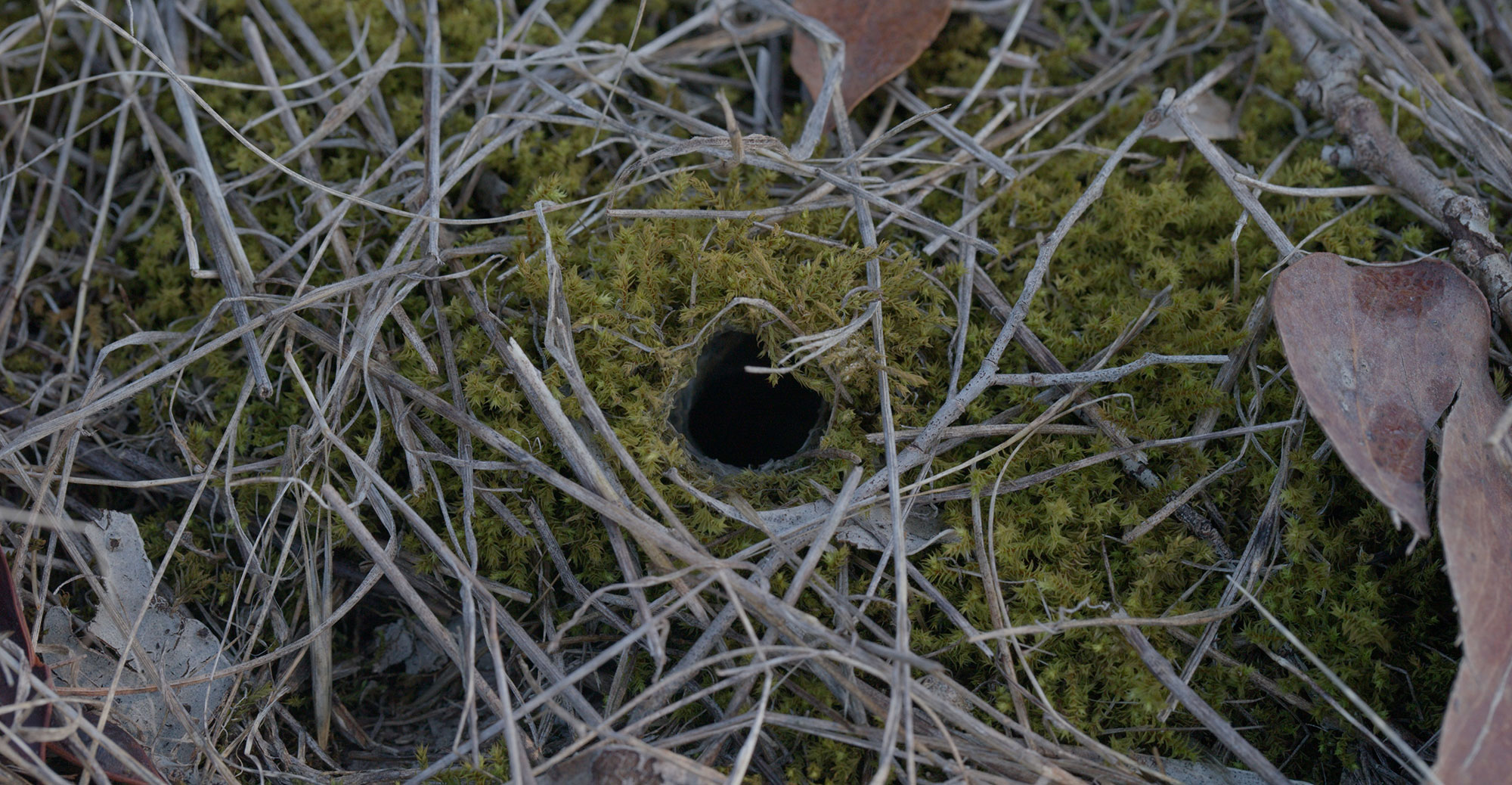 Land use inequality between species, Melbourne, Australia. The home of a subterranean dwelling spider amongst the mossy crust, two of the first species to be displaced through the scraping of the crust for low rise housing land use, 2025. Photo: Still from video ‘West’ by Eugene Perepletchikov
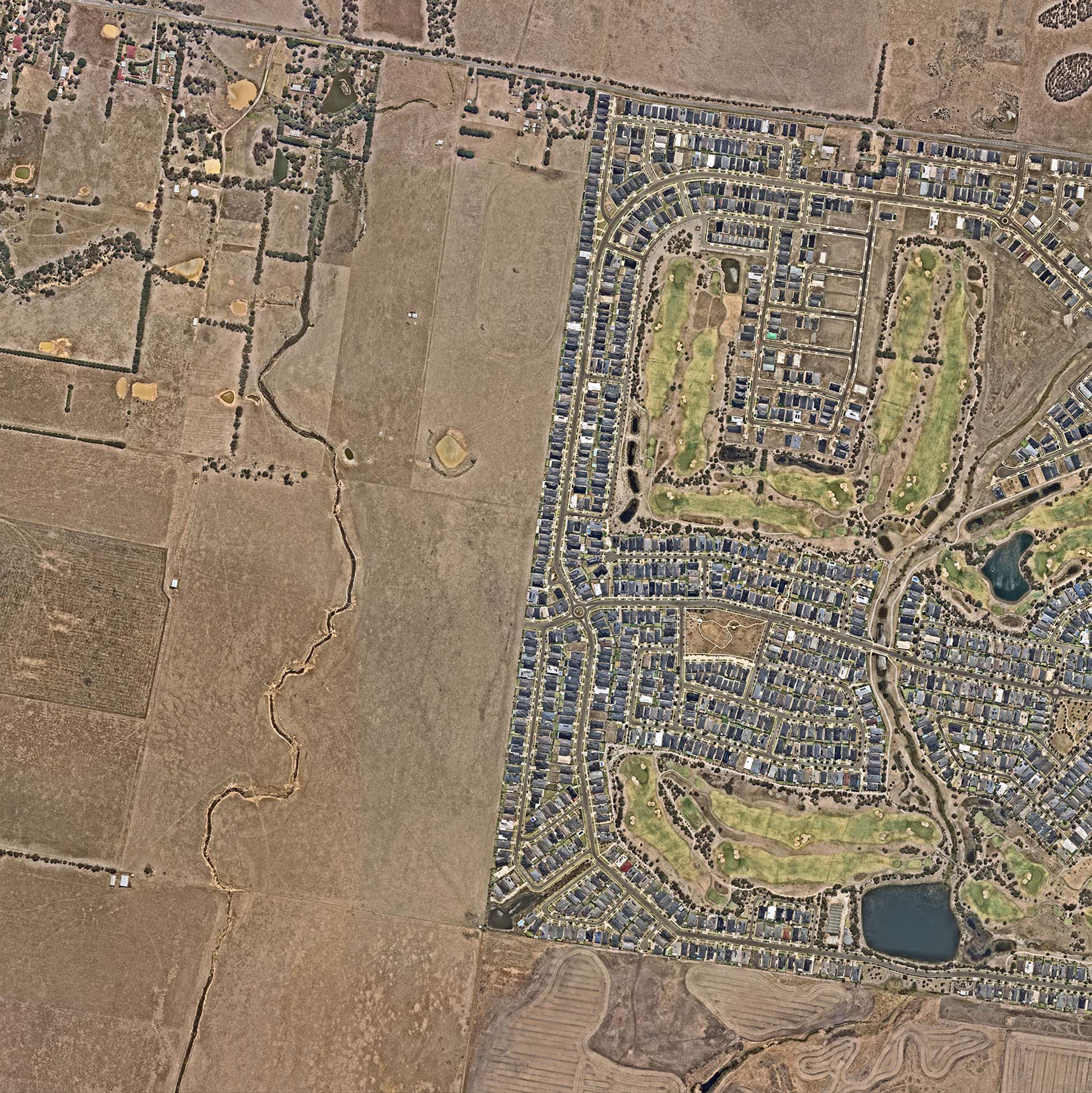 Land use inequality between species, Melbourne, Australia. Soil of the Volcanic Plains Grasslands on the northern edge of Melbourne scraped away and sealed over by low rise housing, 2025. Credit: Nearmap
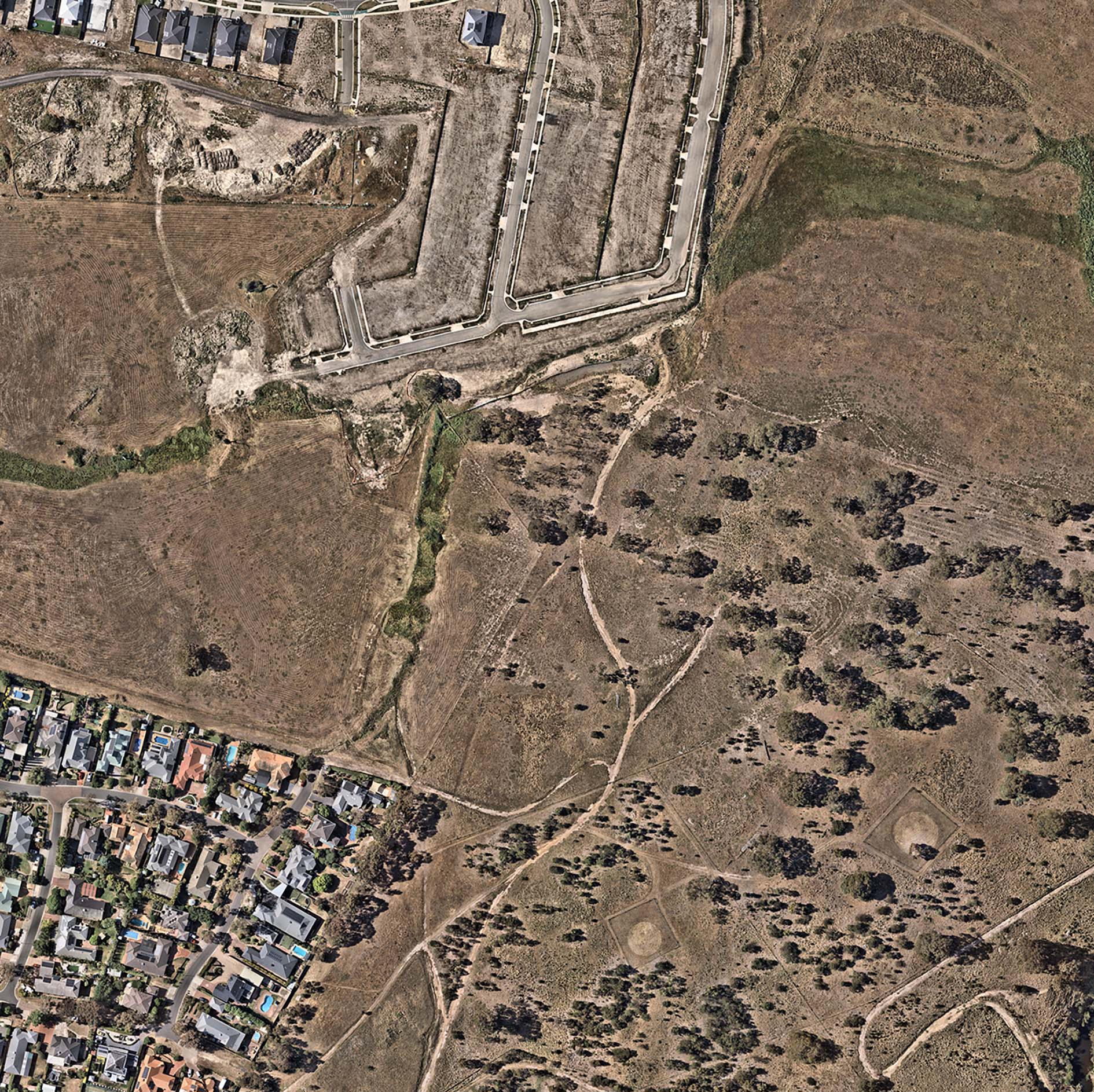 Land use inequality between cultures and species. ‘Bora Rings’ that are part of a culturally significant landscape of Wurundjeri Woi wurrung on the north-western edge of Melbourne fragmented by low rise housing, 2025. Credit: Nearmap
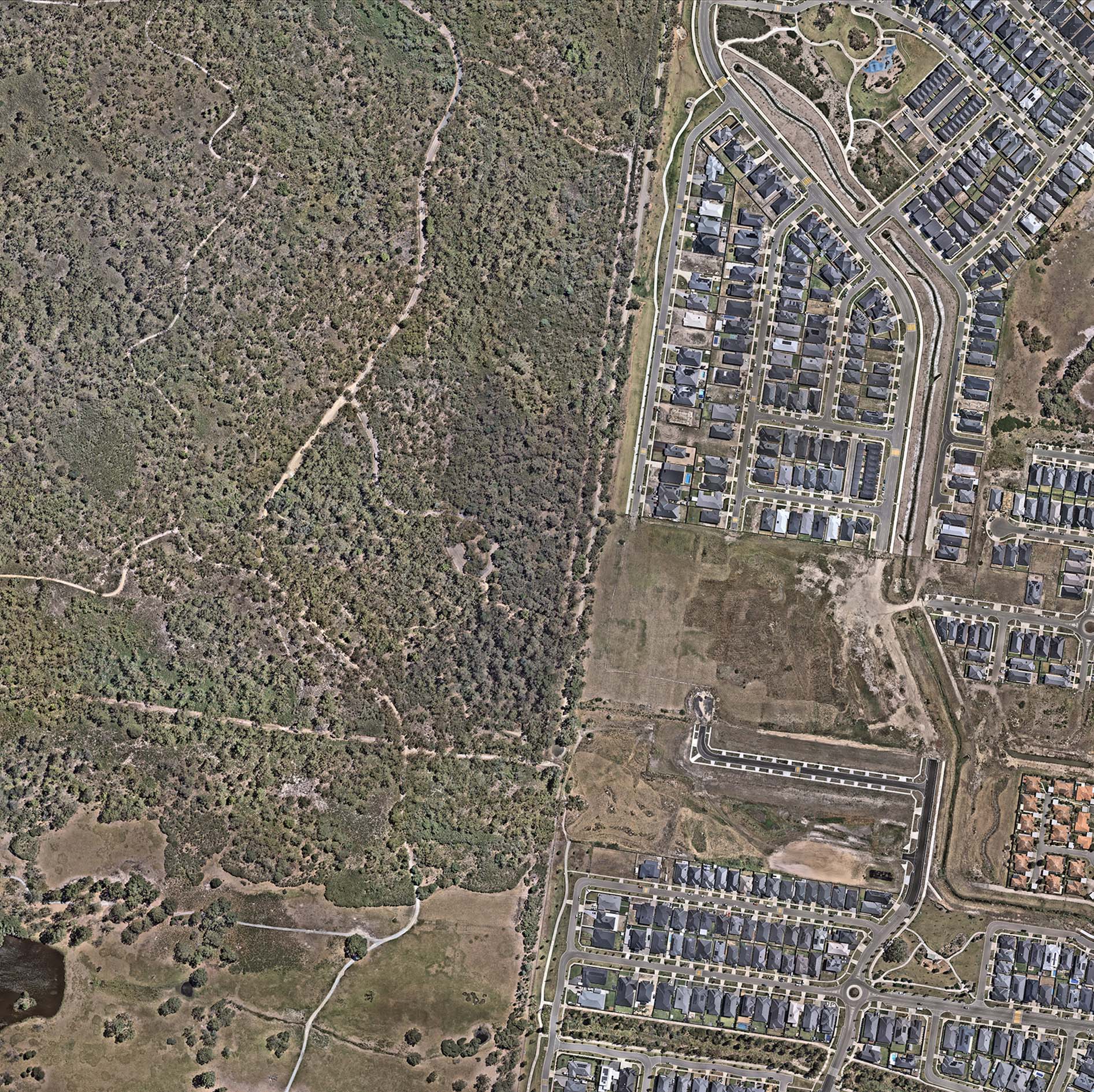 Land use inequality between species, Melbourne, Australia. Remnant bushland habitat of the endangered Southern Brown Bandicoot on the south-eastern edge of Melbourne fragmented by low rise housing, 2025. Credit: Nearmap
24th Triennale Milano, Inequalities
May 13th – November 9th 2025
Australia: Land Use Inequality
Video: North, East, West, by Eugene Perepletchikov, 2025
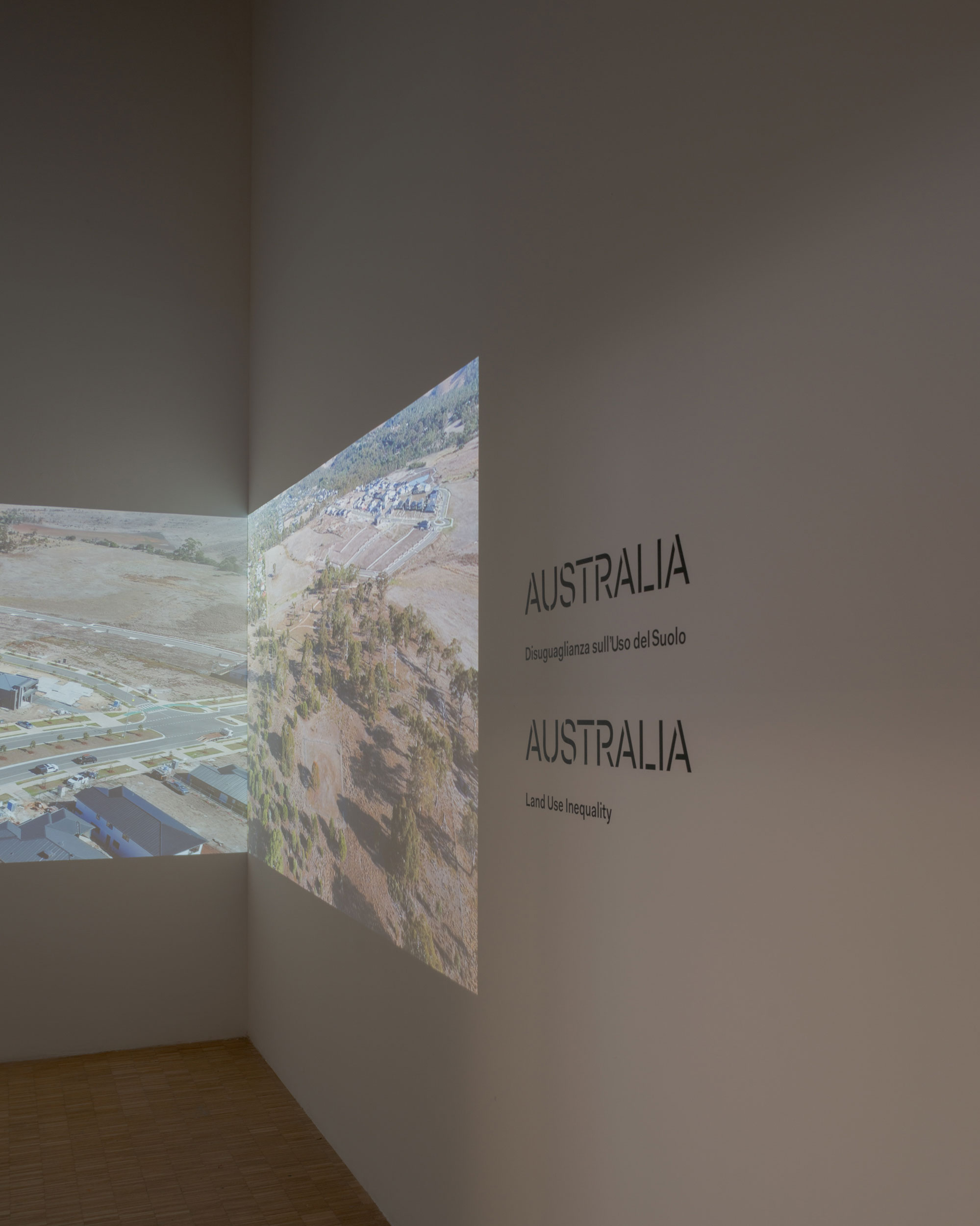
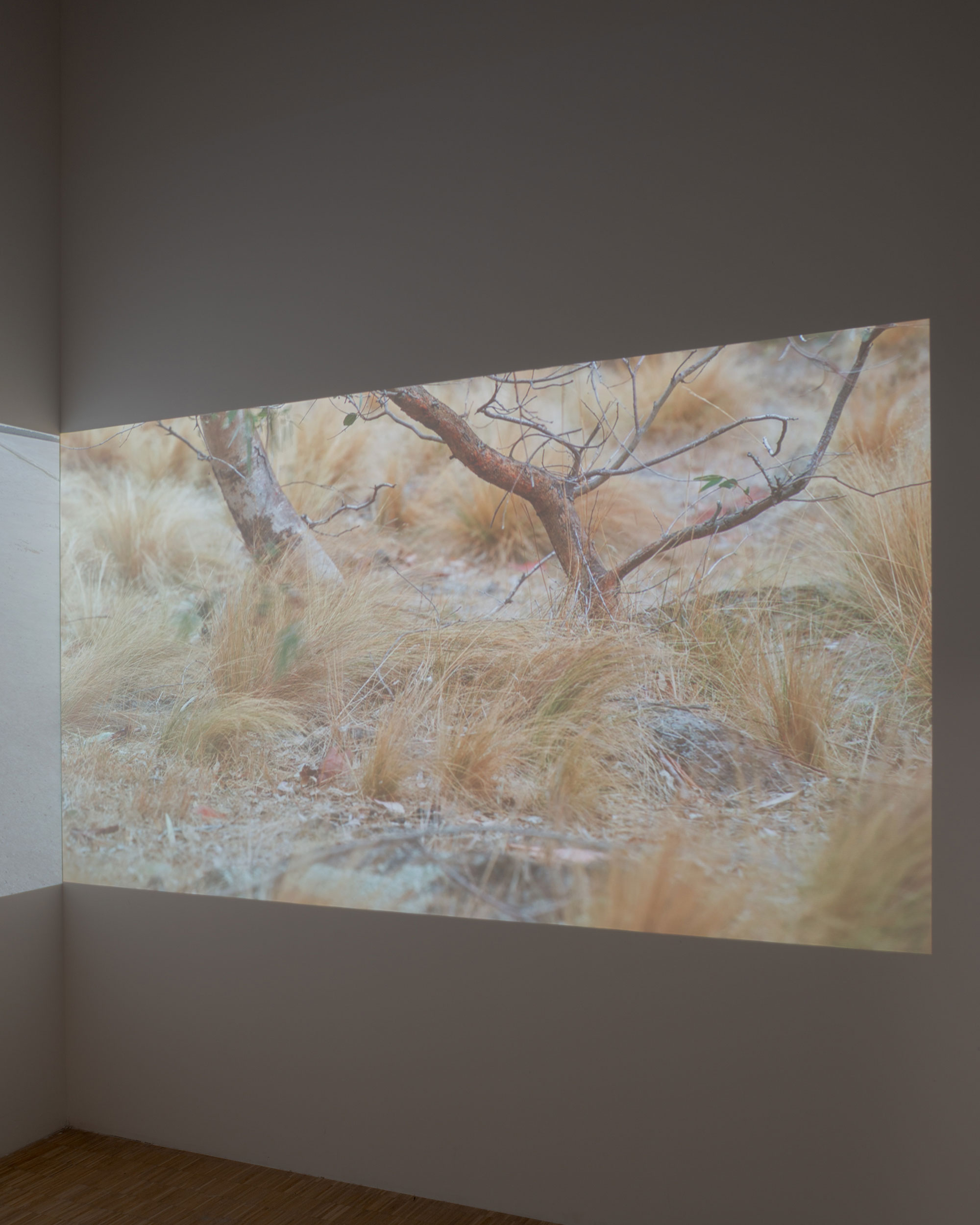
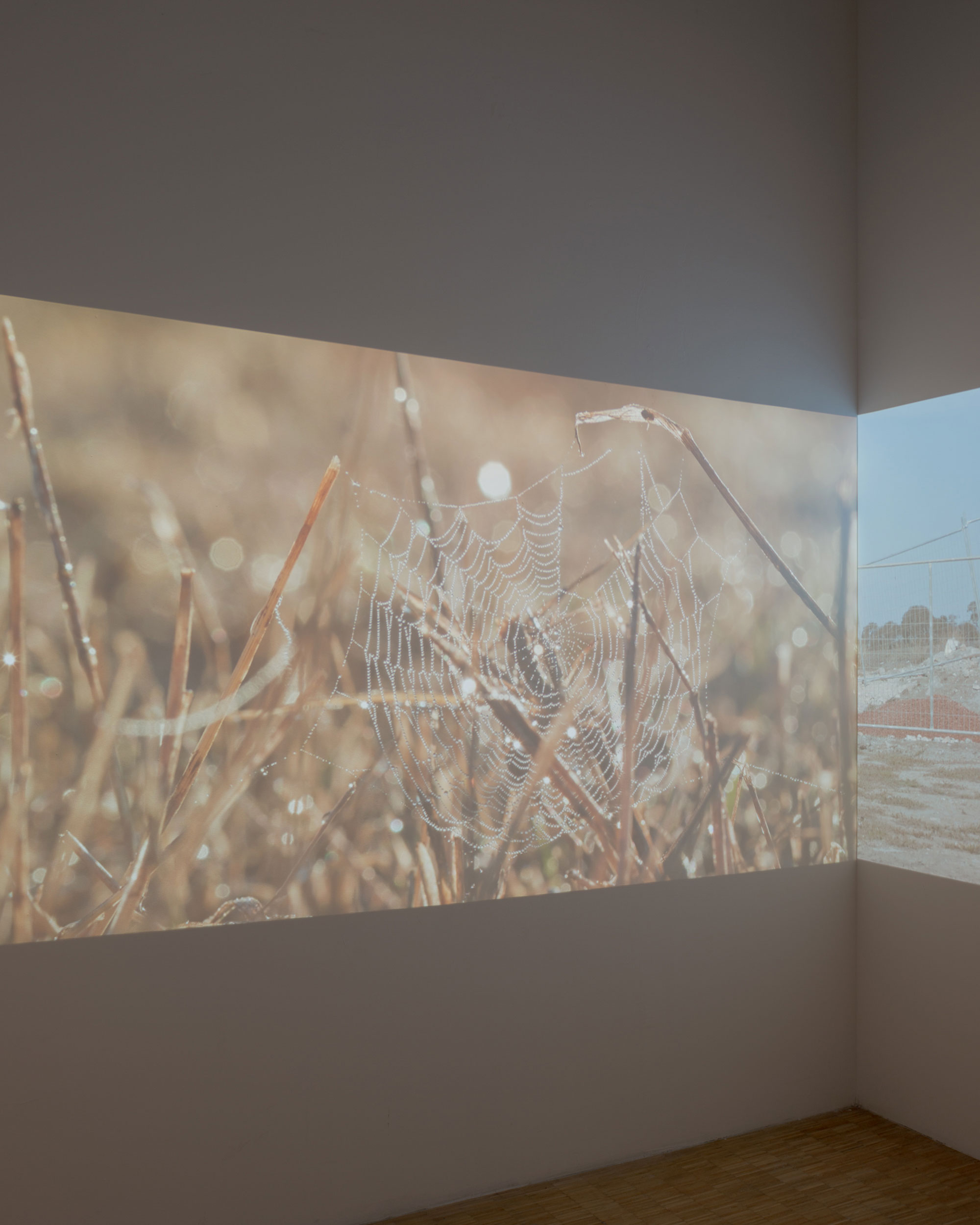
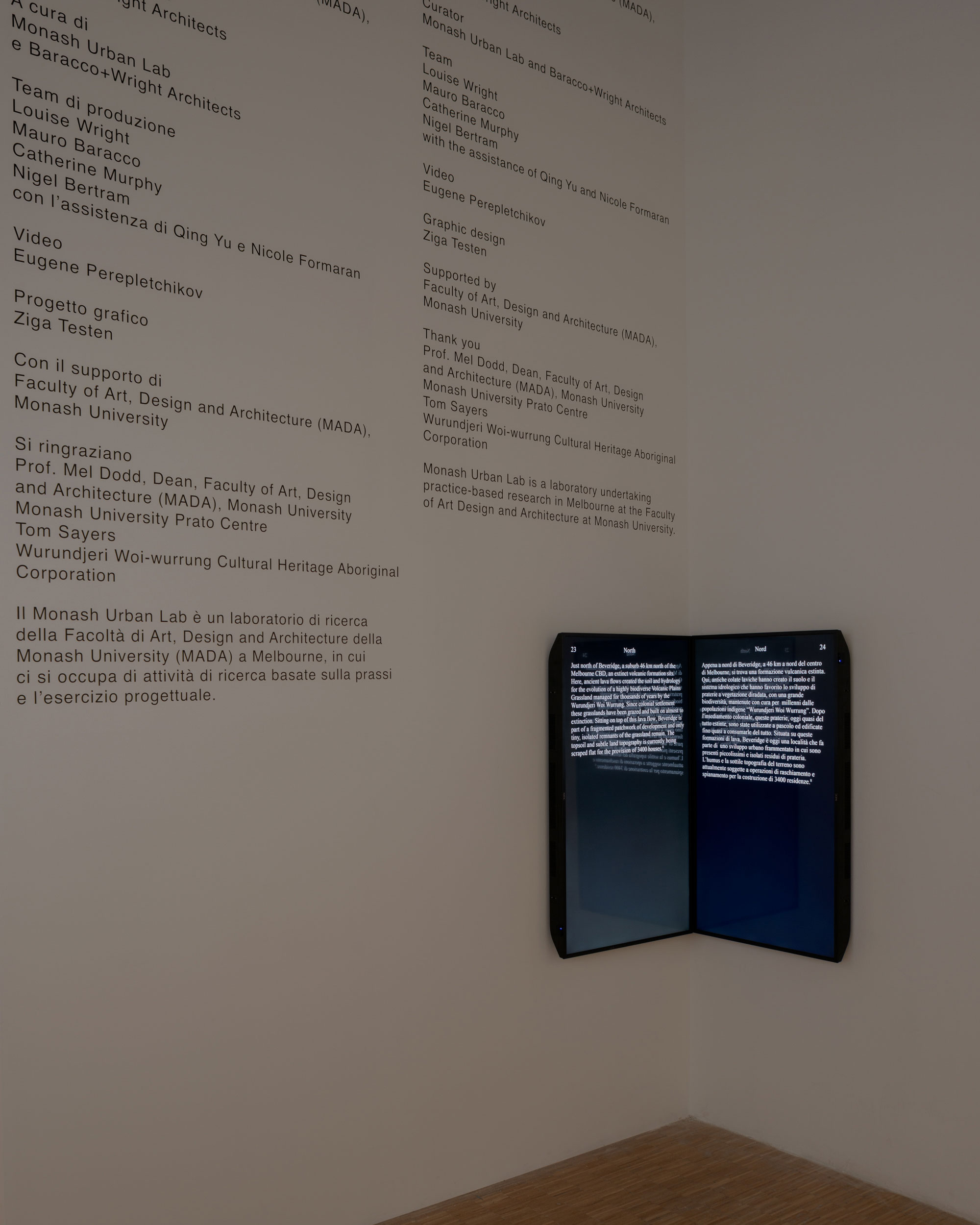
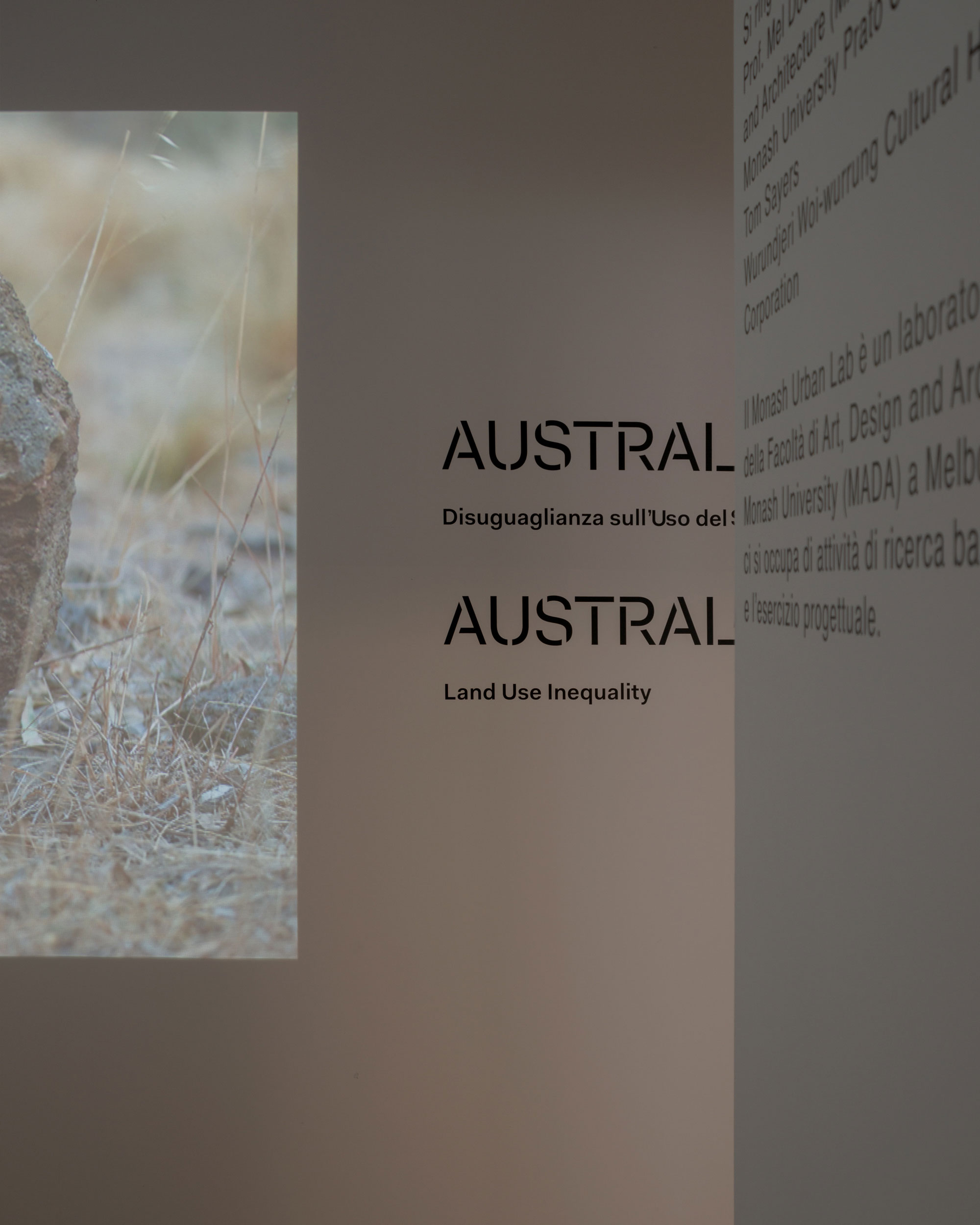
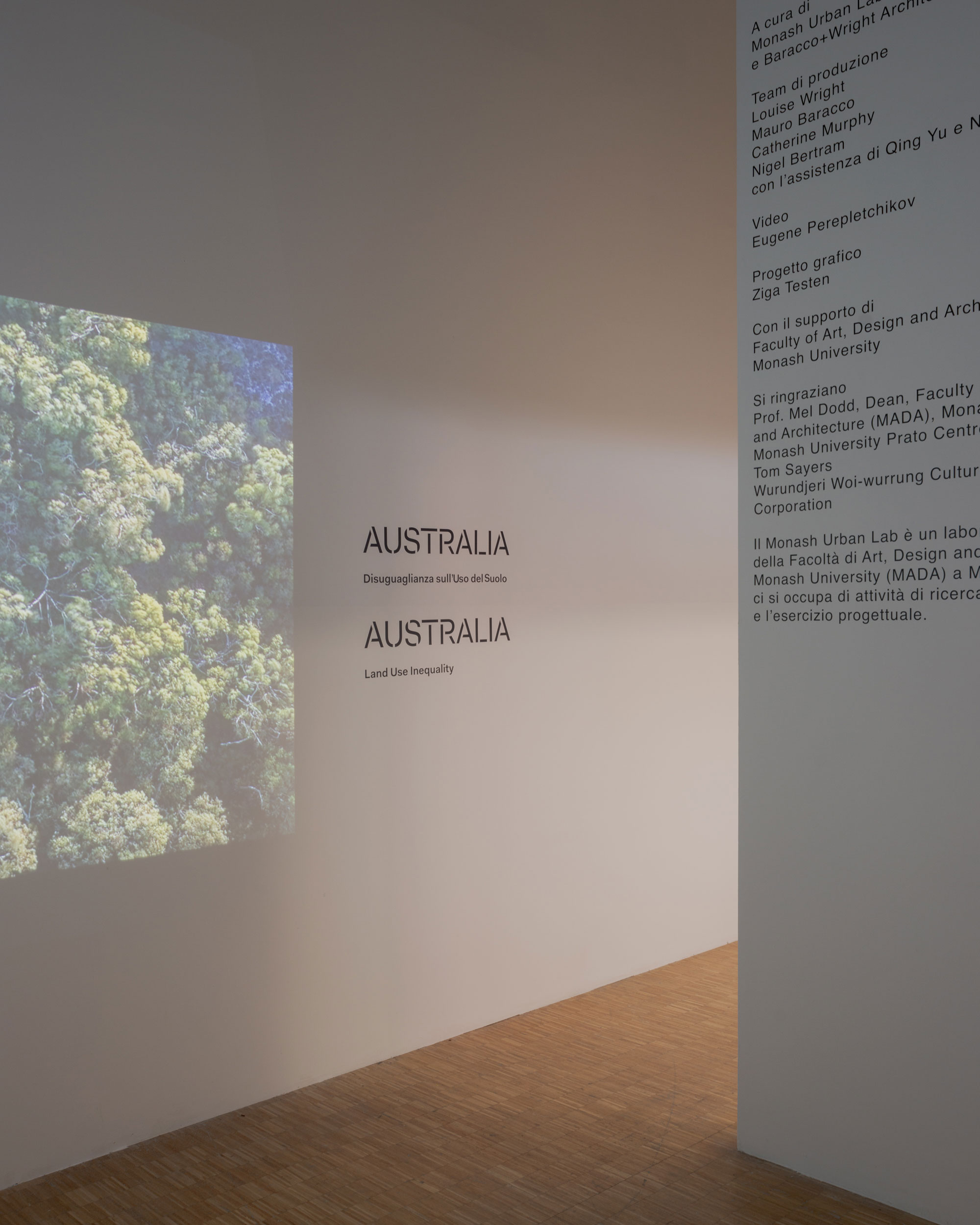
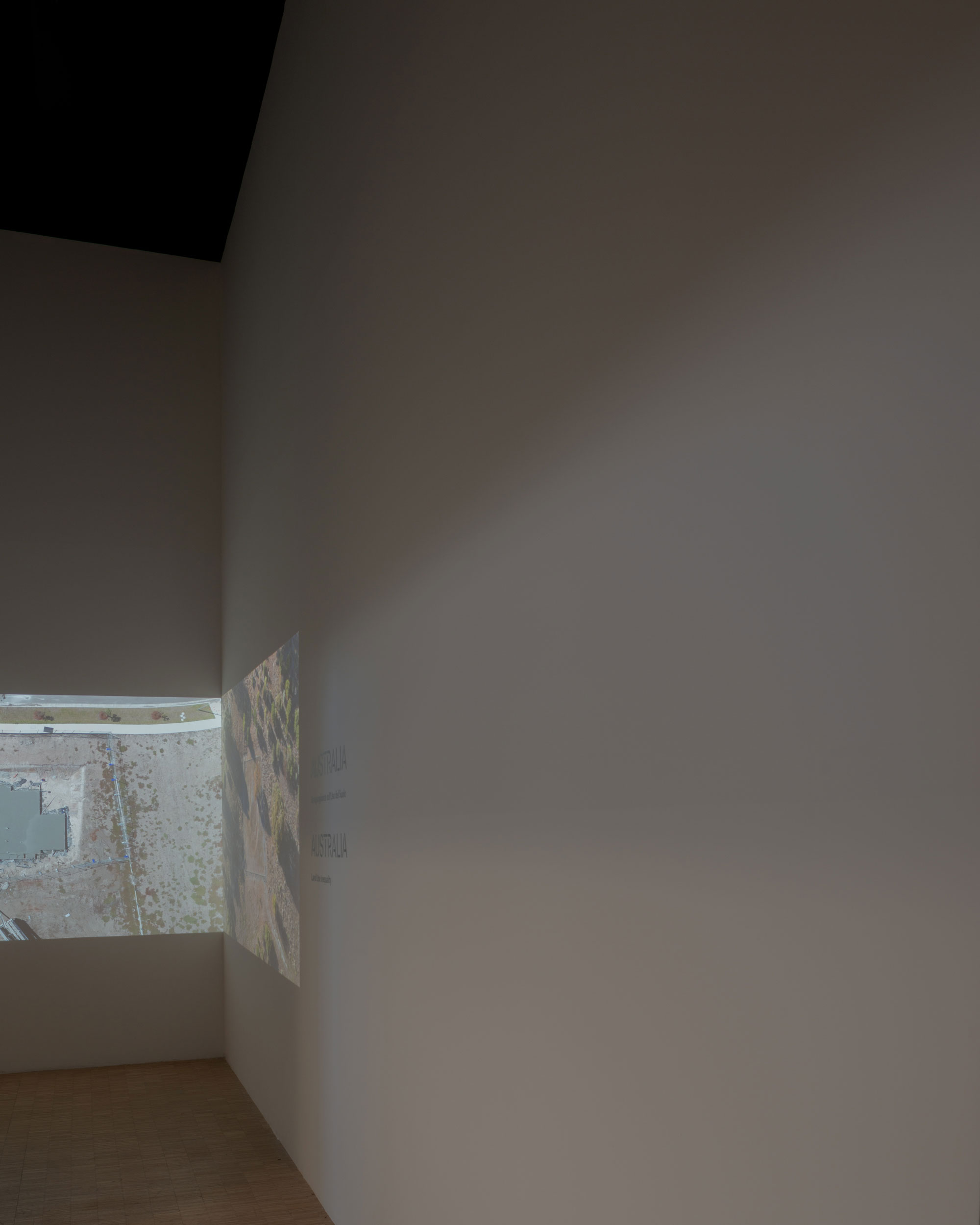
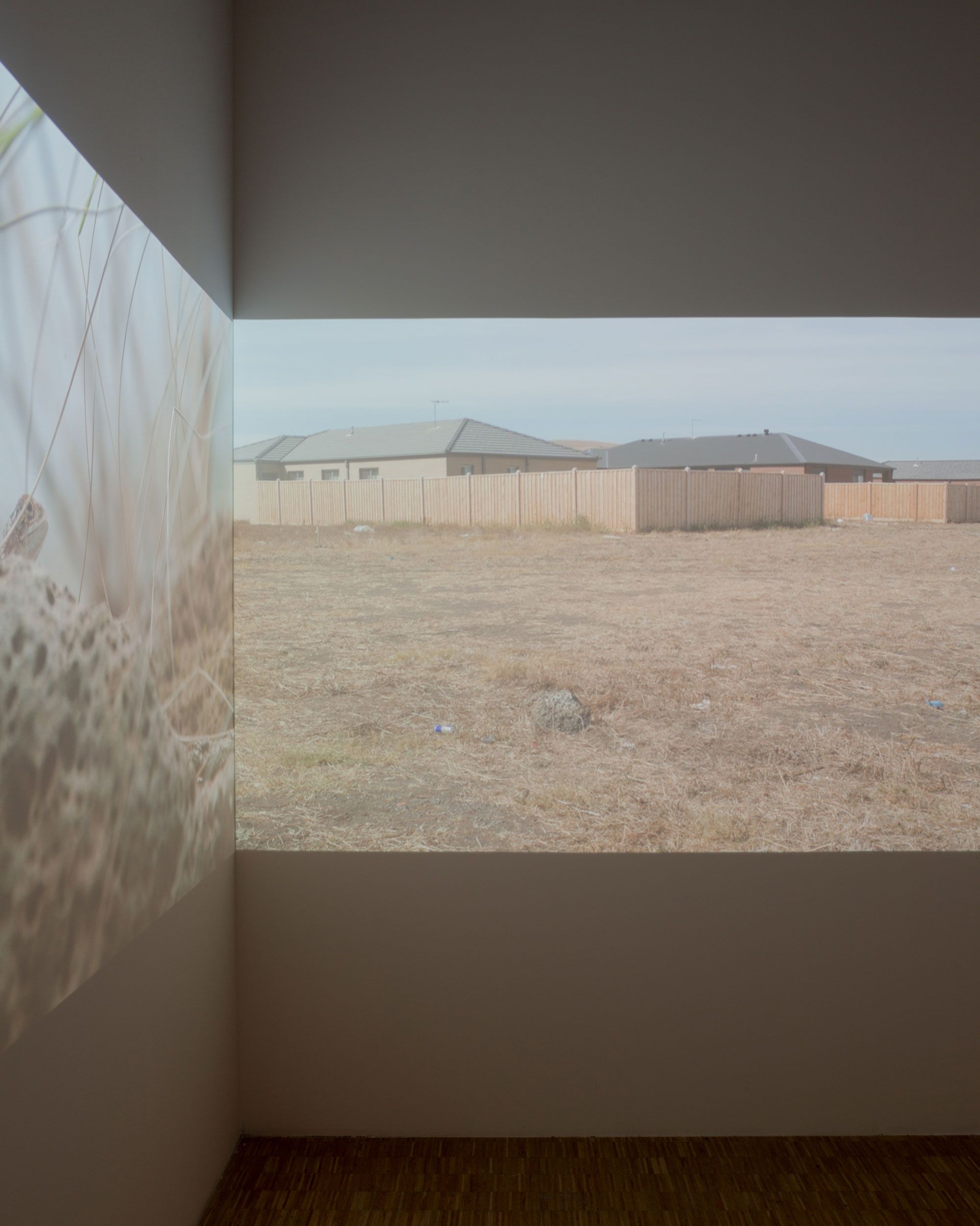
Installation images by Simone Bossi