
Creating safe spaces for women: research, advocacy, and action
Architect and researcher Dr Samantha Donnelly is reshaping how the sector designs safe spaces for women and children escaping domestic violence and the workers who support them. Her pioneering work has earned her the prestigious Vice-Chancellor’s Commendation for Thesis Excellence, elevating architectural advocacy into critical frameworks for mainstream urban planning.
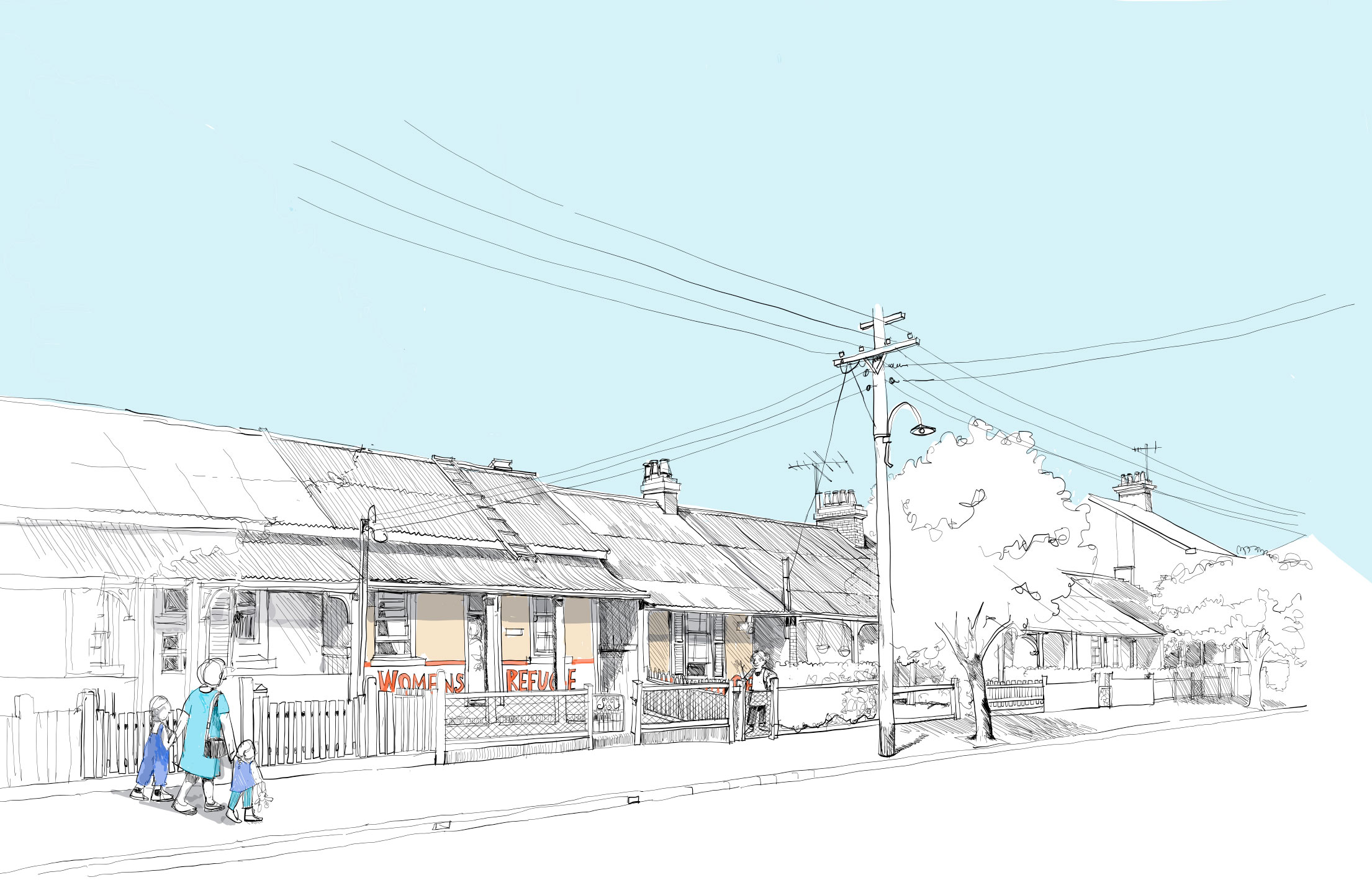
Dr Donnelly’s research sheds light on the urgent need for better-designed spaces, highlighting how built environments can directly support or hinder recovery from trauma.
"Attaining this important and recognised award provides evidence that this research field is urgent," Dr Donnelly explains. "It should be extended into policy reform, planning standards, and housing frameworks used by local and state governments. The research broadcasts the voices of service providers and defines what they need,and addresses the national crisis from an architectural perspective—aspects that, until now, have been largely overlooked."
Dr Donnelly emphasises that the milestone belongs to a broader ecosystem at Monash Art, Design and Architecture (MADA).
"This award reflects the quality of a dedicated and highly skilled team: my supervisors, the XYX Lab, the MADA PhD research support network, and the symposium juries," she says. "Without their expertise, guidance and encouragement, the thesis would not exist in its current form."
The XYX Lab: a hub for collaborative research
Dr Donnelly completed her PhD at Monash University’s XYX Lab, an interdisciplinary research hub dedicated to exploring gender-sensitive design practices and theory with a particular focus on identity, urban space and advocacy.
"The XYX Lab helped shape my identity as a researcher and advocate," says Dr Donnelly.
The lab values lived experience, bringing voices into the design conversation that historical planning models often exclude.
Professor Nicole Kalms, Co-director of the XYX Research Lab, notes that Dr Donnelly’s research fills a significant gap in architectural praxis.
“By examining women’s refuges using the tools of design, the research helps practitioners and service providers better understand the importance of trauma-informed approaches.” Professor Kalmls says. “Dr Donnelly’s recommendations will provide an important focus for proposed plans and new models of women’s refuge accommodation”
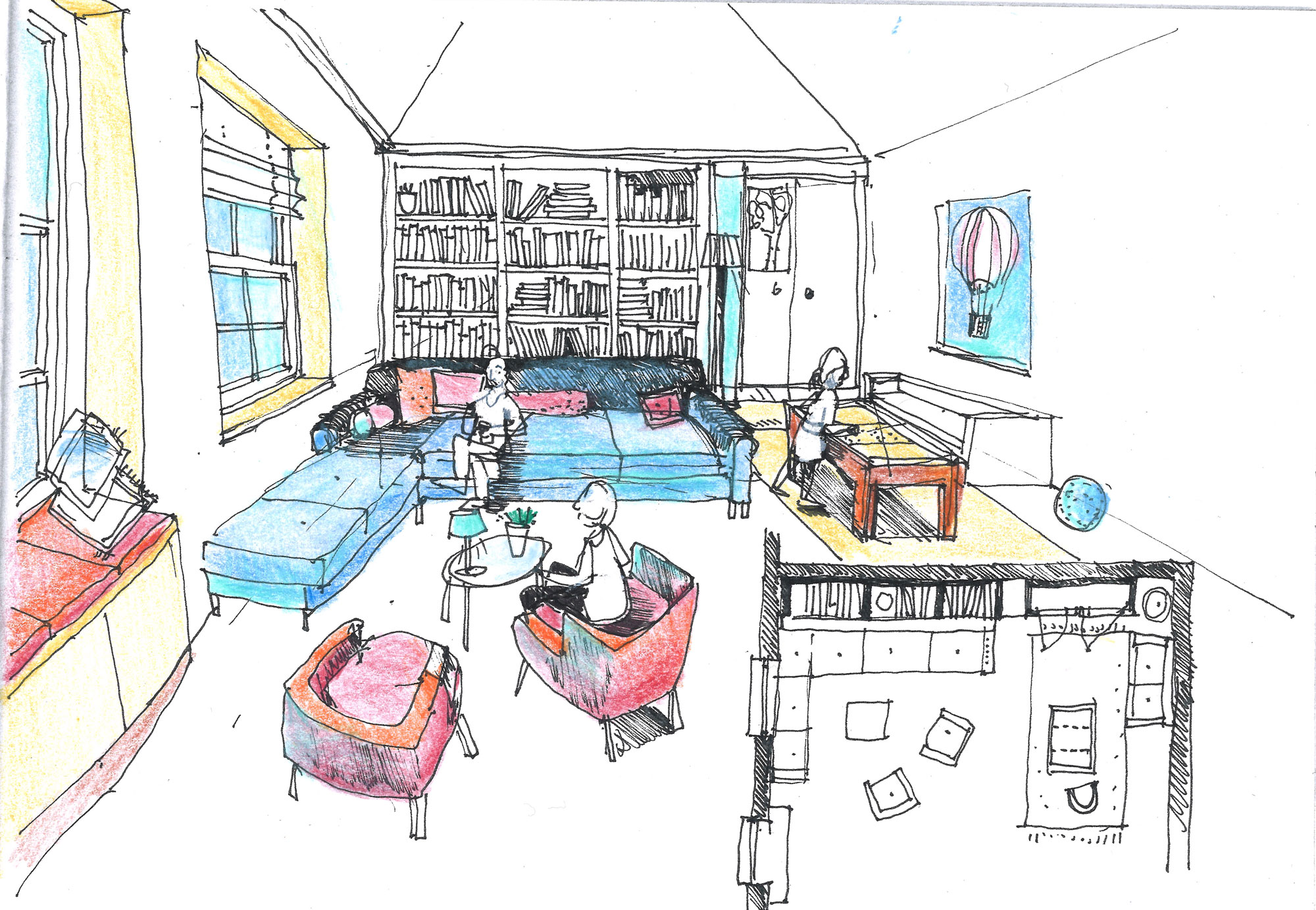
From architect to advocate
Dr Donnelly’s shift towards research-led advocacy during a commercial brief to redesign the interiors of a women’s refuge in Sydney.
"I saw firsthand the immense pressure that womens’ refuges work under—finances, safety concerns, and the needs of women and children escaping violence" she says. This initial project sparked a wider exploration into how spatial layout, acoustics, child-focused spaces, and materials impact a resident’s psychological journey toward healing.

The spatial impact of trauma-informed design
To build her evidence base, Dr Donnelly visited 26 refuges in New South Wales, uncovering diverse configurations from retrofitted suburban houses to purpose-built structures.
Her fieldwork highlights the need for trauma-informed design, creating physical spaces that deliberately counter past triggers so survivors can heal safely.
Designing for dignity involves balancing essential security frameworks with flexible, non-restrictive planning.
"Safety relates to the boundary between the refuge and the world beyond, but also to spaces within the refuge," Dr Donnelly says. "New facilities and renovations should consider quality door and window hardware that improve the stay without creating a prison-like atmosphere. These simple shifts can greatly reduce the work required from staff to ensure residents’ safety."
Flexibility within these floorplans allows residents to reclaim personal agency.
"Unplanned space can be transformed into an extra sleeping space, homework area, or even a play space where children do the transforming” she explains. These in-between areas should be supported by good storage options that maintain a sense of order while also providing a place for everything to go."
Supporting frontline staff
Dr Donnelly's research also uncovered an important but overlooked issue: the workplace environment and well-being of refuge staff. Refuge workers face intense daily stress and risk burnout, yet their administrative and breakout spaces rarely offer therapeutic support.
"My research highlights the spatial conditions that many workers have endured for years," Dr Donnelly notes. "Although new projects require engaging with trauma-informed practitioners, there is still a lack of understanding about workplace complexity. Design briefs focus on spatial needs, like meeting room sizes, but they continue to miss critical aspects like appropriate lighting, quality acoustics, and a place for workers to rest and recharge during their workday."
Shifting industry standards
A major issue highlighted by Dr Donnelly's research is the lack of housing options for families fleeing domestic violence, which creates a critical bottleneck.
"The Australian Institute of Health and Welfare (AIHW) states that family violence is a leading cause of homelessness in Australia and 40% of people seeking social housing are escaping domestic violence, but there aren’t enough options for them," Dr Donnelly says.
The shortage of affordable housing means women and children often remain in crisis facilities longer than needed, prolonging their trauma. To address this, Dr Donnelly's guidelines are already translating into tangible discussions with national housing providers, women's organisations and family violence experts to view buildings as active components of care.
By bridging the gap between service providers and design professionals, her work outlines actionable recommendations for future housing frameworks. Mainstream industry awareness is rising, shifting the conversation toward permanent, systemic funding models over temporary financial survival, ensuring women and children possess the safe space to rebuild their lives free from violence.
Illustrations by Samantha Donnelly