WonderLab
Creative research for meaningful engagement and shifting systems.
WonderLab is a relational research community helping people to imagine and co-create more just and equitable futures. We start with the critical yet hopeful idea: It doesn't have to be this way.
Rather than simply identifying problems and solutions, we focus on the deeper causes and conditions that shape them. Our research integrates co-design, storymaking, and performance to support a relational approach to transformative change. This commitment leads us to ask: how might responsible research honour the deep interconnectedness between the people, places, and planetary systems we seek to shift?
Our award-winning methods create space for the deep kind of creative engagement necessary for transformative change. We don't just research how the world is — we cultivate the imaginative agency to envision how it might be. Working across contexts like the climate crisis, policy-making, community cohesion, and education reform, our research always returns to the nuanced questions we must ask to shape our collective future, such as:
- What kinds of knowing are we listening to?
- How might we cultivate imaginative agency?
- Where are the stories we need to reclaim or draft anew?
- What possibilities does hope animate?
Key projects
The following local and international projects show how WonderLab's co-creative methods integrate diverse ways of knowing, doing, and being to animate people’s agency to craft more equitable tomorrows.
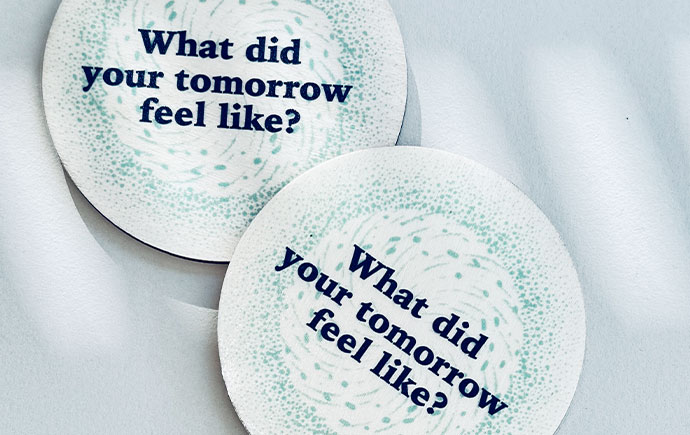
Tomorrow Party
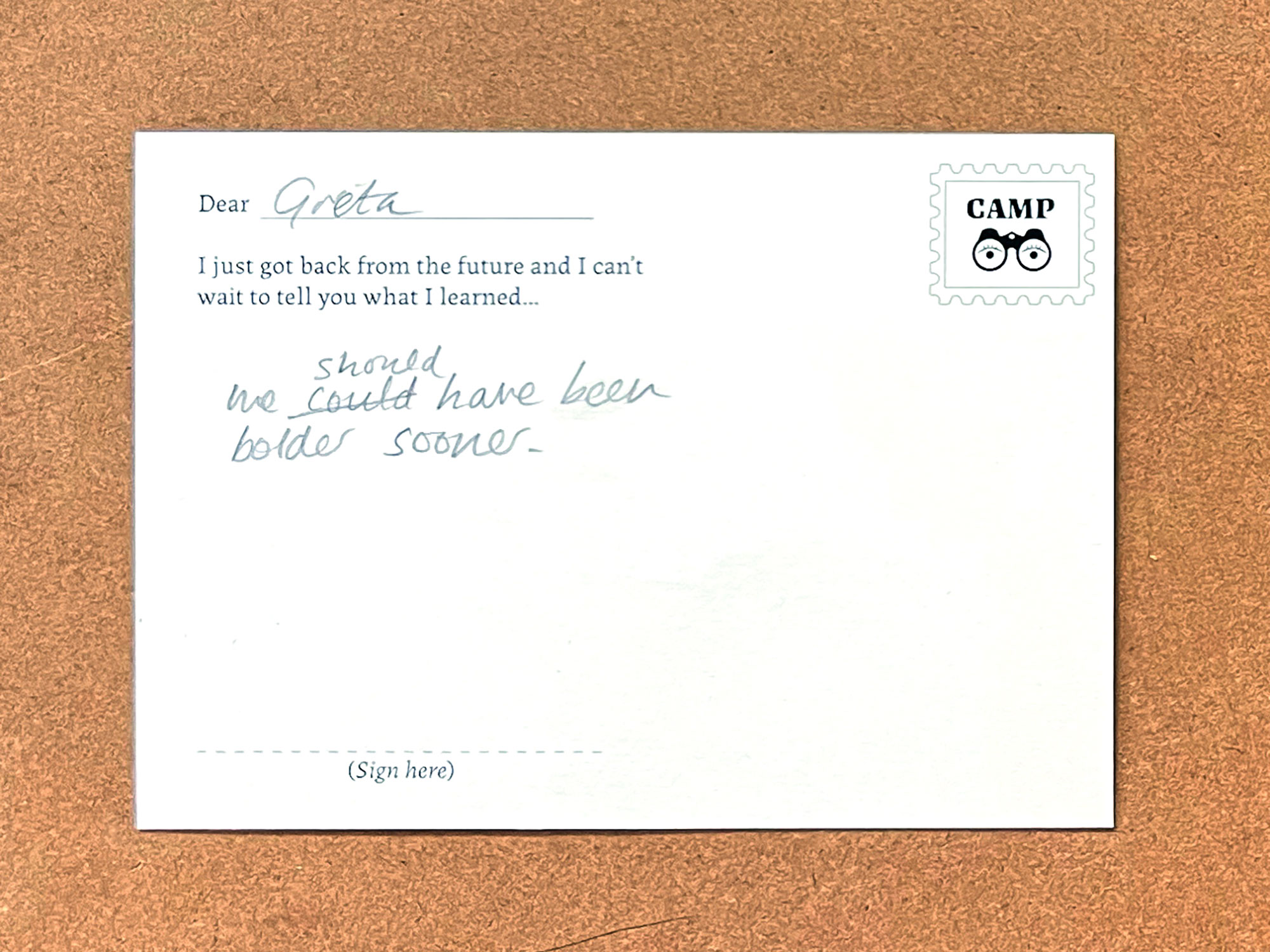
The Tomorrow Party is a co-creative method for exploring how futures might feel. Equal parts storymaking and time-travelling, the party invites guests to look beyond existing narratives—to imagine futures shaped by care, agency, and connection. Funded by Wellcome Trust.
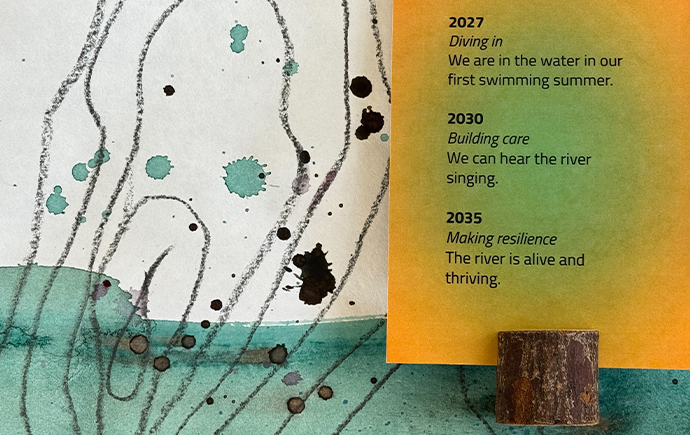
The Act of Imagining
At the intersection of climate adaptation and imaginative agency, this project will work with creative practices from participatory design and theatre to empower communities to envision and act on alternative, hopeful climate futures. Funded by the Australian Research Council.
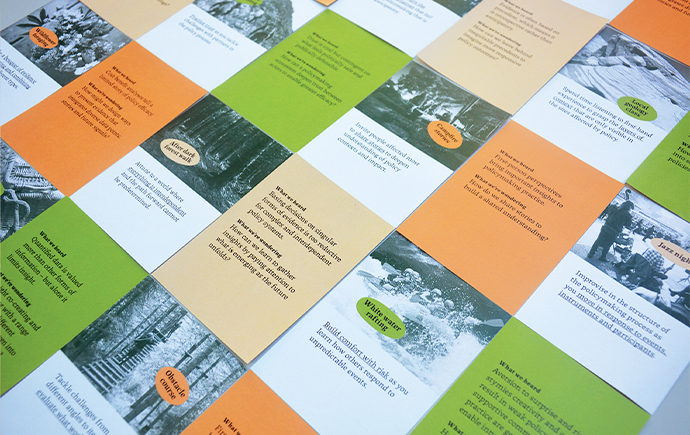
Co-design and Anticipatory Policy-making
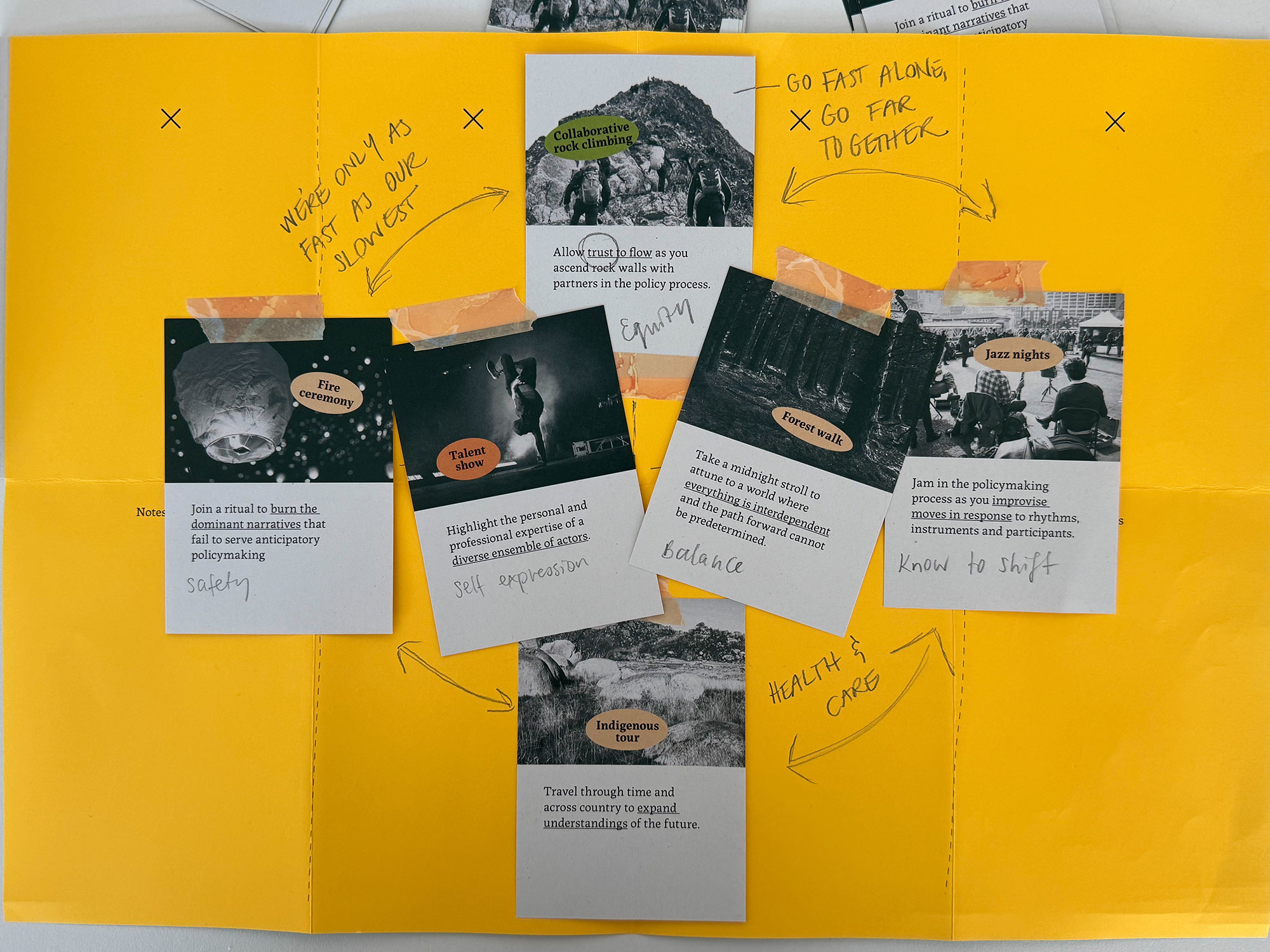
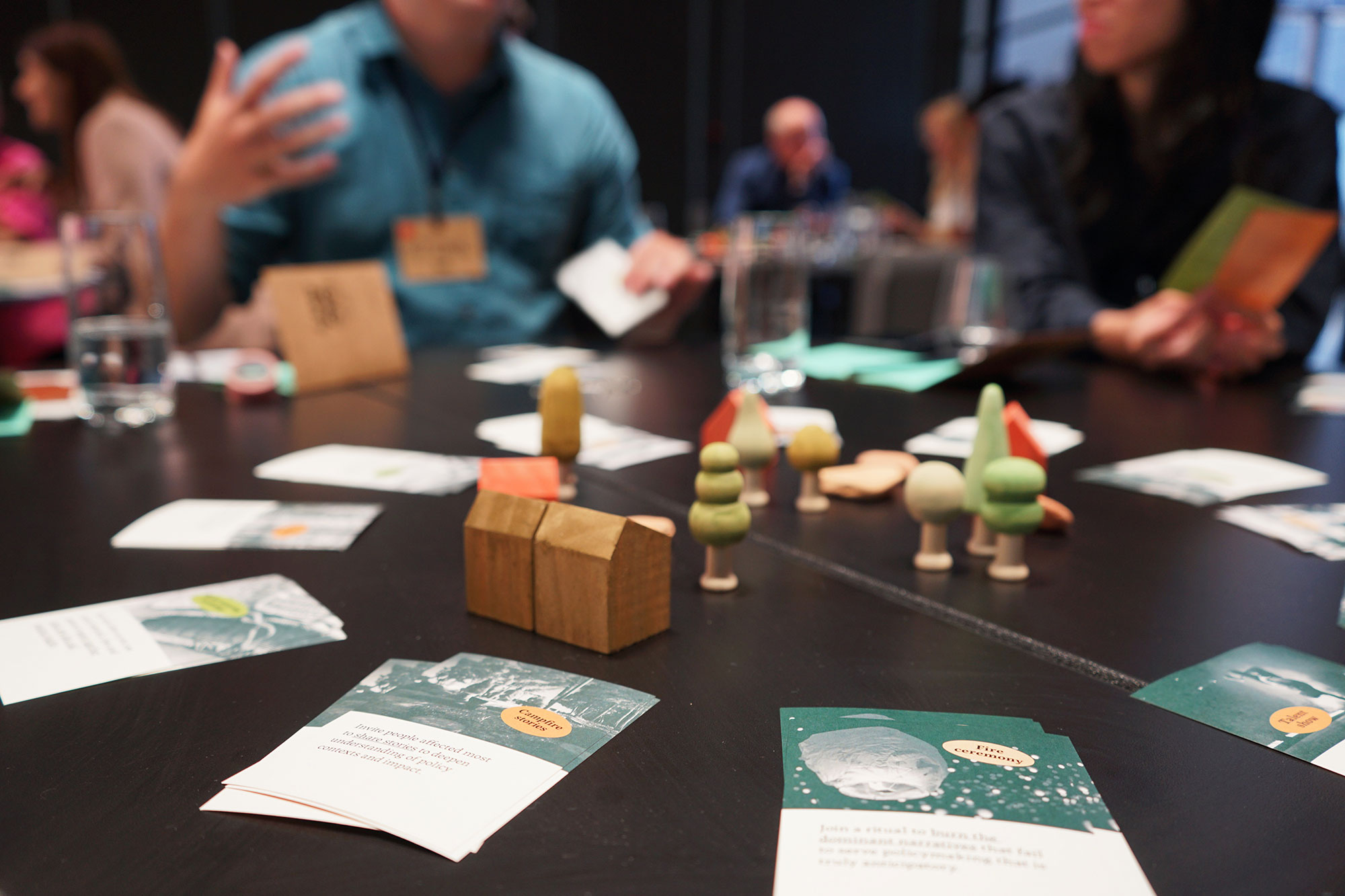
With a focus on emerging futures this discovery project explores our contention that co-design can offer ways to navigate the uncertainty and contingency ever-present in forward-looking policy environments. Funded by the Australian Research Council.
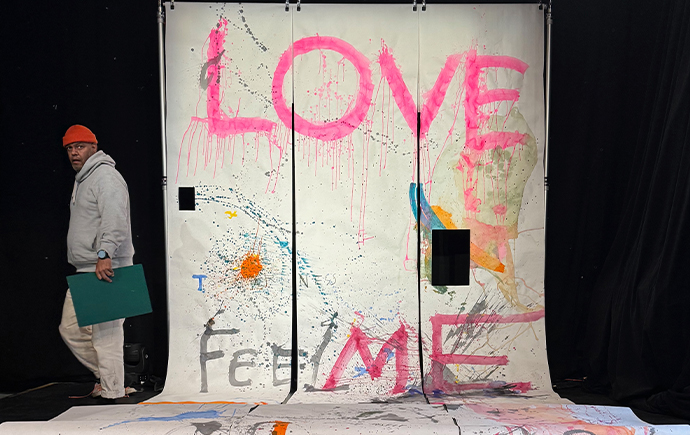
Situated, Relational and Reparative Practices
This network grant brings together researchers committed to more-than-textual ways of knowing. The co-creative convenings invite exploration of relational and reparative ways of living together in an increasingly fractured and fragile world. Funded by the AHRC in the UK.
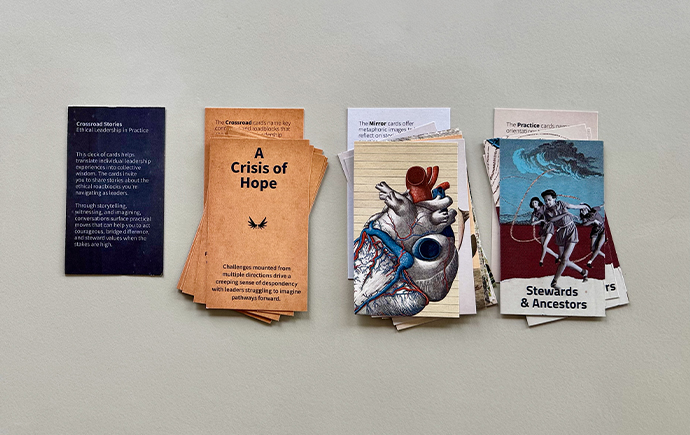
Shift/Work: a Systems Shifting approach
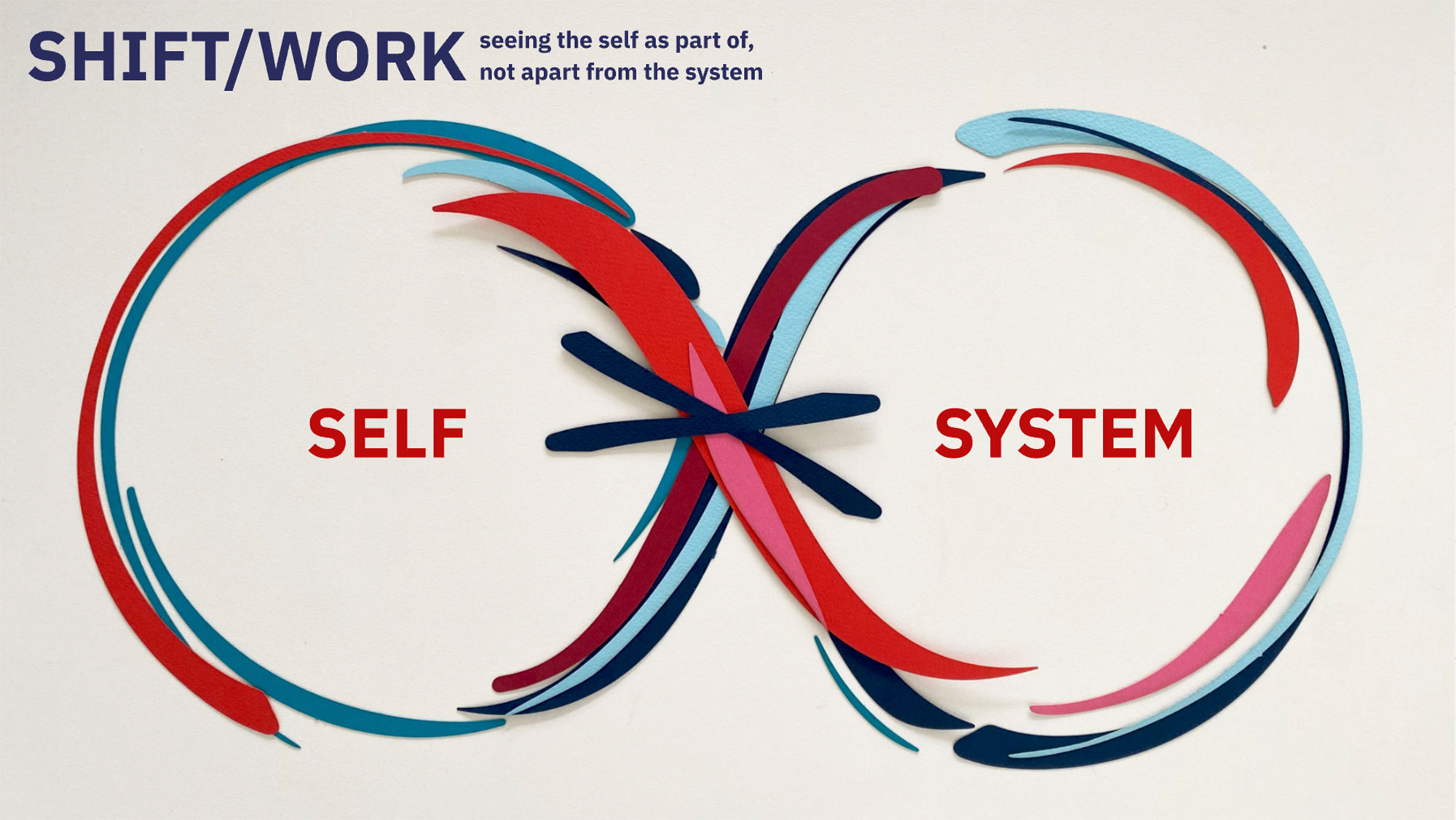
These bespoke collaborations begin with respecting the hard labour of systems change work as deeply relational that requires reframing our relationship with the systems we work in and co-learning from the wisdom in the room. Partnerships with NGOs and Philanthropy.
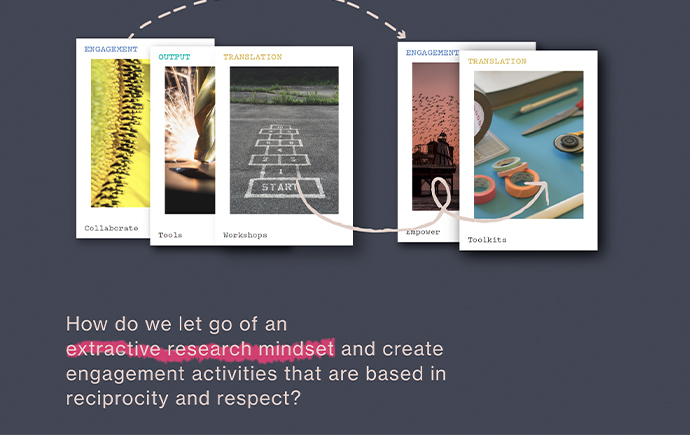
Designing for Social Impact
This project articulates the integral role design can play in amplifying the potential for research to lead to positive social change. The website shares the research findings, actionable outputs and creative methods for reframing research impact and shifting research practice.

Staging Australian Women’s Lives
This project showcases the legacy of Australian womxn theatre makers over the last 50 years. The project catalogues the radical and crafty strategies these theatre makers created to challenge the everyday and systemic inequalities women face. Funded by the Australian Research Council.
Playing Transitions
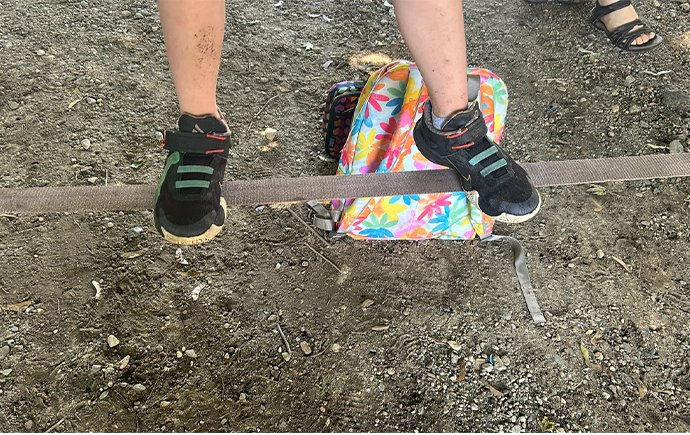
With play colleagues we will generate knowledge and practice-oriented methods that support play as a tool for enhancing children's social and emotional transition from early childhood education to school. Funded by the Independent Research Fund Denmark.
Who we are
WonderLab is a cross-faculty team of designers, performers, educators, and researchers. Our creative practices and lived experiences shape how we work, grounding our research in principles of respect, reciprocity, and relationality. The transdisciplinary orientation allows us to work with multiple entry points into how transformative change happens, who it serves, and why meaningful engagement with people and place matters.
Co-Directors
Professor Lisa Grocott is a co-design researcher who brings a creative approach to designing for social impact. Grounded in her Indigenous Māori perspective (Ngāti Kahungunu), her work emphasises reciprocity and relationality as essential to responsible engagement.
Professor Stacy Holman Jones explores the power of storymaking and embodied methods, recognising people’s hunger for collaborative and playful ways to shape their present and imagine more just futures. She also brings deep insight into autoethnography, as well as queer and feminist theory.
Associate Professor Shanti Sumartojo's grounding in cultural geography and inquiry into experiential perspectives highlights the importance of place and context. Her inquiry into atmospheres and the ineffable is essential when sensing the present and crafting new imaginaries.
Academic team
Dion Tuckwell, Ilya Fridman, Giorgia Pisano, Chris Cottrell, Isabella Brandalise, Penni Russon, and Blayne Welsh.
PhD candidates
Nicola Brown, Sofia Carbonara Hager, Anna Conrick, Sean Donahue, Wendy Ellerton, Moira Finucane, Megan Flamer, Delaram Garoussi, Alisdair Gurling, Georgina Harriss, Nicola Hearn, Leander Kreltszheim, Nick Petch, Joshua Richardson, David Robertson, Bella Singal, Katie Stubley, Linda Tan and Linghao Wu.
Alumni
Kelly Anderson, Paris Bella, Ali Colwell-Matsuura, Myriam Diatta, Myfanwy Doughty, Jonathan Graffam, Ricardo Dutra Gonçalves, Laura Hartnell, Hannah Korsmeyer, Kate McEntee, Dasha Moschonas, Sonali Ojha, Karissa Taylor, Eugene Ughetti and Hoa Yang.
Collaborators & Partners
Collaborating with play researchers, public policy scholars, creatives, climate activists, roboticists, psychologists, Indigenous future-makers, sociologists, public servants, educators, changemakers and philanthropists is core to our transdisciplinary approach. Here are some collaborators from recent projects: Wellcome Trust (UK), United Nations Development Program (Pacific), Regen Melbourne (AU), Design for Play Lab, Design School Kolding (Denmark), Advanced Research Centre, University of Glasgow (UK), Humanity United (US), Graduate School of Global Arts, Tokyo University of the Arts (Japan), Faculty of Arts and Humanities, University of Newcastle (UK), Learning Creates (AU), Cranlana Centre for Ethical Leadership (AU), State Library Victoria (AU), Virgin Unite (UK) and World YMCA (CH).
You can follow or connect with us on LinkedIn.
What we do
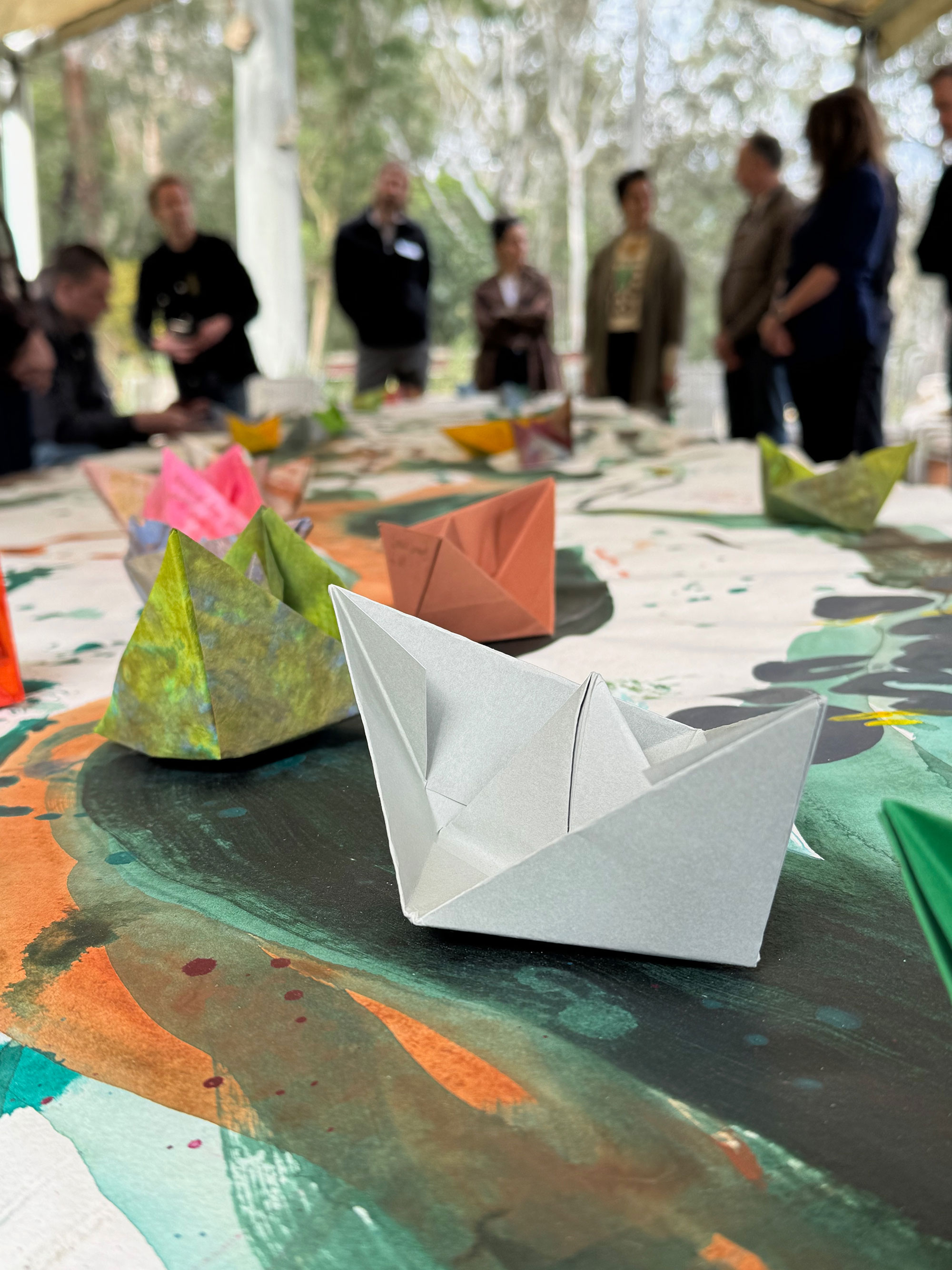
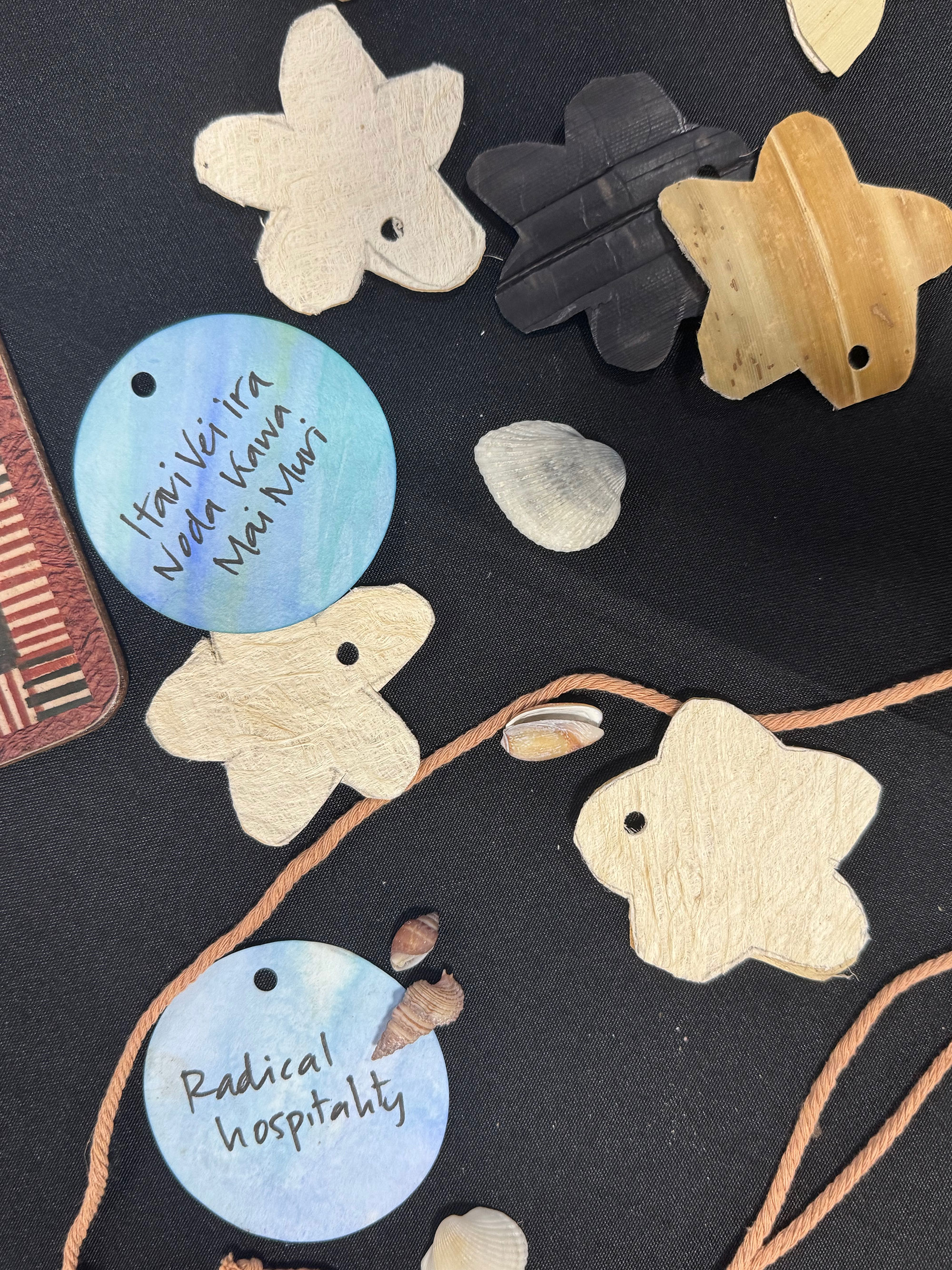
The images below offer a glimpse into WonderLab's creative research — from playful aide-mémoires that elicit future action to scaffolded time travel tips for imagining more just futures. These make visible what becomes possible when we engage seriously with ideas, ambiguities, and imaginaries.