
From politics to planning: Giselle Osborne is shaping the future of our cities
From politics to planning:
Giselle Osborne is shaping the future of our cities
For Giselle Osborne, Senior Advisor to the Victorian Minister for Planning, a career in urban planning wasn’t a straight path—it was a journey that fused her passions for policy, people, and place. Her studies in the Master of Urban Planning and Design (MUPD) at Monash University played a transformative role in helping her find, and flourish in, this multifaceted profession.
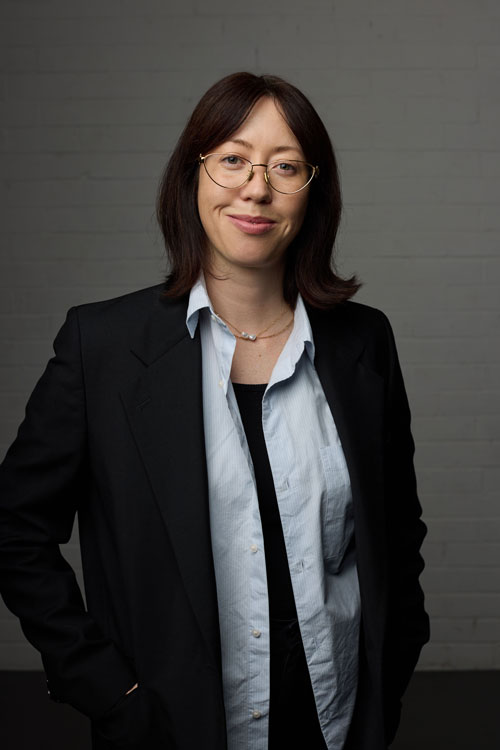
Giselle’s academic journey began with a Bachelor of Arts in Politics and International Studies, driven by a deep interest in social change. After experimenting with architecture, she discovered the missing link while working in customer service at Merri-bek City Council.
“I was exposed to planning through development applications and became fascinated with planning maps,” Giselle recalls. “Planning is an applied policy discipline—it combines the things I loved about architecture with what I enjoyed in political science and policy. Urban planning is the perfect career for me.”
Her decision to study at Monash was solidified after attending an information session, where Professor Carl Grodach’s presentation caught her attention.
“He spoke about teaching spatial intelligence, which was unique and exciting,” Giselle says.
The MUPD’s studio-based learning approach stood out as particularly valuable. “I really enjoyed those studio classes—being able to work intensively on a project and collaborate with other students was something special.”
Monash’s applied focus also gave Giselle a running start into the profession, working as a student strategic planner at Hume City Council whilst studying.
“My Work Integrated Learning (WIL) internship was a highlight. I developed practical skills like mapping and how to clearly communicate planning ideas in a professional environment.” she explains.
After graduating, Giselle brought this blend of technical skill and policy insight to roles at Infrastructure Victoria and, more recently, the Victorian Government. Her work has ranged from strategic planning to policy development and community engagement. A standout project was Our Home Choices, a landmark research initiative investigating the drivers of housing demand.
“We asked questions like: Why do people choose to live where they live? What do renters value in a home? That research helped us shape policy to encourage more housing in established suburbs close to infrastructure,” she says.
The project was later recognised at the 2024 Planning Institute of Australia (PIA) Awards—a career highlight for Giselle.
Now working closely with the Minister for Planning, Giselle’s day is anything but predictable.
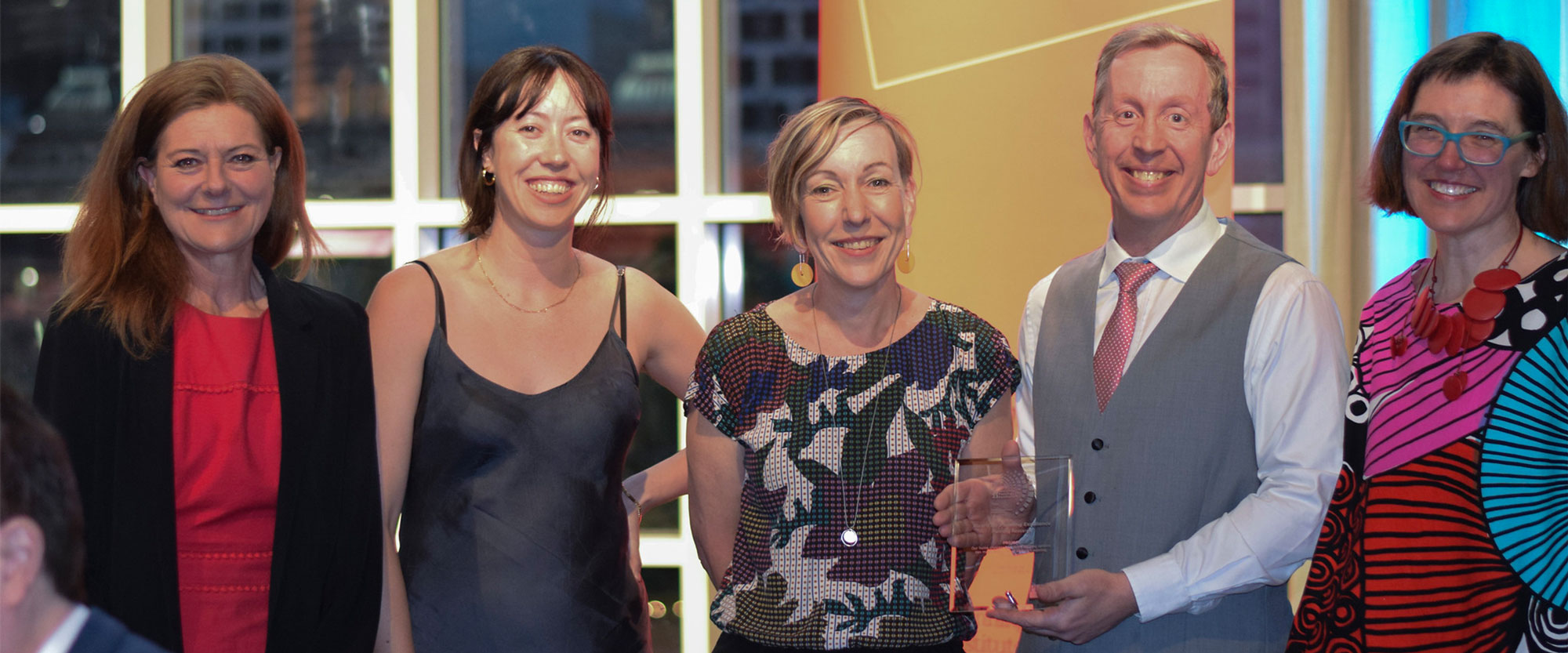 Image: Minister for Planning of Victoria Sonya Kilkenny, Giselle Osborne, Nerys Webster, Llewlyn Reynders, Kath Phelan (L-R) at PIA Awards night 2024.
 “My role involves cutting through dense information, preparing briefs, attending stakeholder meetings, and helping steer the policy process,” she says.
One of her proudest achievements in this role was contributing to the policy that stopped gas connections in new homes—a significant step toward Victoria’s net-zero emissions targets.
Giselle credits the MUPD program with preparing her for the demands of a fast-moving planning career. “At Monash, I learned how to use spatial datasets, tools like QGIS and Excel, and how to analyse land use and demographic trends,” she notes. “But just as importantly, I developed soft skills—like building relationships, communicating policy ideas, and managing competing priorities.”
Giselle describes urban planning as a field where generalists can thrive and make a tangible difference.
“In planning, you’re always thinking about the future—whether that’s a new home, a transit system, or a neighbourhood vision. In today’s political and economic climate, that ability to think creatively about the future and help others engage with it is incredibly powerful.”
To those considering a career in planning, her advice is simple: stay curious.
“Explore your neighbourhood, ask questions, and find mentors. Understanding how people interact with places makes you a better planner, no matter what field you pursue.”
“I never imagined I’d have a career this intellectually stimulating and fun. Studying the Master of Urban Planning and Design at Monash was the best decision I’ve ever made.”