
Marc Debney’s journey from practising law to creating public architecture
Marc Debney’s journey from practising law to creating public architecture
Before he became principal at award-winning public architecture firm Genton, Monash alum Marc Debney was working as a lawyer. Although his legal career was stable and well-established, it lacked something he couldn’t ignore—creativity.
Image: Reservoir station
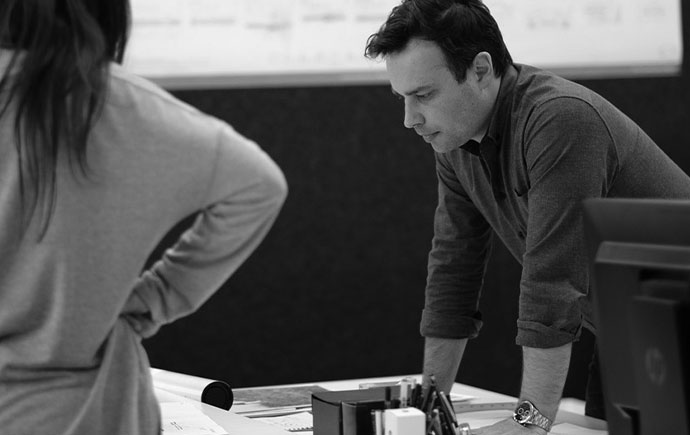
“I found being a lawyer wasn’t fulfilling my creative side,” he explains. “I’d originally studied creative arts alongside law, and in the back of my mind, I always wished I’d pursued architecture.”
It was a candid conversation with his future wife that encouraged him to act. “She could see I wasn’t happy and told me I should go back to university and study architecture. That’s when I began seriously looking into it.”
After speaking to a few architects, Marc was drawn to Monash University’s newly launched Architecture program, led by Professor Shane Murray. He was inspired by its ambition and strong connection to industry, and found the culture of experimentation and dedicated staff exactly what he needed to fully immerse himself in his new career path.
“It felt exciting to be part of something fresh—an energetic course that reflected contemporary practice.”
Reconnecting with creativity at Monash
Marc began his Monash journey part-time while still working in law. But he quickly realised the demands of architecture required full focus. “It was hard to split my mind between the two. So I left my law job and enrolled in the Bachelor or Architectural Design followed by the Master of Architecture full-time.”
Though the career change came with its challenges—adapting to student life, being in classes with 18-year-olds, and quickly learning new digital design tools—Marc found the experience rewarding.
“In my first year, I had a moment of culture shock when we started making models, but I loved it. Using my hands to turn an idea into something physical really reconnected me with my creative side.”
He credits the teaching staff with making a significant impact on his development. “People like Andrew Simpson and Ross Brewin were inspiring because they were all experienced practising architects. That made a huge difference—their teaching was grounded in the reality of the profession.”
Marc also appreciated the program’s strong emphasis on studio critiques and feedback. “Those sessions prepared me for practice. The ability to take criticism and use it constructively is one of the most important things I learned.”
Leading Genton and designing for the public
Marc joined Genton as an architectural assistant while still studying. At the time, the studio had just four staff. Today, it’s grown to over 50, with offices in Melbourne and Sydney and a national reputation for its work in public infrastructure and cultural buildings.
“We focus a lot on public architecture—rail projects, transport hubs, civic spaces. What I love is that so many people use these buildings daily. A million people might pass through a station we design. That’s a powerful thing.”
A turning point for the firm came with the Frankston Station redevelopment in 2016, which helped Genton build a portfolio in public transport infrastructure. More recently, the practice has been working on the high-profile Powerhouse Museum project in Sydney.
Genton’s culture also encourages entering design competitions as a way to break into new sectors. “We like to take on challenges—it keeps us evolving.”
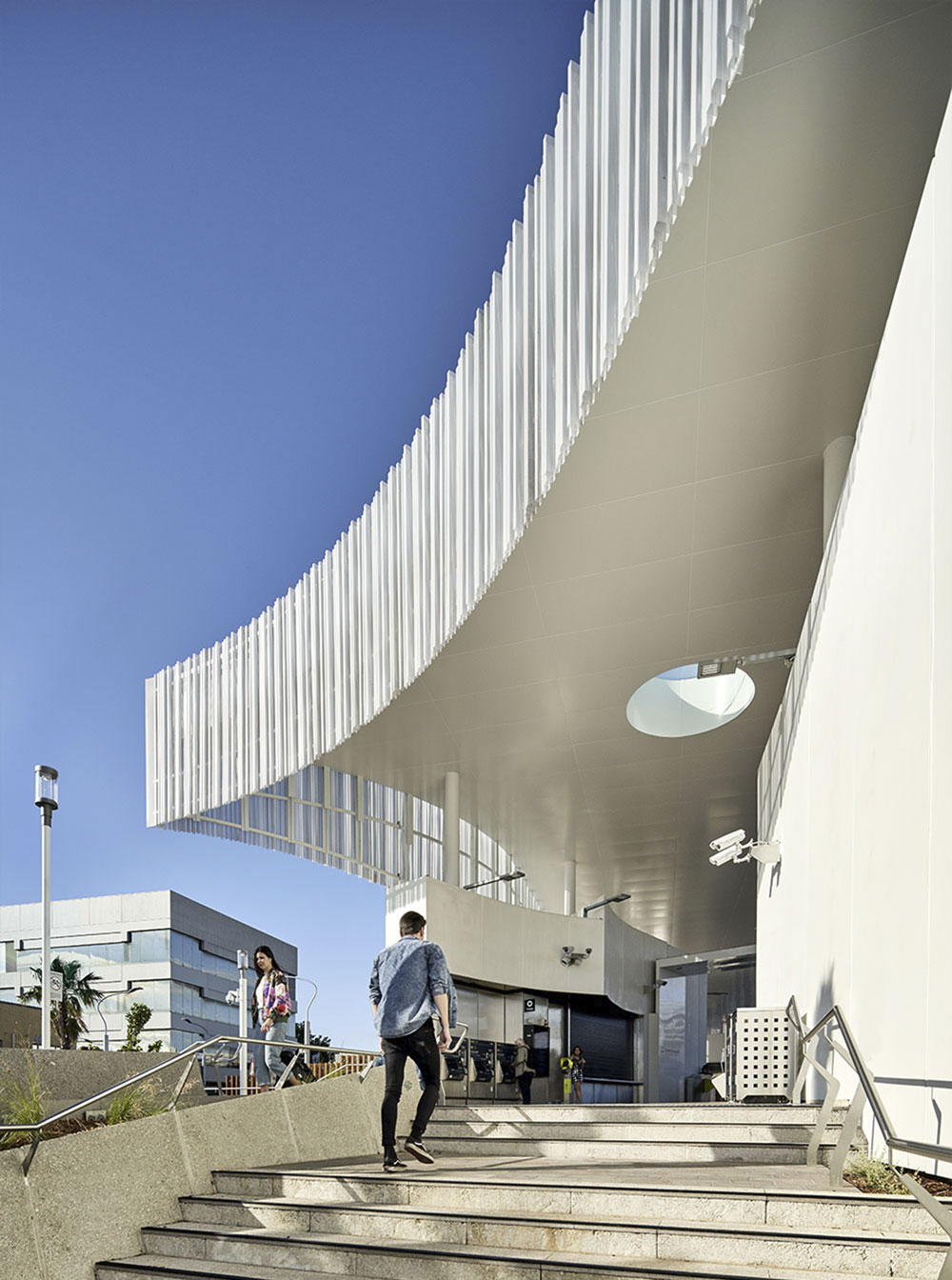
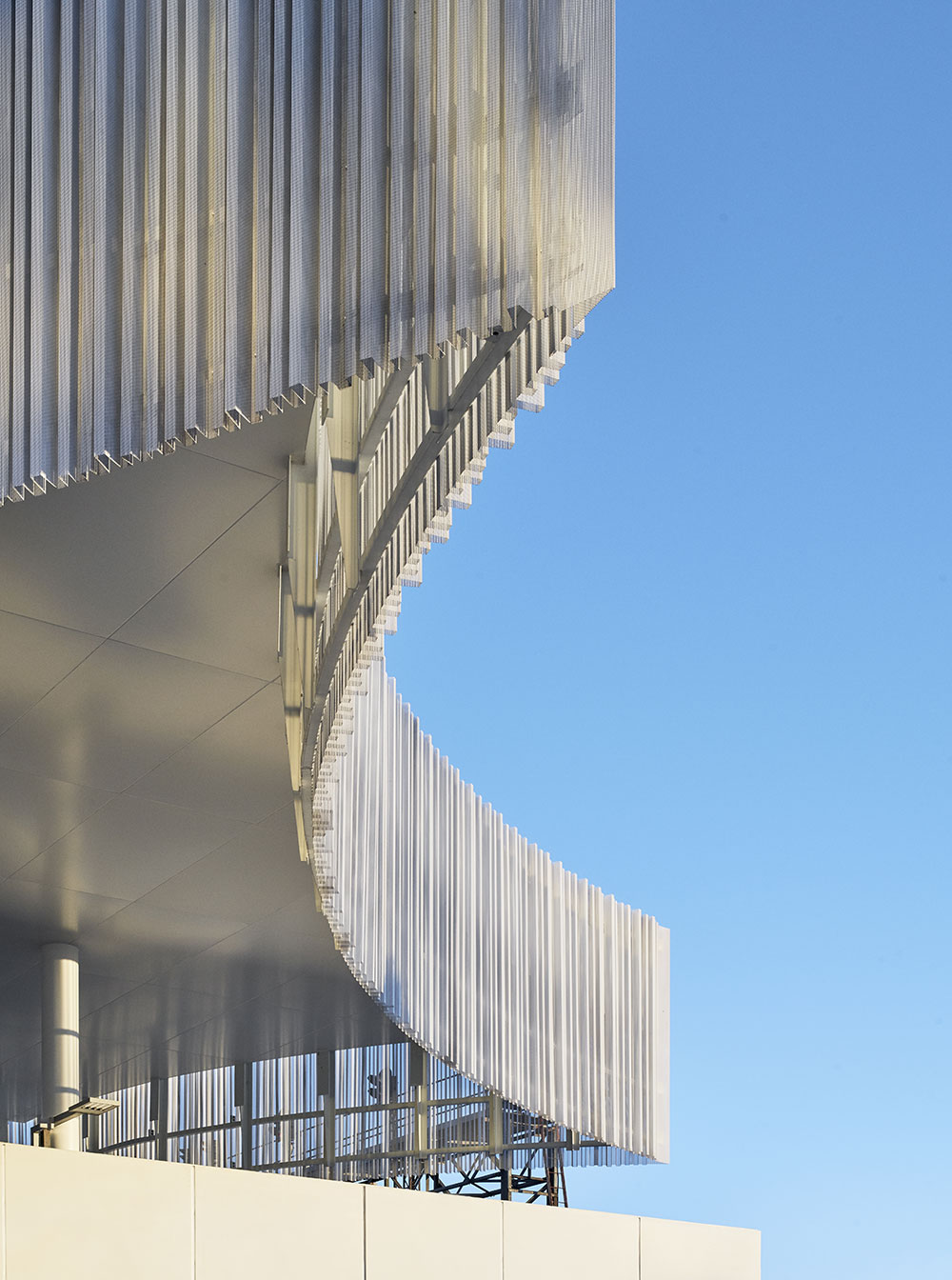
Images: Frankston station
An award-winning vision
One of Marc’s career highlights is the redesign of Reservoir Station, a project that went on to win the prestigious international Prix Versailles award for design excellence—without even being submitted.
“They found us and published the project. That international recognition gave us confidence that we were working at a high design standard.”
Marc’s vision for the station was guided by simplicity and sustainability. “A lot of transport projects use huge amounts of cladding and materials. I wanted to take a different approach—what if we celebrate engineering instead of covering it up?”
The design used minimal materials, allowing the station’s structure to form a symbolic arch that linked both sides of the shopping strip. A shimmering screen referencing the site’s water infrastructure became a key visual feature. “It felt right in its context—resolved without being over-designed.”
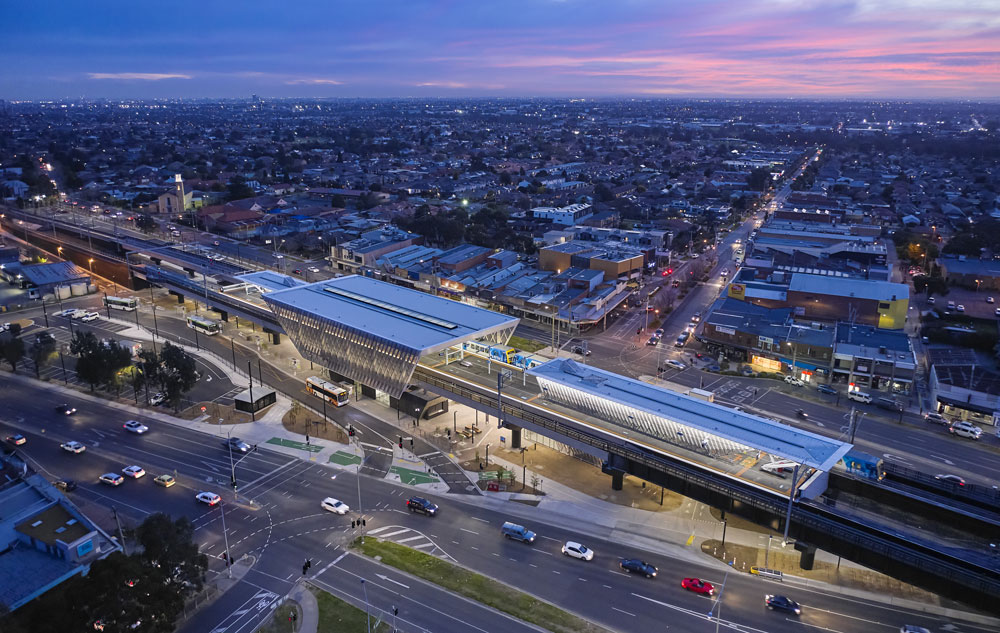
Image: Reservoir station
Lessons in practice and the value of Monash
Now leading a large team, Marc enjoys mentoring junior architects and collaborating across multiple projects.
“Architecture is still creative and intellectually challenging, even at a senior level. But it’s also a job of communication, management, and problem-solving.”
He continues to draw on lessons from Monash in his day-to-day work.
“The drawing and technical skills I learned are essential. But the most important thing was learning how to present work and take on feedback. That skill set still serves me every day.”
For aspiring architects, Marc offers honest advice: “Architecture requires flexible, creative thinking. It’s all about collaboration—with colleagues, clients, stakeholders. You need to be good at working with people.”
He has no hesitation recommending Monash to future students.
“The culture at Monash Art, Design and Architecture (MADA) is creative, supportive, and well-connected to industry. The lecturers know who you are and genuinely care about your learning. It doesn’t feel like an academic bubble—everything we did was tied to real-world practice.”
More than a decade after taking a leap of faith into architecture, Marc has found not just a new career, but a vocation—one that’s transformed public spaces and improved how thousands of people experience their city every day.