Hibbs - Leukocyte Signalling Laboratory

Our people | Research overview | Research projects | Grants | Recent publications

2019 Hibbs group
2019 Hibbs group: L-R: Back row: Dr Jessica Borger, Mr Elan L'Estrange-Stranieri, Dr Timothy Gottschalk, Ms Kathleen Strumila, Dr Evelyn Tsantikos. Front row: Ms Lakshanie Wickramasinghe, Dr Maverick Lau, A/Prof Margaret Hibbs, Mr Erskine Chu, Ms April Raftery.

Our people

Laboratory Head

Leave this here so that Accordion nested does not detect this CT as not existing.

Research overview

The Leukocyte Signalling Laboratory studies signalling pathways that play a role in immune system development, function and disease. The lab is particularly interested in the pathways and processes that become dysregulated in autoimmune and chronic inflammatory diseases. The chronic inflammatory diseases that are studied in our lab include lupus, inflammatory bowel disease, asthma and chronic obstructive pulmonary disease (COPD). These diseases are prevalent in Australia and are major contributors to morbidity and mortality amongst Australians. To aid our studies, we have developed unique experimental models and research analysis techniques, we have ready access to patient samples through established clinical links, and we utilise advanced research methodologies. We aim to identify key pathways or targets for therapeutic intervention, with an overarching goal to develop new ways to control inflammation and restrain chronic inflammatory disease progression.

Research projects for students

Interactions between eosinophils and alveolar macrophages in lung disease

Eosinophils are usually associated with type 2 immune responses such as asthma. We have recently discovered that the presence of hyperactive eosinophils from birth perturbs lung development and drives the expansion and activation of alveolar macrophages. In this study, the student will use animal models, bone marrow transplantation, flow cytometry, and cell culture techniques to investigate the signals that drive this response, examining its temporal development and assessing if the phenotype is imprinted or reversible and dependent on the lung tissue environment. Supervisors: Dr Evelyn Tsantikos, A/Prof Margaret Hibbs 

New players in lung development and neonatal lung disease

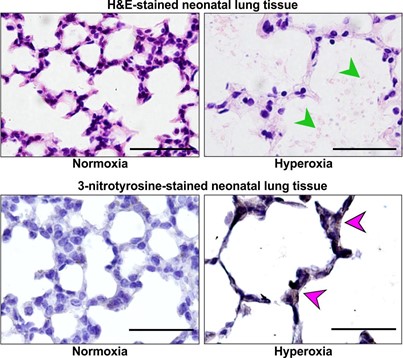
Bronchopulmonary dysplasia is a severe lung disease that is the major cause of disability and death in premature infants and it predisposes to the development of chronic lung disease in later life. In this study, the student will use an established neonatal model of bronchopulmonary dysplasia where mice receive high oxygen from birth for 14 days to mimic the setting in the neonatal intensive care unit. Using flow cytometry, histopathology, and lung disease quantitation techniques, they will examine the lungs of mice lacking key cellular and molecular mediators to explore their role in lung development and disease. Supervisors: Dr Evelyn Tsantikos, A/Prof Margaret Hibbs

The lymphatic vasculature in neonatal lung disease

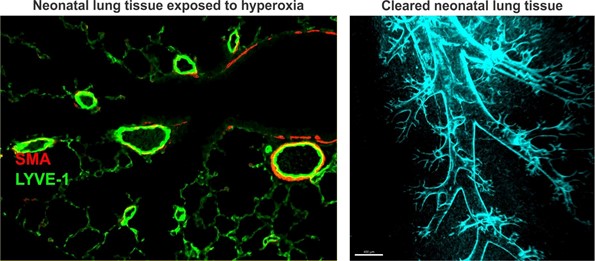
Bronchopulmonary dysplasia is a severe lung disease that is the major cause of disability and death in premature infants. We have discovered that supplemental oxygen treatment of the newborn induces abnormalities to lung lymphatic vessels, essential fluid channels in the lung. In this study, the student will use immunofluorescence and imaging to examine the structural elements in the developing neonatal mouse lung, including the epithelium of the upper and lower airways and alveolar airspaces, the lymphatic and the blood vasculature, and how these are altered in response to hyperoxia. Supervisors: Dr Evelyn Tsantikos, A/Prof Margaret Hibbs

Grants

  • Lupus Research Alliance Distinguished Innovator Award APP645479; Novel therapeutic approach for SLE (2020-2025)
  • NHMRC project grant APP2019558; Dysregulated lymphatic vasculature in the pathogenesis of bronchopulmonary dysplasia (2023–2026)
  • NHMRC project grant APP2029165; Targeting granulocyte colony-stimulating factor to prevent early-life lung disease (2024-2027)

Recent publications