The Sophie Davis Memorial Prize
About Sophie Davis
Born in 1908 in London, Sophie migrated to Australia with her family as a child. She later married Morris in 1933 and had two sons. As was the custom for women at the time, she didn’t attend university. However, her two brothers had the opportunity to do so, with one going on to become a prominent QC, and the other a respected doctor. Her younger sister was also determined to complete a university degree and did so in her 70s.
Her husband Morris was a prominent doctor and teacher, a senior physician at the Alfred Hospital, whose patients included prime ministers and famous sportsmen. Sophie joined him during his overseas travels to take up scholarships in the United States and the United Kingdom. While travelling, Sophie came up with the idea of an exchange scholarship, where a medical student from the University of Melbourne and the Hebrew University in Jerusalem would be provided with the opportunity to study or work on exchange. To fund these scholarships, she formed a committee known as the Campus Fair Group of Jewish Women, which aimed to raise funds through a one-day campus fair. In a single day, the group raised the modern-day equivalent of $400,000 to fund the scholarships. The Campus Fair group then turned their efforts to raising money for Melbourne hospitals and education facilities.
Sophie was unfortunately hampered in her efforts by a cardiac condition that often saw her confined to bed rest. She continued to run meetings from her bed however, and kept up her fundraising and community efforts until she died in 1966, at the age of 57. After her death, her friends in the Campus Fair Group of Jewish Women wanted to honour her memory and legacy in supporting medicine and education. Sophie’s husband and son, both being doctors, helped make this a reality.
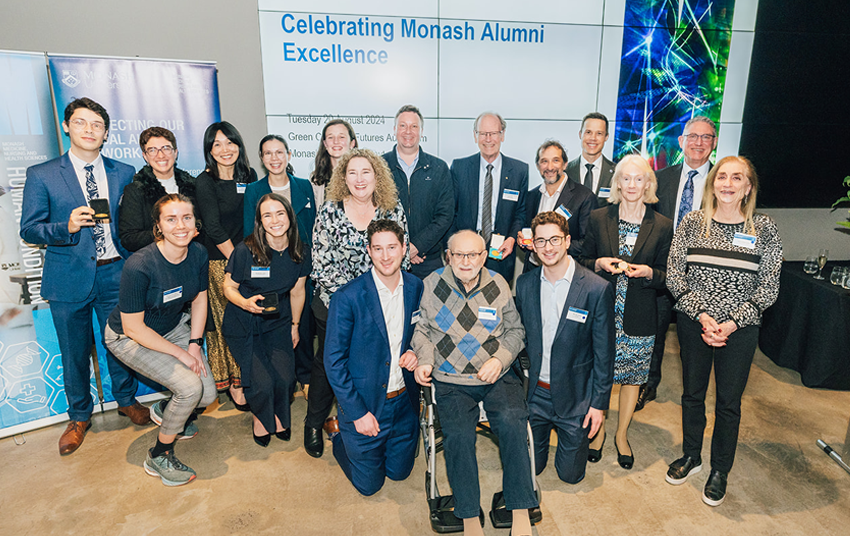
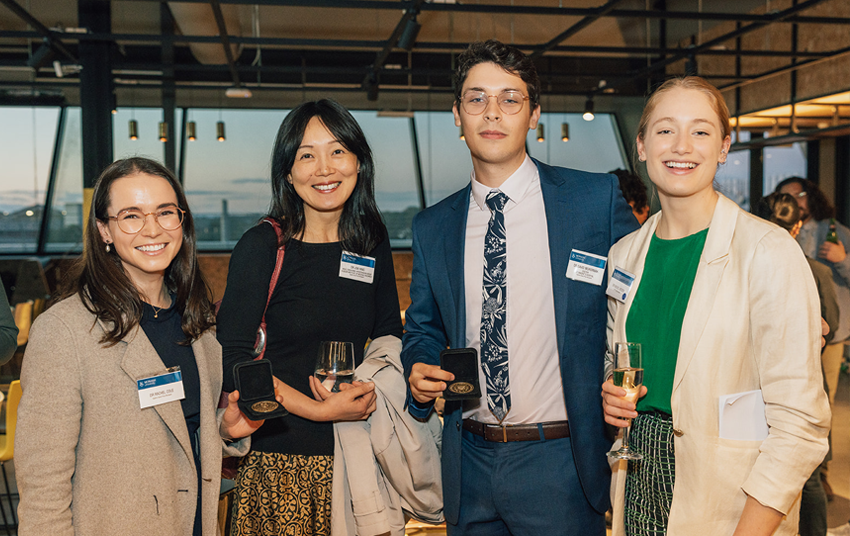
Monash University was founded only five years earlier in 1961, and it didn’t yet offer an award for its top medicine student, the inaugural cohort of which had only recently graduated in 1966. Morris and Sophie’s brother-in-law, with the support of the Campus Fair group, proposed that an annual award be established in her memory, one that recognised the student with the highest aggregate mark throughout their studies. The University accepted the proposal and the Sophie Davis Memorial Prize was born. The inaugural prize was awarded to Don Bowden in 1968, who later became a renowned haematology professor with a long association with Monash University and Monash Health. The medal itself was designed and struck by Morris, an amateur artist, and incorporates sunflower imagery reminiscent of a Besamim box used by the family as part of the end of Sabbath ritual. Fifty-seven awards have since been issued by Monash University, with many of our Sophie Davis alumni developing into distinguished leaders in their fields.
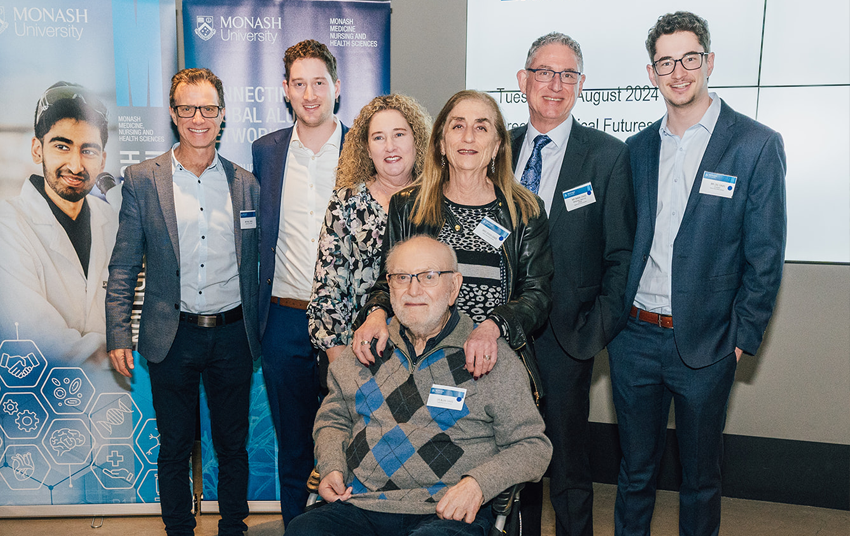
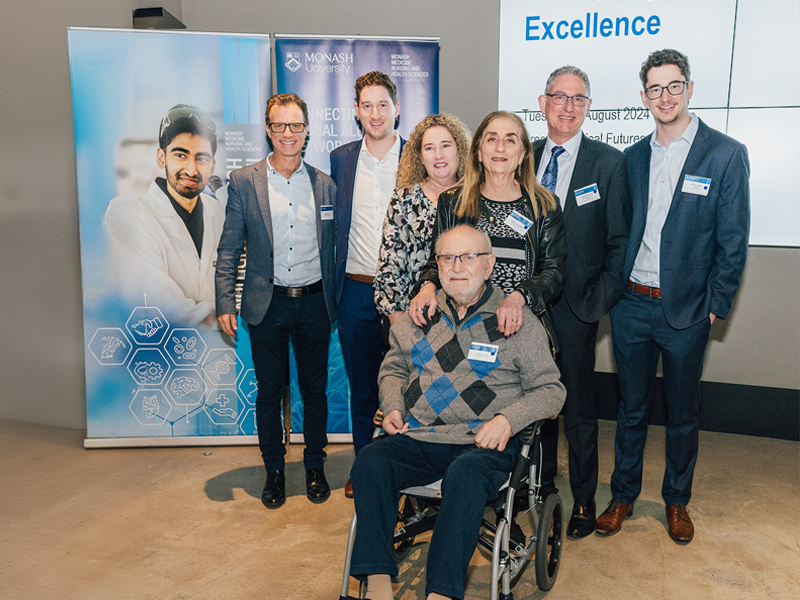
Four generations of the Davis family have presented the award over the decades. The prize is special to the family in many ways, firstly as a way to honour a much-loved and respected family member who made a significant contribution to the community. The prize also honours the Davis family’s lifelong association with medicine and a commitment to improving health outcomes in the community. Finally, the prize honours the family’s long association with Monash University since its beginnings in the 1960s. They are proud to play a small part in recognising and encouraging effort, ability, talent and potential in our very best medicine students, in the hope that they’ll become the leaders of their chosen fields and advance health outcomes in Australia and beyond.