I need to take a holiday from being a parent
I need to take a holiday from being a parent
Monash Life |Thriving Communities | So how are you really? | 2 minute read
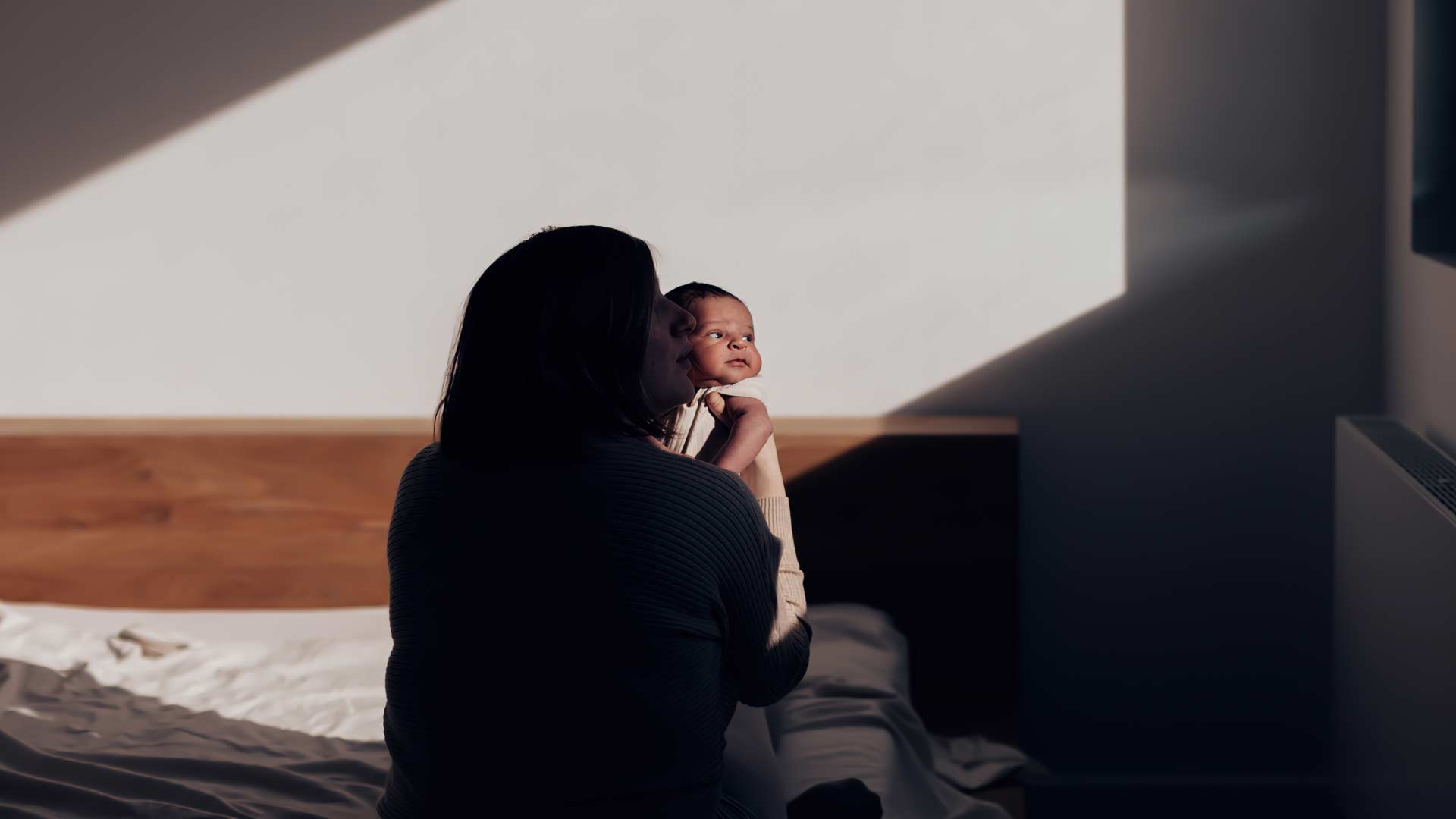
Camille Wilson, Head of Service Delivery at consultancy Transitioning Well, knows how you feel.
Every parent knows how stressful it is looking after young children. The 24/7 responsibility of developing and keeping safe a vulnerable human being – while sometimes feeling the world is watching and judging you – can seem an impossible task. But if you don’t care for your own mental health, as well as caring for your child, that stress can escalate – with calamitous consequences for you and your child.
Parental burnout – a medically recognised syndrome – is the physical, mental and emotional exhaustion from looking after your child. “Everyone knows about professional burnout, but fewer people are aware of parental burnout, which is a unique and distinctly different syndrome,” says Camille Wilson (Graduate Diploma in Psychology, 2023), Head of Service Delivery at consultancy Transitioning Well, which advises companies on how to “manage the messy intersection between life and work”.
Of course, every parent has bad days, but parental burnout has four dimensions: emotional exhaustion; feelings of being fed up with parenthood; emotional distancing from your children; and feelings of ineffectiveness and shame. And burnout can creep up on you.
“The challenge with all mental health issues is that we tend to keep going and going, convincing ourselves and others everything is okay,” explains Wilson. “We’re well, well, well– until we’re not. That’s because we’ve ignored what’s happened to us internally. We tell ourselves: ‘I’m good, I don’t need help’, and pay so little attention that we get ill.”
But the implications and dangers of parental burnout spread much wider than just the parent suffering. “Exhaustion from the parental role can start with small, subtle signs such as headaches. Then the parent starts to withdraw from their kids and they become emotionally detached, so that when the child cries, the natural compassionate reaction to run towards them isn’t there, or it feels forced. At the very severe end, of course, we see neglectful and violent behaviours towards children.”
And all of this is compounded with a shame and self-loathing that comes from a false belief that you should be able to cope ‘naturally’. “We all seem to have this socially prescribed idea of parental perfection – that you should work full time and still be a good parent who has time for their kids, feeds them nutritionally and is the best role model they can be,” says Wilson.
“And you see parents on social media with their perfect pictures of their perfect children that give you this completely false impression that everyone else finds it really easy. No one else has peanut butter on their face, while you’re thinking: ‘I can’t get the Cheezels out of my own hair, never mind my child’s.’
“It’s as if we all have to put on this front – ‘Everything’s perfect, I love the newborn phase’ – when what we’re really thinking is: ‘I thought this would be fun and joyful, but it’s really stressful.’ But other parents know what an impossible job it is to be perfect all the time. Often other people aren’t judging you, but you’re judging yourself with a lack of self-compassion.”
Burnout has become more prevalent as expectations of parenthood have changed through the generations, says Wilson. Social media gives us a far wider exposure to other parents and children, and therefore far greater reinforcement to believe we’re doing a bad job. But behaviours have changed, too.
“Back in the day, parents were stricter, but we also had one primary parent – the mother – who stayed at home and raised the children,” she says. “Mums never expected to be workers and parents – these days there’s more chance of burnout as they feel expected to do both.
“And it’s not just mums’ roles that have changed – now more dads are hands on with their kids, and most parents are both working and sharing the childcare. That changes parenting styles and, therefore, behaviours and expectations of parents – and children, too.
“In Australia, we’ve moved away from the authoritarian ‘do as I say, be seen and not heard’ approach to a new style: ‘I have moderate demands of you, which gives you more autonomy, but I’ll also give you high levels of support.’ How we respond to our children has changed, and sometimes traditional expectations don’t match that.”
A misplaced sense of shame over your inability to cope compounds the problem, says Wilson, because it stops you asking for help. “People beat themselves up, asking: ‘Why can’t I swaddle my baby? Why can’t I wrap him properly?’ It’s because it’s a skill. For some reason we tend to think we’re presented with this tiny human and automatically should know how to do everything right. But why would we know? Everyone has to be taught.”
So how, when parenting is full on, can you be kinder to yourself? “People will advise things like: ‘Just give yourself five minutes in the day.’ But you don’t have that luxury, so I’d advise exploring how you can be more mindful in the moment with your child. If you get thoughts like ‘I should be better at this’, learn to just note it, observe it and get back to what your child is doing.
“Even understanding – without judgement – how much you tend to not be in the present moment, and realising something needs to change, is an essential first step to feeling better.”
Then, Wilson advises, focus on the mindfulness ‘control influence model’ – understanding and accepting what you can’t change and focus on what you can. “What’s out of your control is: ‘My child’s difficult, they cry a lot and I can’t take them to daycare any more days a week without making more money.’
“But you can control other things: ‘This morning, instead of doing the laundry and pressuring myself to do everything all at once, I can have a cup of tea and absorb myself in the moment with my child.’
“Your aim is to work out what you can change and then reduce demands and increase resources. You avoid burnout by practising self-acceptance – that is, embrace being an imperfect parent. The truth is that everyone else is imperfect, too.”
Camille Wilson is a keynote speaker, facilitator and consultant, and Head of Service Delivery at Transitioning Well.
So how are you really? Camille Wilson’s top tip:
- Be kinder to yourself. “Remind yourself every day that you’re doing a good job. Be present in the moment with your child and observe and note your thoughts and feelings. Reach out and connect with people. Acknowledging and believing you’re doing the best you can is a very positive factor in your mental health.”