Taking positive action
Making a profound difference to Parkinson's disease research
Trevor Prasad says leaving a gift in his Will is helping him take back control.

When Trevor Prasad was diagnosed with Parkinson’s disease in 2018, he was determined to find the best way of living with it. “When you’re diagnosed with a disease, you can spiral into despair,” he says. “Or you can lift yourself and look upon it as a great opportunity – to take control of your condition, outlive your condition, and just get on with life.”
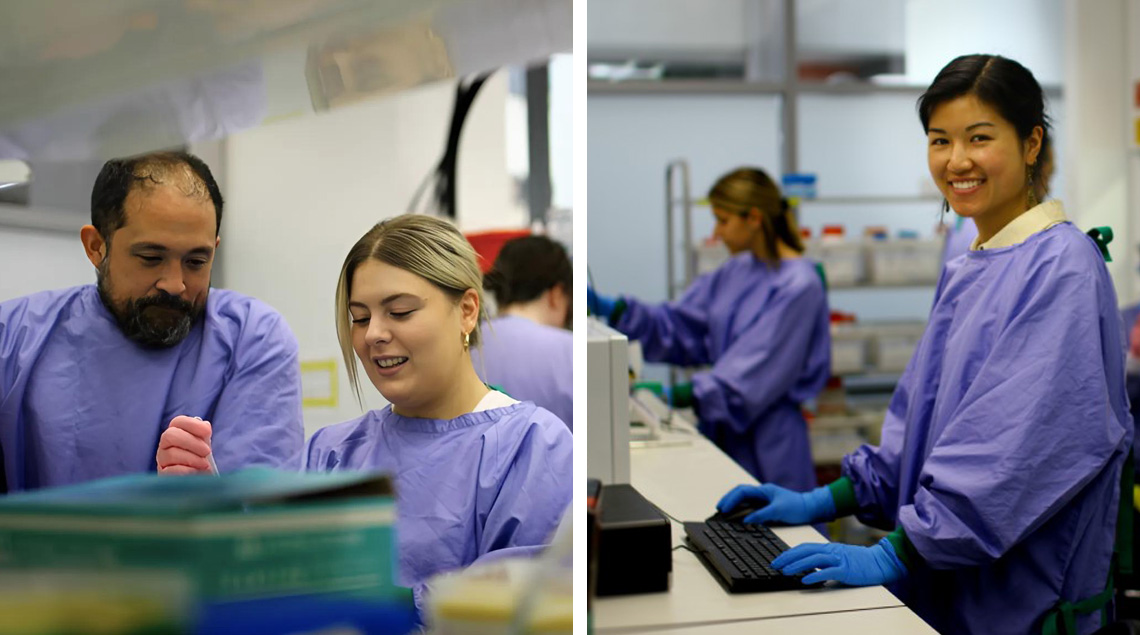
Wanting to know more about the most cutting-edge research and thinking on Parkinson’s, Prasad contacted the Monash Biomedicine Discovery Institute (BDI) and the Gastroenterology, Immunology and Neuroscience (GIN) Discovery Program at Monash. Both are working to uncover how our brains interact with our immune, gastrointestinal and central nervous systems (and each other), and how that might relate to conditions such as Parkinson’s.
Prasad was so impressed with the people he contacted, and the expertise they shared on everything from blue-sky research to the latest thinking on living with the condition, that he has now generously decided to leave a gift to Monash in his Will.
“I feel such an affinity for Monash and its quality global research, and know my gift is going to make a positive difference.”
“By involving students in their work to solve the gut-brain axis, they are changing the outlook of the next generation of clinicians.” He has shared his intentions with his family and his children. “It’s important that they know my wishes. And I want my kids to realise that it’s nice to be able to make change and support something important.”
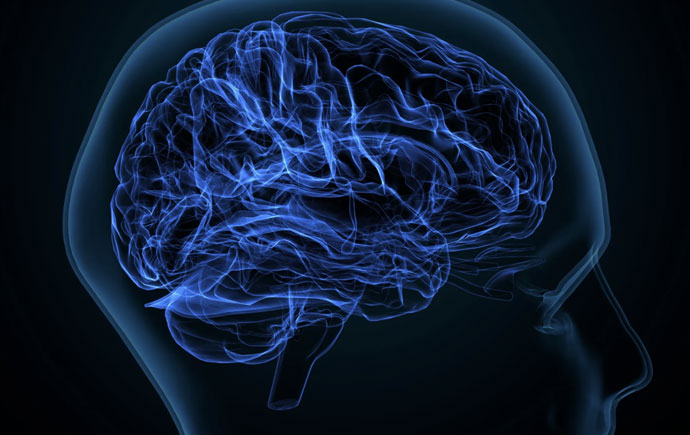
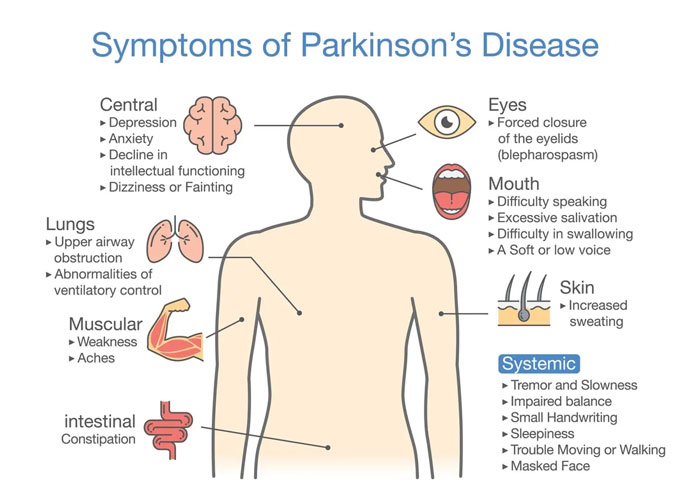
Such a gift has the potential to make a profound impact. Parkinson’s disease is one of the world’s fastest growing neurological diseases, affecting more than 219,000 people in Australia. Symptoms include physical problems such as tremor, slowness and stiffness, gait and balance problems, and non-motor symptoms including depression, anxiety and sleep disorders. It progresses slowly – but currently has no cure.
“And prevention of Parkinson’s is a key trend that everyone is looking at,” he points out. He is already taking measures to try and slow the onset of the disease – such as following an anti-inflammatory diet which Monash researchers have studied – and which he believes has reversed some symptoms.
I don’t focus on whether I can stop this disease or reverse it. I just try to do something positive that makes my life better today.
“It’s empowering to learn how I could have an impact on my symptoms,” he says. “The words that I like to use on my Instagram are ‘positively questioning’, and I also tuck in the word ‘restorative’, because I always believe that there’s things that you can do that you can improve on. I don’t focus on whether I can stop this disease or reverse it. I just try to do something positive that makes my life better today.”
But, he adds, more research in this area is crucial. “There is plenty that reminds me that this isn’t going away – such as my walking gait and shaking in my hands,” he says. “But we need more research to quantify what’s going on, to take it from the anecdotal to data and facts we can observe. Getting involved allows you to get closer to the research, and when we get involved, we start to take control of our diagnosis.”
Prasad also points to the way Monash encourages collaborative and multidisciplinary working – The School of Translational Medicine (STM) model, where clinicians, researchers and students come together – as a key factor behind his decision to give. “We’re all a product of our current thinking: that’s a reality. The STM is training the next generation in whatever will be coming down the pipe, whether that’s stem cell treatments or other innovations. It’s a very holistic view, and a circle where everyone gets to learn from each other, from undergraduates to clinicians.”
For example, he recently met with a group working on a new aspect of stem cell treatment. “It was so exciting seeing the innovations that Monash continues to drive – it’s the new frontier in terms of a lot of medical research, not just for Parkinson’s. It was great to meet the people driving the GIN Discovery Program, too: that collaboration can only help accelerate the research.”
Prasad is confident his gift will have tangible results. “I’m smart enough to recognise that I don’t know what the shape of research will be. But I’m very comfortable with the legacy of Monash itself – its history, its pedigree and what it represents.
I have faith that the organisation will continue to be innovative and world class in what it does.”