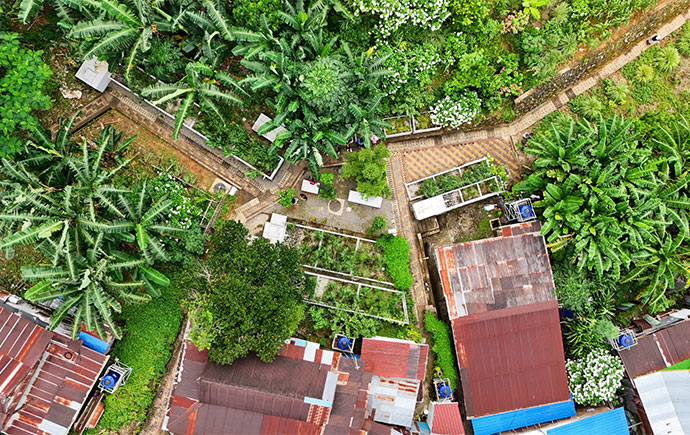
Transforming Cities Hub
We develop scalable context-responsive solutions to address the pressing challenges of urban inequality, climate change and environmental degradation across cities in the Indo-Pacific.
Learn more
At the Department of Architecture at Monash University, research is conducted through design and verified in practice. Projects operate as test beds where drawings, prototypes, and buildings generate evidence about housing affordability, climate adaptation, and low-carbon construction.
Working with government, industry, and community partners across Australia and the Indo-Pacific, studios translate ideas into outcomes: retrofit strategies adopted by councils, construction assemblies trialled with builders, neighbourhood housing models developed with providers, landscapes designed as water filtration and flood mitigation systems for communities, and post-occupancy studies measuring heat, energy, and use. A façade mock-up tests thermal performance and labour cost; a suburban infill prototype evaluates density and liveability; a community plan informs planning controls.
Five themes guide the work—housing and suburbia; Indo-Pacific urbanisation; climate and spatial justice; Country and Indigenisation; and material reuse and decarbonisation. Design is treated as evidence, not illustration. The aim is implementation: research that informs policy, guides development decisions, and improves everyday environments—producing architecture that is equitable, resilient, and materially accountable.
We develop scalable context-responsive solutions to address the pressing challenges of urban inequality, climate change and environmental degradation across cities in the Indo-Pacific.
Learn more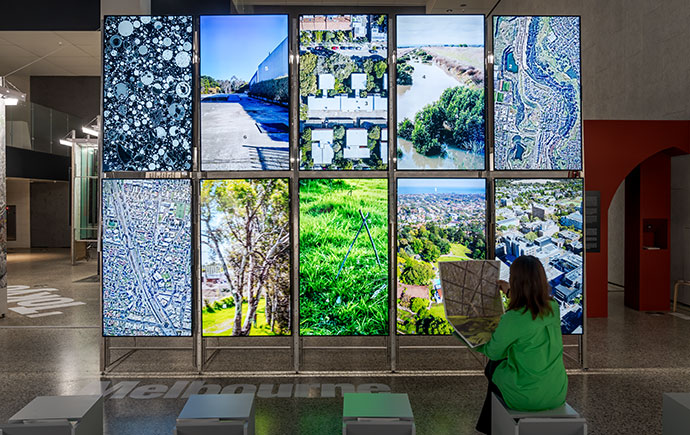
Monash Urban Lab focuses on how we can reset, repair and reimagine our relationship with the built environment through architecture and urban planning.
Learn more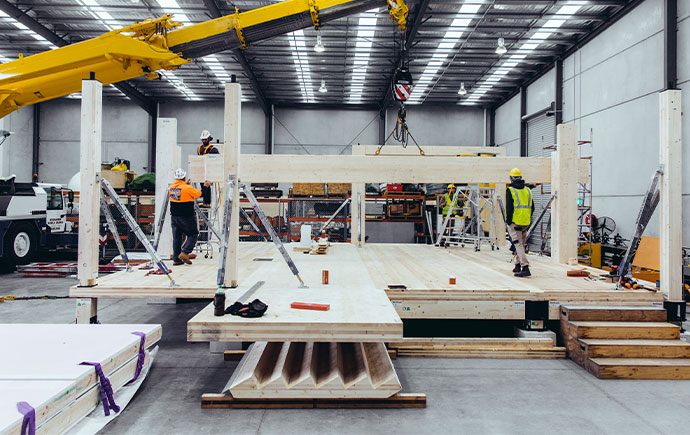
Future Building Initiative works with industry and government stakeholders to explore better building practices and built form outcomes.
Learn more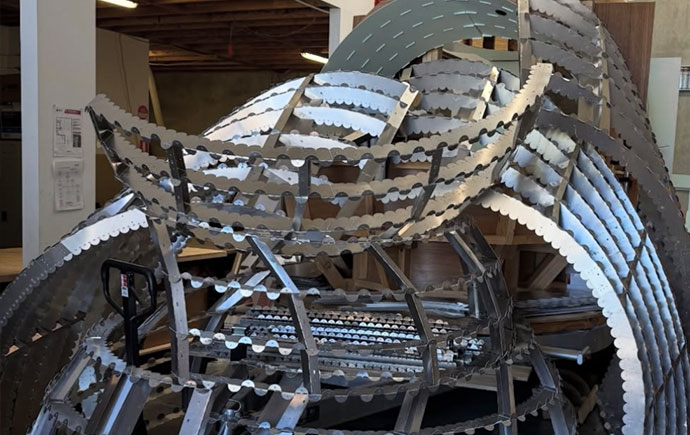
The Afterlives of Cities research cluster focuses on research into the roles of imagination and play in collaboratively conceptualising and realising a future built environment. The core research team includes expertise in architecture, digital fabrication, and art installation. Their approach to working together encompasses a range of activities that sit alongside more traditional architectural practices, highlighting concern for the historical, cultural, and technological landscape as it re-composes urban experience. Their projects in this investigate and reaffirm the ethical role of play in civic creative practice through ‘making together’: that is, via community-led engagement in material reuse, participatory workshops, and creative outputs. These ongoing endeavours constitute a parallel discussion to futures can be made in juxtaposition with an increasingly urbanised world.
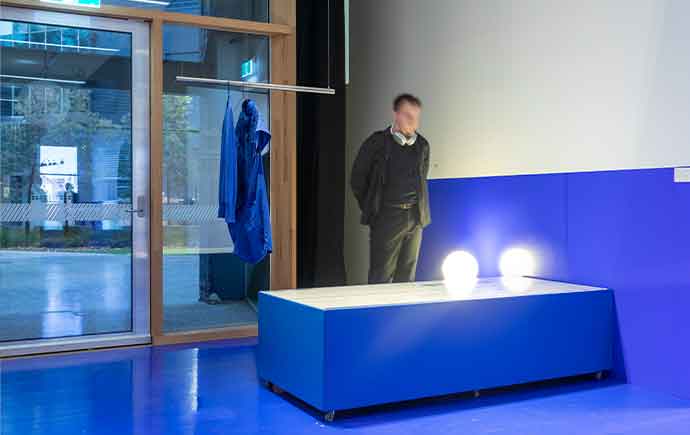
The Art/Architecture Intersections research cluster brings together practitioners and scholars working at the intersection of architecture, art, design and other creative disciplines. It supports expanded and emerging forms of practice that move beyond architecture as the design of buildings, embracing collaborative, relational, and experimental approaches to making, thinking, and teaching. Conceived as a conduit between existing labs and departments, the cluster connects critical scholarship, curatorial practices, discursive formats, and creative research with a public reach. It provides a shared framework for work that often operates across, or in excess of, established disciplinary structures – linking practice and theory, and traditional and non-traditional research.
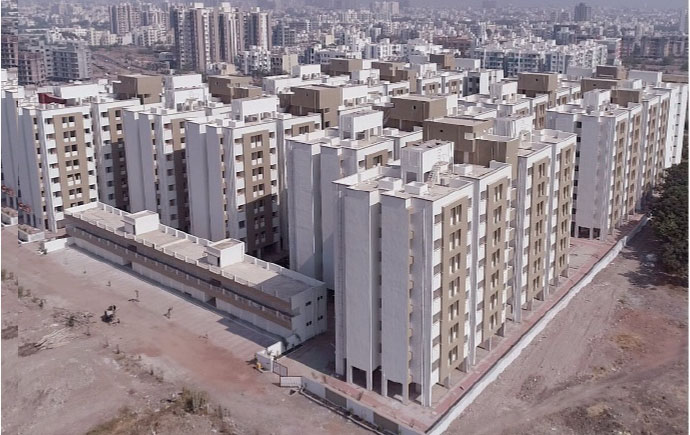
Monash Art, Design and Architecture is a Global Research Partner of the Global Buildings Performance Network (GBPN), advancing climate mitigation and adaptation policy and practice in rapidly urbanising countries. Monash researchers collaborate with international partners across Australia, India, Indonesia, China and Africa on action-research and knowledge exchange initiatives. Through co-designed research and stakeholder engagement, projects identify locally specific policy challenges and develop contextualised methods for data collection and analysis. This adaptive approach translates research into evidence-based pathways for strengthening and implementing building climate policies. Current projects include Policy Action for Decarbonising Buildings in Asia; the Solutions Lab for low-carbon transitions; the Net-Zero Precincts Living Lab (Melbourne); the UNFCCC Buildings Breakthrough Agenda and Common Carbon Metric (Kenya); the UNEP Global Status Report; and the Climate Safe Schools Program.
Learn more

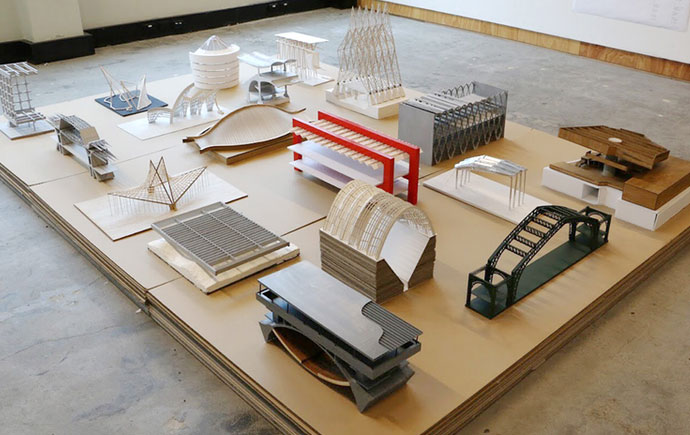

We believe that design is a form of responsibility. Our teaching and research confront architecture’s central question: how to build equitably in a rapidly warming world.
Contact