
Monash designers win five Good Design Awards
Monash Art Design and Architecture (MADA) celebrates five winning projects by our designers and researchers at the Australian Good Design Awards this year, spanning airport security, queer visibility in public space, rethinking policymaking, reimagining residential care for eating disorders and sensory wellbeing design, reflecting the breadth of Monash's design talent.
Gold for Passenger self-screening: Streamlining airport security
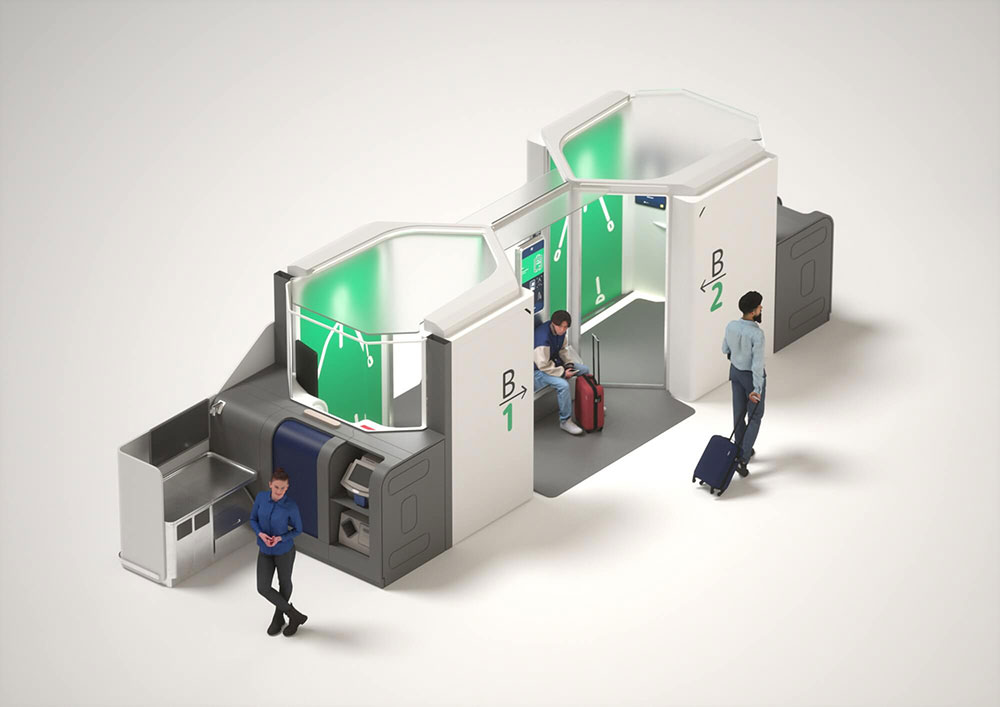

Monash's Design Health Collab, led by Professor Daphne Flynn together with technology partner Micro-X, won gold in the Research category for a Passenger self-screening security checkpoint concept , developed in partnership with the US Department of Homeland Security (DHS) and the Transportation Security Administration (TSA).
The project tackles the often frustrating airport security bottleneck. Replacing CT scanner queues, the design proposes a network of compact, modular self-screening booths similar to a supermarket self-checkout, allowing travellers to move through verification, health and security checks in a single, streamlined step.
Input from XYX Lab and Mobility Design Lab shaped a faster, more scalable and more human experience that eases congestion while restoring a sense of respect and autonomy to the passenger experience.
“The Jury praised the reframing of airport security as a human-centred experience… with strong potential impact across commercial, social and operational dimensions through improved passenger dignity, reduced staff burden and increased throughput.”
Professor Flynn says:
"We set out to put the passenger, not just the process, at the centre. Seeing the jury recognise that reframing, from compliance to human-centred experience, reflects years of collaborative research into how design can transform something as universally experienced as airport security.”
Queer Stories: Making LGBTIQA+ histories visible
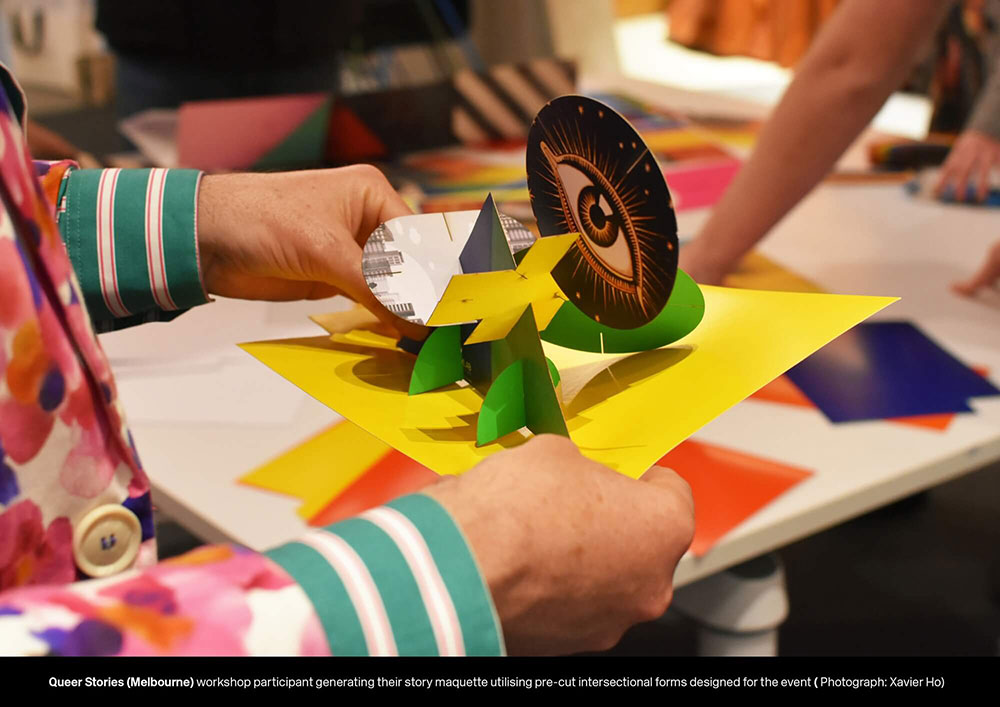
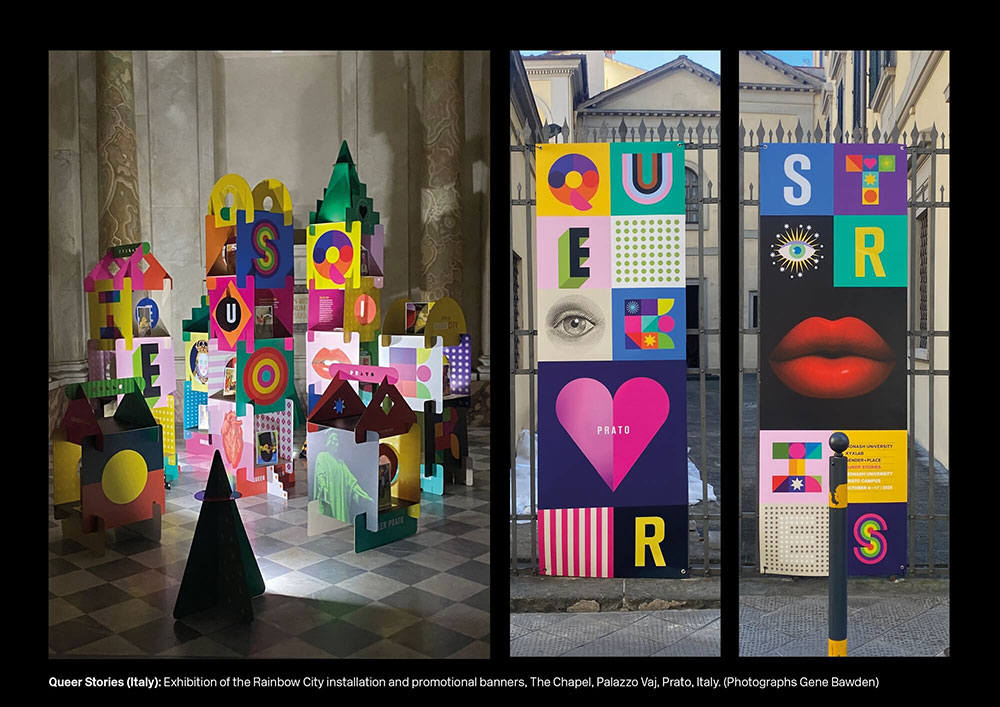
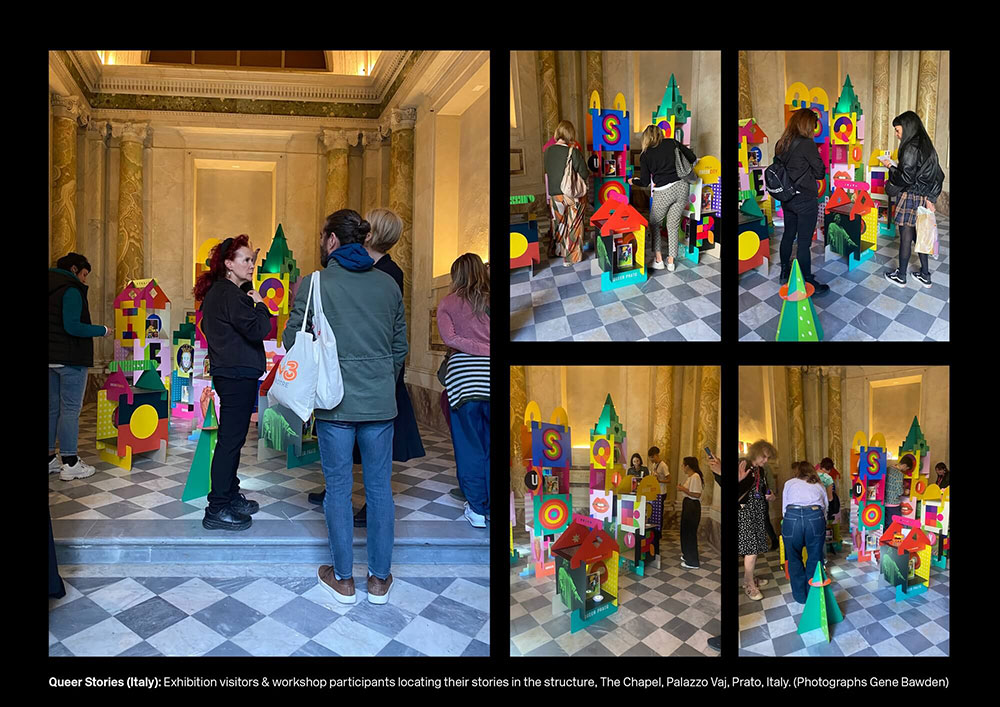
Professor Gene Bawden, Associate Professor Jess Berry, Professor Nicholas McGuigan, Professor Nicole Kalms and Monash's XYX Lab won a Good Design Award in the Built Environment | Installation category for Queer Stories, surfacing LGBTIQA+ histories and lived experiences in public spaces through a spatial intervention of intersecting shapes, colours and symbols shown at the Victorian Pride Centre during Melbourne Design Week, before heading to the Monash Prato Campus, Palazzo Vaj Chapel in Italy.
Queer Stories is part of a research program linked to the Curious Cities Symposium in Prato in 2025, laying groundwork for a third book edited by XYX Lab book on queer design, placemaking, and queer histories of place.
“The jury commends the innovative use of craft to weave together story and place... adaptable for other marginalised communities. This genuinely warm initiative demonstrates excellent use of design to build individual creative confidence while encouraging broader community connection and celebrating diversity.”
Associate Professor Jess Berry says:
“Queer Stories is about making visible the lived experience of the LGBTIQA+ community, celebrating the spaces and places in which they feel safe, joyous and experience a sense of belonging. Learning for these stories means we can develop models of inclusion that can be replicated in other public spaces.”
CAMP: Reimagining how policy anticipates the future
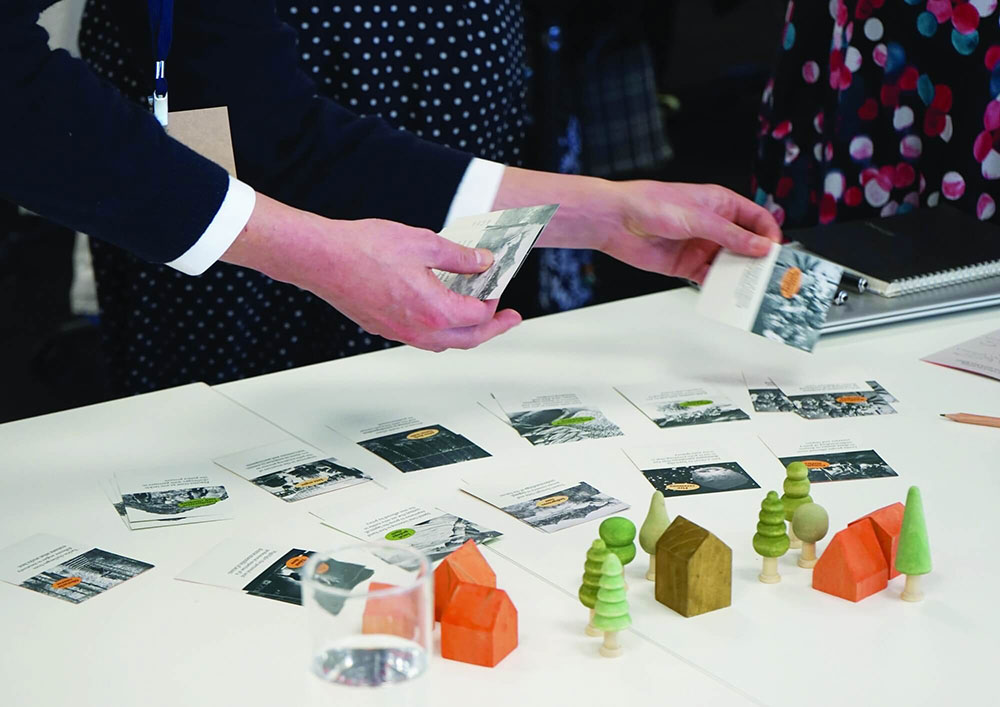
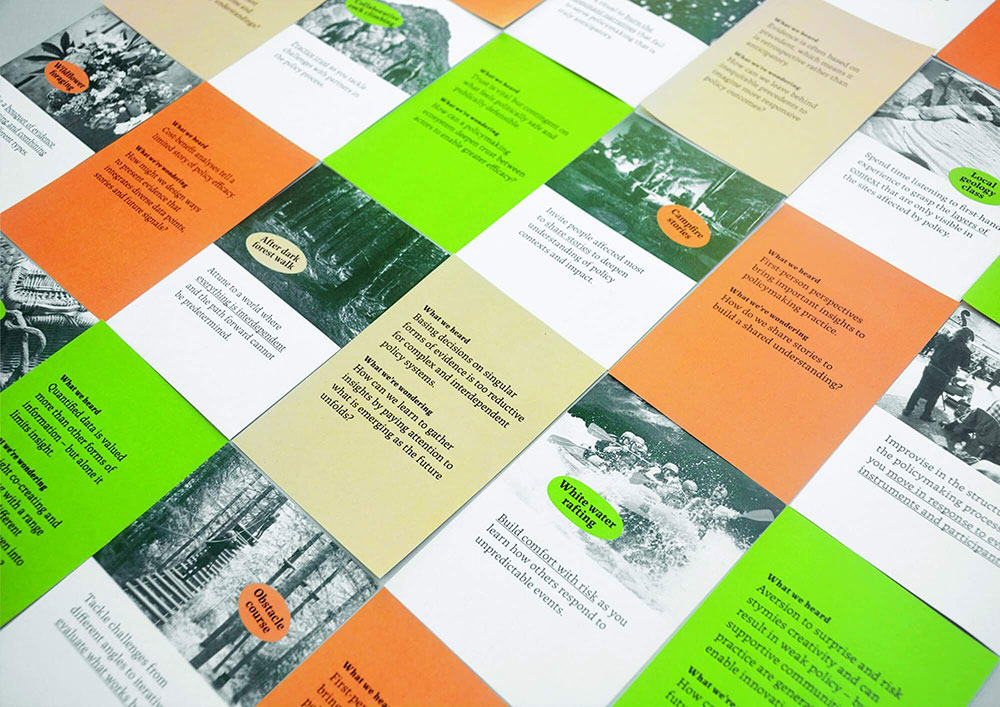
Dr Isabella Brandalise with WonderLab colleagues Professor Lisa Grocott and Professor Shanti Sumartojo, won a Policy Design award for CAMP (Creative Anticipatory Methods for Policymaking), a sleep-away-camp-style co-learning workshop for policy-makers. Guided by First Nations principles of respect, relationality and reciprocity, CAMP has been validated by government practitioners and international partners.
“The Jury was impressed with the strong participant testimonials that evidenced the workshop's effectiveness in engaging public servants and fostering new responses to uncertainty, whilst the open-source resources demonstrate commitment to democratising anticipatory capabilities across the policy ecosystem.”
Dr Brandalise says:
“Policymaking often defaults to predict and control, which fails to engage with the radical uncertainty of the future. CAMP offers a playful and relational space to build anticipatory capabilities together and rediscover why we do this work."
Creating positive eating disorder care through design
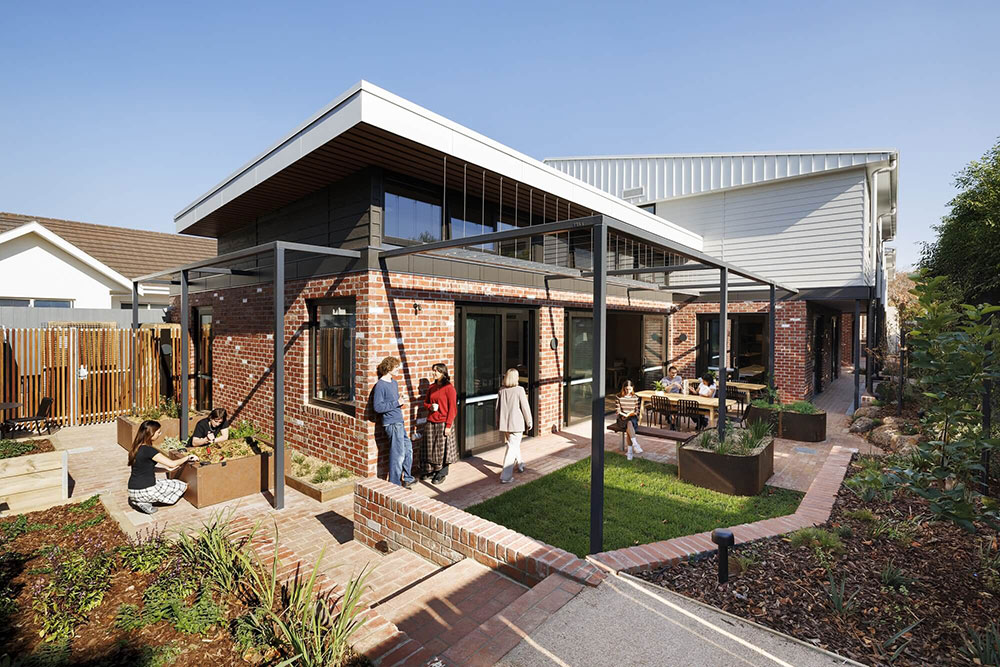
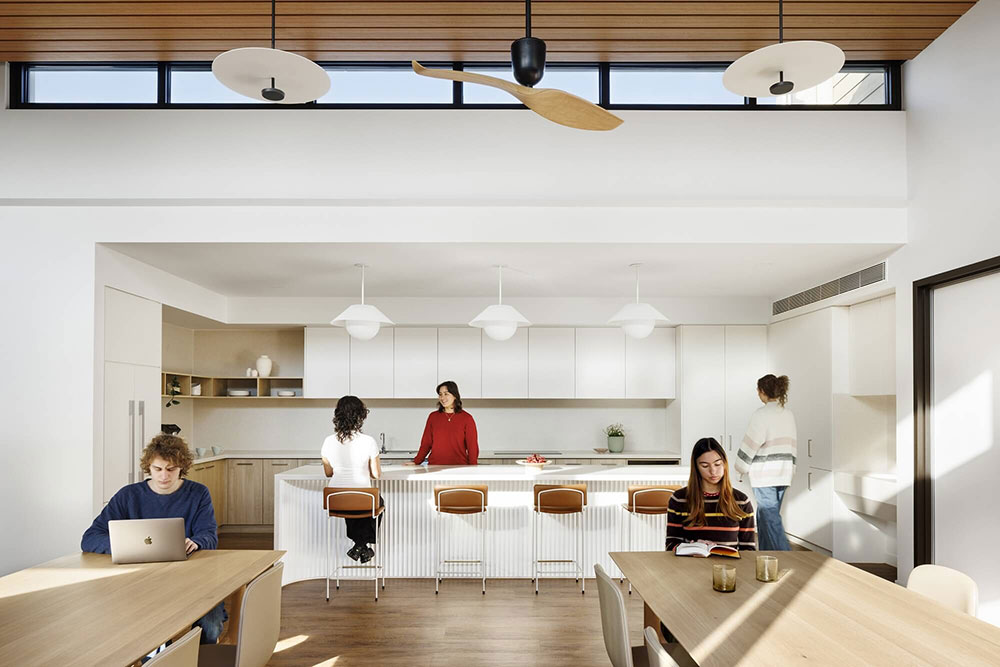
Associate Professor Leah Heiss and Dr Troy McGee won a Built Environment | Interior Design award for Ngamai Wilam, Victoria's first public residential eating disorder treatment centre. Created with Alfred Health, NTC Architects and BG Architecture, the Armadale facility replaces institutional design with a warm, homelike setting, shaped by a two-year co-design process involving clinicians and people with lived experience.
“The Jury recognises Ngamai Wilam as a significant achievement in mental health architecture, demonstrating strong foundational principles of collaborative practice with clients, users and stakeholders to deliver positive design outcomes with real and significant benefits in a sector that has long been very poorly designed and ill considered.”
Associate Professor Leah Heiss says:
"Ngamai Wilam shows what's possible when design sits at the table from day one, alongside clinicians and people with lived experience. The long-term design process ensured that the stakeholder community co-designed the model of care, and that these values were embedded into built spaces for healing and recovery.”
Acoustic design for spatial wellbeing and calm
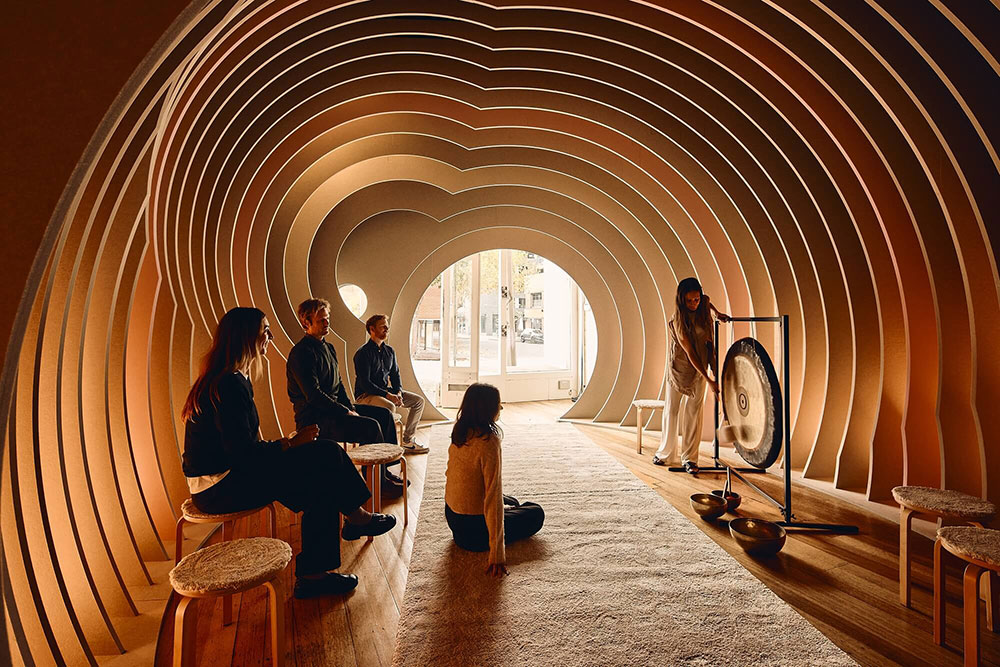
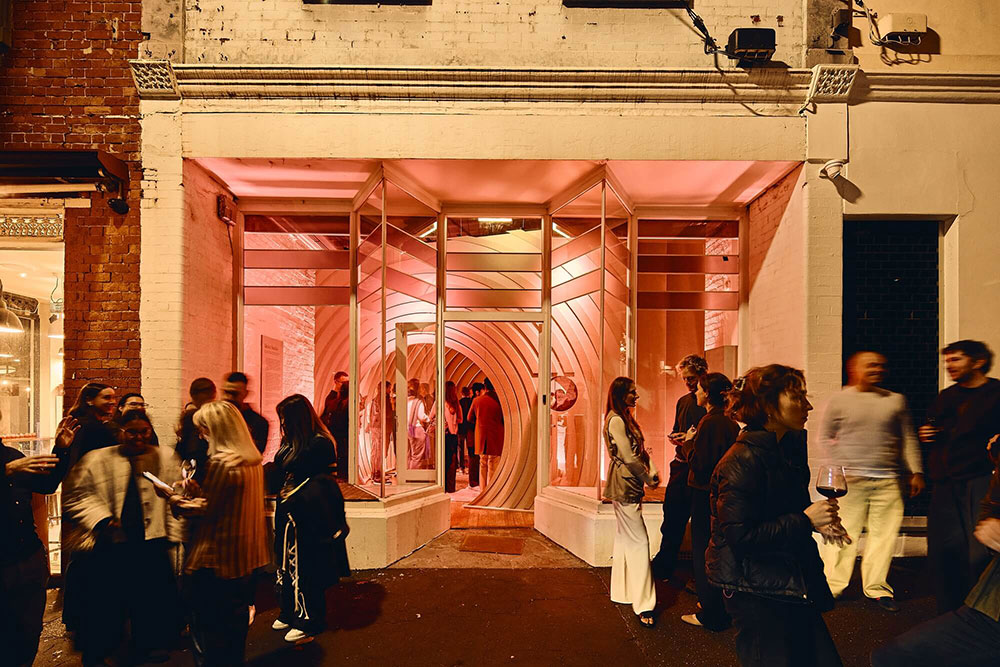
Studio Bird has won a Good Design Award in the Built Environment | Installation Design category for Quiet Studio, which transformed a Collingwood shopfront into a sensory retreat from city life, using Autex Acoustics' carbon-neutral panelling to create a calming, sound-attenuated space. Designed by Associate Professor Matthew Bird with Universal Practice, it paired the installation with guided meditation and breathwork sessions, using measurable acoustic performance to create a genuinely restorative lived experience.
The jury recognises that “Quiet Studio’s striking form and unique user experience advance the idea of quiet as civic infrastructure, offering a compelling model for restorative public environments. The design is particularly impressive in how it treats acoustic comfort as an opportunity rather than merely a requirement, delivering a powerful demonstration of how temporary installations can generate enduring social and environmental value.”
Associate Professor Bird says:
"Quiet Studio set out to test how design research can translate measurable acoustic performance into a lived spatial experience of calm, wellbeing and connection. The Good Design Award is a fitting final acknowledgement for a project that has now been independently recognised across state, national and international design programs, an extraordinary affirmation of the research, collaboration and impact behind the work."
A strong year for Monash designers
"These five projects respond to very different contexts: airport passenger experience, policy design, urban public space, healthcare and sensory wellbeing. Yet each shows what design can achieve when it works with real people, real spaces, real stories and real challenges. Working together to surface solutions through ‘living-centred’ design thinking and making is what our Monash designers do best," says Professor Gene Bawden, Head of the Department of Design, Monash Art, Design and Architecture (MADA).