
Independent Living Laboratory & Mobility Garden
NCHA Independent Living Laboratory &
Mobility Garden
A co-designed space for testing, learning, and living independently using enablement of the built environment and technology design.
This facility is located at the Healthy Futures Hub in Seaford.
Project background
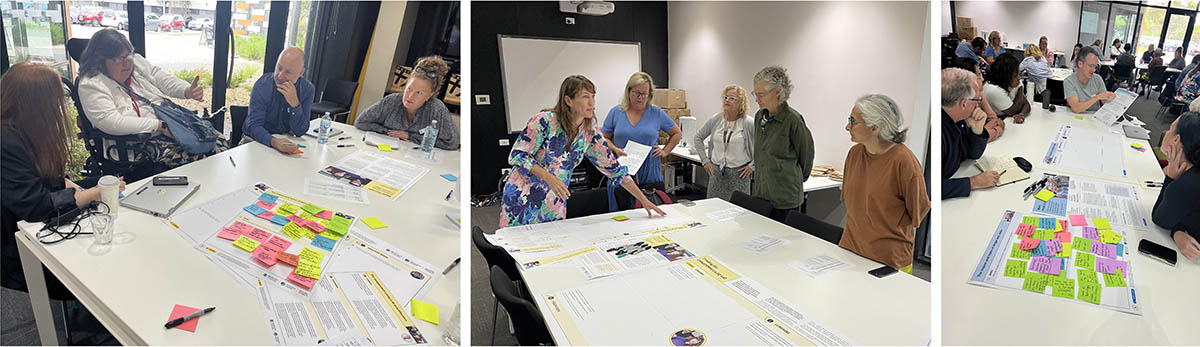
The Independent Living Laboratory is a purpose-built simulation facility developed by the National Centre for Healthy Ageing (NCHA), a collaboration between Monash University and Bayside Health. Located at the Healthy Futures Hub in Seaford, the lab is part of a precinct designed to support thriving communities through research, innovation, and inclusive design. It was co-created with various stakeholders, including clinicians, researchers, architects, and community members, to shape future models of care and living environments for older adults and people with disabilities.
-
-
IN THE NEWS!
- Monash News (11 June 2026) New tech-enabled independent living facility a game-changer for older Australians and people with disabilities
- Monash Art, Design and Architecture (12 June 2026) National Centre for Healthy Ageing (NCHA) launches future models of care co-designed by MADA
- Architecture & Design (15 June 2026) Monash University and Bayside Health open tech-enabled independent living laboratory in Melbourne
- Disability Support Guide (16 June 2026) A test home in Frankston lets people try assistive tech before they commit to it
-
Facility overview
The lab includes two integrated environments that simulate real-world conditions:
- The Simulated Independent Living Lab replicates a typical home, enabling users to interact with assistive technologies, smart systems, and therapeutic tools in a safe and realistic setting.
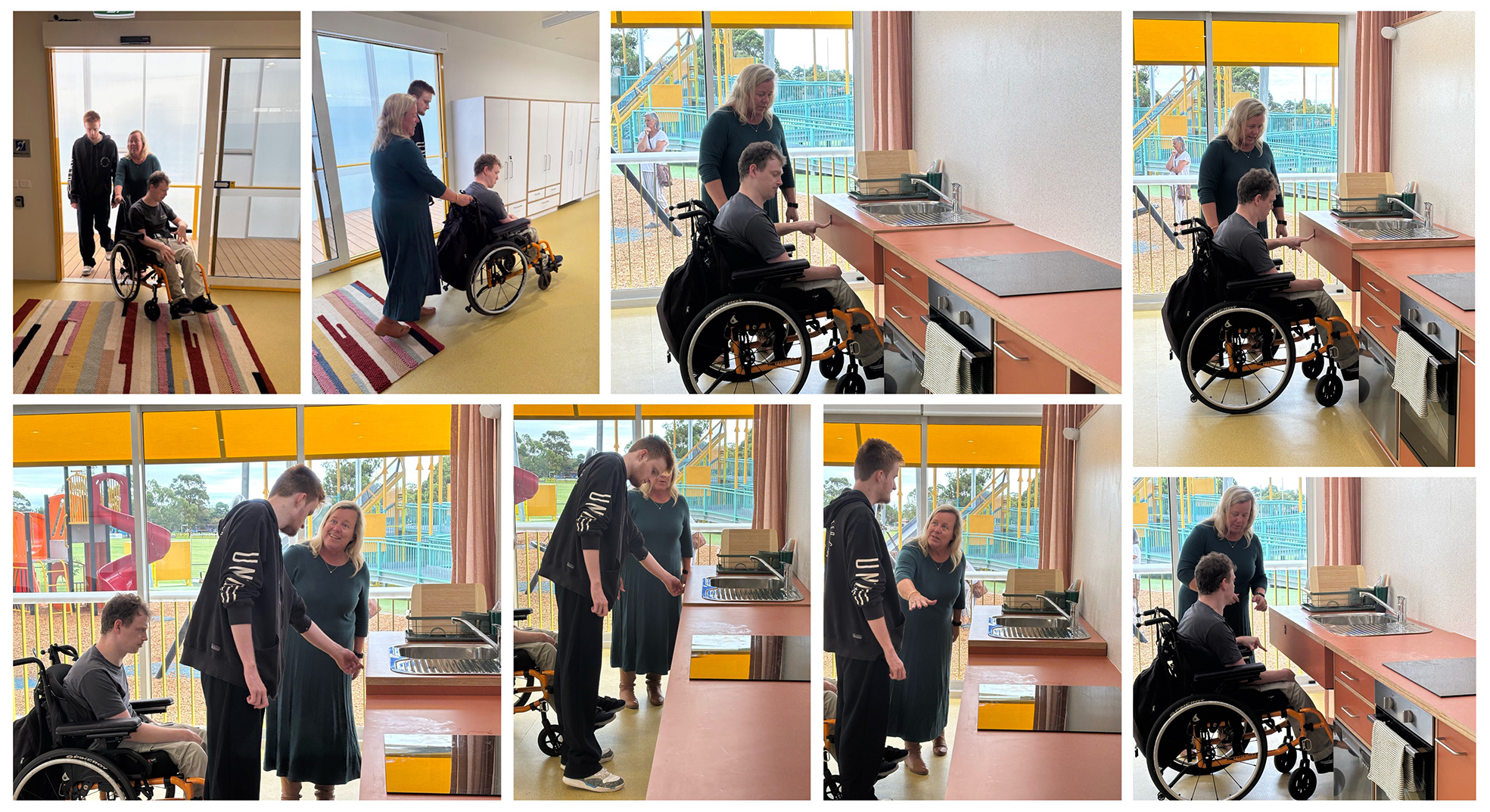
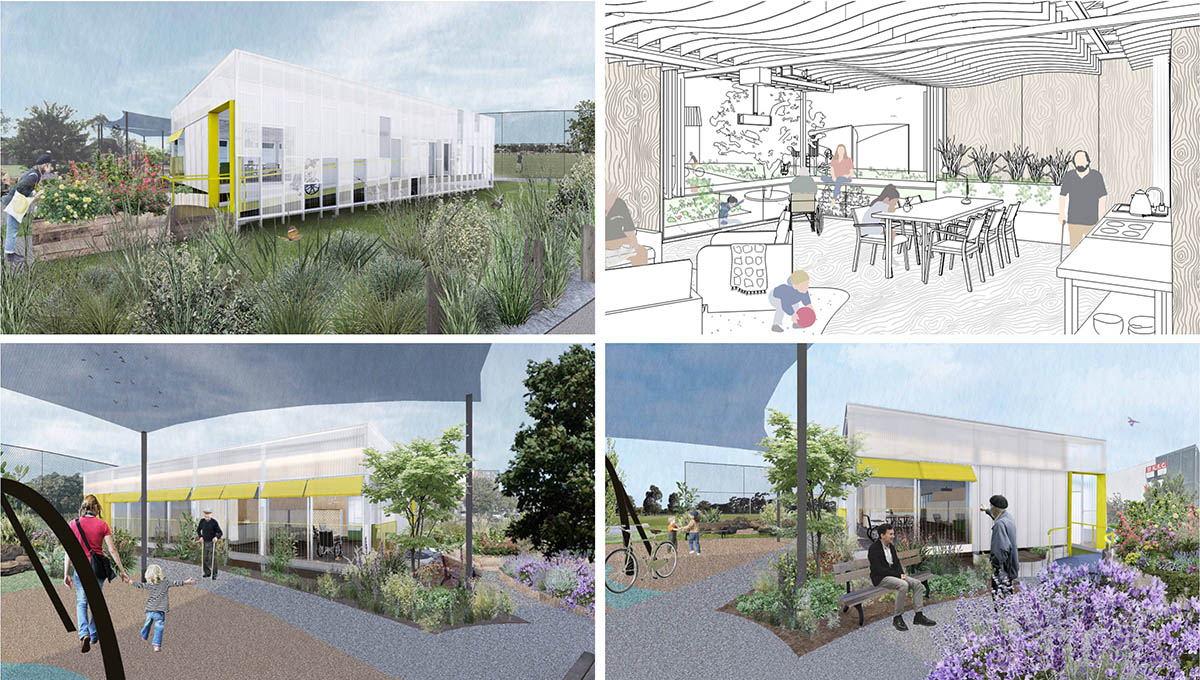
- A Mobility Garden features ramps, varied gradients and surfaces, and handrails, allowing users to navigate diverse terrain and practice mobility skills both with and without the use of mobility assistive products.
Our facility in action!
This unique facility has been co-designed with the community, ensuring it truly reflects real needs and everyday experiences. With smart home technology and thoughtful design, it showcases how innovation can support independence, dignity, and quality of life.
- A real-life home environment where people can explore ways to stay independent for longer
- Hands-on opportunities for people living with disability, carers, health professionals, and service providers to test new technologies, products and supports in a safe, practical setting
- A place for learning and collaboration, bringing together community members, researchers, and industry
- Driving future solutions by helping shape better care models and living environments
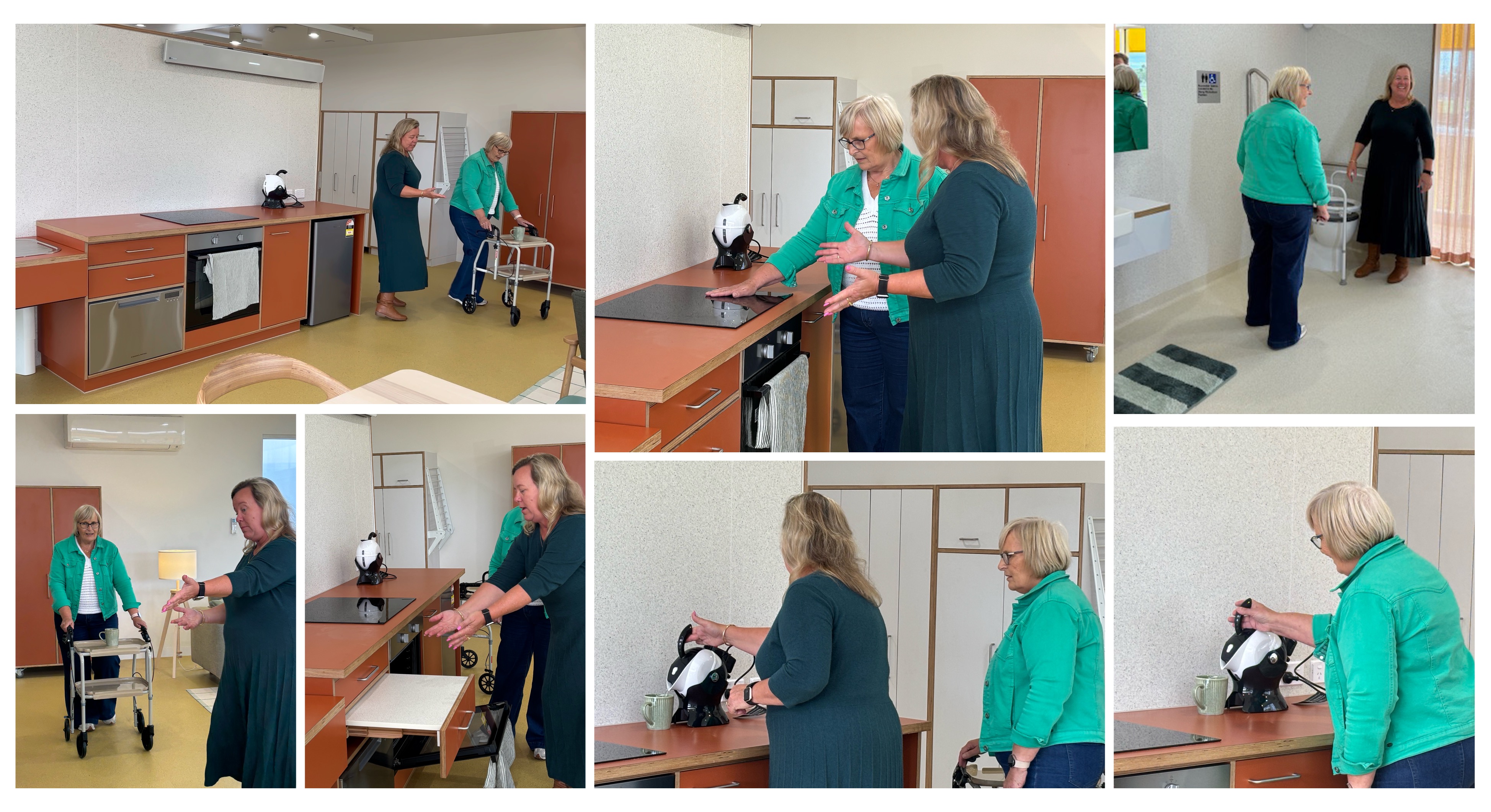
Smart technology integration
The Independent Living Laboratory is equipped with advanced technologies that support rehabilitation, participation, and independent living, and incorporates a wide range of technologies to support safety, independence, education and research:
- Occupant monitoring is enabled through wearable devices and ambient sensors that track movement, detect falls, and support safety alerts with the consent of the person visiting the lab.
- Home automation features allow users to control lighting, doors, windows, and climate systems using touchscreens, voice commands, or remote access.
- Augmented reality tools help users visualise changes in their environment and interact with virtual simulations for training and design.
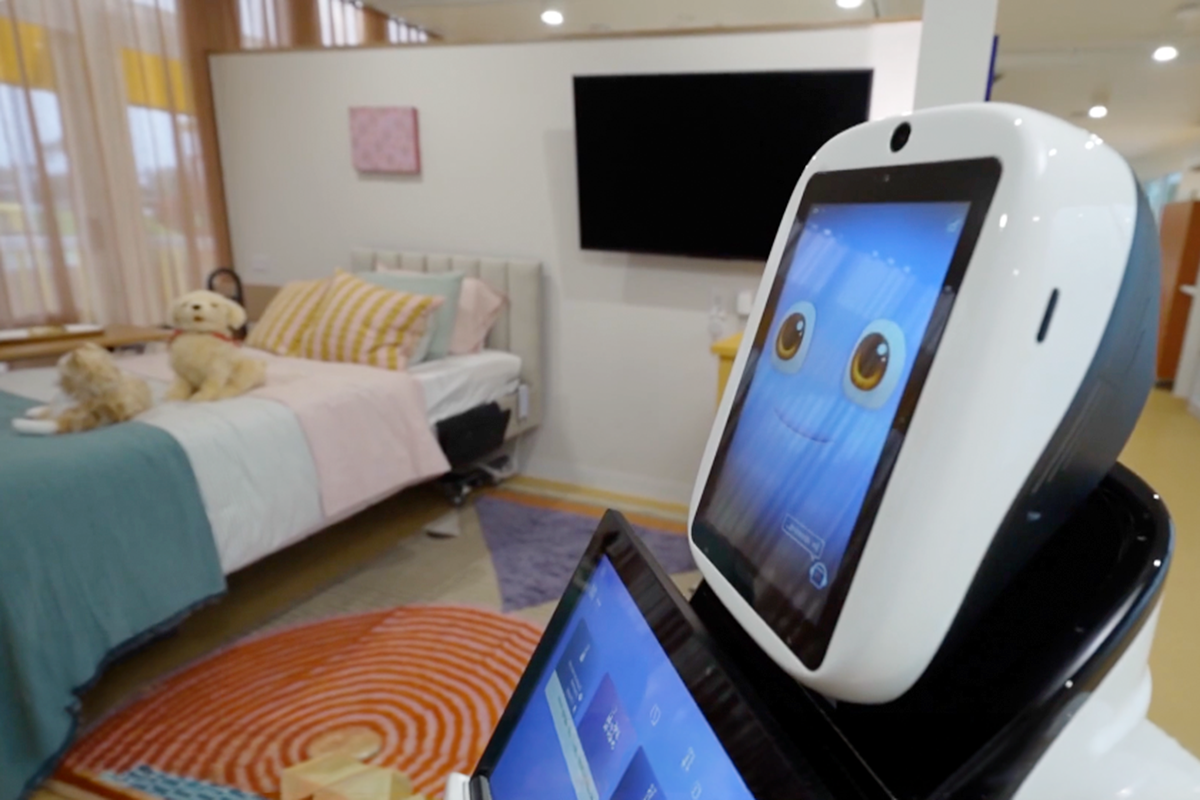
- Therapeutic robots provide emotional support and social engagement, enhancing wellbeing and interaction.
- Environmental sensors and video systems collect data on user interactions, enabling researchers to evaluate technologies and care models.
Who is the Independent Living Laboratory designed to assist?
The lab welcomes older adults, people with disabilities, paid and informal/family supporters, health, disability and aged care service providers, allied health professionals, architects and designers, researchers, students, and technology developers. It supports rehabilitation, education, co-design, and product testing in a community-based setting.
What makes the Independent Living Laboratory unique?
The Independent Living Lab has been co-designed with end users, embedded in a vibrant community hub, and equipped with smart technologies that simulate real-life scenarios. It offers a “try-before-you-buy” experience and supports research into future models of care and living environments.
-
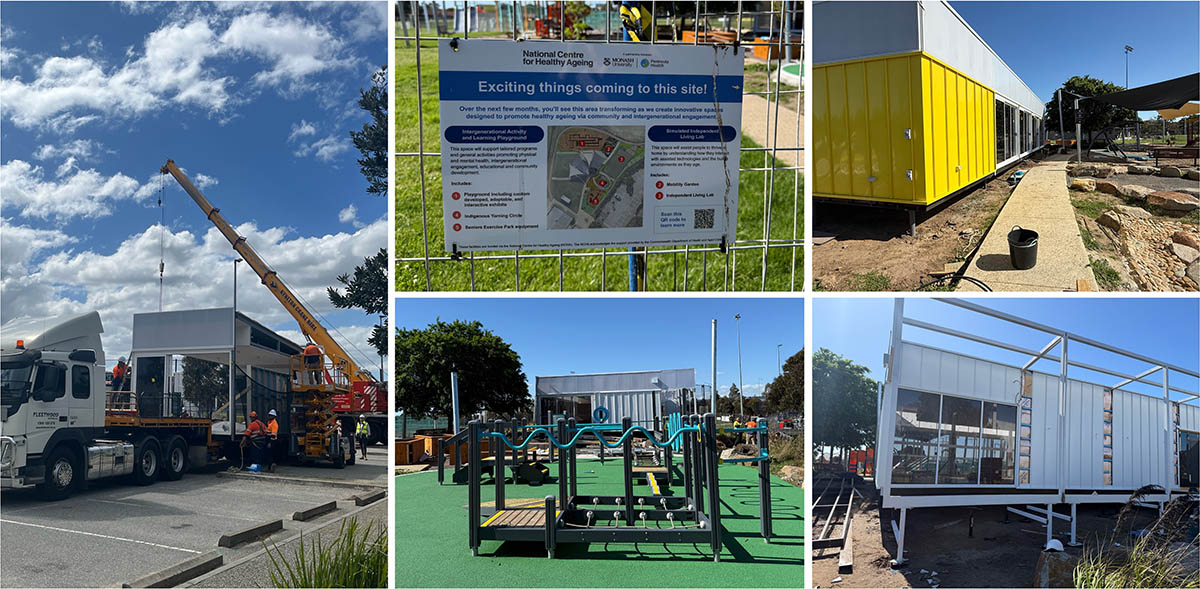
The building process – from concept to delivery!
From planning and design to completion and handover.
-
Explore more
- Healthy Future Hub
- Frankston City Council: New Healthy Futures Hub to boost community health and wellbeing
- Engage Frankston: Proposal for Belvedere Reserve
- Monash Future Building Initiative – Independent Living Lab Project
- Building 4.0 CRC – Lighthouse Project
Want to know more?
For more information or to arrange a visit, contact:
Associate Professor Libby Callaway
Team members
A/Prof Libby Callaway, Dr Trung Dung Bui, A/Prof Linda Barclay, Dr Eli Chu, Dr Rachel Couper, A/Prof Maryam Gusheh, Prof Mel Dodd, A/Prof Kathy Waghorn, A/Prof Leah Heiss, Dr Savindi Perera, A/Prof Duncan Maxwell, Ashely Hanrahan