
2026 MADA Gallery Curators in Residence: Isabella Hone-Saunders and Paul Boyé
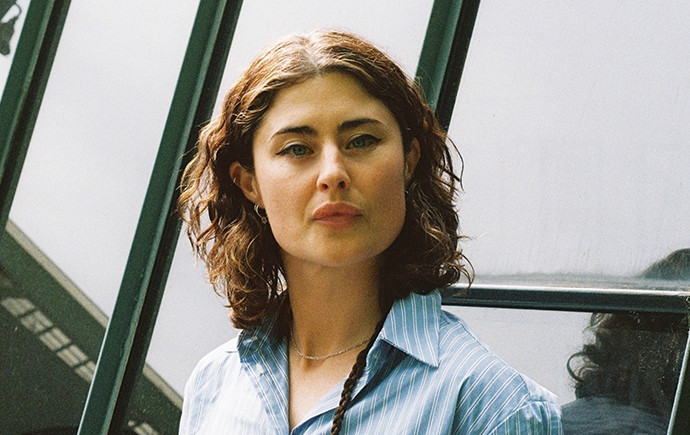
Image: Isabella Hone-Saunders
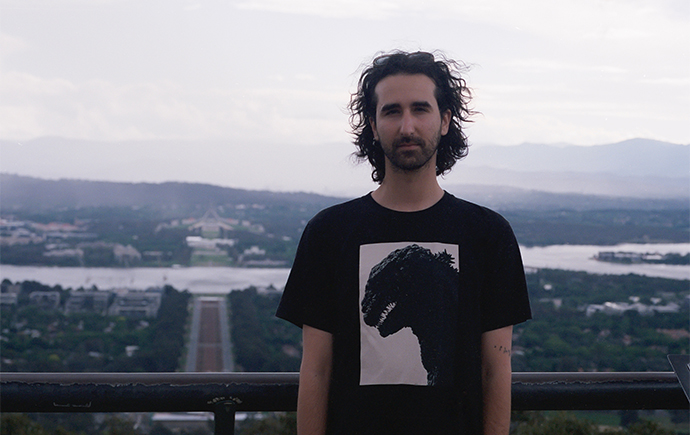
Image: Paul Boyé
At a time of escalating ecological crisis, social anxiety and political uncertainty, curatorial practice is increasingly expected to do more than frame artworks, it must create space for collective thinking, feeling and action. In 2026, MADA Gallery responds to this moment by welcoming Isabella Hone-Saunders and Paul Boyé as its Curators in Residence, presenting an ambitious two-part exhibition project Inter-narratives of hope: building catastrophe resilience.
Curator, arts worker and artist Isabella Hone-Saunders, explores how hope can become a generative and disciplined force for collective action. Based in Naarm/Melbourne and currently a PhD candidate in Curatorial Practice at Monash University, their research proposes hope as an active methodology that reorients despair and fosters solidarity. Their practice draws on socially engaged approaches developed through roles at Seventh Gallery, ACMI , ACCA, and as Assistant Curator at the University of Melbourne’s Art Museums. Paul Boyé, a writer and curator in Boorloo/Perth, brings a complementary lens, tracing the tensions, anxieties and uncertainties of contemporary life through post-humanist and philosophical frameworks. As Curator at Goolugatup Gallery and Lecturer at the University of Western Australia, Paul’s practice investigates how art can navigate alienation, ecological crisis and the limits of human experience.
Hone-Saunders and Boyé’s long-standing collaboration, which began in 2022 through Perth artist-run space Cool Change, enables them to combine socially engaged and philosophical approaches to spark dialogue across ecological, social, and conceptual concerns.
Rooted in Hone-Saunders’ PhD research, the project frames hope not as optimism or utopian promise, but as an active, disciplined, and collective methodology. The exhibitions draw on new commissions, existing works, and selections from the Monash Univesity Museum of Art (MUMA) Collection, placing early, mid-career, and established artists in conversation around ecological, social, and conceptual concerns.
Hone-Saunders says “Hope can be a nebulous concept. I’m using it distinctively apart from optimism. Hope is an active state, an activist-informed recommittal. It’s not a cure-all or an end result, and it’s distinct from utopian thinking.”
The first exhibition considers how hope operates in the context of the climate crisis. Featured artists include Susan Norrie, whose monumental, textured pieces respond to natural disaster and environmental activism; Wendy Hubert, an Elder from the Yindjibarndi community whose work represents the care and management of West Pilbara tableland country; and Joshua Petherick, whose sculptural works in the MUMA Collection explore extraction and ecological thresholds. International perspectives appear through the work of Rory Pilgrim, while works by Polly Borland and Dani Marti examine relational and emotional registers of hope, anxiety, and meaning-making.
“Relationships with people are a hopeful pursuit,” Hone-Saunders says. “They are a key site of future thinking, the emotional register of hope.”
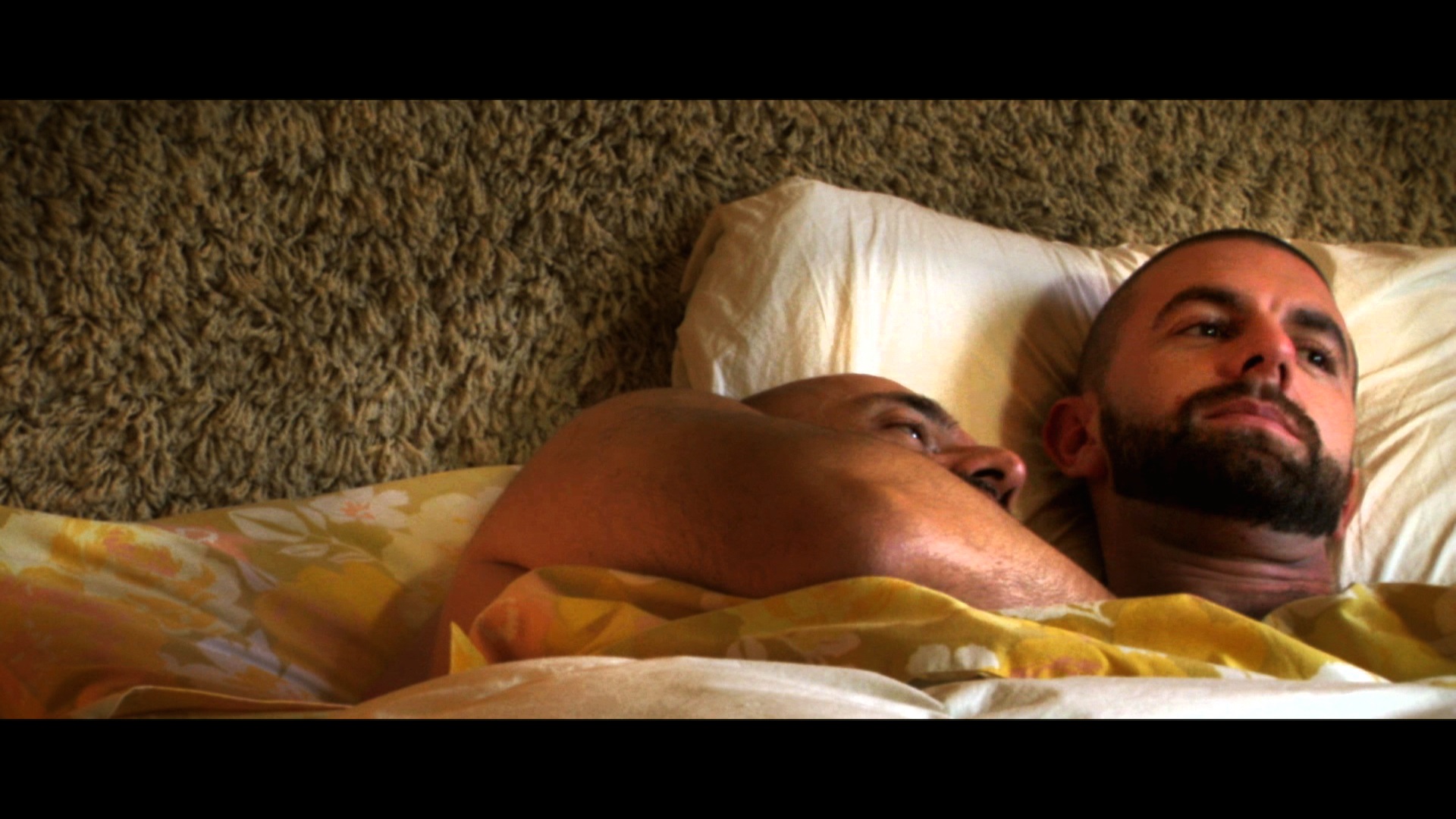
Image: Dani Marti, Time is the Fire in Which We Burn 2009, single channel video, colour, sound (still). Monash University Collection.
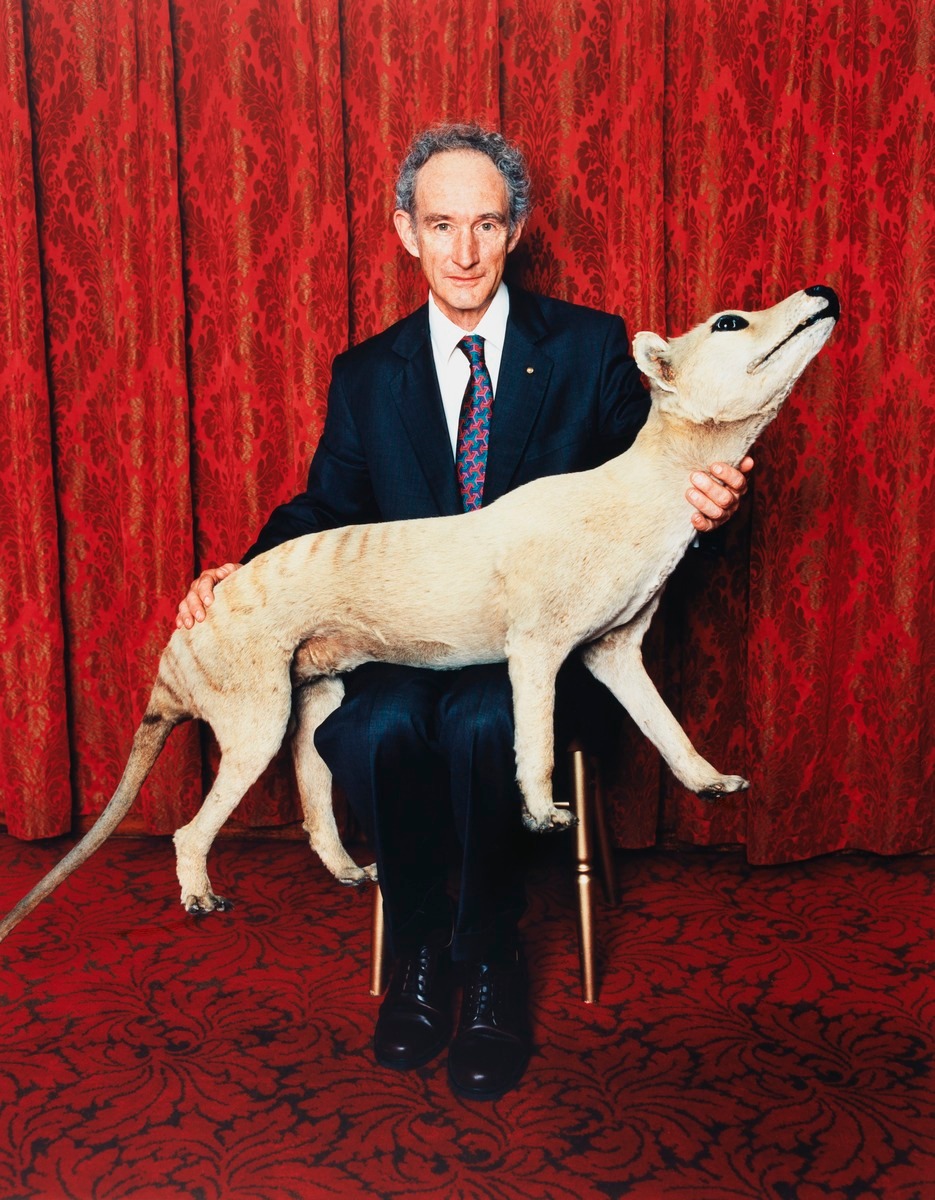
Image: Polly Borland, Sir Robert May, Chief Scientific Advisor to the UK Government (from the series 'Australians') 2000. Type C photograph. Monash University Collection
Commissioning new work is central to the project, including contributions from Monash PhD candidate Holly Childs, whose research-driven practice combines sound, live plants and planetary imagery to consider ecological storytelling across scales. The second exhibition, , will continue on from the first while experimenting with format, focusing less on the collection and more on contemporary, campus-engaged work. This includes Danielle Freakley, whose performance-based projects disrupt everyday modes of interaction.
“This is an opportunity to experiment with the methodology, to be invitational, but also a little disruptive,” Boyé explains, “encouraging students and staff to encounter art in unexpected ways across the Monash campus.”
Student engagement is a key ambition for the curators. Hone-Saunders’ research has highlighted how hope is experienced unevenly across generations and cultures, from children in primary school to the university community.
“I’d like audiences to reconsider their own relationship with hope,” they say. “Monash has an incredible cross-section of lived perspectives. It would be amazing to see emotional and intellectual responses from students—to think about their relationship with, and responsibility for enacting hope.”
Rather than providing straightforward answers, the exhibitions aim to nuture thinking about hope through feeling and dialogue.
Boyé elaborates: “I don’t work didactically all the time. I’m hoping a mood or feeling is created that’s different to what people have already experienced that day, a fresh set of perspectives on how hope might come about in ways you don’t expect.”
Hone-Saundes adds, “We want audiences to feel the work as much as think about it, to encounter hope in its complexity and contradictions, and to leave imagining what collective action and solidarity could look like in practice.”
Inter-narratives of hope: building catastrophe resilience opens at MADA Gallery on Thursday 16 April, 6–8pm, with the first exhibition running until 10 May 2026 and the second exhibition later in the year. Both exhibitions have been generously supported by Creative Australia.