
RISE project named finalist for WRI Ross Centre Prize for Cities
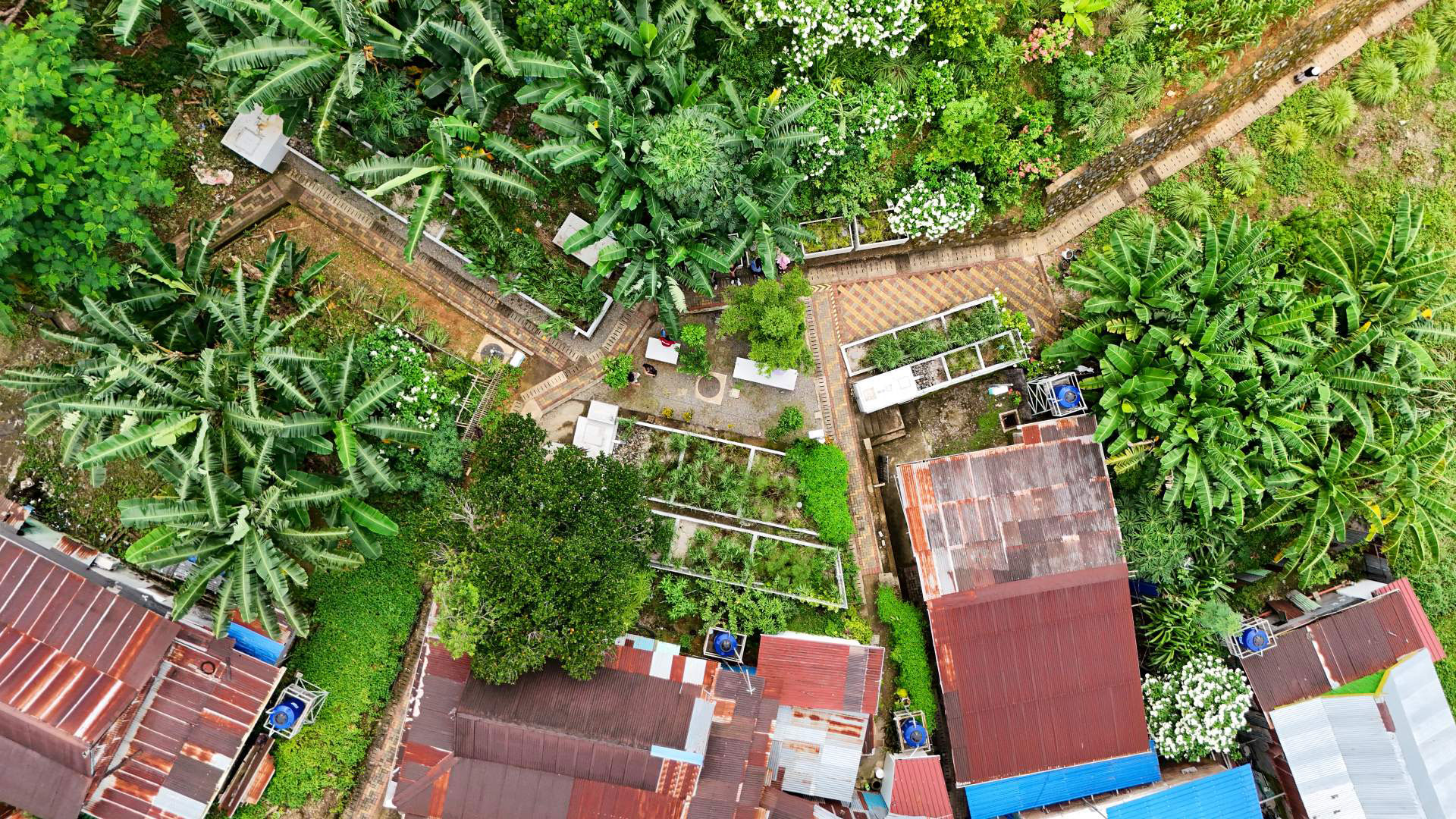
The Revitalising Informal Settlements and their Environments (RISE) program, led by Professor Diego Ramirez-Lovering, Associate Dean International at Monash Art, Design and Architecture (MADA), with Professor Tony Wong (Director of Upscaling), Kerrie Burge (Deputy Director of Intervention), Professor Karin Leder (Director of Research) and Dr. Fiona Barker (Deputy Director of Research), has been named a finalist for the WRI Ross Center Prize for Cities. The nomination showcases RISE’s pioneering, design-driven, transdisciplinary approach to improve urban health, resilience, and quality of life.
The WRI Ross Center Prize for Cities is a prestigious global competition celebrating transformative urban initiatives that combine design, planning, and policy to tackle complex urban challenges. RISE is one of five finalists from 334 submissions across 230 cities in 77 countries.
In Makassar, Indonesia, where over 40% of residents live in informal settlements, urban design plays a critical role in improving daily life. Residents face unsafe water, limited sanitation, and frequent flooding - challenges that conventional infrastructure solutions cannot fully address. RISE applies community-driven, nature-based design interventions: elevated walkways, water-purifying wetlands, rainwater harvesting, decentralised sanitation, and climate-adaptive drainage. Each intervention is shaped through co-design workshops with residents, city officials, and MADA researchers, ensuring that design solutions respond to local needs, land realities, and everyday experiences.
By integrating physical infrastructure with social and participatory design strategies, RISE has transformed six settlements in Makassar. Over 1,400 residents directly benefit from improved water and sanitation, around 6,000 enjoy cleaner, safer environments, and hundreds of households experience enhanced flood-safe mobility. This process also strengthens community capacity and trust in governance, showing how design can be a tool for social empowerment and urban resilience.
RISE is influencing broader urban design and planning practices both nationally and internationally, including in Fiji. Its research focuses on generating the first scientific evidence of the impact of the RISE intervention on human and environmental health to inform policy and practice. The program is also designed for scalability - for government-led implementation in informal settlements in the Indo-Pacific. RISE’s nomination for the WRI Ross Center Prize highlights the global significance of inclusive, evidence-based, and culturally responsive design solutions in shaping healthy, equitable, and resilient cities.
Professor Diego Ramirez-Lovering says:
"RISE demonstrates the power of urban design to transform not just infrastructure, but how communities interact with their city. Through co-design, residents become active authors of their environment to drive healthier, safer, and more climate resilient cities."
Watch the WRI RISE video here.