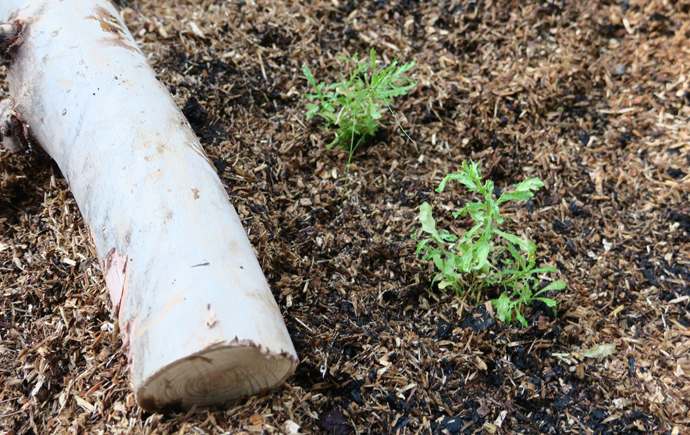
About the Gukwonderuk plant
Gukwonderuk (Wotjobaluk) is a low-lying small plant that grows in damp soils along riverbanks and creeks and around the edges of lagoons and wetlands in southeast Australia. The plant’s leaves have an earthy menthol aroma and a bitter taste. The Gukwonderuk flower heads form small green or yellow round balls, which create many tiny seeds.
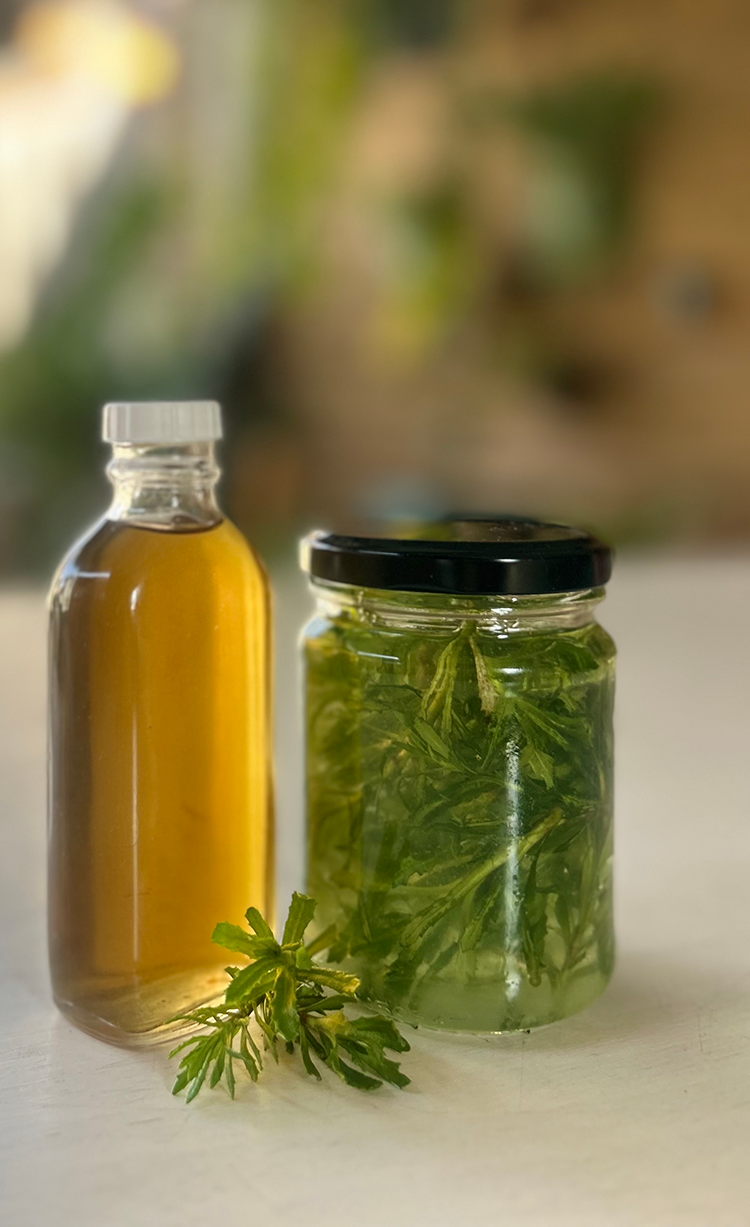
Aboriginal knowledge about Gukwonderuk’s curative properties has been handed down over many generations. The plant can be rubbed directly on skin irritations, such as bites and eczema. The body's heat helps release the oils. Gukwonderuk can also be combined with oil to create a soothing balm.
Gukwonderuk can also be boiled in water to produce a tonic. The tonic taken internally creates a warming sensation when swallowed. It can be used for chest complaints and colds or taken in small daily doses as a general restorative or immune booster. The tonic can also be applied as a wash for skin and eye infections.
Many Aboriginal language groups across southeast Australia have names for the plant. Just one of these names is Gukwonderuk, which comes from the Lake Hindmarsh area in western Victoria. There are also names for the plant in Koorie English, such as Old Man Weed or Wise Old Plant.
The colonial scientific name for the plant is Centipeda cunninghamii. While Aboriginal peoples have known about Gukwonderuk’s healing properties for many generations, colonial science is just catching up with this knowledge. Western studies have shown the plant has anti-inflammatory and antioxidant properties.
Please note: Engaging with Gukwonderuk’s healing properties safely requires Aboriginal knowledge about appropriate medicinal use.