
Women's health
Research projects

Projects led by Global and Women’s Health
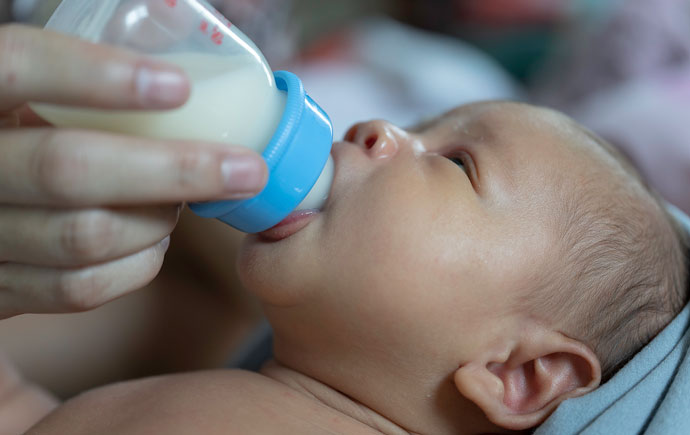
Collaboration between a public and a private early parenting centre
View

Collaboration between a public and a private early parenting centre to reduce social disadvantage though continuous quality improvement
We successfully implemented an electronic patient reported outcome system for Ramsay Healthcare’s Masada Private Hospital Early Parenting Centre (MPHEPC). This allows Ramsay Health Care to measure program impact including on maternal mental health and infant settling and sleeping behaviour.
We aim to take these learnings to Tresillian Family Centre’s Nepean Residential Service. It is a publicly funded EPC serving families with considerable psychosocial and economic vulnerabilities located in Western Sydney. At present this service doesn’t collect routine pre-admission or outcome data electronically from women and infants admitted to the residential program who are often experiencing complex coincidental adversity.
We are forming a new research collaboration of clinical staff from Tresillian Family Centre and MPHEPC to review the data collected routinely at Masada EPC and reduce any redundancies or unused data fields, identify any missing information relevant to clinical care, adapt forms for the Tresillian setting, and implement the revised forms with consecutive cohorts of women admitted to both services in a six-month period. We will analyse the data to identify characteristics of women and infants who experience improvements at each site and those for whom current service provision is insufficient. We will identify potential service enhancements to address unmet needs.
Strategies to address sex and gender bias in the health system
View
Strategies to address sex and gender bias in the health system
Dr Maggie Kirkman and Professor Jane Fisher (Global and Women's Health, Monash University), with colleagues from the University of Melbourne, Alfred Health, and Royal Melbourne Hospital.
Across some of the most consequential areas of medicine (including cardiovascular disease, stroke, mental health, organ transplantation), women and gender diverse people in Australia continue to experience delayed diagnosis and inequitable care.
In 2024, the Australian Department of Health and Aged Care commissioned a major review on how sex and gender bias operates across the healthcare system. The project team synthesised existing evidence with:
- A literature review screening more than 6,000 records across five international databases to understand the international evidence on sex and gender in medical research and care; 48 eligible papers (reporting 47 studies) were included in the review.
- A dedicated analysis of 80 Australian clinical guidelines published between 2014 and 2024, spanning 51 organisations and 27 areas of clinical practice.
The reviews addressed five core concerns: identifying barriers to gender equity; assessing whether treatments, devices, and guidelines account for sex and gender differences; documenting gendered harms; evaluating interventions for women in priority populations; and mapping gaps in national health data collection.
Historically, the male body has been treated as the clinical default in medical research. Women were long excluded from clinical trials under the assumption that hormonal variation made them too complex to study, which ultimately excluded them from the evidence base used to treat them. Today, even where sex- and gender-specific evidence exists, it does not translate seamlessly into medical education, clinical guidelines, or everyday practice.
The analysis of Australian clinical guidelines revealed limited guidance on incorporating sex and (especially) gender into health care. Twelve guidelines (15%) included no sex or gender terms at all, including national guidance on treating acute coronary syndrome and mental health. Only four (5%) guidelines defined either term, while 34 used "gender" as a synonym for biological sex. This distinction matters: while acknowledging the limitations of binary constructs, in broad terms "sex" refers to biological characteristics, while "gender" refers to social and cultural factors. When the constructs are conflated or ignored, it becomes harder to identify gendered patterns of care, biological differences in treatment response, and the social conditions that shape health outcomes.
The project team made ten recommendations that span clinical guideline reform, education for health professionals, journal publication standards, research funding policy, and national data collection. A consistent approach to embed evidence about sex and gender across health systems is essential to reducing inequity and improving the safety and quality of care for all Australians.
The findings were presented at Parliament House in July 2024 to the Minister for Health and Aged Care, the Hon. Mark Butler, and Assistant Minister for Health and Aged Care, the Hon. Ged Kearney MP, alongside the Medical Deans of Australia and New Zealand and the Australian Medical Students' Association. The research team has since briefed the National Health and Medical Research Council (NHMRC) and the Australian Medical Research Advisory Committee (AMRAC) to drive reform for research funding and evidence based care.
Findings have been published in the Medical Journal of Australia and covered in The Conversation.
The full report is available online via the Australian Government Department of Health and Aged Care (2025).
PROJECTS ON WHICH GLOBAL AND WOMEN'S HEALTH IS A PARTNER
-
SPHERE – The Centre of Research Excellence in Sexual and Reproductive Health for Women: achieving better outcomes through primary care
Mazza D, Fisher J, Taft A, Black K, Lucke J, Hass M, Hussainy S, McGeechan K, Norman W.
SPHERE aims to both improve women’s access to critical sexual and reproductive health services and improve pregnancy outcomes. The multidisciplinary investigator team will also study task-sharing by health workers in primary care and evaluate whether this and other new models of care align with patient preferences and are cost effective.
SPHERE’s aim is to address the issue of sexual and reproductive health through broad collaboration between researchers, healthcare providers, health service delivery organisations, policymakers, peak bodies for women’s health in Australia, and consumers. Monash University is specifically investigating pre-conception health within this project.
SPHERE brings together the leading Australian researchers in sexual and reproductive health for women in primary care and pre-eminent international researchers in this field.
Led by the Department of General Practice, Monash University, other partners include: Global and Women’s Health, Monash University, LaTrobe University, University of Sydney, University of Technology Sydney, University of British Columbia, Canada. This project is funded by the National Health and Medical Research Council (NHMRC).
Website
-
CRE-WaND – Centre of Research Excellence on Women and Non-communicable Diseases: Prevention and Detection
Mishra G, Hickey M, Dobson A , Gannon B, Doust J, Fisher J, Cicuttini F, Huxley R, Tooth L, Brown H.
Non-communicable diseases (NCD) – such as cardiovascular disease – are now leading causes of mortality and morbidity among women, both globally and in Australia. This Centre of Research Excellence shifts the focus of women’s health from reproductive and maternal health to encompass the risk of NCDs. We are examining how the risk factors that women face combine to influence NCDs across life and aim to quantify the impacts on health services used. We are exploring how best to transform current approaches for preventing NCDs among women.
Led by The University of Queensland, other project partners include: Monash University, the University of Melbourne, Bond University Limited, The Jean Hailes Foundation, La Trobe University, and Deakin University. The project is funded by the National Health and Medical Research Council (NHMRC).
Website
Completed projects
PROJECTS LED BY GLOBAL AND WOMEN'S HEALTH
-
Coming Into Their Own: Women of the Silent Generation 1925–1945
Kirkman M, Fisher J.
In general, women born before 1946 were not expected to have careers but to take responsibility for looking after their husbands, children, grandchildren, and parents. Our research was conducted with women of the so-called Silent Generation (born 1925-1945) who have achieved in later life. Their achievements were, for example, in the creative arts, voluntary work, business, sport, academic study, technology, or social activism.
Through interviewing women in Australia who exemplify such achievement, we aimed to gain understanding of how women have been able to expand their lives as they age and to achieve goals usually confined, in the public imagination, to younger women. We hoped to use this understanding to challenge the familiar stereotype of the frail and dependent ‘elderly’ woman who is a burden on society. Through bringing these women’s stories into the public domain, we encouraged public and individual commitment to life-long learning and achievement.
We focused on women because there is evidence that ageism is gendered, including in the media, with women less visible and represented as more dependent than men.
This research was prompted by the life of Jacqueline Dwyer (1928–2020) who was awarded a Master of Philosophy degree from the Australian National University in her nineties from which she published a well-researched book (Dwyer, 2017). We wanted to learn from women who have reconstructed themselves in later life, perhaps a life dominated by caring responsibilities, what led them to instigate the change and what helped or hindered them in making it.
The research was approved by the Human Research Ethics Committee of Monash University (number 28209). It is funded by a private philanthropist.
Publications
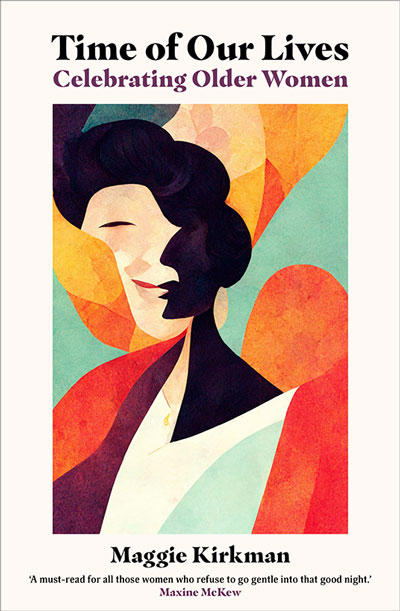
This research culminated in a book authored by Dr Maggie Kirkman: Time of Our Lives: Celebrating Older Women. Released on International Women's Day 2023, it showcases the extraordinary lives of ordinary women in their seventies, eighties and nineties, challenging the implicit assumption that women past a certain age don't contribute to society.
-
Contributing to optimal mental health for older women in Australia: a multiple methods research program
Fisher J, Kirkman M, Tran TD, Hammarberg K.
We aimed to learn from older women about their understanding of what contributes to or hinders their mental health and wellbeing. The goal of this research was to improve mental health and wellbeing of older women in Australia.
Mental health is a state of wellbeing in which people can use their skills and capabilities, to adapt to the demands of daily life, experience mutually gratifying relationships, and contribute to the community, including through productive work. It is much more than the absence of illness.
Most research has focused on understanding severe or common mental disorders. The factors that interact to foster good mental health, including in later life, are much less well elucidated. In a recent analysis of data gathered from older women over several decades, we found three paths reflecting women’s mental health: stable good health, stable poor health, and declining from good to poor. We consulted older women about these results and sought their perspectives on what enhances and damages women’s mental health as they age. We partnered with The Jean Hailes Foundation for this project, which was funded by the Liptember Foundation.
Publication
Tran T, Hammarberg K, Ryan J, Lowthian J, Freak-Poli R, Owen A, Kirkman M, Curtis A, Rowe H, Brown H, Ward S, Britt C, Fisher J. Mental health trajectories among women in Australia as they age. Aging & Mental Health. 2019 Jul;23(7):887-896. doi: 10.1080/13607863.2018.1474445.
-
Cohort investigation of women admitted with their infants or toddlers to Masada Private Hospital Early Parenting Centre to identify indicators of immediate- and medium-term program impact
Fisher J, Tran T, Stanzel K, Popplestone S.
In Australia about 15% of women experience a depressive, anxiety or adjustment disorder in the year after giving birth and, about one per thousand, the severe mental disorder of postpartum psychosis. The postnatal mental health of women is a major determinant of their capacity to provide sensitive responsive care for their infants or toddlers and thereby optimise infant mental health and early childhood development. It is an Australian priority to provide clinically and cost-effective treatments for women with mental health problems and their infants and toddlers.
Ramsay Health Care is the main private sector provider of mother-baby psychiatric and residential early parenting services in Australia. Ramsay Health Care’s Masada Private Hospital Early Parenting Centre is the largest and most well-established private sector residential early parenting service in Australia. It has a systematic admission protocol and women admitted to the service complete self-report measures prior to admission, on day of discharge and six weeks post-discharge.
The overall goal of the research provided evidence about the characteristics of women and their infants or toddlers admitted to Masada Private Hospital Early Parenting Centre and indicators of short and medium impact to inform benchmarking of current clinical services and provided a comparison for new and enhanced services.
This project provided the basis for maintaining continuous quality improvement in early parenting and mother-baby psychiatric services. It provided the most detailed evidence to date about the characteristics of women admitted with their infants or toddlers to one early parenting centre and the most sensitive indicators of program impact. Together this informed the development of assessment protocols that can be implemented at scale in all early parenting and mother-baby psychiatric services to enable quality improvement through benchmarking and program consistency.
This project was funded by the Ramsay Hospital Research Foundation.
-
Access to sexual and reproductive health services in Australia during the COVID-19 pandemic: barriers and facilitators
Dr Shelly Makleff, Professor Jane Fisher, Professor Kirsten Black, Professor Angela Taft.
The COVID-19 pandemic hindered access to healthcare, with particular challenges for sexual and reproductive health services. The Global and Women’s Health team conducted a qualitative study to understand the intersecting barriers to abortion care during the COVID-19 pandemic in Australia. We interviewed 24 people about their experiences seeking abortion care between March 2020 and November 2022.
The findings have been used to inform recommendations to improve access to high quality abortion care in Australia through a submission to Australian Senate inquiry into universal access to reproductive healthcare (submission 9). The research has been leveraged to engage the public in the topic of abortion access through the team’s contribution to an educational resource and in print and radio media about the topic, as seen in Women’s Agenda, Monash Lens, and on ABC Radio National Life Matters.
Peer reviewed publications:
Makleff S, Belfrage M, Wickramasinghe S, Fisher J, Bateson D, Black KI. Typologies of interactions between abortion seekers and healthcare workers in Australia: a qualitative study exploring the impact of stigma on quality of care. BMC Pregnancy and Childbirth. 2023 Sep 7;23(1):646. doi: 10.1186/s12884-023-05902-0.
Vallury KD, Kelleher D, Mohd Soffi AS, Mogharbel C, Makleff S. Systemic delays to abortion access undermine the health and rights of abortion seekers across Australia. Australian and New Zealand Journal of Obstetrics and Gynaecology (ANZJOG). 2023 Aug;63(4):612-615. doi: 10.1111/ajo.13716.
Wickramasinghe S, Fisher J, Taft A, Makleff S. Experiences of abortion care in Australia: a qualitative study examining multiple dimensions of access. BMC Pregnancy and Childbirth. 2024 Oct 7;24(1):652. doi: 10.1186/s12884-024-06758-8.
-
Review and Evaluation of The Jean Hailes for Women’s Health Anxiety Portal and e-resources for women and anxiety
Fisher J, Kirkman M.
Jean Hailes for Women’s Health (JH) invited Professor Jane Fisher, Dr Maggie Kirkman, and Sarah Ashton from Monash University to review JH’s Anxiety Portal to ensure that the information it contains is evidence-informed and up to date. The Portal and its linked sites and documents were assessed to establish the currency, sufficiency, and salience of the content. Available e-resources for anxiety treatment in Australia were reviewed to identify those suitable for recommendation to women using the portal. The project team assessed the JH Anxiety Portal as a valuable resource for women and potentially also for the wider community.
We acknowledge the ground-breaking work of JH in establishing this portal. We recognise that it was necessary to begin with a focus on JH’s traditional audience of predominantly well-educated women and to present the most popular treatment. We suggest that it is now time to update and diversify the content of the portal to be of value to the diverse women in our community.
A report was submitted to The Jean Hailes Foundation, the funder of the project.
-
Health Professionals’ and Women’s Information Needs (Endometriosis and Menopause Research)
Fisher J, Rowe H, Hammarberg K, Brown H, Langford K, Camilleri R, Dwyer S, Wilby L.
Health education and promotion resources and clinical tools are important sources of information and support for consumers and health professionals. Jean Hailes for Women’s Health was contracted by the Victorian Government Department of Health and Human Services to develop a set of comprehensive evidence-based women’s reproductive health promotion resources. To inform these, this collaboration had two aims. First, to establish women’s and health professionals’ needs and preferences for endometriosis and menopause-related information, and translate this to inform the development of up-to-date, evidence-based resources. Second, to establish the quality of online information about menopause and endometriosis using the Health On the Net (HON) criteria.
The Jean Hailes Foundation was our partner and funder for this project.
Reported in:
Rowe HJ, Hammarberg K, Dwyer S, Camilleri R, Fisher JR. Improving clinical care for women with endometriosis: qualitative analysis of women's and health professionals' views. Journal of Psychosomatic Obstetric & Gynecology. 2021 Sep;42(3):174-180. doi: 10.1080/0167482X.2019.1678022.
Camilleri R, Dwyer S, Rowe H, Fisher J, Hammarberg K. How comprehensive and reliable is online information about menopause? Under review.
-
Fertility information needs and preferences of women with polycystic ovary syndrome (PCOS)
Hammarberg K, Holton S.
Some women who have polycystic ovary syndrome (PCOS) experience difficulties when they try to conceive. The aim of this study was to identify the fertility and childbearing concerns and information needs and preferences of women with PCOS. Women with PCOS took part in an online discussion group where they were asked about fertility and childbearing, the sort of information they would like about fertility and PCOS, and when they would like to receive it. They indicated that they were concerned about their fertility, including whether they could become pregnant, how to prepare for pregnancy and what they should do before trying to conceive given their PCOS. They also said that they found it difficult to get information about fertility and childbearing that was up-to-date, relevant and reliable. The Victorian Assisted Reproductive Treatment Authority (VARTA) use the research findings to develop information for women with PCOS.
VARTA was our research and funding partner for this project.
Reported in:
Holton S, Hammarberg K, Johnson L. Fertility concerns and related information needs and preferences of women with PCOS. Human Reproduction Open. 2018 Nov 8;2018(4):hoy019. doi: 10.1093/hropen/hoy019.
-
Secondary analysis of data from the 2017 Jean Hailes annual survey of women
Hammarberg K, Fisher J.
The aim was to describe the mental and physical self-reported health of women in Australia aged 50 years and older, and determine factors associated with better physical and emotional health. We analysed data collected through a national, anonymous, online survey of women aged 18 years and above living in Australia. Of the 10,620 women who completed the survey, 4947 (46.6%) were aged 50 years or over. More than half reported being in “excellent” or “very good” overall health and almost all had low levels of anxiety. Regular exercise and workforce participation were associated with better physical and mental health. The findings can inform future targeted interventions to increase physical activity levels and retain older women in the workforce.
This project was funded by the University of Melbourne. Our project partners were the University of Melbourne and The Jean Hailes Foundation.
Reported in:
Hammarberg K, Holton S, Michelmore J, Fisher J, Hickey M. Thriving in older age: A national survey of women in Australia. Maturitas. 2019 Apr;122:60-65. doi: 10.1016/j.maturitas.2019.01.011.
-
What to expect: preconception planning and pregnancy care information for women with cystic fibrosis
Holton S, Wilson J, Button B, Fisher J.
The life expectancy of women with cystic fibrosis (CF) has increased, enabling many to reach reproductive age. However, little is known about the childbearing concerns and information needs of women with CF or their preferences for information about the effect of their condition and its treatment on childbearing. The aim of this study was to identify the childbearing concerns and related information needs and preferences of women with CF.
We partnered with Alfred Health for this project, which was funded by Monash University.
Reported in:
Holton S, Fisher J, Button B, Williams E, Wilson J. Childbearing concerns, information needs and preferences of women with cystic fibrosis: An online discussion group. Sexual & Reproductive Healthcare. 2019 Mar;19:31-35. doi: 10.1016/j.srhc.2018.11.004.
-
Understanding women’s experiences of egg freezing to inform health care
Fisher J, Hammarberg K, Kirkman M, McBain J, Agresta F, Hickey M, Bayly C.
The aims of this study were to describe experiences of oocyte cryopreservation for non-medical reasons among a cohort of women in Australia in order to inform healthcare. The specific objectives were first, to understand the social circumstances in which women in Australia freeze their eggs and second, their expectations about and outcomes of subsequent use of their stored oocytes. The third objective was to understand women’s experiences of healthcare specific to this procedure, and, drawing from these, their recommendations for patient-centred clinical care for oocyte cryopreservation for non-medical indications. This project was funded by Melbourne IVF Research Sponsorship.
Reported in:
Pritchard N, Kirkman M, Hammarberg K, McBain J, Agresta F, Bayly C, Hickey M, Peate M, Fisher J. Characteristics and circumstances of women in Australia who cryopreserved their oocytes for non-medical indications. Journal of Reproductive and Infant Psychology. 2017 Apr;35(2):108-118. doi: 10.1080/02646838.2016.1275533.
Hammarberg K, Kirkman M, Stern C, McLachlan RI, Clarke G, Agresta F, Gook D, Rombauts L, Vollenhoven B, Fisher JRW. Survey of Reproductive Experiences and Outcomes of Cancer Survivors Who Stored Reproductive Material Before Treatment. Human Reproduction. 2017 Dec 1;32(12):2423-2430. doi: 10.1093/humrep/dex314.
Fisher J, Hammarberg K, Kirkman K, Hickey M, Peate M, Agresta F, McBain J. New evidence to inform Patient-centred care for non-medical oocyte cryopreservation: Women’s experiences and recommendations. Journal of Psychosomatic Obstetrics & Gynecology. Under review.
-
Service Capacity Review – Contraception, Pregnancy Support and Termination of Pregnancy Services in Victoria
Rowe H, Kirkman M, Fisher J, Holton S.
This project was commissioned by the Victorian Government Department of Health and Human Services. The aim was to describe the delivery of contraception, pregnancy support and abortion services in Victoria to answer key evaluation questions. Data from multiple sources, including a literature review, Victorian private and public hospital service delivery reports, and interviews with key informants, were integrated in order to describe features of best practice, and current availability, accessibility, affordability and acceptability of services in Victoria. Gaps, duplication, barriers to best practice, and opportunities for improvement were identified.
The findings included recommendations for necessary changes to improve equitable access to affordable, effective, and safe contraception, pregnancy support and abortion services in Victoria and were contained in a confidential report to the Victorian Government. This project was funded by Family Planning Victoria. Our partner organisations for this project were: Family Planning Victoria, Women’s Health Victoria, Royal Women’s Hospital.
PROJECTS ON WHICH GLOBAL AND WOMEN'S HEALTH WAS A PARTNER
-
Your Fertility: Supporting Reproductive Choices
Johnson L, Hassard J, de Silva R, Hammarberg K.
Your Fertility: Supporting Reproductive Choices is an evidence-based national fertility health promotion and infertility prevention program which addresses primary and secondary prevention of infertility. The program promotes awareness of the factors that affect fertility and reproductive outcomes and the benefits of positive health behaviours for reproductive health.
Your Fertility was funded by the Commonwealth Government and delivered by the Fertility Coalitions, a collaboration between the Victorian Assisted reproductive Treatment Authority (VARTA), Robinson Research Institute, Healthy male, Jean Hailes for Women’s Health and Monash University.
-
Family planning activity: Your Fertility
Hammarberg K, Johnson L, Fisher J, McLachlan R.
‘Your Fertility’ is an Australian government funded fertility and preconception health promotion program. To inform the program’s content and dissemination strategies we were funded to conduct four studies. We reviewed the literature on men’s fertility-related knowledge, attitudes and behaviours and analysed data from focus group discussions with men about their fertility awareness. We found that men want and expect to have children but have inadequate knowledge about the factors that affect male and female fertility.
We also conducted two surveys where we explored general practitioners’ and Maternal and Child Health Nurses’ attitudes and practices relating to preconception health promotion. Both groups felt ill-equipped to discuss preconception health with their patients and wanted more education and resources to improve their capacity to do this. The findings of these studies are used to develop information about fertility and preconception health for men and primary health care providers.
We partnered with Victorian Assisted Reproductive Treatment Authority (VARTA) and Andrology Australia for this project, which was funded by the Australian Government Department of Health.
Reported in:
Hammarberg K, Collins V, Holden C, Young K, McLachlan R. Men's knowledge, attitudes and behaviours relating to fertility. Human Reproduction Update. 2017 Jul 1;23(4):458-480. doi: 10.1093/humupd/dmx005.
Hammarberg K, Taylor L. Survey of Maternal, Child and Family Health Nurses' attitudes and practice relating to preconception health promotion. Australian Journal of Primary Health. 2019 Mar;25(1):43-48. doi: 10.1071/PY18078.
Hogg K, Rizio T, Manocha R, McLachlan RI, Hammarberg K. Men's preconception health care in Australian general practice: GPs' knowledge, attitudes and behaviours. Australian Journal of Primary Health. 2019 Oct;25(4):353-358. doi: 10.1071/PY19069.
Pearson L, Holton S, McLachlan R, Hammarberg K. Australian men's fertility information seeking attitudes and behaviour: A qualitative investigation. Sexual & Reproductive Healthcare. 2021 Sep;29:100621. doi: 10.1016/j.srhc.2021.100621.
-
Health Implications for Young Adults Conceived Following Assisted Reproductive Technologies
Halliday J, Lewis S, Kennedy J, Burgner D, McLachlan R, Ranganathan S, Hammarberg K, Saffery R, Amor D, Cheung C, Doyle L, Juonala M, Donath S, McBain J.
Many common adult non-communicable diseases (NCDs), particularly cardiovascular, metabolic and respiratory conditions, have their origins in early life, possibly before birth. The risk trajectories track through childhood until clinical disease manifests in adulthood. Conception by assisted reproductive technologies (ART) has been suggested as adding to the risk profile for a range of adult onset NCDs. However, adequately powered and detailed studies are lacking. As the number of ART-conceived children reaching adulthood is accumulating, any health problems associated with ART that manifest as the child grows older will result in the magnitude of these problems increasing dramatically in the near future.
The aim of this study was to compare the health outcomes for adults aged 22-35 years old who were conceived via ART compared with adults of the same age conceived without use of ART. This study addressed significant gaps in knowledge of outcomes beyond adolescence and showed that young adult reported outcomes were similar for both groups.
We partnered with the Murdoch Children’s Research Institute for this study, which was funded by the National Health and Medical Research Council (NHMRC).
Reported in:
Halliday J, Lewis S, Kennedy J, Burgner DP, Juonala M, Hammarberg K, Amor DJ, Doyle LW, Saffery R, Ranganathan S, Welsh L, Cheung M, McBain J, Hearps SJC, McLachlan R. Health of adults aged 22 to 35 years conceived by assisted reproductive technology. Fertility and Sterility. 2019 Jul;112(1):130-139. doi: 10.1016/j.fertnstert.2019.03.001.
Novakovic B, Lewis S, Halliday J, Kennedy J, Burgner DP, Czajko A, Kim B, Sexton-Oates A, Juonala M, Hammarberg K, Amor DJ, Doyle LW, Ranganathan S, Welsh L, Cheung M, McBain J, McLachlan R, Saffery R. Assisted reproductive technologies are associated with limited epigenetic variation at birth that largely resolves by adulthood. Nature Communications. 2019 Sep 2;10(1):3922. doi: 10.1038/s41467-019-11929-9.
Juonala M, Lewis S, McLachlan R, Hammarberg K, Kennedy J, Saffery R, McBain J, Welsh L, Cheung M, Doyle LW, Amor DJ, Burgner DP, Halliday J. American Heart Association ideal cardiovascular health score and subclinical atherosclerosis in 22-35-year-old adults conceived with and without assisted reproductive technologies. Human Reproduction. 2020 Jan 1;35(1):232-239. doi: 10.1093/humrep/dez240.
-
Preventing postnatal depression in new mothers using telephone peer support: a randomised controlled trial
Forster D, McLachlan HL, Dennis CL, Nicholson J, Shafiei T, Shiell A, Nguyen C, Nguyen T, Adams C, Grimes H, Fisher J, Petschel P.
Unfortunately, depression in women who have recently had a baby is a very common occurrence. More than 53,000 new mothers in Australia are affected by depression each year. The condition can lead to serious adverse consequences for a mother’s health and the health of her infant and family. Effective strategies to prevent and reduce maternal depression are therefore needed. We tested whether support by telephone from other mothers (peer volunteers) helps in women at increased risk of depression at four weeks postpartum.
Monash University supported this project, which was led by the Judith Lumley Centre at LaTrobe University, and the Royal Women’s Hospital. The project was funded by the National Health and Medical Research Council (NHMRC).
-
Provision of a perinatal depression online support tool
Milgrom J, Smith T, Fisher J, Rowe H, Michelmore J, Kavanagh D.
MindMum is an App designed to assist expectant and new mothers by providing effective strategies to improve mood, strengthen relationships and help women to feel supported and confident in becoming a mum.
We aimed to obtain qualitative information about users’ experience of the MindMum app, including factors that would lead them to download and continue to use this and similar apps for a sufficient amount of time to allow treatment benefits to occur. We aimed to ascertain quantitative ratings of the MindMum application on the user version of the Mobile Application Rating Scale (MARS), and on the Components Perceived Usefulness Questionnaire.
This project was led by the Parent-Infant Research Institute, and project partners include: Monash University, Queensland University of Technology, Perinatal Anxiety & Depression Australia (PANDA), and The Jean Hailes Foundation. This project was funded by the Australian Government Department of Health.