
Exposure Pathways Study
Exposure Pathways Study
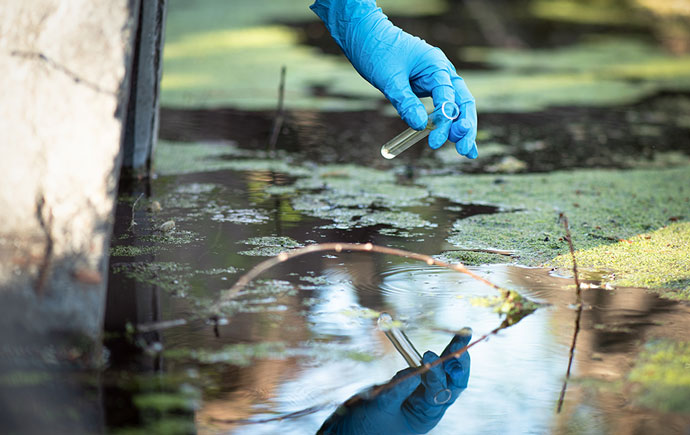 This proposal seeks to elucidate the mechanisms associated with transmission of enteric pathogens and subsequent gastrointestinal infections among children in coastal, low-income settings. The study addresses important questions raised by recent trials that have failed to achieve anticipated health benefits, possibly because they have not adequately interrupted key sources of pathogen exposure. By identifying the relative contribution of a range of specific transmission pathways, we will provide essential evidence on how interventions aimed at improving water and sanitation infrastructure should be designed and implemented in order for health effects to be optimised
Exploring household enteric pathogen transmission and exposure in informal settlements
Diarrhoea is a major cause of morbidity in children under five, especially in informal settlements in lower-middle-income countries (LMICs). These communities face high population densities, socio-economic challenges, limited healthcare access, and inadequate infrastructure, leading to unregulated sewage release and high disease transmission risks. Once shed into the environment, bacterial, viral, protozoal, and helminth pathogens causing diarrhoea spread via vectors like flies, soil, fluids, fingers, and food, entering households and increasing exposure risks. Transmission risks can then be further influenced by the interactions between community, household, and individual practices.
To reduce transmission, effective interventions require a comprehensive understanding of these interactions through the collection and analysis of robust qualitative and quantitative data. Our project, part of the Revitalising Informal Settlements and Environments (RISE) program, therefore aims to identify and monitor high-touch surfaces and fomites in domestic settings within informal settlements in the Indo-Pacific region by examining microbial presence, quantity, and transmission potential. By tracking faecal contamination pathways using faecal indicator organisms (FIOs) like Escherichia coli, we will also trace pathogen transmission from outdoor to indoor environments. This approach will help evaluate the impact of community-level interventions on reducing exposure risks and improving long-term health outcomes for children in these communities.
Assessing exposure pathways for pathogens causing gastrointestinal infection among children living in informal coastal settlements
Disproportionally affecting children in low income countries, diarrhoeal diseases represent the second leading cause of death for children under the age of five. Pathogens are spread via the environment through multiple pathways including food, drinking water, hands and objects. This study to be performed in urban, informal communities in Fiji and Indonesia, will examine the importance of each pathway in the spread of diarrhoeal diseases in vulnerable children living in urban slums.