
Hanze Wang redefines mindfulness branding with international design accolades
Originally from Jilin province, China, Hanze Wang is a Monash University graduate of the Bachelor of Industrial Design (2024), now pursuing a Master of Design - Design Research stream).
Hanze explains “I’ve always been drawn to the arts, but it was my brother, an industrial designer, who really opened my eyes to design and helped me take that first step. I chose Monash because I wanted the freedom to explore—a broader educational experience that let me shape my own path.”
In 2025, his work gained international recognition across major design awards—celebrated for both its originality and sensorial depth.
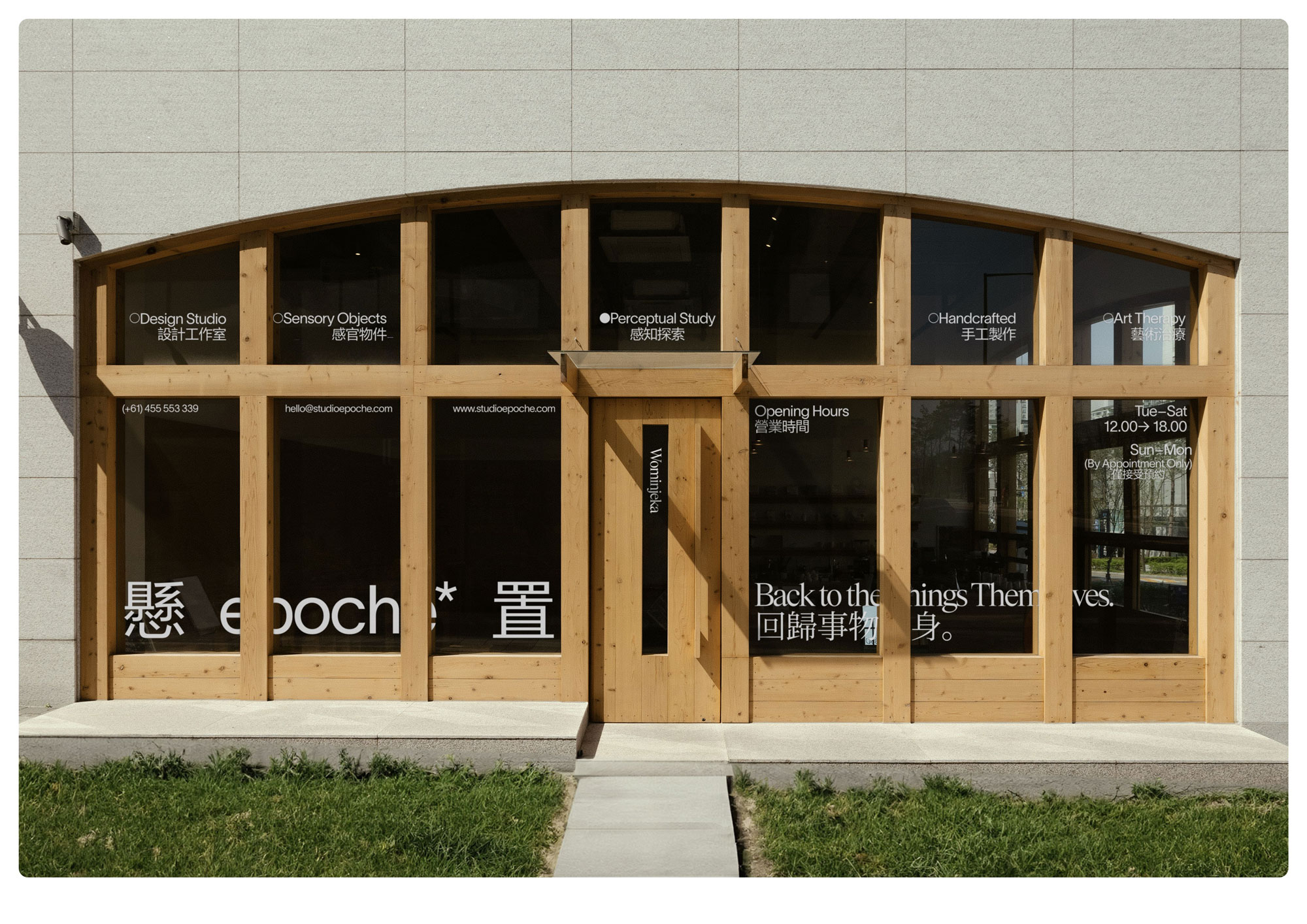
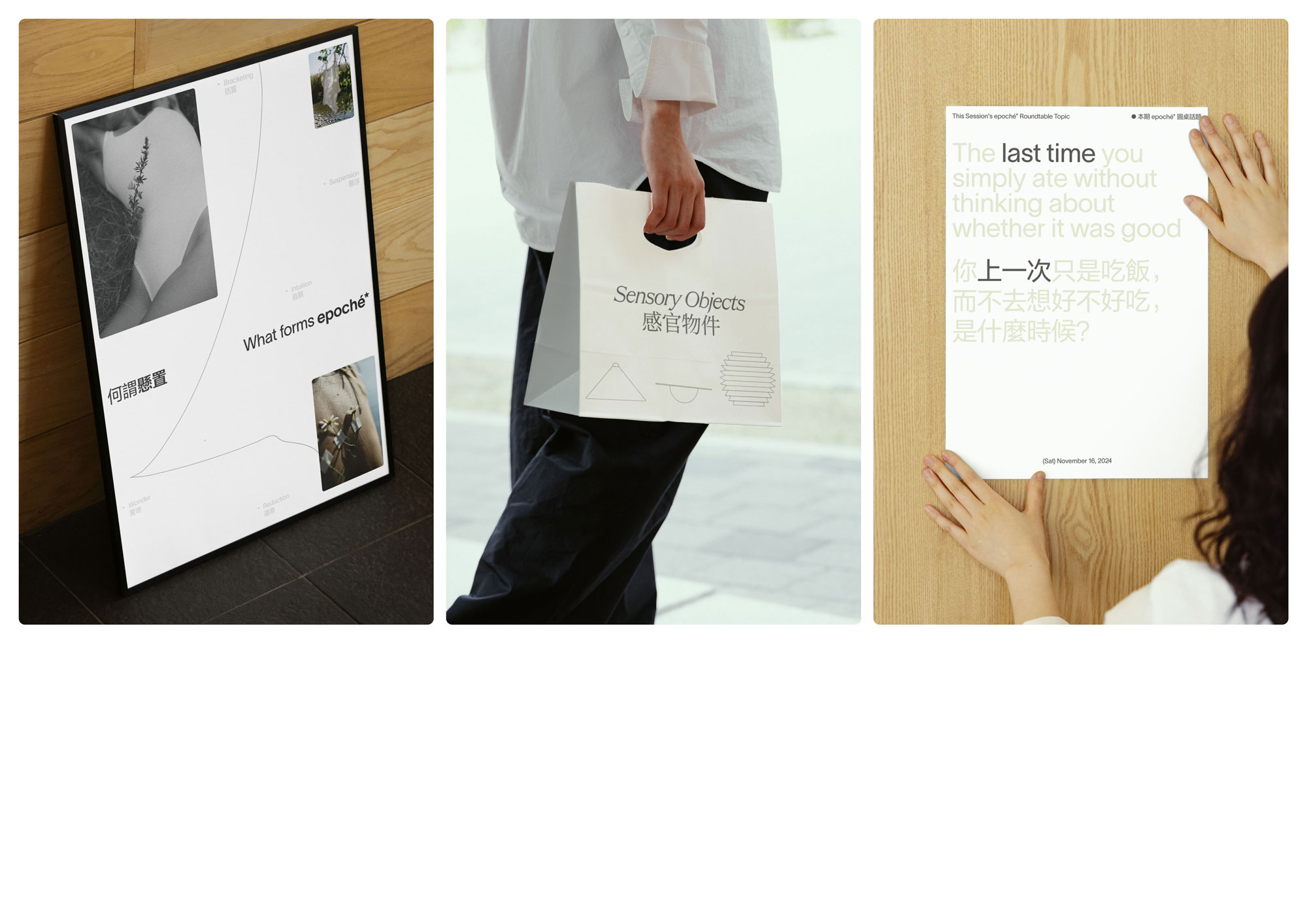
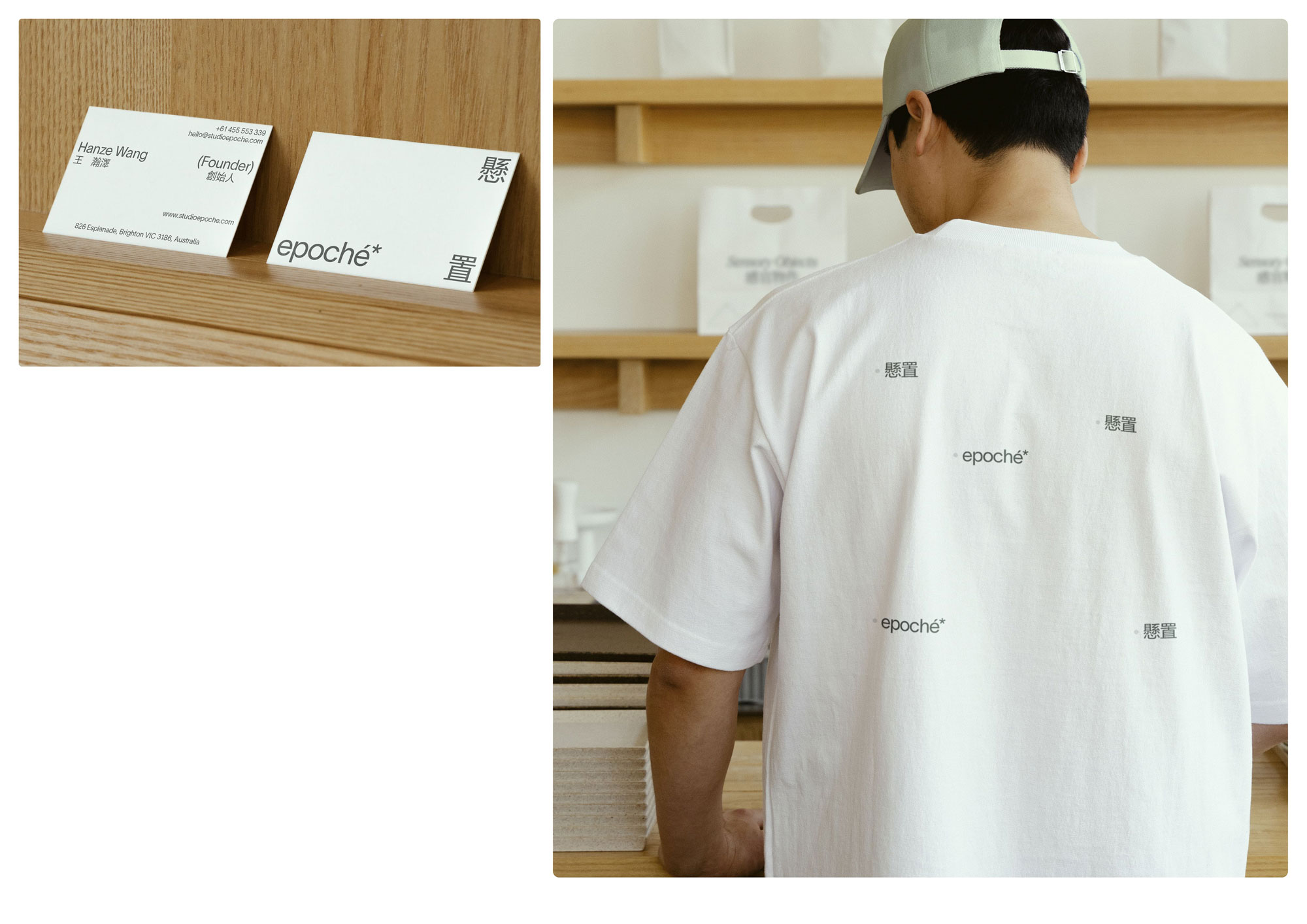
Images: epoché by Hanze Wang
Redefining mindfulness branding
Hanze’s standout achievement came with winning a Red Dot Design Award in the Design Concept – Brand Identity category for his project epoché. The brand system challenges the clichés of mindfulness branding—stacked stones, lotus poses, concentric circles—and instead aims to evoke calm through perception, tactility, and presence.
Drawing on philosophical roots (notably Edmund Husserl's concept of epoché, which means suspending judgment), Hanze created a perceptual framework that balances Latin and Traditional Chinese scripts, light typographic rhythms, and handcrafted sensory objects meant to slow the viewer down and engage multiple senses beyond sight.
“My work focuses on helping visually impaired people reconnect with their senses beyond sight. In a screen-focused world, it’s vital to rediscover our other senses and connection to nature.” Hanze explains.
His success extended beyond Red Dot. epoché earned a Bronze Award in the Best Design Awards NZ (Student & Academic Graphics) category alongside his companion piece Where Am I, a finalist exploring cultural estrangement through a collaboration with photographer Carmen Wong.
Hanze was also shortlisted for the Macau Design Awards in three categories — Brand Identity, Publications, and Packaging — for epoché and for Where Am I. If successful, his work will be included in a global exhibition beginning in Macau, touring Mainland China and potentially Tokyo, Japan.
Further recognition followed through leading design competitions, including the AGDA Awards (Student Category), naming epoché a finalist in Brand & Identity, and the 2025 Communication Arts Design Competition, which shortlisted where am I among international entries.
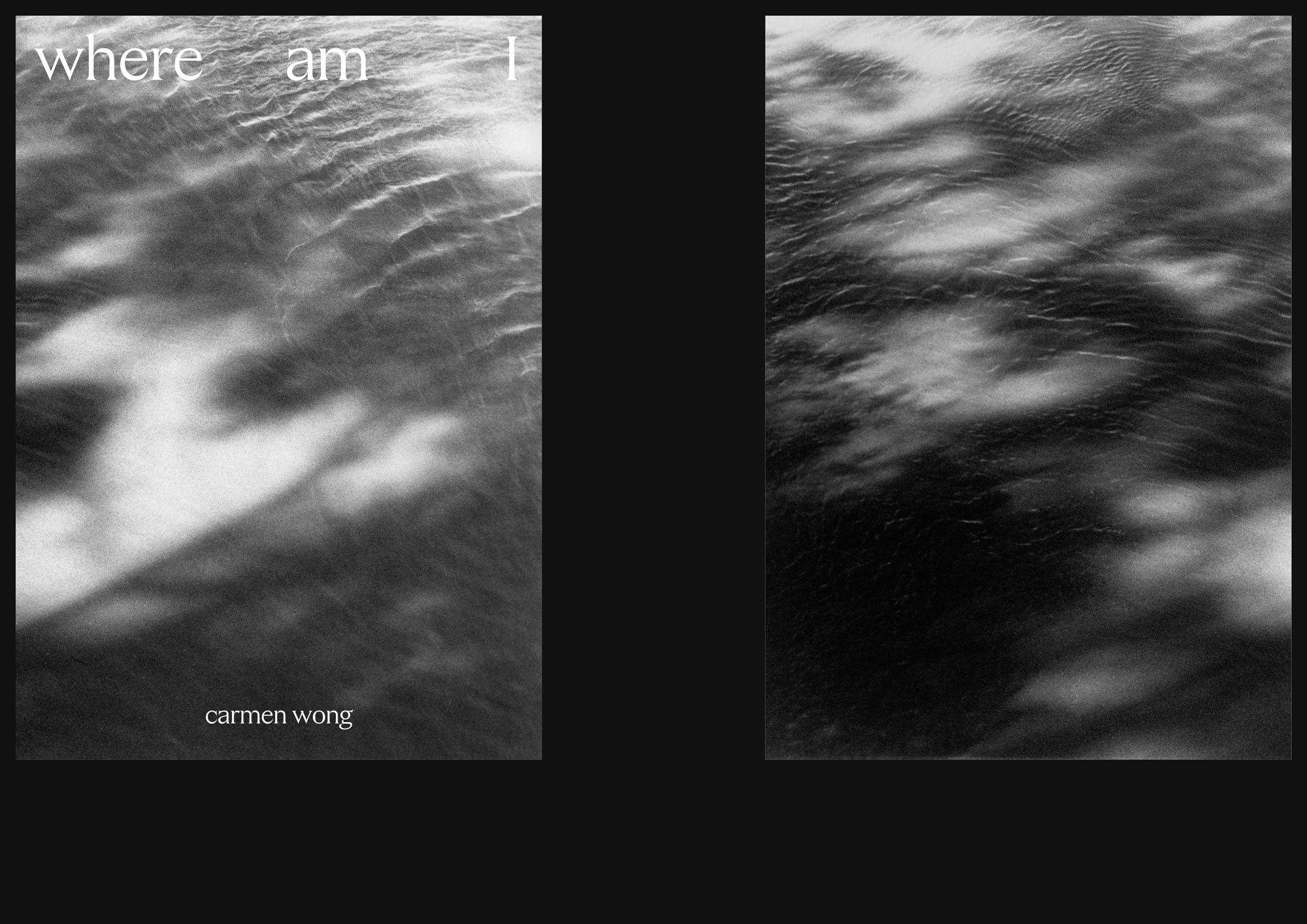
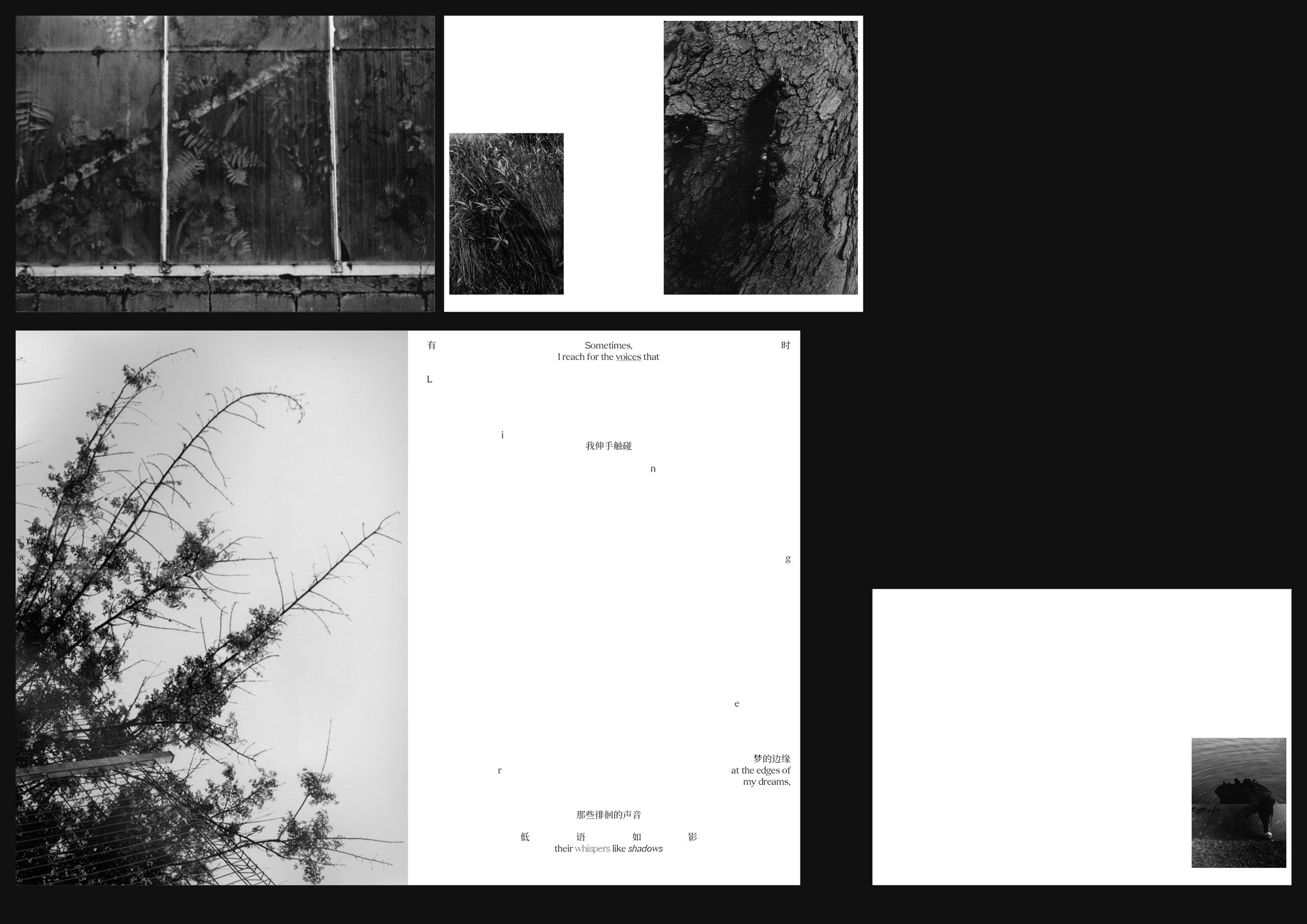
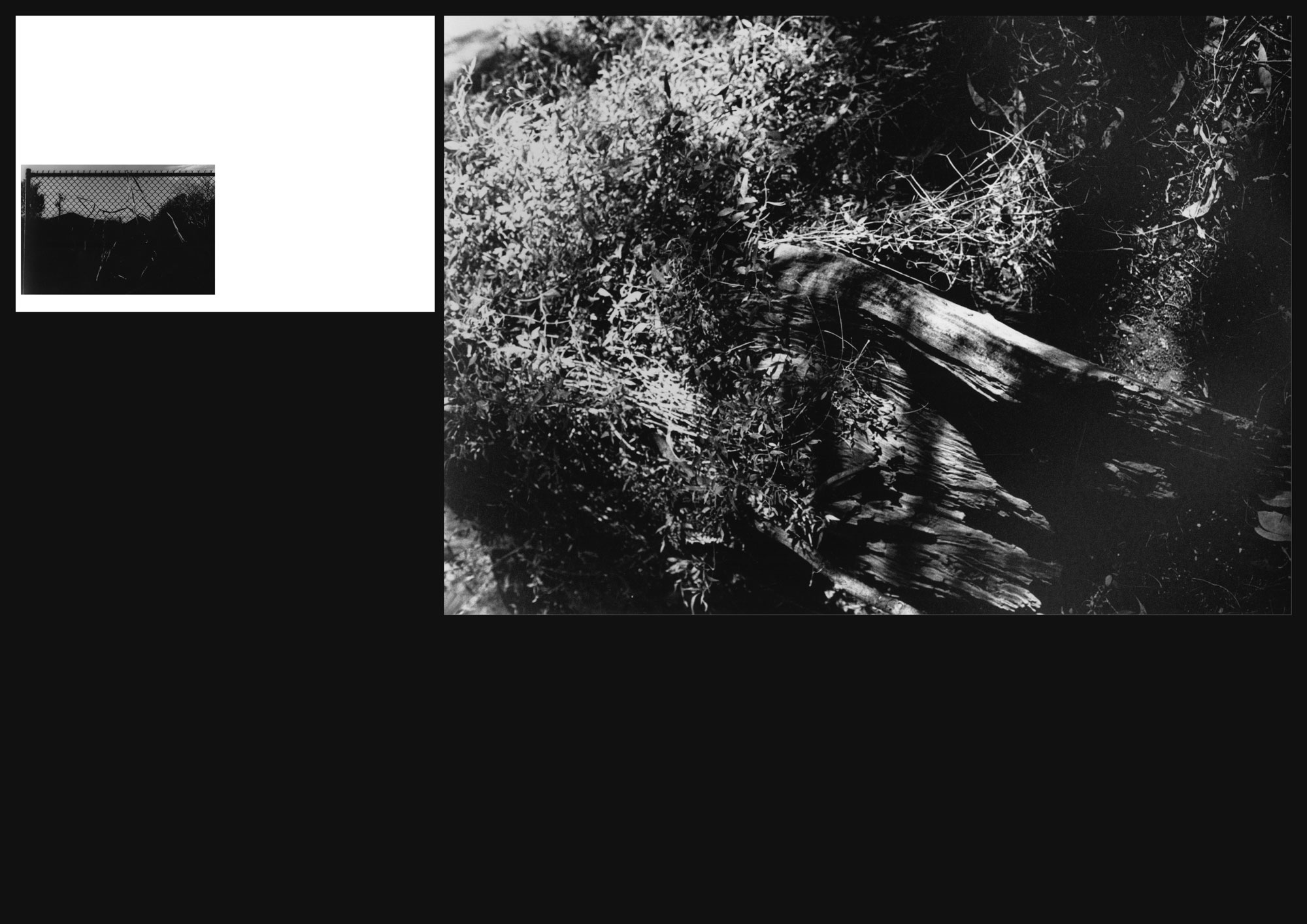
Images: Where Am I by Hanze Wang in collaboration with photographer Carmen Wong.
Design process, mentorship and learning
The origins of epoché trace back to Industrial Design Studio 5, where Hanze developed a set of handcrafted sensory objects that later inspired an independent brand identity. His design process has been informed by research, featuring extensive user testing and development of 3D-printed models (sensory objects), later integrated into the brand work.
During prototyping, he focused on paper stock and packaging, insisting on submitting physical artifacts rather than purely digital work, a Macau Design Awards requirement that, he says, pushed him to rethink materiality and tactility.
At Monash, Hanze was supported by dedicated mentors.
“Program coordinator Dr Giorgia Pisano gave me useful suggestions and guidance while Jacquie Johnstone, leader of Creative Interaction, guided my project through her research expertise in accessibility and inclusive design.”
When he struggled to find participants for epoché, Johnstone connected him with Dr Leona Holloway’s work on access to graphics for blind and low-vision communities through emerging technologies. “Dr Holloway’s publications were insightful and helped shape my understanding of visual impairment and accessibility-focused design,” explains Hanze.
One of the project’s biggest challenges was harmonising Traditional Chinese and Latin scripts—two systems not naturally designed to match. Through careful typeface selection, testing, and refinement, Hanze achieved a balanced, cohesive design.
Learning to accept failure has been key to Hanze’s development as a designer.
“Over time, I’ve shifted from a ‘fail never’ mindset to ‘fail fast’ mindset, seeing challenges as opportunities for learning rather than setbacks,” he shares.
“Not every major competition I entered this year was successful, but each experience strengthened my resilience and helped me grow as a designer.”
Vision and what’s next
Hanze is now turning toward themes aligned with the UN Sustainable Development Goals and design in urgent contexts—such as disaster response. He is preparing new works during his master’s that will continue to combine industrial design and communication design, with a strong focus on sensory design and inclusion.
“I don’t see awards as just accolades—they remind me to stay competitive, diligent, and focused on making a real social impact. For me, design isn’t about winning—it’s about refining the process, caring for perception, and creating experiences that slow us down and reconnect us with our senses,” he explains.
Hanze is working towards a career that integrates research, teaching, and practice. He plans to gain studio experience before eventually building his own practice at the intersection of industrial and communication design.
“My design practice is deeply informed by ideas beyond design itself—anthropology, fine art, and philosophy help me stay connected to the world and expand my understanding of human experience. What I love most about design is its ability to integrate knowledge from different disciplines beyond their immediate fields, bringing diverse perspectives together.”