
Deep End Living Lab: Inclusive and integrated health and social care for homeless populations
The Deep End Living Lab: Inclusive and integrated health and social care for homeless populations
The challenge
A safe, secure, and affordable home is essential for healthy ageing. Housing instability and homelessness leads to poor health from an earlier age, hospitalisations, greater chronic disease burden, and reduced life expectancy. 122,000 Australians are experiencing homelessness, including almost 20,000 older people (55 years or older).
Health services are well placed to identify people experiencing homelessness, and to link them with housing and other support services.
This project is delivering a novel evidence-based training and resource package for health professionals to better identify and support health and care for people experiencing homelessness and housing instability.
Our impact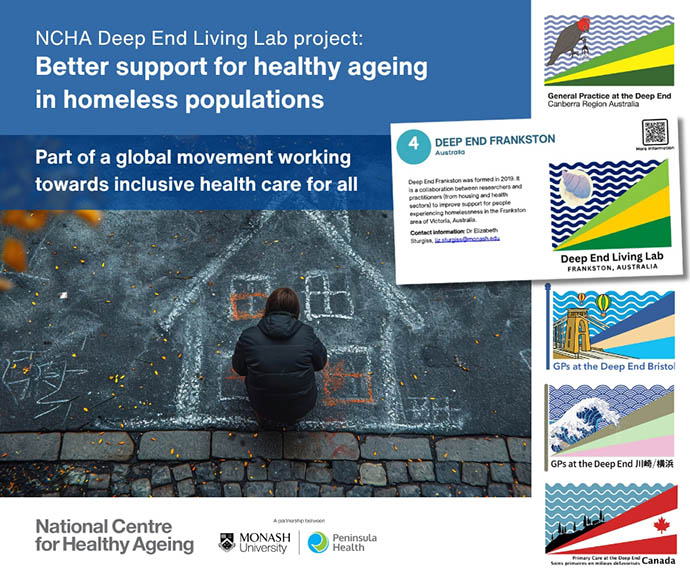
- Developed an Australian-first systematic screening algorithm for early identification of housing instability in people accessing healthcare using NCHA’s large data.
- Gathered evidence of the systematic barriers hindering healthcare access for this priority population, and insights into how to overcome these barriers.
- Informed policy and practice recommendations through the RACGP position statement on homelessness and housing instability.
- Developed substantial partnerships with homelessness sector and primary care.
Project lead/s
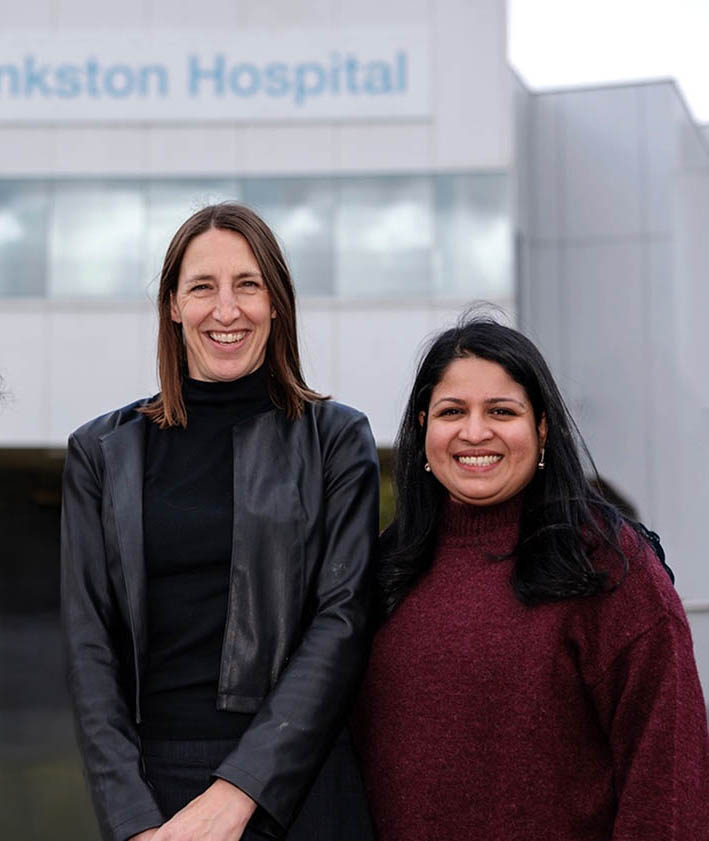
Professor Liz Sturgiss led this project from 2022-2024. Nilakshi Gunatillaka (Monash University) is leading the intervention design phase supported by Professor Suzanne Nielsen (Monash University) and Professor Liz Sturgiss (now at ANU, with an Adjunct appointment at Monash University).
-
PROJECT NEWS
Listen now!
One project. Two new pathways!
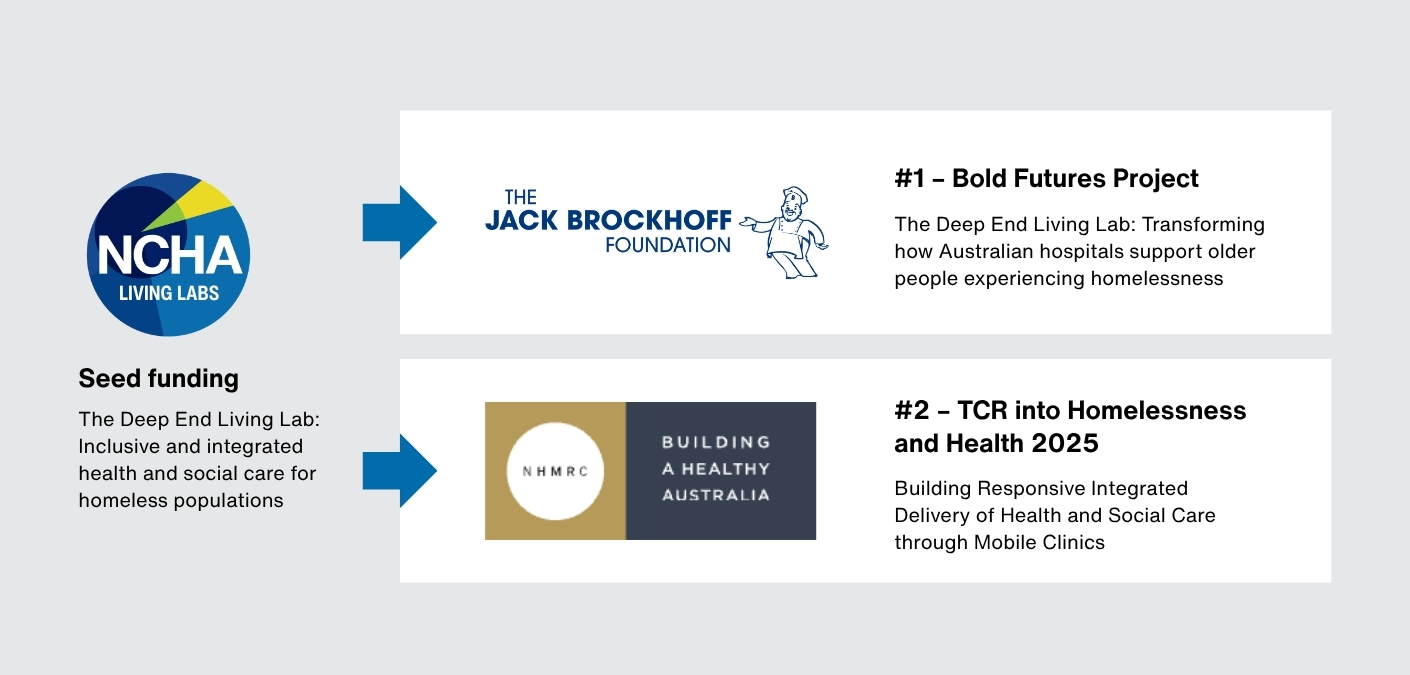
Foundational funding from the NCHA Living Labs Research Program launched this Deep End Living Lab research focused on improving healthcare access for people experiencing homelessness.
This research has since secured major follow-on funding from the Jack Brockhoff Foundation Bold Futures Grant and the NHMRC Targeted Call for Research on Homelessness and Health, supporting pathways to translate the research into lasting improvements in health and social care for people facing housing insecurity.
This is why seed funding matters. Early investment enables researchers to generate the evidence, build strong partnerships and identify critical gaps that lead to larger, nationally significant research initiatives. We're delighted to see this work continue to grow and contribute to improving health outcomes for people experiencing homelessness.
-
-
Learn more about this project on the Monash Addiction Research Centre (MARC) website: Deep End Living Lab: Transforming how Australian hospitals support older people experiencing homelessness project
-
Project resources & knowledge



-

-
-
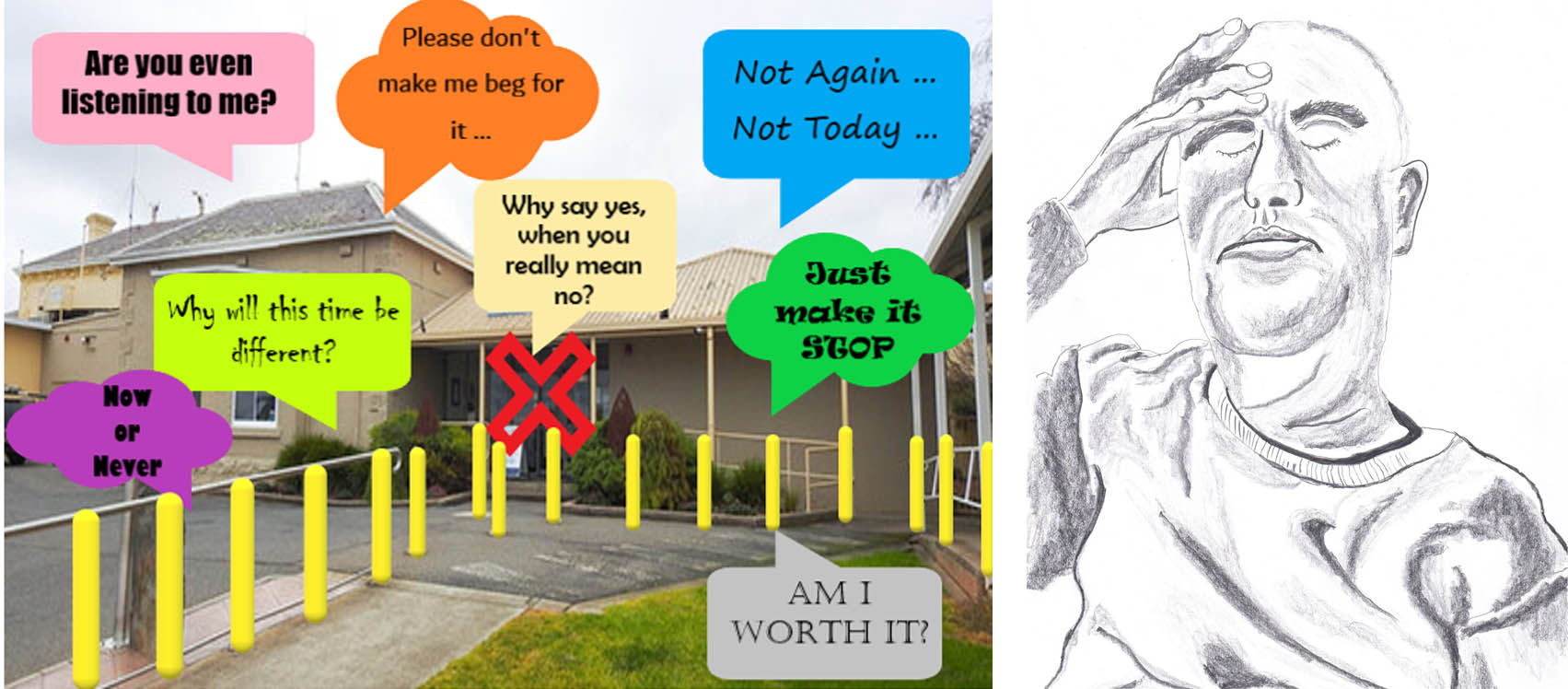
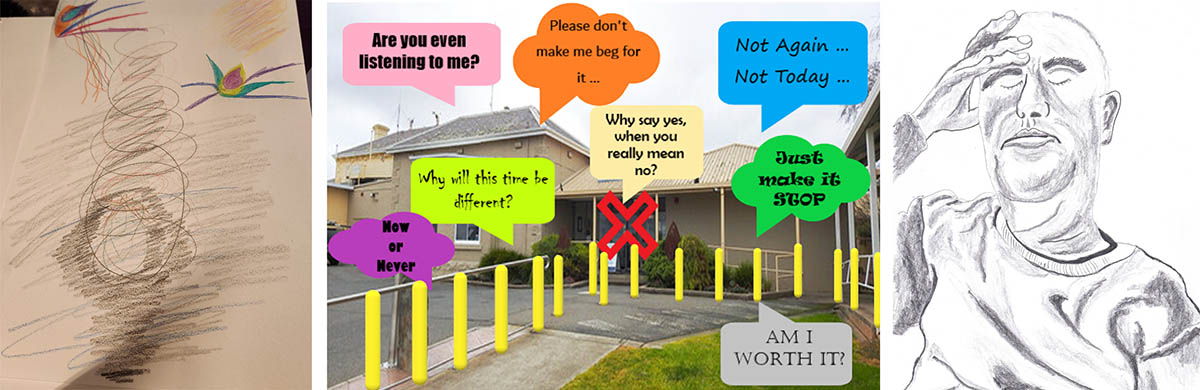
These images have been created by people with lived experience of homelessness and housing instability when asked “What was it like to access healthcare when you are homeless?" Visit the Deep End Photo Gallery
-
Key project information
-
For further information please contact Nilakshi Gunatillaka: nilakshi.gunatillaka@monash.edu