
The challenge of accessing health services when you are homeless
How do people navigate health services when they are homeless or experiencing unstable housing? Not well, is the short answer. A National Centre for Healthy Ageing (NCHA) research project – The Deep End Living Lab – is trying to change that.
People experiencing homelessness are at much higher risk of unhealthy ageing. How can you age well when you don’t have access to safe, secure, and affordable housing. More than 122,000 Australians are experiencing homelessness, including almost 20,000 older people (55 years or older), and the crisis is getting worse as housing affordability decreases.
Monash University researcher Nilakshi Gunatillaka was among the Deep End Living Lab: Inclusive and integrated health and social care for homeless populations project team, led by Professor Liz Sturgiss and Professor Suzanne Nielsen, who explored the gap in the intersection between homelessness and health.
Monash University researcher, Nilakshi Gunatillaka (Duration: 1:41)
“For people who are experiencing homelessness, we know that they have a higher burden of illness, they have poorer health outcomes, and unfortunately, a higher likelihood of early death and significant morbidity as well, and so [the project] was a natural way to combine the NCHA's focus on healthy ageing and our research interests looking at socio-economic disadvantage,” Nilakshi said.

“We really wanted to be able to create something together with people who had lived experience and the clinicians responsible for their care.
“Our overarching objective was to deliver better health services to people experiencing homelessness, and at the same time to try and help those individuals get better housing, [and] improve their current housing situation on the journey towards stable and affordable housing.”
What the research team found was a disconnected, siloed approach, between many health and housing services that were trying to support people on the margins.
“We need those services working together, becoming more embedded and integrated in how they work together, so that it’s a better experience for a person experiencing homelessness. There’s an international movement called Housing First, where there's a recognition that for a person to achieve better health outcomes you really have to address their housing outcomes first,” Nilakshi said.
Lived experiences shaping research impact
One of the key impacts of the project was amplifying the voices of people experiencing homelessness and the considerable challenges they faced to staying well. It took the team two years of building trust and connections with people with lived experience and organisations supporting them before any research data collection began.
Nilakshi shared a lived experience story that became an agent for change.
“One of the things that really hit me was I was interviewing a man who had quite a significant wound and had attended a hospital. But because of a number of issues or challenges they were discharged early without there being an appropriate understanding of their housing situation. They were tasked with cleaning a wound and trying to maintain it without any access to clean water. They were [living] on the foreshore of a beach and in a toilet trying to clean this wound and it became infected. They came back to hospital and had quite a significant infection and a long period of recovery.
“And from that story, from what I understood, was that if at the initial contact point someone had asked him about his housing, if they had taken that time to understand what he needed from his clinical team, they would have been able to link him in with an outreach nurse for wound care and they would have come and helped. And so there would have been the opportunity to avoid a difficult recovery for this individual.
“And I think that's the story that sticks with me the most, because it was like, if we can change how people talk about housing in a health setting, there's a real opportunity to improve health outcomes, and it's a very clear narrative for a treating team. If you ask this question it will help your clinical work, it will help your patient, it will help your patient stay well for longer, and avoid complications. And from that really powerful story … we're hoping to leverage off that to build a response from a hospital perspective.”
Bridging the knowledge gap to create change
The Deep End Living Lab outcomes have already been significant:
- Developing an Australian-first systematic screening algorithm for early identification of housing instability in people accessing healthcare using NCHA’s large data.
- Gathering evidence of the systematic barriers hindering healthcare access for this priority population, and insights into how to overcome these barriers.
- Informing policy and practice recommendations through the RACGP position statement on homelessness and housing instability.
- Developing substantial partnerships with homelessness sector and primary care.
Nilakshi explained a key impact of the research was creating a much better understanding of the systemic barriers faced by people experiencing homelessness or housing instability accessing health services, and of the clinicians and healthcare workers providing that care.
“We have multiple stories of things going horribly wrong for individuals, [but] they have a sense of what could have been done better for them. So that's really key going forward, being able to foreground the voice of lived experience in the initiatives and programs that hospitals and housing services might run,” she said.
“We've also tried to understand from a clinician's perspective, so people on the frontline of an emergency department, out in the community, in general practice, what challenges they face when trying to talk about housing. We know that they're willing to talk about housing, but there is a knowledge gap. People aren't sure how to bring it up sensitively, what services are available, or how to refer their patients to those services. So, if we don't bridge those gaps, we know that change is not going to happen.”
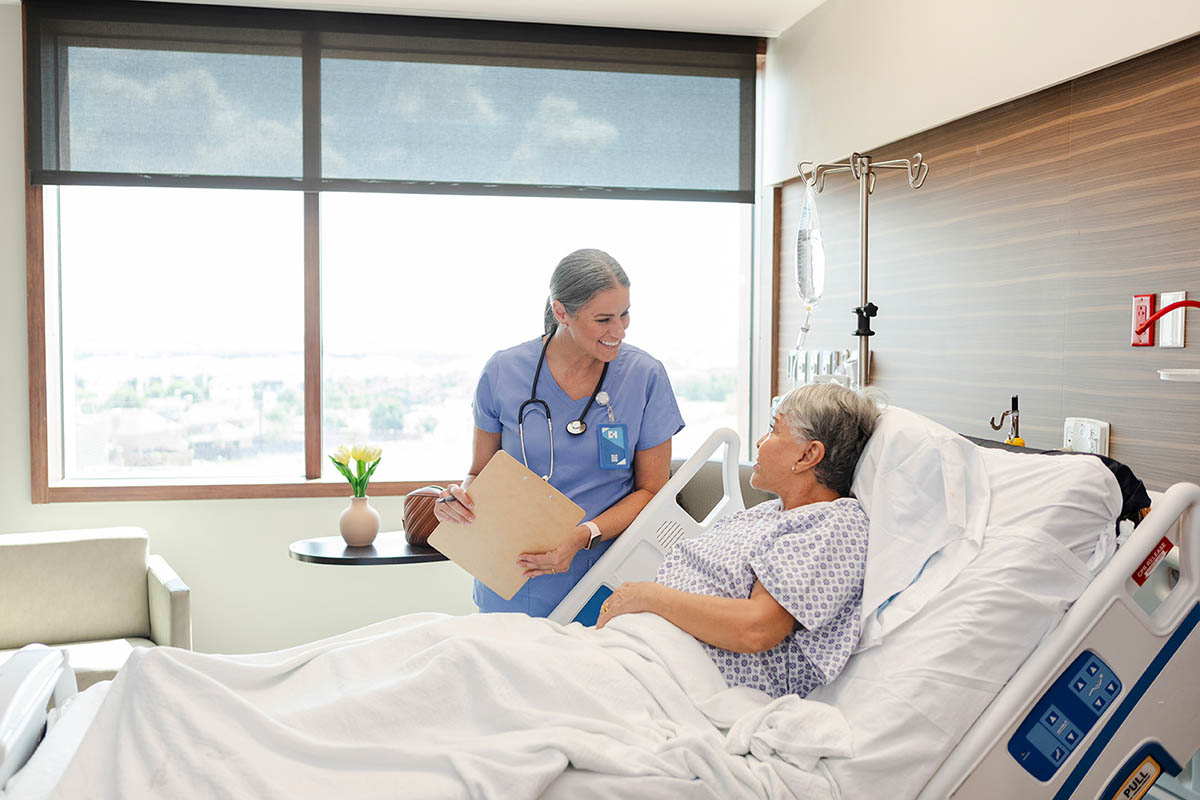
The team is now working closely with Peninsula Health (in Frankston, Victoria), Bolton Clarke, Launch Housing, and people with lived experience to co-develop a training program to educate frontline clinicians about homelessness. They are encouraging clinicians to start asking people about housing because it has implications not only for the choice of treatment but can lead to positive housing outcomes, and better overall health and wellbeing.
Nilakshi said the team hope their training program initiative will be eventually rolled out statewide and nationally.
“Big picture, we would really love to see a national response to taking care of people who are experiencing homelessness in the same way that we have for domestic and family violence, where there is a national movement to make sure that we are doing the work that needs to be done in a health service,” she said.
What’s next? Policy changes.
Nilakshi’s career has been focused on people who live at the margins – working in the refugee health space, with people who have drug and alcohol issues, and with people who are experiencing homelessness. She’s interested in how the system fails people who don't present a certain way and wants to give a platform for them to be heard.
The Deep End Living Lab has supported the voices of those who need it – the people with lived experience. But to make even more impact, she believes the next step is policy change.
“We need to have conversations at the state and at the national level around why it’s very important that we have a policy change. So there needs to be investment in social and affordable housing. There needs to be more housing for social workers in hospital to link their patients up with. That's an absolute necessity,” she said.
“And at the same time, we need to make the case for the treating clinicians on the frontline that this work has clinical implications for their patients, and they can make a difference to their patient, even if they’re not able to find housing for them. They can make a difference to the patient’s health if they understand their housing situation and adapt the care. So, we need buy-in from national and state level [governments], policy makers, hospital CEOs and [health services] managers to try and get this work off the ground.”
Find out more about the Deep End Living Lab project.