
MUARC expands global road safety impact with US study on seatbelt use in pregnancy
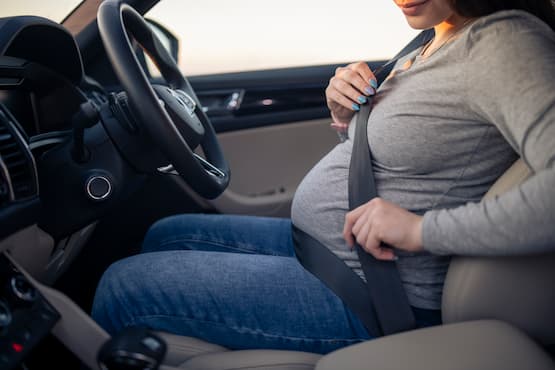
A new international publication, from a collaboration between the Monash University Accident Research Centre (MUARC) and the United States-based Insurance Institute for Highway Safety (IIHS), has revealed that while most pregnant vehicle occupants wear seatbelts, only a small proportion position them correctly - significantly increasing the risk of injury to both mother and baby in a crash.
Published in Traffic Injury Prevention, the study, Belts on bones, not over the bump: reported seat belt use and positioning among pregnant and nonpregnant drivers and passengers in the U.S., is one of the most comprehensive examinations to date of seatbelt use and positioning during pregnancy, drawing on a nationally representative U.S. sample.
Building on MUARC’s earlier research in Australia, this new analysis extends the global evidence base on how pregnant occupants wear seatbelts and the challenges they face with comfort, positioning, and misinformation.
Key findings include:
- Motor vehicle crashes are a leading cause of maternal and fetal injury and death.
- Although most pregnant occupants report always wearing a seatbelt, correct positioning remains low - only 21% in this study used their seatbelt correctly.
- Discomfort and misconceptions about fetal safety were key reasons for misuse.
- The findings highlight urgent opportunities for improved vehicle design, education, and communication by healthcare providers and road safety professionals.
IIHS is a world-renowned, independent, non-profit research organisation dedicated to reducing deaths, injuries, and property damage from motor vehicle crashes. IIHS is best known for its rigorous vehicle crash tests and influential safety ratings, which have driven substantial improvements in vehicle design and occupant protection globally.
This collaboration exemplifies the importance of global research partnerships to advance road safety for all, especially vulnerable groups such as pregnant occupants.