
Workplace safety
The workplace is a diverse environment, making injury prevention a complex challenge. Much of our work focuses on developing safe systems by understanding human abilities, limitations, and errors, alongside the environments in which people operate. This systems approach provides a research framework that considers the individual as an integral part of the broader system.
Our occupational injury research leverages MUARC’s multidisciplinary expertise, including specialists in human factors, epidemiology, engineering, and statistics. Together, we analyse the causes and patterns of workplace injury, design and implement potential solutions, and evaluate their effectiveness.
This research is grounded in strong partnerships with key industry stakeholders such as WorkSafe Victoria, the Transport Accident Commission (TAC), government agencies, insurers, regulators, and non-government organisations, ensuring our work remains relevant and impactful.
Why workplace safety is important
In 2023, there were 200 worker fatalities in Australia, 95% men. Australia’s current work-related injury rate is 3.5%, roughly one-third the global rate of 12.1%. Vehicle incidents are the leading cause of worker fatalities (42%), followed by Falls from a height (15%).
Claims for mental health conditions are increasing (11% of serious claims) with median time lost from work more than five times that recorded across all injuries/diseases.1
Safe Work Australia has set targets of a 30% reduction in worker fatalities and 20% reduction in serious claims by 2033.2
Research Teams
Our workplace safety work is conducted by the following research teams:

Behavioural Science
The team applies innovative, transdisciplinary expertise to understand complex human behaviour and develop practical, evidence-based safety solutions. The team translate research into policies and practices that promote safer environments and enhance wellbeing at every level of society.
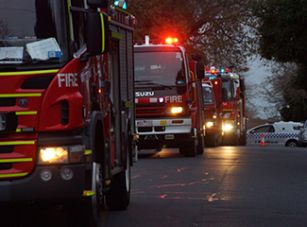
Emergency Services Research
Research areas include occupational safety and wellbeing of emergency service workers, emergency vehicle safety, the role of emergency services in improving public health outcomes, and community safety. Significant partnerships and long-term data linkage programs have been forged with a number of Australian state fire, ambulance and police agencies.

Human Factors and Sustainable Safety
The team uses a human factors approach to explore the interface between people and technology within complex and dynamic environments, focusing on understanding the system surrounding the individual and the factors that support and constrain safety behaviour.
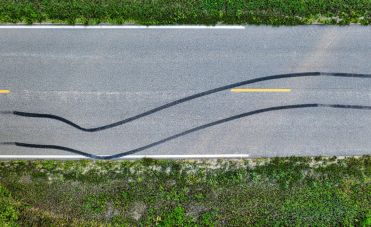
Mental Health, Impairment and Injury
The team's psychology expertise underpins their research into the factors associated with being injured and subsequent recovery. The team is focused on the use of technology and the adoption of policy and regulations aimed at improving the safety and wellbeing of society.

Traffic Engineering and Vehicle Safety
The TEVS team focuses on work related to the development and evaluation of safe vehicle and road infrastructure and design including research on intersection design, roadside barriers and work vehicle safety.

Victorian Injury Surveillance Unit (VISU)
VISU has been analysing, interpreting and disseminating Victorian data on injury deaths, hospital admissions and emergency department presentations across the state, nationally and internationally for more than 25 years.