
My career in... Orthopaedic Surgery: Associate Professor Susan Liew
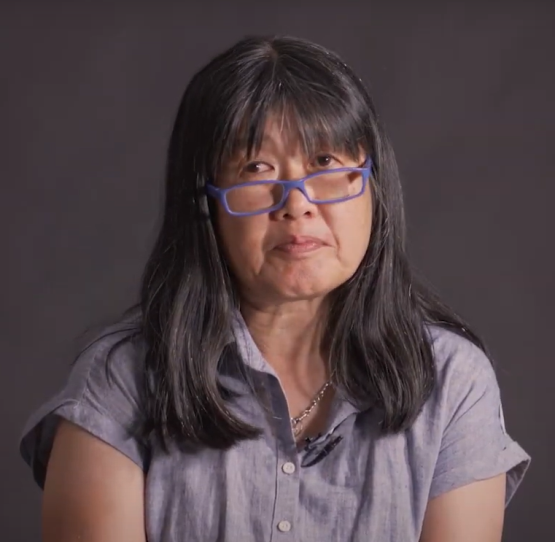
Associate Professor Susan Liew didn’t start out knowing she’d become the Director of Orthopedic Surgery at The Alfred combined with a thriving research career through the Monash Translational Medicine Department of Surgery. In fact, it took years of exploration, doubt, and redirection before she found her calling—a journey defying the straight-line path many students imagine when choosing a career in medicine.
“I was going to be a rocket scientist,” she laughs, recalling a primary school project building a model atomic bomb. “The way things worked always fascinated me.”
After high school, Liew’s path veered toward engineering, largely due to her school's push to produce its first woman engineer. She dropped out after one semester. “At 18, who really knows what you want to do?” she reflects.
A stint waitressing followed before she pivoted again—this time into medicine, encouraged by her strong academic marks. “I got into Monash, and I hated it,” she admits candidly. “But I thought, I can’t drop out of a second degree.”
It wasn’t until fourth-year pathology and surgical rotations that medicine began to click. “I dabbled with the idea of becoming a pathologist. And then I just really liked the practical, patient side of things. As I went along, it became clear that I was too impatient to do medicine, although the cerebral aspect was appealing, but I still wanted to fix things.
|
|---|
When she did get the opportunity to become an orthopaedic surgery registrar, “I was happy as a clam. I could fix a fractured neck or femur every day and feel good about that.”
The path into orthopedic surgery, however, was far from conventional—and not always welcoming. “I was probably the fifth woman on the orthopedic training program,” Liew says.
She shares a defining moment involving a shoulder dislocation that a male emergency doctor couldn’t reduce using the traditional forceful method. “He laughed when I said I’d try,” she remembers. “That made me mad. So I went down and popped it in—no extra pain relief needed. There’s a gentler way if you know how.”
Liew’s story is one of persistence, resilience, and challenging stereotypes—not just about who becomes a surgeon, but how surgery is practiced. She didn’t face overt barriers, but she did encounter scepticism. “I once told a rheumatologist I was thinking of surgery, and he just looked down and said, ‘I think the market forces are against you,’” she recalls. Another general surgeon simply laughed at the idea. But she didn’t let those offhand remarks deter her. “I met so many people along the way who were encouraging,” she says.
It’s also a story of continual self-reflection. “It’s important to doubt yourself a little,” she says. “To ask, ‘Am I doing the right thing?’ And if the answer is no, figure out why. You have to be able to sleep at night.”
“I think one thing you learn with age is that you do make the right decision virtually all the time, and most of the time, things always turn out for the best. I've been lucky that I've had lots of mentors.”
She emphasises that while surgery often attracts intense, problem-focused personalities, there’s room—and a need—for many kinds of people in medicine. “It’s a career that accommodates so many different people, and we need all of them.”
Liew acknowledges that surgeons can sometimes be perceived as abrupt or even rude. “That sort of impression comes from the fact that our primary focus is often the problem at hand,” she explains. “But that doesn’t mean we don’t care—it means we’re deeply invested in getting the best outcome. Sometimes the intensity of focus can be misread.” For students entering medicine, she encourages developing both emotional intelligence and clinical skill, as both are vital to building trust and delivering excellent care.
Her most memorable case involved a young motorcyclist with a thoracic spine dislocation and suspected aortic perforation. “It was a Sunday night, 9 pm,” she recalls. “You’re winding down, but then this comes in. I sat down for 30 minutes just piecing it all together in my head. Planning for trauma like that, you need that thinking time.”
The operation was a success. The patient recovered fully—one of many moments that reinforce Liew’s sense of purpose. “If you can help someone in some small way because of something you can offer, that’s amazing,” she says. “And I still get a thrill from making a tricky diagnosis.”
While there are more women in the profession, Liew would like to see more done to attract them. “It still needs to be encouraged. I think it's a great career. Brute force isn’t what this job is about. It’s about working smart.”
For any student considering orthopedic surgery, Liew has one clear message: “You can do everything. You just have to work smart, think flexibly, and find what keeps you curious.”