
2026 MARC PhD Committee Members
Welcome to a new year with the MARC PhD Network Committee -2026!
We would like to start by greeting the new members of the MARC PhD Network that have joined us this year. Our new batch of 2026 PhD students represent departments from all over Monash and its affiliated research departments, including Burnett, CMUS and the Department of Epidemiology! It’s shaping up to look like an exciting year of diverse research, which of course will be showcased at the MARC ECR Symposium on 14 May. We can’t wait to see you there!
While we know a little about the research goals of each of our PhD network members, we thought this would be an excellent opportunity to let you know a little about us (the MARC PhD committee members!). Beyond their committee hats, each of our members is pursuing a PhD adventure of their own. Here’s a peek into the goals, milestones, and big ideas they’ll be chasing over the coming year.
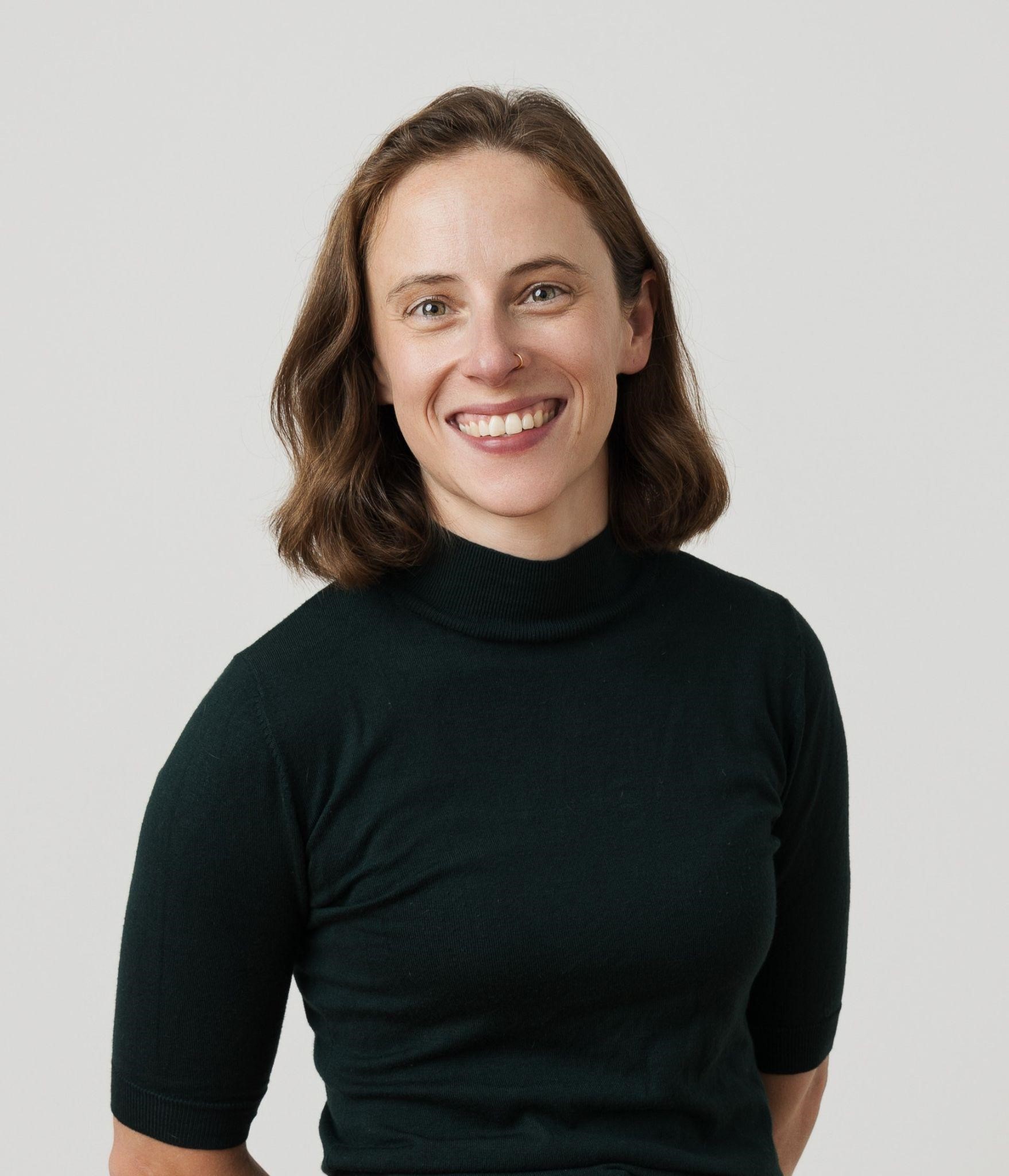
Amy McNeilage: “With any luck, 2026 will be my last year as a PhD student. I’m hoping to see my fourth PhD study, an analysis of NDSHS data on non-medical gabapentinoid use, make its way from ‘under review’ to published (fingers firmly crossed). I’m also working to complete my fifth and final study, a qualitative project interviewing GPs about gabapentinoid prescribing, so please send any chatty GPs my way! The big goal: submitting my thesis before the September deadline, fuelled in no small part by the impending arrival of a baby in August.”
Richard Armour: “I have three studies I am hopeful will see the light of day this year. One is in partnership with Turning Point examining opportunities for paramedic leave-behind naloxone, another is examining the impact of paramedic naloxone dose changes and patient experiences of paramedic care, and I have a final round of data collection for a 4-year study following paramedic students around the country and their experience of caring for people who use drugs. Mainly, though, I am hopeful I will be able to train my new dachshund, Pickles, to bark a little less before the end of the year.”
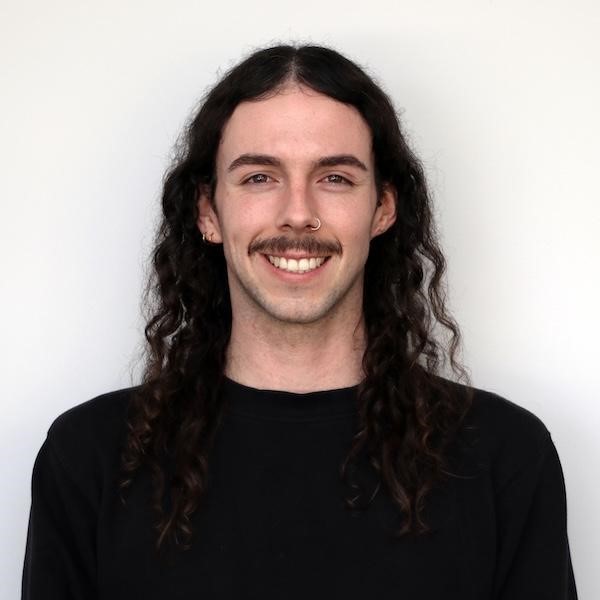
Zach Lloyd: “I am fast approaching my 1-year PhD milestone, and as you can imagine, I am busy preparing for that. Otherwise, I have been deep in the midst of data cleaning and have finally gotten to a stage where I can start doing some analysis for my first study: mapping changes in the geographic distribution of opioid-related deaths in Australia over time. My next study will examine socioeconomic correlates of geographic clusters of fatal opioid overdose in Australia. I hope to have submitted my first two papers for my PhD later year.”
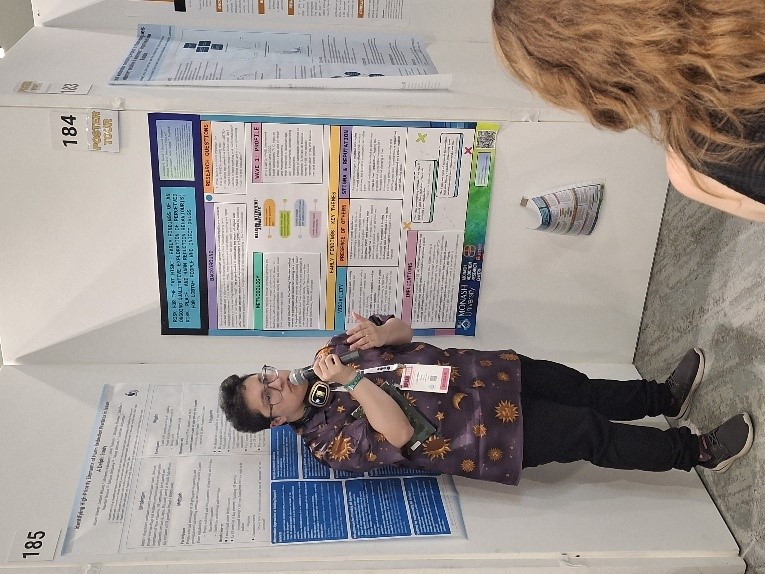
Lawrence Rivera: “If PhD’s are a roller coaster, 2026 is the start of the exhilarating dips and loops after two years of build-up. This year is both intense and exciting; finishing qualitative data collection, submitting several manuscripts that have been years in the making, and touring the international conference circuit. I’m particularly excited to visit Prague for INHSU, and Bilbao, Spain for the 19th European Public Health Conference - where I look forward to spending time with one of my cousins (who I last saw more than a decade ago!).”
Rose Laing: “This year marks my second year as the chair of the PhD committee, and the start of the third year of my PhD. In 2026, I’m hoping to finally see a few of my papers published! I currently have five papers under review, and I would love to see these getting accepted and published within the next few months. I also have two additional manuscripts planned for this year-a qualitative study on older adults’ perceptions and experiences of social isolation and loneliness, and a longitudinal analysis looking at whether changes in social wellbeing predicts changed in alcohol use. I have high hopes that my third year of my PhD will be filled with lots of conferences and presentations, so I will be kept busy with abstract submissions and travel, hopefully!”
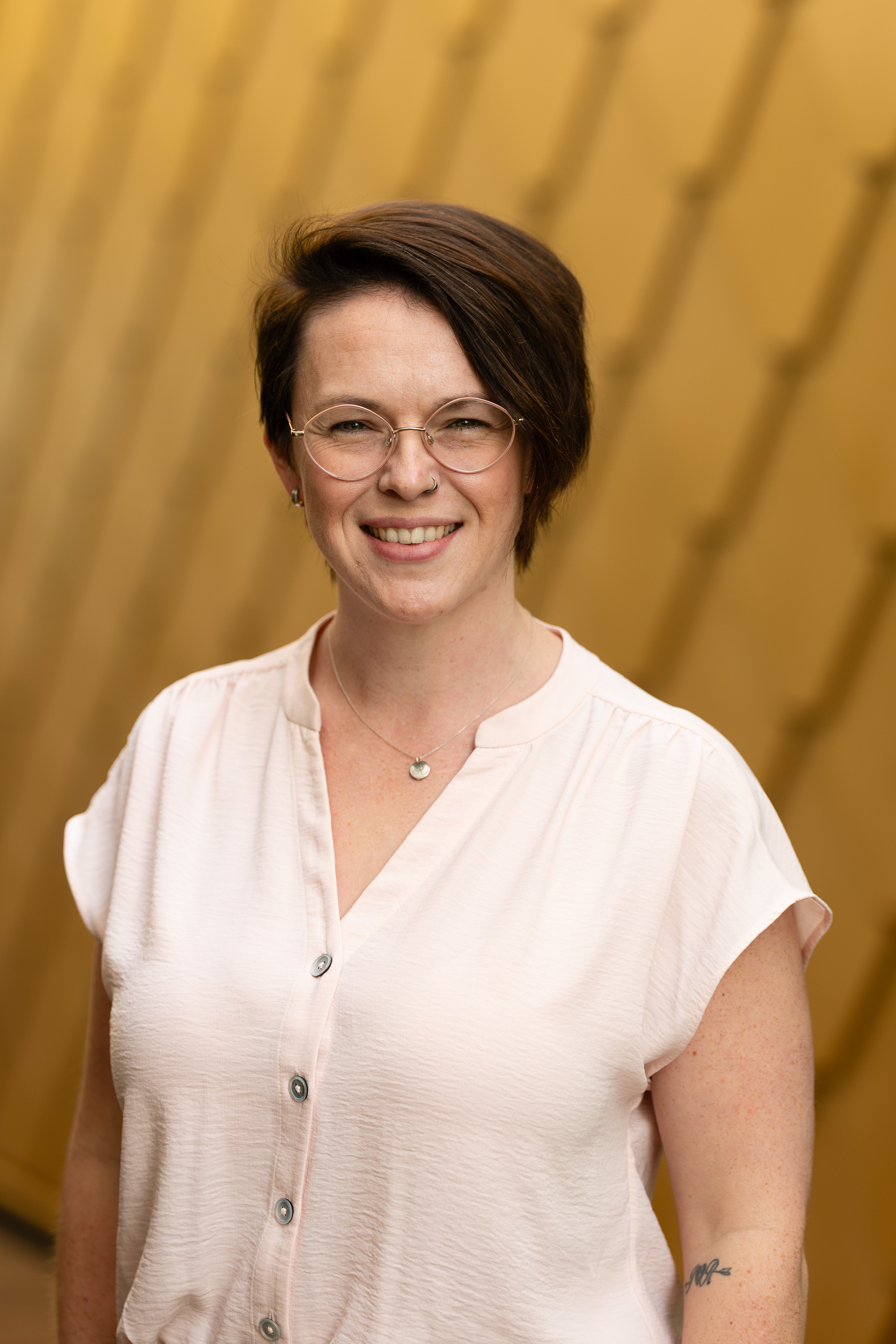
2025 MARC PhD Network Committee
Rose Laing (Chair)
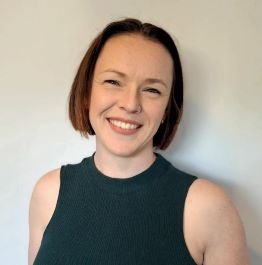
Hi everyone, my name is Rose, and I am a PhD candidate at MARC. I am currently in my second year of my PhD, where I am looking at the relationship between social isolation and loneliness and substance use in adults aged 50-70. My work is part of the Beyond 50 study, which is a longitudinal cohort study aimed at supporting healthy aging and is based in the Frankston and Mornington Peninsula regions of Melbourne. I have come into research from an untraditional background, so this is my first experience with research, but I have previously completed a master’s in public health, and I have a passion for helping promote equitable health outcomes for all populations.
Outside of study and work, being a mum keeps me pretty busy, but I also have a passion for bodybuilding and strength training, and I love to cook (and eat!). I am thoroughly looking forward to chairing the MARC PhD committee and I look forward to the opportunity to help organise social and educational events for the MARC PhD network, and I look forward to building connections with current and future members.
Lawrence Rivera (Vice Chair)
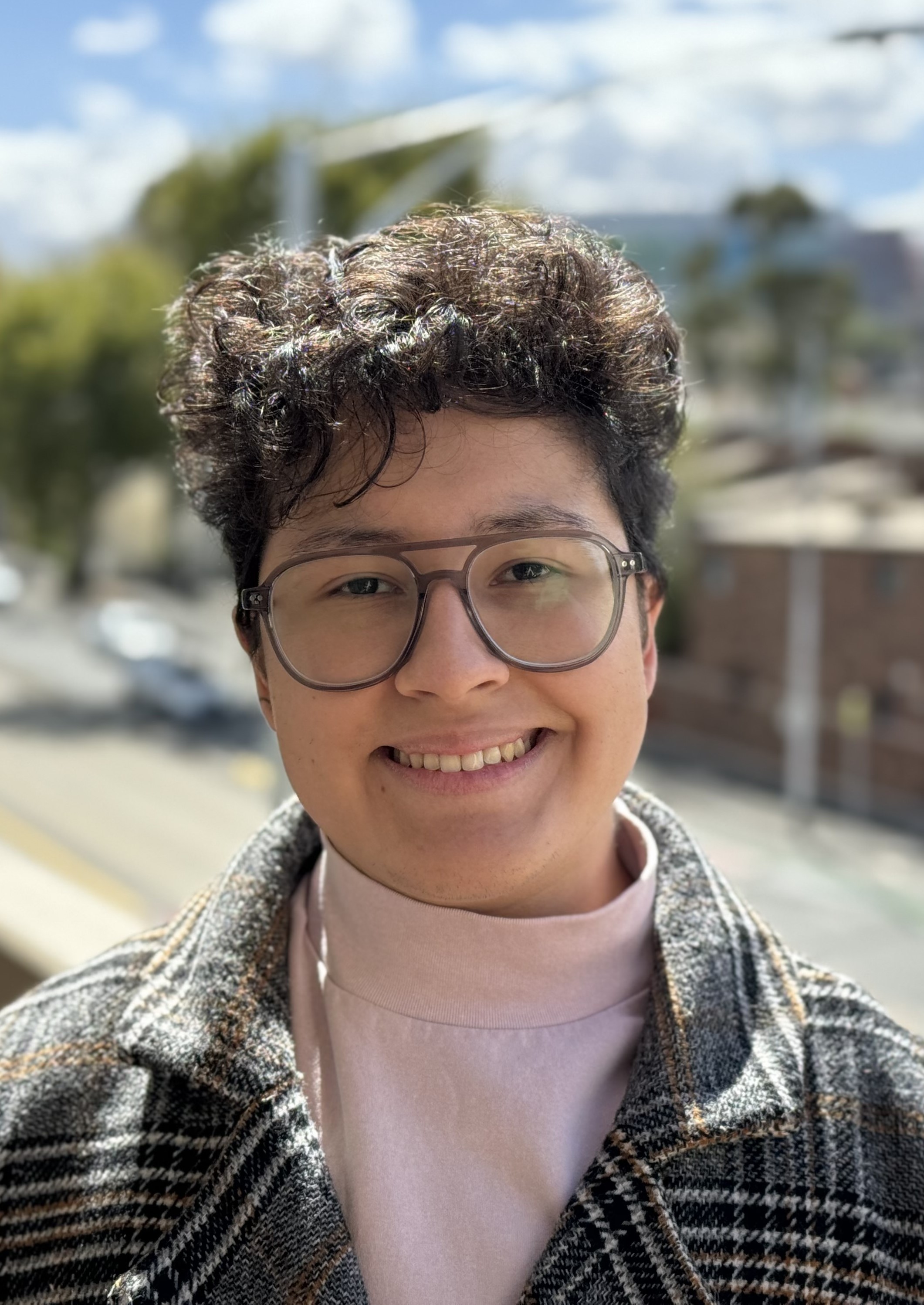
My name is Lawrence, and I'm a 2nd year PhD student at MARC. My project is focused on the experiences of safety and risk for LGBTQ+ people who inject drugs (PWID), especially in healthcare and harm reduction spaces. My background is in criminology, which gives me a unique perspective within the MARC team. I am particularly interested in novel methodologies (quant or qual!), intersectionality, and transdisciplinary research - so please feel free to reach out if you have questions about these topics or want to discuss them further!
Outside of my PhD, I try to keep myself sane through fibre crafts and language learning (currently Arabic, after dabbling in French and Japanese). I am also a huge fan of cinema, theatre, and visual art. I'm very excited to be supporting Rose and the MARC PhD Network in this role and look forward to getting to know all of the network's members throughout the year.
Amy McNeilage (Committee Member)
Amy is a third year PhD candidate based in Canberra researching gabapentinoid-related harms. She has undergraduate degrees in journalism and psychology, and research experience in chronic pain and qualitative methodology.
Richard Armour (Committee Member)
Richard is a part-time PhD candidate in the Department of Paramedicine, exploring the role of paramedics in providing care to people who use substances. While completing his PhD, Richard continues to work full-time as an Intensive Care Paramedic in Melbourne’s western suburbs, having worked previously on the frontline of North America’s toxic drug crisis in Vancouver, Canada. Richard is committed to system co-design with people with lived or living experience of substance use, and is a strong advocate for the patient voice. As a typical Canadian, Richard spends most of his spare time playing or watching ice hockey.
Zachary Lloyd (Committee Member)
Zachary officially starts his PhD in mid-March and will be studying fatal overdoses via data linkage. He has experience working across several Melbourne cohort studies exploring patterns of illicit drug use, and treatment and health service utilisation by people who use drugs.
Campbell Ince (Committee Member)
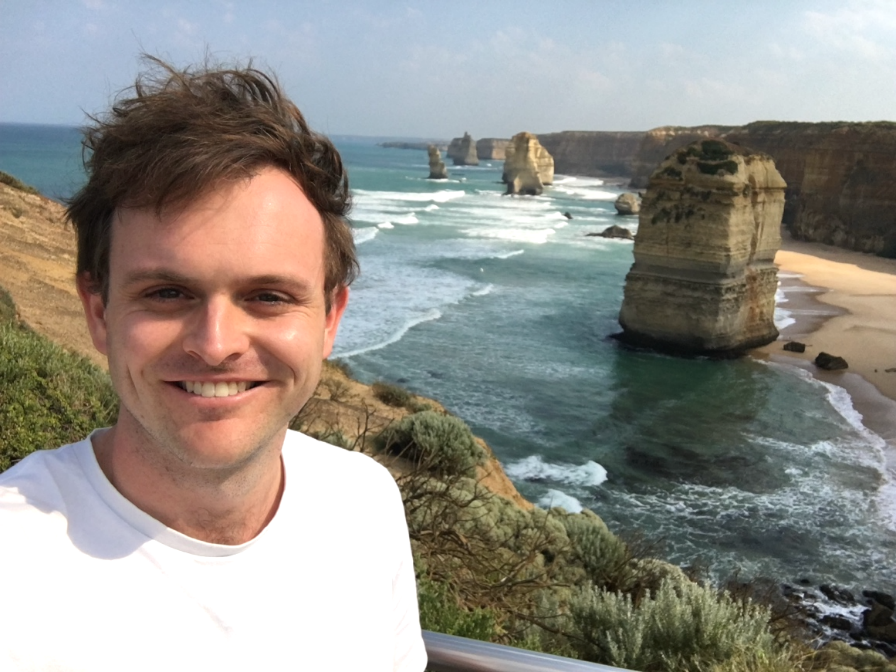
Campbell brings his expertise as our only pre-existing committee member. Campbell is studying behavioural addiction, looking at the difference between problematic pornography use and other addictive and compulsive behaviours.
Together the new MARC committee look forward to working together to organise social and educational activities for the broader MARC PhD network.
Interviews with our PhD Students
Campbell Ince
This month, we interviewed Campbell Ince to learn more about his work.
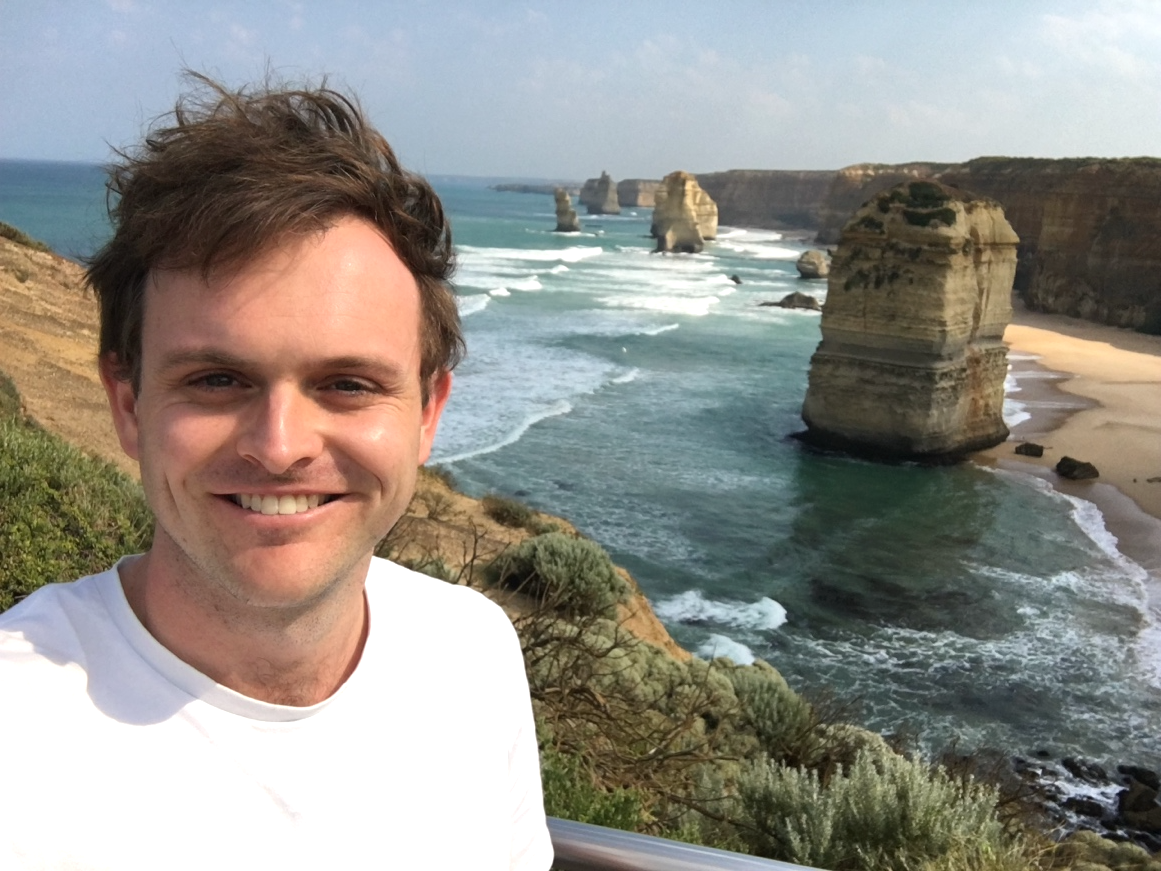
I’m a final year PhD candidate at BrainPark, a behavioural addiction-focused lab within the School of Psychological Sciences. My amazing supervision team includes A/Prof Kristian Rotaru, Dr. Lucy Albertella, Dr. Jeggan Tiego, Prof. Murat Yucel, and Prof. Leonardo Fontenelle, who have collectively contributed immense knowledge to the fields of impulsive, compulsive, and addictive disorders.
1. What is your PhD focussing on?
My PhD focuses on problematic pornography use (PPU, or “pornography addiction”). We seek to investigate the overlaps and differences between PPU and other addictive and compulsive behaviours. These questions are of significant public interest given the widespread use of Internet pornography, which has shifted substantially with technological changes since the 2000s.
2. What are you currently working on?
My project uses a mixed methods design to incorporate qualitative and quantitative data. We’ve had two papers published from the PhD so far: a qualitative study published at Scientific Reports in which individuals describe the lived experience of PPU and a multi-sample quantitative paper using psychological network analysis published at Addictive Behaviors. Findings speak to potentially addictive patterns of pornography use that may separate PPU from other behavioural addictions and offline forms of compulsive sexual behaviour, including tolerance/escalation (e.g., intensified consumption through escalating genres, binges with pornography, and frequently moving between new stimuli), sexual functioning concerns, and unique forms of psychological distress. I’ll be presenting these papers at the International Conference on Behavioral Addictions (ICBA) in Gibraltar this coming July, which is very exciting!
We also have a few other papers in the works which highlight additional clinical considerations unique to PPU. These include a heterogeneity analysis for how PPU co-occurs with moral disapproval of pornography use across individuals (in line with WHO descriptions of compulsive sexual behaviour disorder), and how different patterns of intensified pornography use (described above) are related to seeking treatment for PPU and sexual functioning concerns.
4. What have you found most rewarding/interesting about your PhD experience so far?
I’ve really enjoyed the freedom to take my research in different directions at once. While challenging at times, this has afforded a lot of creative and flexibility, which has been invaluable as I begin a career in research. My supervision team have been nothing short of exceptional, which has made the experience all the more enjoyable and fulfilling. It’s also very rewarding to contribute new knowledge to a “hot topic” that seems to hold great significance for a lot of individuals.
5. What are you hoping to contribute to the field?/What are you hoping to achieve from your PhD?
I hope that my research continues to shed light on the similarities and differences between PPU and other problematic digital behaviours. Internet pornography use has become a very topical issue that attracts many different (and passionate) opinions, so I hope to further our scientific understanding as the basis for accurate and valid education, diagnosis and treatment.
Melis Selamoglu
In April 2023, we featured Melis Selamoglu to learn more about her work.
Melis Selamoglu is a PhD student from the Department of General Practice at Monash University and is supervised by Dr Chris Barton. She is in her final year of her PhD and her thesis is focussed on General practitioners’ perceptions of e-cigarettes as a smoking cessation aid. Her research is a mixed methods study and involves both qualitative and quantitative data collection with Australian, Turkish and UK GPs.
 Previously she completed a Bachelor of Health Sciences and a Master of Health Sciences (Health Policy) from La Trobe University. Her thesis investigated barriers and facilitators to tobacco plain packaging policy in Turkey and has been published by Health Promotion International titled, ‘Two steps forward, one step back: The lead up to plain packaging policy in Turkey’.
 Since the commencement of her PhD Melis has added two more publications as primary author to her name, a protocol paper for her systematic review in BJGP Open and the findings of the systematic review titled ‘General practitioners’ knowledge, attitudes, beliefs and practices surrounding the prescription of e‑cigarettes for smoking cessation: a mixed‑methods systematic review’ published in BMC Public Health. She currently has a qualitative manuscript under review by BMC Primary Care on Australian general Practitioner’s knowledge, attitudes and prescribing intentions on e-cigarettes as smoking cessation aids.
 In 2022, Melis had the opportunity to present her findings from Australian GPs at multiple national and international conferences. She first presented her quantitative findings at a one-day symposium run by the Monash Addiction Research Centre (MARC) as an oral presentation in May.
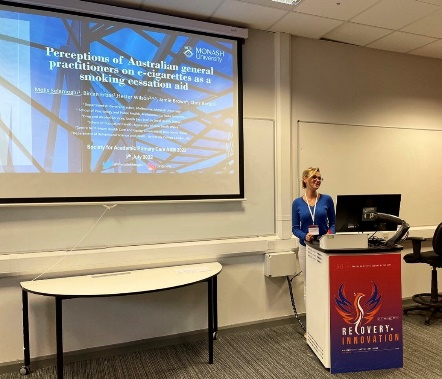
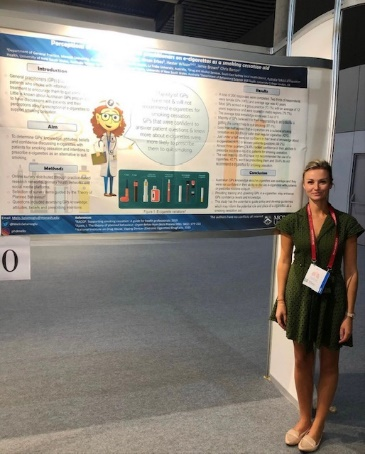
Melis travelled internationally to the UK in July to present the same results at the Society of Academic Primary Care Conference as an oral presentation and then travelled to Barcelona, Spain in September where she was given the opportunity to showcase her results at one of the largest respiratory conferences in the world, the European Respiratory Society as a poster presentation. In between these two conferences she attended virtually to present her quantitative findings with Australian GPs at the Australasian Association for Academic Primary Care (AAAPC) Conference in August 2022.
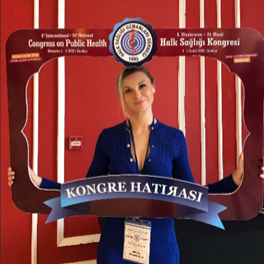
 In amongst her conference presentations, she was also collecting qualitative and quantitative data for her PhD with Turkish GP’s and was hosted by Istanbul University at the Department of Public Health and attended the 2022 International and National Congress on Public Health in December. After completing her data collection, she moved to the UK and conducted the same research with King’s College London at the Department of Addiction Sciences.
 During her stay in the UK, Melis was lucky enough to travel to Bristol and attend the 2022 Society for the Study of Addiction Annual Conference and the 2022 Lisbon Addictions Conference held bi-annually in Portugal and was very excited to see Prof Suzanne Nielson, the Deputy Director of MARC. Melis has returned back to Melbourne although her travelling did not end as she attended the Australian and New Zealand Thoracic Society Conference in Christchurch, New Zealand last month and presented two posters from her research with Australian GPs.
 Melis has returned back to Melbourne although her travelling did not end as she attended the Australian and New Zealand Thoracic Society Conference in Christchurch, New Zealand last month and presented two posters from her research with Australian GP’s. Melis has been awarded the 2022 Travelling Research Fellowship from the AAAPC. While she is keen to settle down and hold off travelling for a few months, she will be using the fellowship to head over to Europe to attend the 2023 European Respiratory Society Conference in Milan, Italy in September where she has submitted multiple abstracts.
Melis is very thrilled and excited to be joining the MARC PhD Network and will be presenting at this year’s MARC Symposium in May. She looks forward to meeting and collaborating with other PhD students and add her enthusiasm and knowledge within the PhD Network.
You can follow Melis’ PhD progress and adventures through Twitter and Instagram.
 MelisSelamoglu
  @phdmelis
Sanduni Madawala
In May 2022 we featured Sanduni Madawala to find out more about her work.
Sanduni Madawala is a PhD student (full-time) at the Department of General Practice, Monash University and is a recipient of the Research Training Program (RTP) Scholarship. She is investigating the healthcare experiences of COPD patients who continue to smoke. This includes exploring patient experiences of guilt, shame and stigma in medical encounters (GP-related consultations) and how this may impact timely help-seeking in patients (delays to access). She has completed her undergraduate studies in Psychology (Hons) (First Class Honours) at Monash University.
 What is your PhD focussing on?
My PhD research focuses on the healthcare experiences of adults with Chronic Obstructive Pulmonary Disease (COPD) who continue to smoke. Studies of adults living with Chronic Obstructive Pulmonary Disease (COPD) reveal a number of challenges when interacting with healthcare providers and this may be exacerbated by unwillingness or inability to quit smoking. However, none have explored, in-depth, primary care experiences among patients with COPD in the Australian healthcare setting. My PhD supervisors are Dr Chris Barton, A/Prof Narelle Warren and A/Prof Christian Osadnik and I’m currently enrolled in the third year of my PhD (full-time).
What are you currently working on?
I’m currently working on a qualitative study as part of my PhD. The study used Interpretive Phenomenological Analysis (IPA) to explore the healthcare experiences of adults with COPD in primary care settings amongst current smokers or those who had recently quit smoking. Interviews explored experiences of care including access, interpersonal care, coordination, comprehensiveness of services and trust. Some preliminary findings show participants have described how their care experience has changed as primary care has adapted care delivery during COVID. Problematic experiences were described including time-constrained consultations, having to self-advocate for care and guilt about smoking. Positive care experiences described non-judgemental interpersonal interactions with doctors, timely referral, proactive care and trust.
As part of the PhD, I am also preparing a meta-ethnography, titled ‘Health care experiences of adults with Chronic Obstructive Pulmonary Disease (COPD) across health care settings: a meta-ethnography’, which involves systematically searching, synthesising and re-conceptualising the patient experience of adults with COPD reported across published qualitative studies. A secondary analysis of quantitative patient experience data has also been conducted, titled ‘The impact of smoking status on anticipated stigma and experience of care among smokers and ex-smokers with chronic illness in General Practice”, and accepted for publication, watch this space for further details!
What have you found most rewarding/interesting about your PhD experience so far?
I have found that working with a supervisory team with expert knowledge in their fields, including general practice research, sociology and physiotherapy, has been very rewarding. In addition, working on a PhD that uses multiple methods to explore this very important topic has provided me with a great opportunity to further advance skills in quantitative analysis, to learn the meta-ethnography method when investigating in-depth patient experiences across published qualitative data and to apply IPA when conducting qualitative interviews to understand patient experiences in-depth and across multiple patient experience domains.
What are you hoping to contribute to the field? What are you hoping to achieve from your PhD?
I hope this research will contribute to understanding and valuing the patient experience in healthcare interactions and will provide insights into how care can be transformed for vulnerable patients living with socially stigmatised illnesses.
Jodie Matar
In March 2022 we featured Jodie Matar to find out more about her work.
Jodie was awarded a Research Training Program (RTP) scholarship and is currently completing a Master of Educational and Developmental Psychology and Doctor of Philosophy at Monash University.
 What is your PhD about?
In 2021, the World Health Organisation reported that 16 per cent of the global burden of disease and injury related to mental health concerns in adolescents. This crisis has been magnified by the current global pandemic, increasing the vulnerability of adolescents. Approximately half of the lifelong mental and substance misuse disorders start by 14 years of age and 75 percent by 18 years of age. In terms of prevention and early intervention, understanding mental health help-seeking behaviours among adolescents can play a pivotal role in informing the necessary pathways to reduce barriers as well as inform policy development on how to address the issue of mental health during adolescence.
International studies have shown adolescents in high socioeconomic households may experience high levels of mental health and substance misuse challenges compared to similar aged peers with other SES backgrounds. Recently in Australia, the estimated number of young people aged 11 and 17 in the fourth and fifth (highest) socio-economic households were shown to have the highest prevalence of major depressive disorder compared to the lowest, second and third socio-economic households. Yet concerningly, they may utilise less health and school services and have lower rates of 12-month service use compared to young people from other socioeconomic households. Therefore, my PhD focuses on a subset of adolescents in high socioeconomic households in Australia and explores their help-seeking behaviour for mental health concerns. I am incredibly grateful to be under the excellent supervision of Dr Stella Laletas, Professor Dan Lubman and Dr Michael Savic.
How far into your PhD are you and what are you currently working on?
I recently completed my mid-candidature milestone and am currently in my final year of the PhD. Data collection has been completed and analysis is commencing shortly. A cross-sectional study was conducted with questionnaires disseminated via social media to adolescents aged 15 to 19 years to investigate their mental health concerns and help-seeking behaviours (N = 1,241). A qualitative study was also conducted exploring the lived experiences and perspectives of adolescents in high socioeconomic contexts about their help-seeking behaviours for mental health concerns using semi-structured interviews (N = 12). I am currently working on completing a manuscript.
Can you share with us some preliminary findings from your research?
The analysis is commencing soon so watch this space! Potential implications are to inform adolescents (as peers), parents, schools and organisations of the current challenges experienced by this subgroup and how they wish to be supported for mental health concerns.
What have you found most rewarding/interesting about your PhD experience so far?
The most rewarding part of my PhD experience so far has been conducting qualitative interviews with teens about their views on seeking help for mental health concerns. I loved hearing their views on how they would like to seek help and what changes they would like to see. It has also been really rewarding being under the guidance and supervision of Stella, Dan and Michael. Individually and collectively, they bring a tremendous amount of experience and knowledge to my PhD and development as a researcher. I feel incredibly grateful to have the opportunity to be mentored by them as I embark on my journey as a researcher.
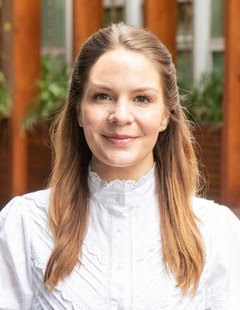
Helena Cangadis-Douglass
In October 2021 we featured Helena Cangadis-Douglass to find out more about her work.
Helena was awarded the inaugural Monash Addiction Research Centre (MARC) - Centre for Medicine Use and Safety (CMUS) Scholarship for PhD research in 2020, focussing on safe and effective opioid use in Australia. Helena completed her Biomedical Science (Hons.) program at Monash Health researching lung aeration at birth prior to completing Monash’s Graduate Entry Pharmacy program. Most recently, Helena worked at the Austin hospital as a clinical pharmacist, and as a Research Officer at CMUS investigating trajectories of benzodiazepine use.
What is your PhD about?
Australia has one of the highest levels of opioid utilisation globally, with approximately 1.9 million Australian adults initiating opioids each year. In response to the harms associated with prescription opioids, key regulatory and other policy strategies have been developed, which include rescheduling of codeine and more recently, regulatory changes reducing pack size and availability of opioids. Half of all pharmaceutical opioid prescriptions are initiated in general practice (GP) each year, so it’s vital to better understand opioid use in this setting. My PhD will focus on evaluating the impact of recent Australian policies on opioid prescribing in general, and among key clinical populations in general practice. I’m lucky to have an incredible supervisory team guiding me through this journey, including Associate Professor Suzanne Nielsen, Dr Ting Xia, and Professor Simon Bell.
How far into your PhD are you and what are you currently working on?
I’ve recently completed my confirmation milestone - so that’s a huge weight off my shoulders! I’m currently working on three manuscripts, all focussing on different aspects of safe and effective opioid use. This includes reviewing Australia’s policy response to prescription opioid use and misuse over the last decade, identifying a research agenda with a focus on prescribing of opioids in general practice, and writing a protocol paper outlining the projects which will utilise the Population Level Analysis and Reporting (POLAR) Tool; a large primary care dataset which I will be predominantly using throughout my work.
Can you share with us some preliminary findings from your research?
I’ve recently co-authored a manuscript with fellow PhD candidate Monica Jung; a stakeholder workshop to establish research priorities related to the safe and effective use of prescription opioids in general practice. Key stakeholders generated 26 consolidated priorities in three domains: (1) consumer-related priorities, (2) clinician and practice-related priorities, and (3) system and policy-related priorities. Research into consumer characteristics that influence opioid prescribing and outcomes, opioid deprescribing strategies, and the impact of regulations that restrict opioid supply were ranked highest in each domain. The work identifies a comprehensive list of research areas deemed as priorities for further investigation, highlight the major research gaps, and inform the direction and focus of future opioid research studies. We hope to publish by the end of the year! Watch this space!
What have you found most rewarding/interesting about your PhD experience so far?
Working closely with other PhD candidates – it has gotten me through some challenging PhD moments. I’m also very humbled working with my supervisory team; they are leaders in the field and I’m incredibly lucky to be learning from them!