
Policy and Engagement
September 2025 - Uniting for Reform: National Consensus for Action on Opioid Treatment


- Embed person-centred and rights-based principles: Embedding lived-experience leadership, eliminating stigma, and shifting from punitive control to dignity, trust, and health equity.
- Remove inequity and improve access for underserved areas and communities: Expanding service capacity for regional, remote, and priority populations, including Aboriginal and Torres Strait Islander communities.
- Strengthen national policy and funding frameworks: Establishing a national ODT advisory body and securing long-term federal and state investment.
- Expand the ODT workforce: Implementing national training initiatives, updating MBS item numbers, and streamlining prescribing regulations across health disciplines.
- Modernise models of care and service delivery: Replacing rigid takeaway policies with flexible, person-centred care and expanding the range of available medications.
- Integrate ODT into mainstream primary healthcare and increase community pharmacy participation: Integrating ODT into general practice and establishing consistent, indexed remuneration models for community pharmacy participation.

Photo: Conor Ashleigh/AIVL © 2026
The full National Consensus for ODTP Action can found at this link.
September 2026 - MARC's supplementary submission to the Drugs, Poisons and Controlled Substances Regulations review

MARC recently participated in an online consultation as part of the Drugs, Poisons and Controlled Substances Regulations review. Following this productive discussion, MARC also made a supplementary submission to the review.
Our submission highlighted a number of important issues, including the risks associated with medicinal cannabis (especially high-THC products) use including dependence, psychosis and suicidality, and the incomplete capture of medicinal cannabis prescriptions in SafeScript.
The submission also notes that mandating medicinal cannabis prescription capture via SafeScript would allow for earlier clinical intervention for cannabis dependence as well as acute harms (hyperemesis, psychosis, poisoning), resulting in health system cost savings due to reduced ED presentations/hospitalisations; and would provide alignment with broader harm-reduction measures being implemented in Victoria including greater naloxone access, drug checking services, and the North Richmond overdose prevention service.
July 2026 - MARC’s submission to Senate inquiry into proposed gambling reforms

MARC and Turning Point recently made a joint submission to the Senate Standing Committees on Environment and Communications’ inquiry into proposed gambling reforms.
Our submission emphasises the importance of implementing a total ban on online gambling advertisements, as recommended by the Murphy inquiry’s bipartisan report, but notes that strengthened advertising restrictions must be coupled with an uplift in support for Australians experiencing gambling harms and addiction.
To ensure the legislation before Parliament effectively addresses these significant harms, our submission makes the following recommendations:
- Amend the Interactive Gambling Amendment (Gambling Reform) Bill 2026 to implement a total ban on online gambling advertisements, as recommended by the Murphy inquiry’s You Win Some, You Lose More bipartisan report.
- Failing a total online gambling advertising ban, the Bill could be amended to:
- ban wagering advertising content during both live and non-live sporting events to break the link between gambling and sport;
- ban wagering advertising content during scheduled and unscheduled breaks in play overnight (i.e., 8.30pm - 6.00am), not just during the daytime (6.00am - 8.30pm);
- include horse, harness and greyhound racing in the definition of “sporting event” so that the ban on wagering advertising content also applies to them, and remove the exception for “dedicated racing or wagering programs or channels” from the maximum 3 ad per 60-minute daytime limit;
- ensure online content services (i.e. streaming services) operating in Australia play by the same rules as the rest of the Australian media landscape and are subject to the same advertising restrictions as non-internet based media channels; and
- require users of online content services to be opted out of wagering advertising content by default.
- Amend the National Self-exclusion Register (Cost Recovery Levy) Amendment Bill 2026 to expand the scope of levy funds to support treatment services directly responding to gambling harms and addiction, delivered by professionals from the addiction field (e.g.,Gambling Help Online).
May 2026 - MARC’s submission to the Drugs, Poisons and Controlled Substances Regulations review
MARC recently made a submission to the Victorian Department of Health’s consultation on the Drugs, Poisons and Controlled Substances Regulations 2017 (the Regulations) sunset review and its accompanying discussion paper.
MARC’s submission supports the proposed requirement for health practitioners to use prescription exchange services to supply medicinal cannabis, so this information can be recorded in SafeScript. This requirement reflects the potential harm caused by medicinal cannabis products interacting with other prescription medicines, as well as the potential for other cannabis harms and dependence to develop, underscoring the need for medicinal cannabis prescriptions to be more closely monitored.
MARC also supports any reforms to the Regulations that ensure the effective operation of drug checking services, as well as Victoria’s Medically Supervised Injecting Room, a vital service that has saved at least 63 lives since inception and safely managed over 12,000 overdoses.
Read the full submission here
April 2026 - Albanese government announces new gambling ad reforms

This month, the federal Albanese government announced a package of gambling advertising reforms, including restrictions across TV, radio, and physical advertising. The reforms are set to begin from 1 January 2027 and will be introduced to parliament when it resumes in May.
In particular, the changes include:
- Restricting gambling ads on broadcast television to no more than three ads each hour between 6am and 8.30pm, with a complete ban during live sport broadcasts within those hours;
- Banning gambling ads on the radio during school drop off and pick up times (8am to 9am and 3pm to 4pm);
- Banning gambling ads through online platforms, unless people have a logged in account, are over 18 and have the option to opt-out of gambling advertising;
- Banning the use of celebrities and sports players in gambling ads, along with odds-style ads targeting sports fans; and
- Banning gambling ads in sports venues and on players’ and officials’ uniforms.
The government noted it will also boost enforcement against illegal offshore gambling providers, strengthen BetStop (the national self-exclusion register), and expand financial counselling support for gambling.
These reforms come in response to the 2022 Inquiry into online gambling and its impacts on those experiencing gambling harm, led by the late Peta Murphy MP. The committee made several recommendations, including a comprehensive ban on all forms of advertising for online gambling, to be introduced in four phases over three years.
MARC and Turning Point's joint submission to the inquiry likewise emphasised the need to tighten gambling advertising rules to protect children and vulnerable Australians from gambling harms. It also made recommendations to develop and implement a best practice suicide prevention model of care for gambling helplines and upskill the helpline workforce; strengthen consumer protections in the National Consumer Protection Framework for Online Wagering in Australia; prohibit in-play betting for all gambling services, including telephone services; and regulate simulated gambling (e.g., social casino games) and gambling-like activities (e.g., video game loot boxes).
Read the full submission here.
February 2026 - Drug Court Division of the County Court to continue following successful trial
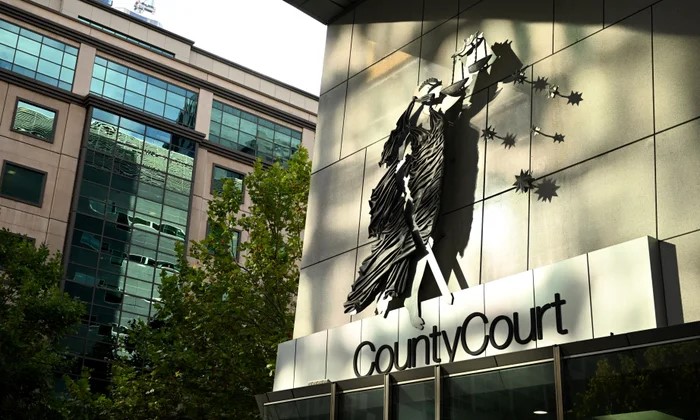
In 2020, the Victorian Government set up the Drug Court Division of the County Court as a time-limited trial, which was due to expire in April 2026.
The trial meant that suitable cases in the County Court could be referred to the Drug Court. It also allowed for those who were already on a Drug Court treatment order, and who pled guilty to a lower-level offence, to have their case sent to the Drug Court to be handled concurrently. Likewise, someone already in the Drug Court system who was also facing a County Court-level offence, could have their separate case heard and decided in the Drug Court altogether.
Given the success of the trial, the Justice Legislation Further Amendment (Miscellaneous) Bill 2025 has passed, allowing the Drug Court division of the County Court to continue operating indefinitely.
This is a fantastic outcome for Victorians facing drug-related charges, as drug courts have a proven track record of reducing reoffending, helping participants reduce substance use, and returning a positive benefit cost ratio. MARC has been a strong advocate for drug diversion, including drug courts, which you can read more about here.
December 2025 - Melbourne Council withdraws support for medically supervised injecting room

MARC is disappointed by the City of Melbourne’s decision on 25 November to withdraw its support for a supervised injecting facility in the municipality. This overturns its previous position adopted in August 2022.
Ahead of the decision, MARC wrote to City of Melbourne councillors urging them to consider the overwhelming evidence supporting this lifesaving service. Our elected representatives have a duty to safeguard vulnerable people in our community and to follow the overwhelming evidence.
Independent reviews consistently demonstrate that supervised injecting facilities reduce public injecting and discarded needles, and relieve pressure on our ambulance and emergency systems. They also provide a crucial pathway into other health and social supports.
In Richmond alone, the service has made more than 177,000 referrals to other forms of care, including pharmacotherapy, GP visits, and dental services, as well housing and mental health support. This is the result of building trust and treating all people with respect.
MARC will continue to stand firmly behind overdose prevention services and the people who use them.
Read our letter.
November 2025 - Productivity Commission’s final report on the National Mental Health and Suicide Prevention Agreement

Having completed its review into the National Mental Health and Suicide Prevention Agreement, the Productivity Commission has just released its final report.
The Commission found the Agreement is not fit for purpose, and although people experiencing AOD harms are a priority population, AOD remains poorly integrated in the current Agreement and key commitments are not being delivered. Given these shortcomings, the Commission called for a new policy architecture to improve outcomes, and recommended a co-design process to develop a schedule that clearly embeds AOD in the Agreement.
In August this year, MARC and Turning Point made a submission on the Productivity Commission’s interim report, recommending a dedicated AOD schedule in the new Agreement. The Commission’s recommendation is a step in the right direction, and we look forward to engaging in the co-design process for an AOD schedule in the National Mental Health and Suicide Prevention Agreement.
Read MARC and Turning Point’s submission to the review
October 2025 - MARC’s submission to the Therapeutic Goods Administration’s review of medicinal cannabis products

MARC has made a submission to the Therapeutic Goods Administration’s review of the safety and regulatory oversight of unapproved medicinal cannabis products. The submission made several evidence-based recommendations, including:
- Conduct a detailed evidence review to develop formal definitions of ‘high’ and ‘very high’ THC dose across dosage forms to inform clinical practice, including guidance so supplied amounts are consistent with therapeutically appropriate quantities.
- Prohibit typically nonmedical high THC extract concentrate dose forms (e.g., ‘dabs’, ‘shatter’ that contain 75–88% THC).
- Consider implementing a THC concentration limit ≤ the biological THC limit of the plant.
- Limit total THC content per dose and package for pastilles.
- Limit or prohibit non-cannabis flavours and ensure all medicinal cannabis products have plain, child-resistant packaging to reduce their appeal to, and risk of accidental ingestion by, children and young people.
- Ensure studies measuring the therapeutic effects of THC in Australia collect robust measures of cannabis use disorder to enable an understanding of this safety outcome.
- Advocate for the National Health and Medical Research Council and the Medical Research Future Fund to prioritise epidemiological research on cannabis use disorder in the context of medicinal use in Australia, to better understand long-term safety outcomes associated with medicinal cannabis.
August 2025 - MARC’s submission to the Productivity Commission’s interim report on the National Mental Health and Suicide Prevention Agreement
MARC and Turning Point have made a submission to the Productivity Commission’s interim report on the National Mental Health and Suicide Prevention Agreement. The submission calls for an uplift in AOD investment that is more strategic, nationally coordinated, and jointly supported under clear arrangements between federal and state/territory governments by:
- supporting the re-envisioning of the Agreement as the National Mental Health, AOD, and Suicide Prevention Agreement;
- committing to developing and investing in a dedicated AOD Schedule as part of that Agreement supported by an investment uplift; and
- ensuring the reform process links to the National Health Reform Agreement and national AOD strategy consolidation for maximum impact.
Read the full submission
June 2025 - Using research to ensure evidence based policy and practice
The 2025 MARC Symposium  brought together leaders and experts in the AOD field for a panel discussion, asking them to reflect on how research can drive evidence-based policy and practice. The panel included Kris Drew (Director, AOD Policy and Programs, Mental Health and Wellbeing Division at Victorian Department of Health), Philippa Thomas (Chief Executive Officer at Mental Health Victoria), and Matt Craig (Director, Systems and Strategy, Centre for Alcohol and Other Drugs at NSW Health), and was moderated by Mietta Gibson (Chair of the MARC Advisory Board).
Panellists emphasised the importance of researchers working closely with government and public servants to secure research investment, especially around the time when they are putting together budgets for the next financial year. They recommended pitching potential research projects as an effective way to solve particular problems faced by the government at the time.
When asked to give an example of how research has been used to directly inform a tangible policy outcome, panellists reflected on the establishment of Victoria’s first safe injecting facility, an intervention that is supported by a wealth of local and international evidence proving its efficacy in reducing harm.
Thinking big picture, panellists were asked what their top pick would be to ensure a more data-driven, evidence-informed approach to addiction; all agreed that integrated data systems would greatly improve the way we measure, track, and improve outcomes in the alcohol and other drugs sector.
Panellists ended by noting politicians are just like you and me: they listen to podcasts. So academics reading this—get on as many podcasts you can to talk about your field of research!
March 2025 - Ending rapid and late night alcohol deliveries

In response to the tragic death of Kathleen Arnold by alcohol positioning, last month the Victorian Coroner Ingrid Giles called for an end to rapid and late night alcohol deliveries. In the 6 months prior to her death, Ms Arnold was able to place 213 online alcohol orders, amounting to a total of 319 alcohol products delivered to her home.
MARC’s Director Prof Dan Lubman spoke to Prue Bentley about this issue on ABC’s Victorian Statewide Drive radio program on 12 February.
Kathleen’s death serves as a reminder of the tremendous harm caused by rapid and late night alcohol deliveries. Late night alcohol deliveries have been linked to family violence, and between 24% and 54% of family and domestic violence incidents reported to police involve alcohol. Family violence is also more likely to involve alcohol when it occurs late at night.
Alcohol can currently be delivered in as little as half an hour, which encourages impulse purchasing. People who use rapid delivery alcohol services are more likely to drink more frequently and engage in binge drinking. Rapid alcohol delivery is also used as a way to quickly replenish supply, with 1 in 5 customers reporting they have used an online alcohol delivery service to extend a home drinking session when they had run out. A third of these people also indicated they would have stopped drinking if the service was not available.
To address these broad reaching harms and ensure preventable deaths like Ms Arnold’s are avoided, the Victorian Coroner recommended:
- Implementing a 2 hour delay between the time alcohol is ordered online and when it is dispatched from the retailer
- Extending alcohol delivery block out times to 10pm–10am (currently 11pm–9am)
- Establishing an Alcohol Action Plan to address alcohol harms in Victoria.
The Victorian government is currently considering the coroner’s recommendations.
February 2025 - Reflecting on 2024

2024 was certainly a busy year for MARC’s policy team.
In May, MARC and Turning Point made a joint submission to the Victorian Department of Justice and Community Safety’s consultation on gaming machine monitoring arrangements. Our submission recommended improvements to the monitoring system to reduce gambling harms.
In July, we provided feedback on the Grattan Institute’s draft report on gambling harm prevention. The final report, A better bet: How Australia should prevent gambling harm was released in September and is well worth a read.
In October, MARC and Turning Point made a major joint submission to the Australian Parliament’s Standing Committee on Health, Aged Care and Sports’ Inquiry into the health impacts of alcohol and other drugs in Australia, in which we called for inclusive governance arrangements, effective national strategies, and sustainable investment. MARC Director Prof Dan Lubman AM also presented at a public hearing for the inquiry in November, and we eagerly await the Committee’s report next year.
We have also engaged with other jurisdictions to promote evidence-based AOD policy. MARC’s Policy and Engagement Manager Jonathan Meddings presented to the Australian Capital Territory’s alcohol and other drugs community of practice on AOD harms and anti-stigma initiatives. And Prof Suzanne Nielsen and Dr Tina Lam wrote to the Northern Territory government urging them not to repeal minimum unit pricing.
Minimum unit pricing is an evidence based, proven intervention that reduces alcohol harms and has achieved its stated aim of reducing the consumption of cheap cask wine in the NT, while also being associated with decreases in the rate of alcohol-related assaults, protective custody episodes, ambulance attendances, hospital admissions, and treatment episodes.
We look forward to another productive year in 2025.
November 2024 - Victoria to implement drug checking

The Drugs, Poisons and Controlled Substances Amendment (Pill Testing) Bill 2024 passed the Victorian Parliament on 29 October, enabling drug-checking services to be established, licensed and regulated in Victoria at both fixed and mobile sites. It also enables the automatic dispensation of certain poisons (including naloxone) by automatic machines for the treatment of opioid overdose.
Victoria now joins the ACT and Queensland, who have also committed to delivering this life saving service (although the future of Queensland’s drug checking service is in doubt following a change of government at the last election).
The roll out of drug checking services is timely as new synthetic drugs (which are often stronger and have unpredictable effects) have flooded the illicit market in recent years. Australians frequently overdose as a result of consuming these unknown substances, and young people are particularly at risk.
Drug checking is a proven and highly cost effective harm reduction measure that has been used internationally for more than three decades and is supported by 64% of Australians. When provided alongside drug information, monitoring, and education, drug checking services save lives by identifying the purity of substances and presence of dangerous additives, supporting early warning systems to alert the public about them, and providing people harm reduction education delivered by qualified health professionals that informs them there's no safe level of illicit drug use.
At Australia’s first fixed site drug checking trial, CanTEST, when the tested substance was not what was expected, contained dangerous additives, or results were inconclusive, people were four times more likely to report that they would definitely not use the drug. And in a UK drug checking trial, two thirds of people who were informed their substances were not what they expected disposed of their remaining supply, and one in five disposed of their drugs after hearing the results, regardless of the findings.
Drug checking will commence in Victoria over the summer 2024-25 music festival season.
1 Anna Olsen et al, CanTEST Health and Drug Checking Service Program Evaluation (Final Report, 17 July 2023) 42 <https://www.health.act.gov.au/about-our-health-system/population-health/pill-testing>.
2 Fiona Measham and Gavin Turnbull, ‘Intentions, Actions and Outcomes: A Follow Up Survey on Harm Reduction Practices After Using and English Festival Drug Checking Service’ (2021) 95(September) International Journal of Drug Policy 1, 4.
October 2024 - MARC submission to federal inquiry into alcohol and other drug harms
MARC and Turning Point have made a joint submission to the Australian Parliament’s Standing Committee on Health, Aged Care and Sports’ Inquiry into the health impacts of alcohol and other drugs in Australia.
The submission calls for inclusive governance arrangements, effective national strategies, and sustainable investment.
Recommendations included:
- Re-establish an AOD sector-inclusive national governance framework to improve coordination of sustainable AOD policy and practice change;
- Develop effective national AOD strategies that balance investment across the three pillars of the National Drug Strategy, include short-, medium-, and long-term outcomes, and are supported by joint Commonwealth and state/territory agreements and implementation plans; and
- Provide sustainable investment in system enablers to put downward pressure on AOD harms, reduce associated costs, and build a more sustainable, effective, and efficient AOD system.
August 2024 - Online gambling reforms on the political agenda

Online gambling is back in the news this month, with media reports the Albanese Government is considering a partial ban and increased restrictions on gambling advertising. On free to air television, gambling ads would be banned during children's programming, as well as an hour before, during and an hour after live sports. During general TV programming, however, it would limit gambling ads to two an hour. Online gambling ads (e.g. on social media) would also see a complete ban under the proposal.
In June 2023, following the Inquiry into online gambling and its impacts on those experiencing gambling harm – chaired by the late Peta Murphy – the You win some, you lose more report (the Murphy report) was tabled in parliament with bipartisan support from all committee members. It recommended a “comprehensive ban on all forms of advertising for online gambling, to be introduced in four phases, over three years”. This would mean a complete ban on all gambling advertising, including on radio, television, online, and in stadiums, as well as sponsorships.
MARC and Turning Point made a joint submission to the online gambling inquiry and presented at the public hearing. The resulting Murphy report made 9 recommendations that aligned with 8 of our submission’s recommendations. The Federal Government is yet to formally respond to the Murphy report.
Read the You win some, you lose more report.
Read MARC and Turning Point’s submission.
July 2024 - Wastewater analysis reveals record high cocaine and methamphetamine use

The Australian Criminal Intelligence Commission (ACIC) has just released its 22nd report detailing the results of its National Wastewater Drug Monitoring Program, based on data collected in December 2023 (regional and capital cities) and February 2024 (capital cities only) that captures about 55% of Australia’s population (or 14.1 million people).
It found that at the time of data collection, cocaine consumption reached a record high in both capital cities and regional areas, while methamphetamine also reached a record high consumption level in capital cities. Alcohol and nicotine were the most consumed drugs in all states and territories in December 2023, followed by cannabis and methylamphetamine.
Average consumption of alcohol, cocaine, 3,4-methylenedioxymethylamphetamine (MDMA), 3,4-methylenedioxyamphetamine (MDA), heroin and ketamine was higher in capital cities than regional areas, whereas the average nicotine, methylamphetamine, oxycodone, fentanyl and cannabis consumption in regional areas exceeded capital cities.
Based on a comparison to similar international sewage data spanning 112 cities from 34 countries in Europe, Asia, the Americas, and Oceania, Australia ranks:
- 2nd of 30 countries for methamphetamine consumption;
- 3rd of 20 countries for cannabis consumption;
- 15th of 33 countries for MDMA consumption; and
- 20th of 32 countries for cocaine consumption.
June 2024 - MARC’s submission on poker machine monitoring

MARC and Turning Point have made a joint submission to the Victorian Department of Justice and Community Safety’s consultation on gaming machine monitoring arrangements.
The submission made several recommendations to ensure the monitoring system maximises opportunities for harm minimisation and prevents money laundering, including:
- venue loyalty cards not being linked in any way with pre-commitment;
- improved accessibility of data for the regulator and researchers; and
- the use of data to provide real-time harm minimisation responses tailored to an individual’s level of risk.
June 2024 - New Senate report proposes rethink on Australia’s drug budget

In January 2023, MARC and Turning Point made a submission to the federal Inquiry into the challenges and opportunities for law enforcement in addressing Australia’s illicit drug problem.
Last month the Australian Parliament's Joint Committee on Law Enforcement released its report following up from the inquiry. It makes several recommendations, including that the Australian Government undertake a comprehensive evaluation of the National Drug Strategy 2017–2026. As part of this evaluation, the committee recommended a review of the current resourcing for the three pillars of the Strategy, and that if the funding disparities are substantial, that consideration should be given to increasing funding for treatment and harm reduction.
Turning Point welcomes this and other recommendations in the report, and looks forward to the Federal Government’s response. We also note the timely release of a recent report by the University of New South Wales’ Drug Policy Modelling Program that found law enforcement continued to consume almost two thirds of the total Australian drug budget in 2021/22, with prevention, treatment & harm reduction accounting for little more than a third.
Read The Senate Committee’s report.
Read MARC and Turning Point’s submission.
Read the UNSW’s Australian drug budget report.
May 2024 - Second overdose prevention service in Victoria abandoned
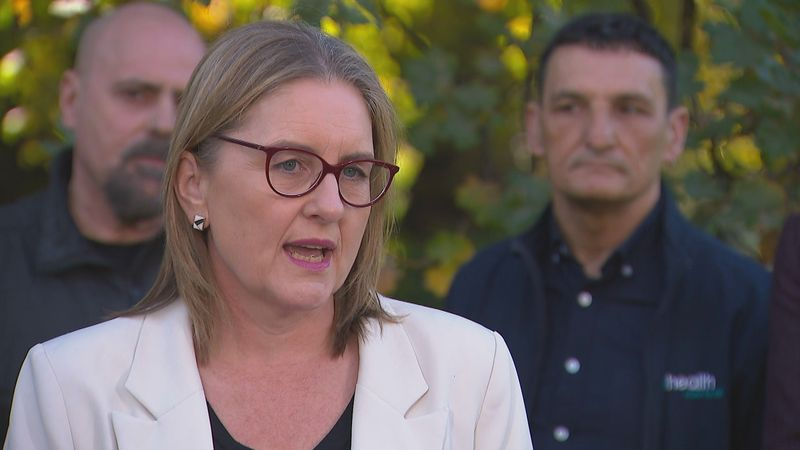
The Allan government will not proceed with a planned trial of a second overdose prevention service in the Melbourne CBD, due to being “unable to identify a suitable site that balances the needs of people who use drugs with the needs of the broader CBD community.” This follows the release of the long awaited Ken Lay report, which recommended that a second service be trialled in the CBD.
The announcement came alongside a $95.11 million commitment to a Statewide Action Plan, including:
- $36.4 million to establish a dedicated CBD community health hub to open at 244 Flinders Street;
- $21.3 million for more outreach teams in the CBD;
- $9.4 million to establish wraparound health and social supports located at the new CBD community health hub, as well as the Salvation Army’s CBD headquarters;
- $8.4 million to boost pharmacotherapy through a grants program targeting areas where there are service gaps or high demand;
- $7.2 million for a hydromorphone pharmacotherapy trial;
- $4.4 million to trial 20 naloxone dispensing machines;
- The appointment of Victoria’s first Chief Addiction Adviser;
- The development of Victoria’s first statewide strategy to address alcohol and other drug-related harms;
- A trial of a ‘Never Use Alone’ overdose prevention and response helpline; and
- The establishment of a CBD Reference Group to coordinate the local response to injecting drug use.
April 2024 - Conflicting approaches to vapes

While it was already unlawful nationwide to supply, possess, and use nicotine vaping products without a valid prescription, this month the Albanese Government introduced the Therapeutic Goods and Other Legislation Amendment (Vaping Reforms) Bill 2024 to the Australian Parliament. The bill aims to provide “a single consistent framework that applies nationally to regulate the importation, domestic manufacture, supply, commercial possession and advertisement of all vapes, regardless of nicotine content or therapeutic claims.” It includes harsh civil and criminal penalties, including fines of up to $156,500 and 12 months imprisonment for the possession of “less than commercial quantities” of vaping products.
It comes as the Australian Capital Territory moves to decriminalise liquid nicotine following its earlier decriminalisation of illicit drugs in October 2023; a move prompted by the fact penalties for the unlawful possession of liquid nicotine in the ACT are currently harsher than those for possession of illicit drugs such as heroin. The ACT Police have not charged anyone with a nicotine possession offence and have said they do not intend to.
In a recent paper exploring the potential for a new regulatory model, researchers suggested down-scheduling nicotine vaping products from schedule 4 (prescription only medicines) to schedule 3 (pharmacist only medicines, supplied with professional advice from a pharmacist without a prescription). They argue this would ensure regulated supply remains within a healthcare context, avoid overburdening GPs with the task of providing prescriptions, and reduce adult demand for illicit vapes while at the same time supporting the government’s goal of minimising children’s access.
The Therapeutic Goods and Other Legislation Amendment (Vaping Reforms) Bill 2024 is currently before the House of Representatives and is expected to pass both houses with minor amendments.
December 2023 - Victorian Parliamentary Committee recommends liquor and gambling reform
The Public Accounts and Estimates Committee has released its report Gambling and liquor regulation in Victoria: a follow up of three Auditor-General reports, following a public inquiry.
The report makes 61 recommendations, 13 of which align with 9 recommendations MARC made in its submission to the parliamentary inquiry, including that “gambling treatment and support services transition from the Department of Justice and Community Safety to the Department of Health, given the high instances of co-occurring conditions for people experiencing gambling harm.”
Read MARC and Turning Point’s submission.
Read the Public Accounts and Estimates Committee’s report.
November 2023 - Cannabis is on the political agenda

The Drugs, Poisons and Controlled Substances Amendment (Regulation of Personal Adult Use of Cannabis) Bill 2023 was introduced to the Victorian Parliament in June, and a second reading was moved in November 2023. The bill seeks to make it lawful for Victorians aged 18 and over to cultivate up to six cannabis plants in their home for personal use. It also makes it legal for adults to possess a small amount of cannabis, use it in private, or give (not sell) a small amount to other adults. It does not aim to create a retail cannabis market.
The Legalising Cannabis Bill 2023 was introduced to the Australian Parliament in August 2023, with the Legal and Constitutional Affairs Legislation Committee having just conducted a senate inquiry into the bill. The legislation would create a regulated recreational cannabis market for adults, while also making it legal for Australians aged 18 and over to grow up to six cannabis plants in their home for personal use. It also seeks to establish a Cannabis Australia National Agency that would issue licences to grow and sell cannabis, manufacture, import and export cannabis products, and operate cannabis cafes. The Agency would also maintain a register of cannabis strains and determine labelling, packaging, and storage requirements for cannabis products.
While both are private members’ bills and not expected to pass, they have put cannabis law reform on the agenda.
September 2023 - MARC submission on Victorian gambling reforms

MARC and Turning Point have made a joint submission to the Victorian consultation on landmark reforms to reduce gambling related harm and money laundering. The submission made several recommendations to enhance consumer protections and reduce gambling-related harm, including to:
- Link mandatory carded play with mandatory pre-commitment and self-exclusion.
- Ensure Victoria’s pre-commitment system requires people to set binding monetary limits, with standard maximum daily, monthly, and yearly loss limits of not more than $100, $500 and $5000 respectively (consistent with Tasmania); and require anyone who applies to exceed these standard maximum loss limits to provide financial evidence proving they can afford their increased loss limit.
- Enable anyone to easily self-exclude, make exclusion periods binding with no minimum or maximum periods, and ensure the self-exclusion program is linked to carded play so people can self-exclude from all poker machines across Victoria regardless of venue.
- Update gambling time restrictions by extending time limits beyond Melbourne Casino to all poker machines across the state, reducing the maximum weekly gambling time from 36 hours to 24 hours, and limiting gambling time on poker machines by cumulative rather than continuous use.
July 2023 - MARC presents at a parliamentary hearing on reducing alcohol and gambling harms
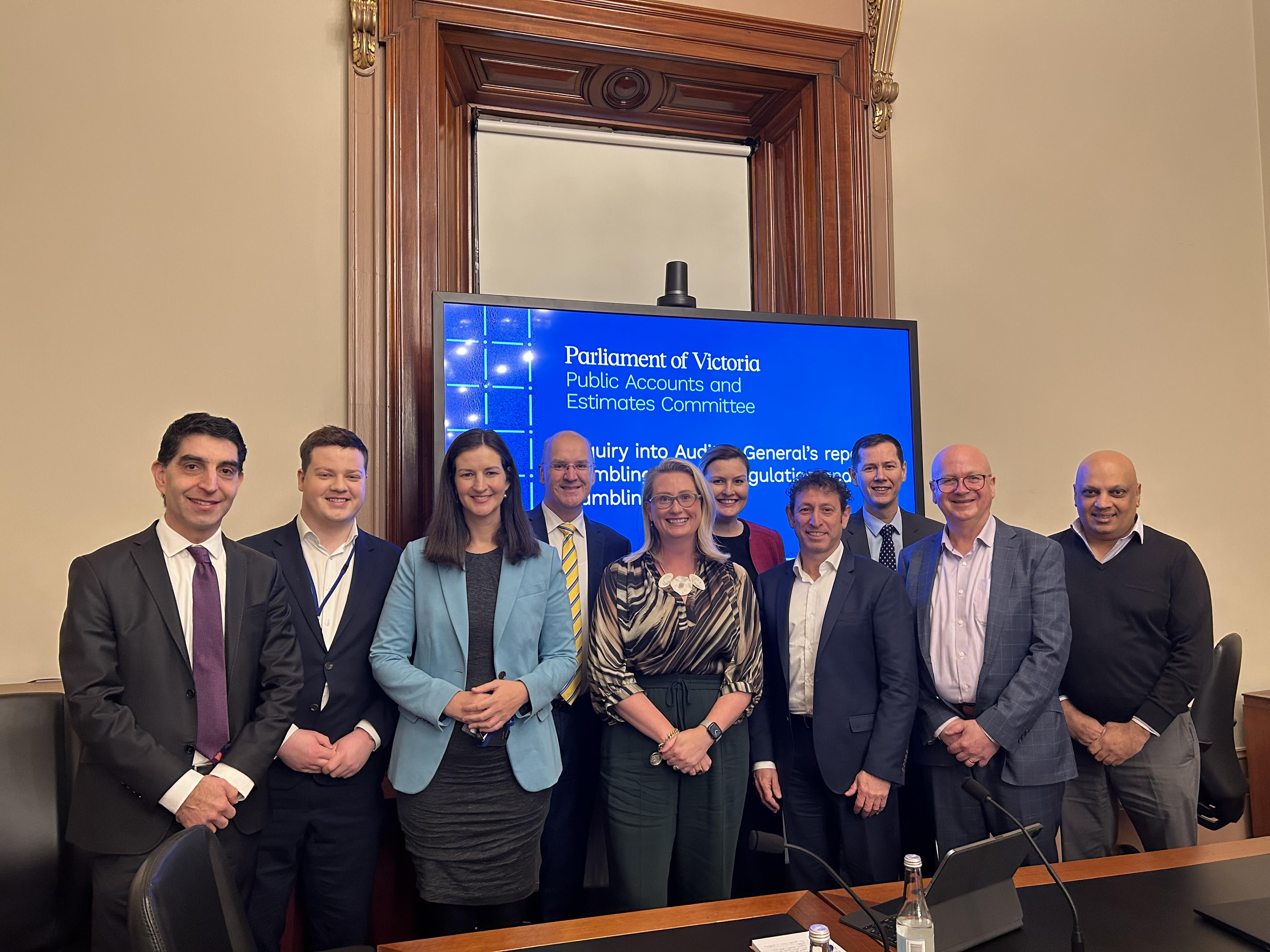
This month MARC Director Professor Dan Lubman AM, along with Turning Point’s Manager of Telephone and Online Services Rick Loos, welcomed the opportunity to present at the Victorian Public Accounts and Estimates Committee’s ‘Inquiry into the Victorian Auditor-General’s reports no. 99: Follow up of Regulating Gambling and Liquor (2019) and no. 213: Reducing the Harm Caused by Gambling (2021)’.
During the public hearing, they discussed the importance of adopting a public health approach to gambling harms, as well as the need to break down stigma and service system silos to improve help-seeking and treatment retention and provide integrated treatment, care, and support for people experiencing gambling harms.
July 2023 - MARC submission to the inquiry into regulating and reducing the harm caused by gambling and liquor
The Victorian Government has just announced major reforms to reduce gambling harms.
The reforms include a mandatory shutdown period from 4am to 10am, mandatory pre-commitment and carded play on all of Victoria’s 27,000 poker machines, as well as load limits being reduced from $1000 to $100.
These changes come after MARC and Turning Point made a joint submission to the Inquiry into the Victorian Auditor General’s reports on regulating gambling and liquor; and reducing the harm caused by gambling.
The submission outlined strategies to prevent and reduce alcohol and gambling related harm, including the use of data on alcohol related harms to inform liquor licensing and compliance processes, introducing a national, universal pre-commitment system for online gambling, and strengthening consumer protections related to both online and in-person gambling.
April 2023 - MARC presents at the Inquiry into the law enforcement of illicit drugs
This month MARC Director Professor Dan Lubman AM, and Deputy Director Professor Suzi Nielsen, welcomed the opportunity to present to the federal ‘Inquiry into the challenges and opportunities for law enforcement in addressing Australia’s illicit drug problem’ on MARC and Turning Point’s joint submission.
During the public hearing, they discussed the benefits of decriminalising the personal possession and use of illicit drugs, and the need to harmonise and expand access to drug diversion programs, implement drug checking services nationwide, and invest in addiction treatment and support services.
March 2023 - MARC presents at the Inquiry into online gambling harms
In March 2023, MARC Director Professor Dan Lubman AM, and Manager of Telephone and Online Services at Turning Point, Rick Loos, welcomed the opportunity to present to the federal ‘Inquiry into online gambling and its impacts on those experiencing gambling harm’ on MARC and Turning Point’s joint submission.
During the public hearing, they discussed the need to develop a coordinated National Strategy to Prevent and Reduce Gambling Harms, as well as raise advertising standards, strengthen consumer protections and adopt a public health approach to gambling harms.
January 2023 - MARC submission to the National Mental Health Commission’s National Stigma and Discrimination Reduction Strategy
MARC and Turning Point have made a joint submission to the National Mental Health Commission’s draft National Stigma and Discrimination Reduction Strategy. To address addiction-related stigma and discrimination and ensure people experiencing alcohol, other drug, and gambling harms are meaningfully included in the strategy, the submission made the following recommendations:
- Ensure the Strategy includes concrete actions, informed by further targeted consultation, to address alcohol-, other drug- and gambling-related stigma and discrimination alongside mental health.
- Scale successful strengths-based anti-stigma campaigns such as Rethink Addiction’s Real Stories of Addiction to tackle stigma, promote help-seeking, and reduce addiction-related suicide.
- Invest in research to develop and evaluate a best practice model of integrated care to address structural stigma.
- Improve alcohol and other drug screening and delivery of brief interventions in non-alcohol and other drug specialist services through investment to improve workforce capability and promote a multidisciplinary, collaborative approach to care.
- Include targeted measures to support the alcohol and other drug peer workforce in all relevant strategy and planning documents.
- Prioritise responding to addiction with governance and policy settings that adequately support a coordinated national response to addiction-related stigma and discrimination.
- Reinstate a national governance framework for the alcohol and other drug sector.
- Develop a national gambling strategy that includes a focus on reducing gambling-related stigma and associated harms.
January 2023 - MARC submission to the Inquiry into the challenges and opportunities for law enforcement in addressing Australia’s illicit drug problem
MARC and Turning Point have made a joint submission to the federal Inquiry into the challenges and opportunities for law enforcement in addressing Australia’s illicit drug problem. To reduce the harms of criminalisation and improve access to drug treatment and support, the submission made the following recommendations:
- Decriminalise the possession and use of small quantities of all illicit drugs for personal use by either removing criminal penalties from the law or replacing them with civil penalties or administrative sanctions.
- Harmonise and expand access to drug diversion programs so they are accessible and consistent across all Australian jurisdictions, including by ensuring:
- police diversion is legislated and available for cannabis and other illicit drugs Australia-wide;
- police cautioning discretion and any limits on the number of cautions people receive are removed;
- no admission of guilt/offence is required to access diversion;
- threshold quantities that distinguish between possession and supply-type offences, and quantities of drugs that determine eligibility for diversion are consistent, evidence-based, and considerate of use and purchasing patterns; and
- treatment is an optional aspect of diversion.
- Increase investment in treatment and support services to ensure they are accessible and support people to successfully participate in diversion programs.
- Invest in drug checking services to improve data collection, better identify emerging trends and risks in illicit drug markets, and inform more effective public health responses.
November 2022 - MARC submission to the Inquiry into online gambling and its impact on those experiencing gambling harm
MARC and Turning Point have made a joint submission to the federal Inquiry into online gambling and its impact on those experiencing gambling harm. To prevent and reduce the social, economic, and health-related harms of online gambling, the submission made several recommendations, which included the following:
- Develop and implement a best practice suicide prevention model of care for gambling helplines in collaboration with service users, providers, and experts, and upskill the helpline workforce through national, online, skills-based training.
- Develop a National Strategy to Prevent and Reduce Gambling Harms to establish a framework for action that informs future program design, monitoring, and evaluation, and a unified approach to prevent and reduce gambling-related harms.
- Strengthen consumer protections in the National Consumer Protection Framework for Online Wagering in Australia.
- Prohibit in-play betting for all gambling services, including telephone services.
- Regulate simulated gambling (e.g. social casino games) and gambling-like activities (e.g. video game loot boxes).
- Tighten gambling advertising rules to protect children and vulnerable Australians from gambling harms.
September 2022 - MARC submission to the Victorian New Suicide Prevention and Response Strategy
MARC and Turning Point have made a joint submission on Victoria’s new Suicide Prevention and Response Strategy. The submission made the following recommendations to drive down suicide rates and improve treatment outcomes:
- Include “people experiencing alcohol, other drug, or gambling harms or addiction” as one of the Strategy’s priority groups.
- Ensure investment in addiction treatment services is sufficient to support treatment demand and put downward pressure on suicide rates.
- Develop and implement effective training for healthcare providers at all levels of care so that they can identify and appropriately respond to people experiencing alcohol, other drug, or gambling harms or addiction and suicidality.
- Develop and implement a best practice suicide prevention model of care for alcohol and other drug and gambling helplines in collaboration with service users, providers, and experts, and upskill the helpline workforce through national, online, skills-based training.
- Scale successful campaigns that tackle addiction-related stigma to promote help-seeking and put downward pressure on suicide rates.
- Develop, research, test, and evaluate a suite of suicide prevention initiatives tailored to people experiencing alcohol, other drug, or gambling harms or addiction.
- Review existing data collection and assessment in relation to suicide investigations to determine ways it could be improved to provide a clearer picture of addiction-related suicide numbers.
You can view the full submission here.
March 2022 - Statement on the alcohol industry's review of its Alcohol Beverages Advertising Code (ABAC) scheme
MARC members contributed to a Statement on the alcohol industry's review of its Alcohol Beverages Advertising Code (ABAC) scheme. The statement posits that the current ABAC scheme is inherently flawed and that in Australia the regulation of alcohol marketing should adhere to Government-led rules independent of the alcohol industry to meet community standards.
You can read the full statement here.
October 2021 - MARC submission to the Public Consultation for the Post-market Review of Opiate Dependence Treatment Program Medicines
In collaboration with Turning Point, MARC members made a submission to the Public Consultation for the Post-market Review of Opiate Dependence Treatment Program (ODTP) Medicines. In the submission to the Post-market review, MARC members outlined several recommendations to ensure better access to ODT:
- Ensure a wide range of evidence-based ODT medicines are available
- Normalise treatment of opioid use disorder in primary care, with appropriate remuneration, and support by specialist services for referral as required.
- Use pharmacists and nurse practitioners to their full scope of practice to build workforce capacity.
- Ensure addiction medicine specialists are situated within all major hospitals.
- Increase the accessibility of ODTP through new models of service delivery, including those developed in response to the COVID-19 pandemic that permit greater flexibility in treatment.
- Facilitate access to long-acting injectable buprenorphine as a means of overcoming barriers to treatment, particularly in regional and rural areas.
- Subsidise dispensing and administration fees to reduce the financial burden of treatment on consumers.
- Form a working group to determine the best mechanism by which ODT can be funded through the PBS, considering the options with S85 and S100 listing in addition to MBS items for all healthcare providers that are involved in service delivery.
You can view the full submission here.
June 2021 - MARC submission to the Australian Commission on Safety and Quality in Health Care - National Opioid Analgesic Stewardship Program
 In collaboration with Peninsula Health and the Centre for Medicine Use and Safety, MARC members made a submission to the Australian Commission on Safety and Quality in Health Care to inform the development of the National Opioid Analgesic Stewardship Program. The submission was informed by collaborative work between MARC and Peninsula Health on Opioid stewardship and work by CMUS PhD Candidate Laura Dowd and Professor Simon Bell, who have looked at opioid stewardship in long-term care facilities.
The submission provided feedback on a discussion paper drafted to support public consultation on the use of opioid analgesics in emergency departments, perioperative and surgical services. The Commission is also interested in learning more about education and training for prescribers of opioid analgesics. Read the full discussion paper here.
May 2021 - Rethinking Addiction in Australia event
On Thursday, 6 May the Rethink Addiction campaign hosted its sell-out event ‘Rethinking Addiction in Australia’ at Federation Square, the first major event for the campaign since its inception in November last year.

Almost 300 people came along to hear from an inspiring group of panellists, including former AFL footballer Dayne Beams, Sober in the Country CEO, Shanna Whan, Addicted Australia producer, Jacob Hickey, and Turning Point Executive Clinical Director, Professor Dan Lubman AM. It was a powerful and honest discussion led by the formidable Sally Rugg, Executive Director of Change.org, who moderated the event.
Jacob Hickey introduced clips from the Addicted Australia series, which looked back at some of the most compelling moments from the documentary and steered the conversation between panel members on the making of the series, the stereotypes and misconceptions of addiction, the value of peer support, and the need for Australia to Rethink Addiction.
Reflecting on the Addicted Australia series and this own personal struggles with addiction and the impact that had on his family Dayne Beams said,
“My sister sent me a message after the series and said to me she felt like she could understand more of what I was going through, and that was comforting to know.”
Shanna Whan, who also has a lived experience of addiction, highlighted the difficulties for those living in rural and regional areas.
“Unfortunately we are dragging our heels in the bush, not because we are intentionally trying to be less interested, we are just so isolated. We live in permanent iso.”
Sober in the Country, one of the many organisations partnering with the Rethink Addiction campaign, is working to change the dialogue around alcohol and get the message out there to those living in the bush.
Also in attendance were several other Rethink Addiction campaign partner organisations, a list that has now grown to over 40. Sally outlined to the audience the four primary asks of the campaign, including:
- That addiction is established as a national priority.
- That a summit be convened federally for meaningful knowledge exchange between addiction experts and policy makers.
- For a national plan and roadmap to be drafted to address addiction.
- For the establishment of a dedicated addiction research fund.
The end of the evening concluded with Prof Lubman announcing that one of those asks was already well on its way to being achieved.
“We started this campaign because the system is broken. We are pleased to announce the first national summit of addiction will be in Canberra in August. It’s a great opportunity to make some noise and start a national conversation,” he said.
If you missed it you can watch the video of the event.
April 2021 - MARC presents at the Inquiry into use of Cannabis in Victoria

MARC Director, Professor Dan Lubman AM, and MARC member, Dr Christine Grove, last week welcomed the opportunity to present the joint submission by MARC and Turning Point to the ‘Inquiry into use of Cannabis in Victoria’.
Dan and Christine spoke extensively to the committee on the submission, which provided recommendations on achieving outcomes to implement health education campaigns and programs to ensure children and young people are aware of the harms of drug use, in particular cannabis use, and to assess the health, mental health, and social impacts of cannabis use on people who use cannabis, their families and carers.
March 2021 - Release of the Royal Commission’s final report into Victoria’s mental health system

Dr Melissa Petrakis with Tandem staff, fellow Board member Katrina Clarke of Monash Health, and The Hon Daniel Andrews, Premier of Victoria).
Tuesday 2nd March was a momentous day for mental health in Victoria with the final report of the Royal Commission into Victoria’s Mental Health System handed down at a special sitting of the Victorian Parliament at the Royal Exhibition Building. The final report outlined 65 recommendations, with nine recommendations from the interim report.
MARC welcomes all of the recommendations, including those that support improving outcomes for people living with mental illness and substance use or addiction. Of the recommendations is the provision for dedicated research, education and training, and a priority to increase the number of addiction specialists in Victoria.
Following the tabling of the report, Premier Daniel Andrews said, "The cost of our neglect is enormous. We need to build a new system from the ground up. The time to act has come."
Professor Dan Lubman AM attended the sitting in his capacity as Executive Clinical Director, Turning Point, one of many organisations who provided a written submission to the Commission. Professor Lubman said it was wonderful to see the Government's commitment to deliver on all of the recommendations outlined in the report, and was excited for what can be achieved together moving forward.
MARC member, Dr Melissa Petrakis, was also in attendance in her capacity as Senior Lecturer, Department of Social Work, and Tandem Board Chair, representing family members and carers across Victoria, having been an expert witness to the Commission last year.
Melissa noted: "It was important to hear both sides of parliament offer bipartisan commitment to invest in mental health. Their work is to not just fill in potholes but, as Royal Commission Chair Penny Armytage AM attested, to build a new road. A lived experience led design of that road is the next step for genuine reform."
September 2019 – Submission to the inquiry into the Social Services Legislation Amendment (Drug Testing Trial) Bill 2019
MARC members contributed a submission to the inquiry into the Social Services Legislation Amendment on the drug testing of welfare recipients. In the submission to the inquiry, MARC members outlined three key reason they did not support the bill:
- There is no evidence that this is an effective strategy to increase employment or reduce drug use
- There is a complete absence of scientific rigour to the proposal ‘trial’
- The ‘trial’ is highly likely to increase disadvantage and suffering amongst the most vulnerable members of our community
You can view the full submission here.
Feb 2019 - Comments to the Pharmaceutical Benefits Advisory Committee (PBAC) - Intranasal Naloxone (Nyxoid)
MARC Director, Prof Dan Lubman, and MARC Deputy Director, A/Prof Suzanne Nielsen, provided expert advice on the benefits of adding Intranasal Naloxone (Nyoid) to the list of medications subsidised by the Pharmaceutical Benefits Scheme (PBS). In particular, A/Prof Nielsen described the benefits of non-injectable naloxone formulations such as Nyxoid being readily available to members of the community not experienced with using injectable formulas.
Following the submission of their expert commentary, Nyxoid was added to the PBS on 1 November 2019.