Season 1, episode 3
Season 1, Episode 3
Divya Krishnan
Internal Communications Lead at Bank Australia
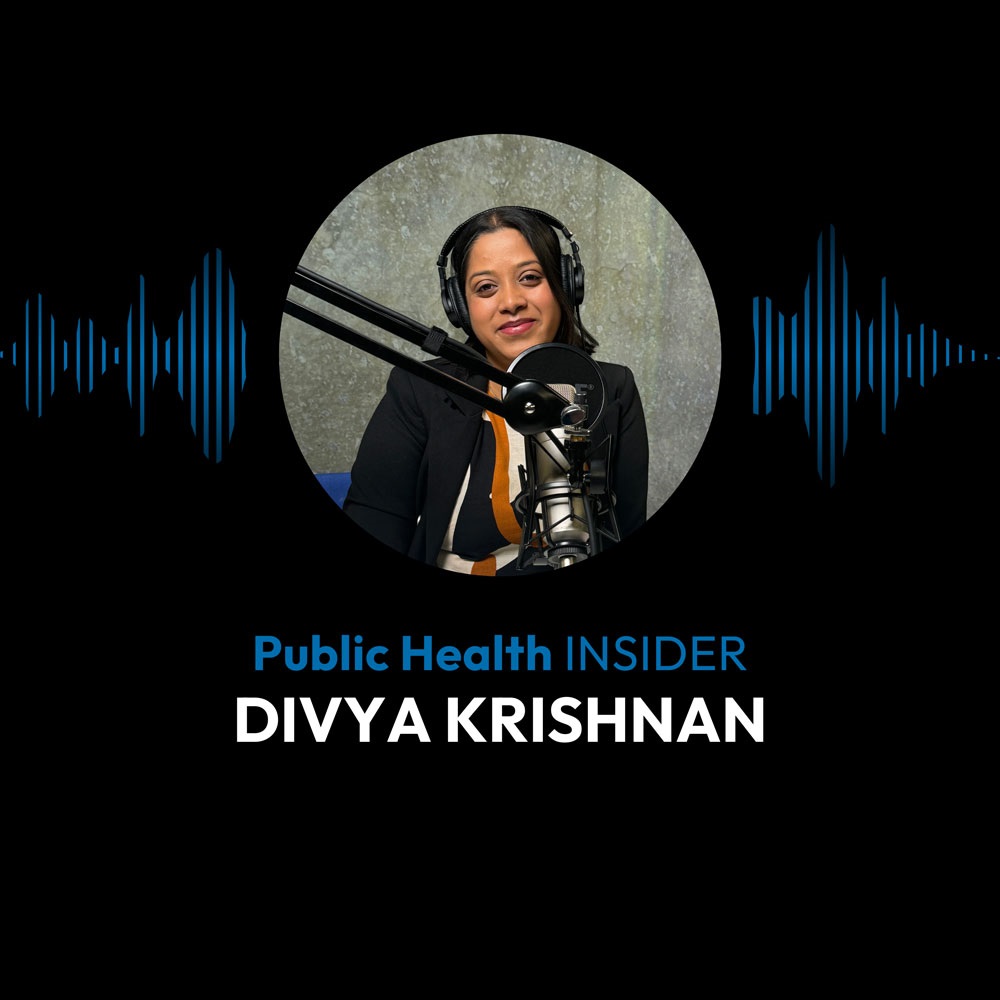
Guest biography
Div Krishnan is a seasoned communications professional, with over nine years of experience across strategic communications, social marketing and campaigns. She currently works on internal communications at Bank Australia, after a change of scene from social media strategy. She holds a Bachelor (Hons) in Health Science from Monash University, and co-founded Shakti Mental Health, a non-profit for South Asian youth. An advocate for diversity in the communications sector, she enjoys exploring Melbourne’s culinary scene, pilates, and finding her next niche interest.
Key concepts mentioned in Div's interview
- Public health communications: the practice of demystifying health, to make it accessible, interesting and engaging to everyone who needs or wants to learn about it.
- Communications officer: creates and issues corporate communications. In the health context, duties often include simplifying complex health information into plain language, creating or overseeing the creation of resources to be shared via communications channels with stakeholders.
- Communications resources: materials to aid communication, including but not limited to emails, newsletter content, videos, podcast episodes, media releases, blog articles, website content, social media posts, photographs, brochures, infographics, advertising materials, PowerPoint presentation decks, speeches
- Communications channels: ways of reaching a particular audience, including social media accounts, websites, the media (TV, print, online), books, annual reports, podcasts, blogs, newsletters, public forums, webinars, conferences
- Internal communications: Communications for use within an organisation, rather than those aimed at public or third-party audiences. Internal communications are often focussed around information exchange (new policies, procedures, announcements…) and team- or culture-building.
- Key Performance Indicators (KPIs): defined measurements to gauge the success or otherwise of a project, or in individual performance.
- Organisational values: Core beliefs and guiding principles that provide an organisation with purpose and direction, setting the tone for its interactions with its customers, employees and other stakeholders.
- Determinants of health: non-medical factors that affect a person’s health, such as the conditions in which they are born, grow, work, live, and age, and the wider set of forces and systems shaping the conditions of daily life. There is strong evidence that these factors play a much larger role in health than more obvious factors, like how often a person engages with health services.
- Culturally appropriate healthcare: A respectful model of care that considers and accepts patient identity, body diversity, religion and cultural beliefs, and promotes their dignity, privacy and safety. The model is important when considering care for First Nations people, and anyone that may come from a vulnerable or minority group.
Top tips for students
- Always have someone read your cover letter on job applications!
- When you have a really bad day, treat people better than the world has treated you.
- Follow Kurt Vonnegut’s lead – remember to stop and occasionally think, “If this isn’t nice, I don’t know what is.”
Div's recommendations
- Read: Prophet Song – a dystopian novel that sees Ireland slipping into totalitarianism.
- Listen: Sweet Bobby podcast – a live, multi-part investigation in search of one of the world’s most sophisticated catfishers.
- Watch: Derry Girls – a British period teen sitcom set in 1990s Northern Ireland.
Episode sponsors