
Season 2, episode 1
Season 2, Episode 1
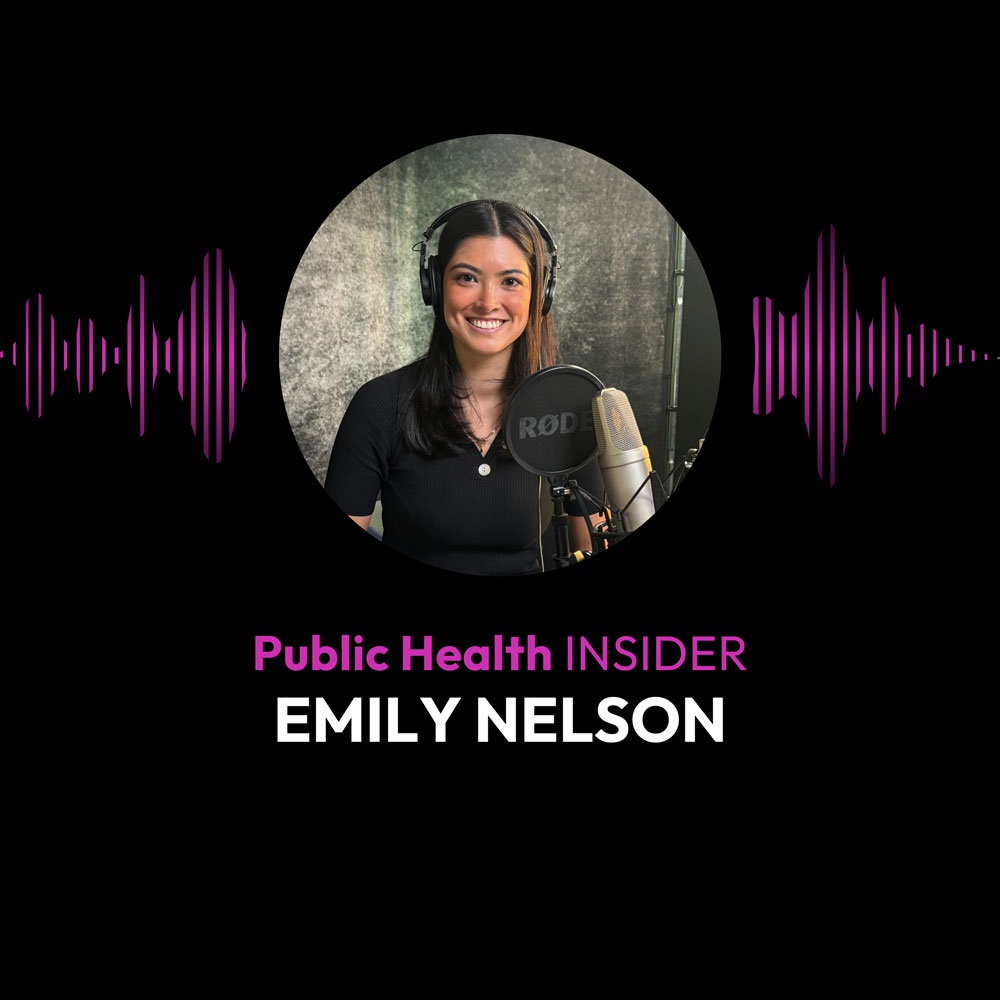
Emily Nelson
Senior Project Manager, The George Institute for Global Health
Guest biography
Emily Nelson is a Senior Project Manager in the Guunu-maana (Heal) Aboriginal and Torres Strait Islander Health team at The George Institute of Global Health.She supports a comprehensive program of work tackling non-communicable diseases (NCDs) across Southeast Asia and the Pacific, called RESist-NCD.
She's got a diverse range of experience spanning the Australian Senate, federal government and the not-for-profit sector, where she's worked across various health and social policy areas, including NCDs, economic inequality, tobacco reform, gender equality and the prevention of violence against women.
Key concepts mentioned in Emily's interview
Senate inquiry (Australia)
A Senate inquiry is a formal investigation conducted by a standing or select Senate committee into public policy, legislation, or community issues. These inquiries provide an opportunity for organisations and individuals to participate in policy making and to have their views placed on the public record and considered as part of the decision-making process. Committees can call for submissions, summon witnesses, and produce recommendations to guide parliamentary decision-making and government accountability.
Senate inquiries Emily worked on:
- Concussion in sport
- Rare and less-common cancers
- Paid parental leave
- The extent and nature of poverty in Australia
- Tobacco and vaping reform
Public Service Graduate Programs in Australia (State & Federal)
Structured programs offering recent graduates’ rotational placements, training, and mentorship within government agencies. Federal government departments like the Department of Social Services and the Department of Health, Disability and Ageing, and other have intakes each year. There are also different streams on offer such as generalist, data, digital, economist, STEM and more. State government programs provide industry-specific rotations in fields like transport, health, digital and education.
Cultural competency
The capacity to understand, respect, and respond effectively to the cultural and linguistic needs of diverse communities. It involves awareness, knowledge, humility, skills, and attitudes that enable professionals to work sensitively across cultures and reduce health disparities.
GEDSI (Gender Equality, Disability & Social Inclusion)
A framework ensuring policies and programs consider and address power imbalances related to gender, disability, and social exclusion. GEDSI recognises how intersecting identities affect people’s access and participation in society, aiming to foster equity and inclusion. .
Global health
A multidisciplinary field focused on improving health equity and outcomes globally. It does this by strengthening health systems, and addressing trans-national determinants of health like policy, environment, commercial and social systems.
Non-Communicable Diseases (NCD) prevention
NCD prevention relates to efforts to prevent common chronic diseases such as heart disease, diabetes, cancer, respiratory illnesses before they begin. This requires efforts to reduce lifestyle risk factors such as tobacco use, physical inactivity and unhealthy diets. But meaningful prevention also requires systems‑level change to address commercial and political factors which drive these behaviours. For example, the food, alcohol, and tobacco industries, strongly influence individual behaviour through marketing, pricing strategies, industry lobbying, and the widespread availability of unhealthy products. Strong policy actions to address these issues can help to reshape these environments and support people to make healthier choices. Prevention is also key to reducing early death and improving population health equity.
Community engagement (in health settings)
A collaborative process where researchers, policymakers, and health professionals work with communities to co-design, implement, and evaluate initiatives. This approach builds trust, relevance, and impact by valuing local knowledge and ensuring research/programs are responsive to community needs.
Top tips for students
Prepare early when applying for graduate employment programs. The application windows vary, but you’ll need to be applying early in your final year of studies. These often entail multiple rounds of interviews and tasks. If you make it through to group task stage, remember they are looking at how you work with others, not whether you know the most.
Be open to new experiences. Emily moved from Melbourne to Canberra and is now in Sydney.
Consider your community impact. It’s their feedback that matters most.
Good leadership involves being willing to roll your sleeves up and help on basic tasks when your team is busy.
A quote Emily lives by
"Unless someone like you cares a whole awful lot, nothing is going to get better. It's not."
Taken from Dr Seuss’ The Lorax, spoken by the Once-ler as he realises the importance of individual action for the environment. This powerful line emphasises that to achieve meaningful change, whether that be for environmental, health, or social reasons, each of us have an opportunity to turn concern into action, and actively do the work needed to drive the change we want to see in the world.