
Dr Taizo Nakanishi
Dr Taizo Nakanishi
Master of Clinical Research
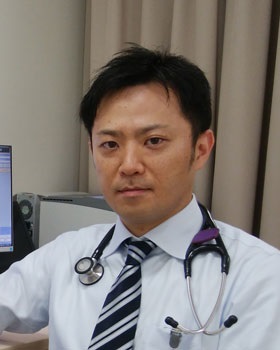
 I wanted to improve my clinical studies and Monash has a very strong clinical research reputation. I gained essential knowledge and skills from inspiring lecturers, and online modules allowed me to base most of my study from Japan. I hope to share my new knowledge with colleagues in the developing field here.
Dr Taizo Nakanishi is the Assistant Director of the Division of Trauma and Surgical Critical Care at Japan’s Osaka General Medical Center. Almost ten years ago, he decided to brush up his clinical research skills, and enrolled in our Master of Clinical Research in order to do so, graduating in 2017.
In his two years with us, he learnt diverse and essential knowledge around epidemiology and biostatistics, clinical trial methodology and management, and systematic reviews.
He also undertook a research project of his own, investigating whether duration of cervical collar wear created collar-related complications down the track older trauma patients. Cervical collars are designed to immobilize the cervical spine, preventing further injury to trauma patients. However, in older people in particular, they are uncomfortable, and prolonged wear is associated with pressure ulcers and respiratory complications.
Dr Nakanishi retrospectively collected data from medical records from major Melbourne-based trauma centres, using a 24-hour wear-time as a cut-off. Among the 1,154 patients aged 65 years who were placed in a collar following attendance with physical injury, 61 (5.1%) developed collar-related complications.
Among older patients without a cervical vertebral fracture, cervical collar use for greater than 24 hours was associated with the development of collar-related complications, and the researchers recommended timely collar clearance for older trauma patients.
Reflecting back on his time with us, he says, “This course expanded my knowledge of clinical research in an effective and efficient way, and I really appreciated the chance to comprehensively conduct my own clinical study protocol, from design through data collection and writing the manuscript. All of these processes helped build my confidence in the clinical research, and I really enjoy conducting or teaching clinical studies now here in Japan.”
These days he is heavily involved in training and mentoring alongside his clinical workload, and continues to engage in research, presenting results at conferences. He’s currently planning a study involving sepsis and ventilator-associated pneumonia.
He says, “The course really gave me the confidence I needed to undertake research and teach others. This is really important in Japan, where clinical research is still very much a developing field, albeit rapidly developing. There’s great interest here, but the environment and systems to facilitate clinical research aren’t quite where they need to be, and we face limited avenues for financial support.
“I’m very glad to have brought my skillset back here, and champion what I hope will one day be a thriving clinical research community in my home country.”