
Annual symposia

Symposium: Judgement and Decision-making in the Virtual and Real Worlds
Explore the impact of virtual reality (VR) on human behaviour, decision-making and emotions with an interdisciplinary panel of VR, behavioural and decision science experts at the Monash Business Behavioural Laboratory (MBBL) Symposium.
Past seminars
-
Event Name Judgement and Decision-Making in Virtual and Physical Worlds Start Date Nov 12, 2025 9:00 am End Date Nov 12, 2025 5:00 pm Duration 8 hours Description Monash Business Behavioural Laboratory (MBBL) invites you to our seventh annual symposium - a full-day, in-person event exploring how emerging technologies are reshaping human judgement and decision-making.
Across nine research presentations and a closing panel, speakers will discuss and demonstrate virtual reality (VR) for conflict resolution, economic decision-making and technology-enabled care; eye-tracking integrated into VR headsets to build context-aware recommender systems; psychophysiological assessment combining pupillometry, eye-tracking, heart rate and electrodermal measures to reveal how stress and cognitive load alter choices; and new approaches to measuring dynamic cognitive fitness in high-pressure contexts.
The symposium concludes with a panel translating these insights into organisational practice, public policy and inclusive systems design.
Join scholars, practitioners and industry partners to connect cutting-edge methods with real-world impact and help shape safer, fairer decisions across organisations, markets and public services.
Speakers

Professor Martin Meissner, Technical University of Munich (TUM)
'Intelligent user assistance in VR'
Prof Meissner is a professor of Digital Marketing. His research explores the intersection of social media, digitisation, and consumer decision-making, with a strong focus on influencer marketing, eye-tracking, and immersive technologies such as augmented and virtual reality.
Martin earned his PhD in Business Administration from Bielefeld University and completed a research stay at Monash University in Australia. Before joining TUM, he was a Professor at Zeppelin University and served as Associate Professor at the University of Southern Denmark. His work has appeared in leading journals, including the Journal of Marketing Research, and Information Systems Research.
Associate Professor Elisa Cavatorta, Vice Dean (International), Faculty of Social Science and Public Policy, King’s College London
'Learning Conflict-Resolution Using Immersive Virtual Reality: A Proof-of-Concept Study'
A/Prof Cavatorta is an Associate Professor in Economics at King’s College London and. Her research focuses on innovative ways to reduce conflict, foster positive behavioural change, and develop new tools to measure human behaviour. Working at the intersection of economics, psychology, and computer science, she combines experiments, applied econometrics, and data science to address policy-relevant questions in development, public policy, and behavioural science.
A/Prof Cavatorta has extensive experience in evaluating interventions and designing measurement tools that capture complex social and psychological dynamics. A central theme of her work is exploring how technology-based interventions, particularly those using virtual reality, can build resilience and social skills, and support peacebuilding and cooperation in the real world. A/Prof Cavatort is keen to collaborate with organisations, research groups, and companies using VR in education, professional training, and mental health, and who share a vision of technology that promotes inclusion and social impact.
Dr Robert Cuthbert, University of Queensland
'Enhancing Motivation and Decision-Making Through Virtual Reality (health/rehab applications)'
Dr Cuthbert is a postdoctoral research fellow at the RECOVER Injury Research Centre (UQ), where he works within the technology-enabled rehabilitation team to advance health services through technology innovation. His PhD research explored the use of Virtual Reality (VR) for burn injury rehabilitation, designing with burn survivors and clinicians to create and evaluate a tailored VR therapy prototype.
Dr Cuthbert now leads projects using VR to support decision making with powered wheelchairs and develops AI powered conversational agents that help people with traumatic brain injury (TBI) practice interview skills and build communication confidence. His research focuses on applying serious games, VR, and AI to improve rehabilitation outcomes and patient engagement.
Zhongwen Chen, Department of Economics, Monash Business School
'Economic Decisions in Virtual Reality'
Ms Chen’s research interest lies in behavioral and experimental economics, with a focus on motivated beliefs together with its associated economic decisions, primarily through the application of game theory and experimental methods. In particular, she adopts information technology to study human cognition and behavior, utilizing modern tools such as digital nudging, virtual reality and machine learning.
Ms Chen was Manager of the Monash Laboratory of Experimental Economics (MonLEE) from 2022 to 2024 and Coordinator of the Behavioural, Experimental, and Theory (BET) research group meetings in the Department of Economics from 2022 to 2025.
Dr Lucy Albertella, QIMR Berghofer
'Assessing and Harnessing Dynamic Cognitive Fitness to Optimise Job Performance in High-Pressure Occupations'
Dr Albertella obtained her PhD from UNSW in 2017. She was a research fellow at BrainPark, Monash University between 2017 and 2024, and started at QIMR Berghofer in 2025. She leads a team of researchers focusing on developing new tools, methods, and insights to better understand how cognitive risk and protective factors interact across the spectrum of mental health. She is also an Adjunct Associate Professor at the Opportunity Tech Lab, Monash University.
Dr Albertella has developed a range of measures being used world-wide to advance theoretical models and reveal new transdiagnostic risk and resilience profiles predicting compulsivity versus adaptability and optimal functioning in dynamic, high-pressure occupations. Dr Albertella has published over 70 peer-reviewed papers, most in leading journals in her field, and is currently Associate Editor for Neuroscience and Biobehavioral Reviews and Comprehensive Psychiatry.
Associate Professor Georgios Christopoulos, Nanyang Technological University
'When AI Goes Wrong: Behavioural Strategies to Repair Failures'
A/Prof Christopoulos employs both traditional and innovative approaches—including wearable devices, computerised testing, and brain neuroimaging—to study how environmental and design factors influence performance, wellbeing, and decision-making among office workers, entrepreneurs, control room operators, and university students.
His research focuses on three key areas: human decision-making and interactions with AI agents, the onset and effects of cognitive fatigue and recovery, and how indoor and outdoor architectural design can enhance human performance, wellbeing, and learning. This interdisciplinary work has been published in leading journals and featured in international media.
Professor Ofir Turel, University of Melbourne
'The Psychology of Cybersecurity Incidents: Perpetrators and Victims'
Prof Turel is a Professor of Information Systems Management and the information systems group co-lead at the University of Melbourne. Previously he has held appointments with California State University and the University of Southern California, and had various fellowships in Asia and Europe. He has published over 230 papers in leading information systems journals on the FT-50 list, such as MIS Quarterly, Journal of MIS, and MIT Sloan Management Review, as well as in leading psychology and psychiatry outlets, such as Addiction, Journal of Psychiatric Research, Addiction Biology, and Behavioural Brain Research.
Prof Turel has been recognised in the top 2% of researchers worldwide in a study by Stanford University. His research has also been featured in numerous media outlets, including the Wall Street Journal, The Washington Post, NY Post, The Daily Mail, CBC, C|net, Times Higher Education, Rolling Stone, PBS, and TV and radio stations, globally. He is currently a Senior Editor for MIS Quarterly.
Karlo Doroc, University of Melbourne
'Complex Decision-Making Under Stress: Shallower Search and Impaired Decision Quality at Different Levels of Computational Hardness'
Mr Doroc recently submitted his PhD in Decision, Risk, and Financial Sciences at the University of Melbourne, working under the supervision of Carsten Murawski and Nitin Yadav. Using laboratory and online experiments, he focuses on how the structure of task environments and the cognitive capacities of individuals affect people's ability to solve problems and make good decisions.
Drawing from cognitive science, experimental economics, and computational complexity theory, he studies how the cognitive resources available to a person interact with the computational resource requirements of the problem at hand to shape decision-making. Prior to his PhD, Karlo worked in the financial industry for 7 years with PwC, NAB, and Link Group.
Professor Kristian Rotaru, Department of Accounting, Monash Business School
'Biophysiological Stress Responses and Leadership Decisions'
Prof Rotaru is a decision scientist and Professor of Accounting at Monash Business School. He chairs the Monash Business Behavioural Laboratory Steering Committee and is Associate Director of the Opportunity Tech Lab.Prof Rotaru is a pioneer of neuroaccounting, integrating eye-tracking, cognitive pupillometry, electrodermal and heart rate measures, and virtual reality to study judgement and decision-making under stress, uncertainty, and cognitive load.
His work informs inclusive assessment, public policy, and organisational performance. Recent projects include a DSS-funded consortium co-designing VR modules to support open employment for people with intellectual disabilities, alongside the development of ecological cognitive assessment tools. He directs the PhD program in Accounting and leads partnerships translating behavioural research into practical tools for safer, fairer decisions. He is the editor of Behavioral Research in Accounting.Moderator

Professor Harmen Oppewal, Department of Marketing, Monash Business School
Prof Oppewal is a Professor of Marketing in the Monash Business School. He holds degrees in geography, psychology and urban planning. His research centres on consumer decision making in retail and related contexts, often using experimental and choice modelling methods. He published in leading journals in marketing such as the Journal of Consumer Research, Journal of Marketing Research and Journal of Retailing and in planning, tourism and transport. He was a founding member and chair of the MBBL steering committee. Current research interests include assortments, destination choice, information overload, impulse buying, preference formation, pricing, and store atmosphere. Several of his projects involve the use of psychophysiological and eye-tracking measures.
Organised by
Monash Business Behavioural Laboratory (MBBL)
-
Event Name Judgement and Decision-making in the Virtual and Real Worlds Start Date Nov 13, 2024 7:00 pm End Date Nov 14, 2024 9:30 pm Duration 1 day, 2 hours and 30 minutes Description How can Virtual Reality (VR) environments help us understand human behaviour, decision-making, emotions, and risk-taking? How can neurophysiological devices be used to measure stress in the workplace and reveal mechanisms behind leadership allocation decisions? How do incentives affect productivity in complex work environments, and what innovative approaches can balance the interests of workers and managers?
These and other topical questions will be discussed at the sixth annual Monash Business Behavioural Laboratory (MBBL) Symposium, a free online event to be held over two evenings on 13 and 14 November 2024.
Registrations are now open for this year’s symposium to feature an interdisciplinary panel of VR, behavioural, and decision science experts who will report on the use of VR and other technologies in consumer behaviour, entrepreneurship, productivity and behavioural economics research.
Topics will include:
- Using biometrics to uncover online and offline consumer behaviour.
- Developing VR tools for creating experiences in new environments.
- Using VR for emotion induction, and examining leadership allocation and stress.
The program will also explore incentive design for productivity improvement, psychological effects of immersive experiences like "Fear on the Plank," and rule-following behaviour using a VR traffic light task.
Attendees will be able to engage with cutting-edge emerging research on the impact of virtual environments, laboratory and field experiments, with discussions, Q&A sessions and collaboration opportunities throughout the event.
Program
Speakers
-
Professor Billy Sung, Professor of Consumer Psychology and Neuroscience, School of Management and Marketing; Founding Director, Consumer Research Lab, Curtin University

Prof Sung, an award-winning professor, specialises in consumer research, neuromarketing and consumer biometrics, consulting for many local, international, and multinational industry partners. His research to date has been based on the study of emotion and the application of psychophysiological methodologies in multiple disciplines including psychology, marketing, health, nursing, and robotics. He also leads the Consumer Research Lab at Curtin University, which specialises in the use of biometric measures such as eye tracking, facial expression, and brainwave analyses to conduct consumer research.
Professor Charmine Hartel, Director, Opportunity Tech Lab (OTL) and Associate Dean Research Impact, Monash Business School

Distinguished Professor Hartel is acknowledged as a preeminent scholar-practitioner in inclusive employment and entrepreneurship, and emotions and wellbeing at work. Her current research aims to use digital technologies and the digital economy to break down systemic and structural barriers, promoting equitable and inclusive participation in the economy. She is the Director of the OTL, Associate Dean of Research Impact, a member of the Steering Committee for the Monash Business Behavioural Laboratory, and affiliated with the Department of Management, Monash Business School.
Dr Lars Kooijman, Opportunity Tech Lab (OTL), Monash Business School

Dr Koolijman is a postdoctoral research fellow at the OTL, and has an engineering background. His primary research focuses on the utility of VR applications in neuropsychological assessment and workplace interventions. His cross-disciplinary research topics involve human-computer interaction, human sensory processing, and VR simulator design, and his research methods involve mixed methods, crowdsourcing, psychophysiology, multivariate statistics, and machine learning. He has received various awards and scholarships, and has been published in over 15 scientific journals.
Associate Professor Anna Kralj, Department of Tourism, Sport and Hotel Management, Griffith Business School

A/Prof Kralj is a Senior Fellow of the Higher Education Academy, and a member of the Griffith Institute for Tourism (GIFT) and the Council of Australasian University Tourism and Hospitality Education (CAUTHE). A/Prof Kralj's research interests include the tourism and hospitality workforce, cognitive psychology as applied to tourism marketing, and tourism development in regional and remote destinations. Since 2022, A/Prof Kralj has been the GIFT Biosensor Lab Manager - a role that promotes the use of GIFT's biosensor hardware and software for triangulating research on human behaviour.
Dr Lee Lawrence, Lab Research Manager and Adjunct Research Fellow, Monash Business Behavioural Laboratory, Monash Business School

Dr Lawrence has a background in psychology and neuroscience, having worked with numerous multi-disciplinary teams across various disciplines to investigate and interpret biological underpinnings of and from various psychological states. Dr Lawrence’s research interests
-
Assistant Professor Wei Huang, CUHK Business School, Chinese University of Hong Kong

Asst/Prof Huang is a microeconomist specialising in behavioural and experimental economics and behavioural contract theory. He is dedicated to exploring the economic insights of human behaviour and cognition using microeconomic theory and experimental methodologies. His research works have been published in journals such as the Journal of Political Economy, Management Science, European Economic Review, and the Journal of Economic Behavior & Organization.
Rebecca Heath, University of Cambridge

Ms Heath is an Early Career Research Fellow at Fitzwilliam College, University of Cambridge. Her work uses online experiments to test and formulate policies to address global challenges, including cybercrime and gender inequality.
Professor Erte Xiao, Department of Economics and MonLEE Lab, Monash Business School

Prof Xiao’s research aims to understand the motivational and behavioural consequences of extrinsic incentives and social preferences on decisions. She is currently the Asia-Pacific Vice President of the Economic Science Association. She serves as Associate Editor of the Journal of Economic Behavior and Organization, Judgement and Decision Making, and is on the editorial boards of Experimental Economics, Journal of Behavioral and Experimental Economics, and The Leadership Quarterly.
Zhongwen Chen, Department of Economics and MonLEE Lab, Monash Business School
 Ms Chen’s research interest lies in behavioral and experimental economics, with a focus on motivated beliefs together with its associated economic decisions primarily through the application of game theory and experimental methods. In particular, she adopts information technology to study human cognition and behavior, utilizing modern tools such as digital nudging, virtual reality and machine learning. Ms Chen has been the manager of the MonLEE (Monash Laboratory of Experimental Economics) from 2022 to 2024, and is now coordinating the BET (Behavioural, Experimental, and Theory) research group meetings at the Department of Economics. In education, Ms Chen received the Department of Economics Teaching Award for Teaching Associates in 2022.
Ana Lleo-Bono, Faculty of Economics, University of Cambridge

Ms Lleo-Bono is a PhD candidate in Economics at the University of Cambridge, UK. She holds an MPhil in Economic Research from the University of Cambridge (UK) and a BSc in Economics from the University of Valencia (Spain). She specialises in Behavioural, Experimental, and Organisational Economics. Her research focuses on topics such as productivity, incentives, and team dynamics.
Host
Associate Professor Kristian Rotaru, Monash Business Behavioural Laboratory, Monash Business School

A/Prof Rotaru is a decision scientist working across a variety of business disciplines, including accounting information systems, finance, economics, and operations management. He also conducts research in cognitive psychology, with a focus on impulsive and compulsive behaviours, emotional regulation and wellbeing.
He is the Chair of the Steering Committee at the Monash Business Behavioural Laboratory, Associate Director at the Opportunity Tech Lab, and Graduate Research Program Director in the Department of Accounting, Monash Business School.
-
Event Name Judgement and decision-making in the virtual and real worlds Start Date Nov 20, 2023 7:00 pm End Date Nov 21, 2023 9:30 pm Duration 1 day, 2 hours and 30 minutes Description How is human behaviour affected in a virtual world? How are our decisions, our emotions and our approaches to risk swayed by virtual reality (VR) environments?
These fascinating challenges and more will be explored in the fifth annual Monash Business Behavioural Laboratory (MBBL) Symposium.
A free online event, the symposium will span two evenings on 20 and 21 November, hosting an interdisciplinary panel of VR experts, who will probe data insights from virtual environments, use of VR simulators for human judgement research, executive function assessment and elicitation of risk preferences, VR's role in emotion regulation and decision-making, and VR's impact in retail.
Decision-making processes in virtual/ digital spaces, especially those influenced by misbeliefs, and dynamics of screen time management will also be explored.
Attendees can expect a thorough examination of judgement and decision-making in VR and beyond, with opportunities for discussion, Q&A sessions, and collaboration.
View the SYMPOSIUM PROGRAM HERE.
Speakers
-
Professor Charmine Härtel, Department of Management and Opportunity Tech Lab, Monash Business School

Prof Härtel is a Distinguished Professor of Management, an Associate Dean Research Impact and Director of the Opportunity Tech Lab at Monash Business School.
Prof Härtel is an eminent scholar-practitioner in inclusive employment, entrepreneurship and emotions and wellbeing at work. She is a Fellow of the Australian Academy of Social Sciences (ASSA), the (US) Society for Industrial and Organizational Psychology (SIOP), the Australian and New Zealand Academy of Management (ANZAM), the Australian Human Resources Institute (AHRI), and Society for Organizational Behavior in Australia (SOBA).
Her awards include the inaugural 2019 HR Academic of the Year Award from the Australian Human Resources Institute; the Australian Psychological Society’s Elton Mayo Award for scholarly excellence, the Martin EP Seligman Applied Research Award, and 19 best paper awards.
Dr Paul McIntosh, Virtual & Augmented Reality Services and Opportunity Tech Lab, Monash Business School

Dr McIntosh is an Innovation Lead in eSolutions at Monash University, and holds Adjunct Senior Research positions in Human Centred Computing at the university’s Faculty of IT, and at Monash Business School.
Dr McIntosh’s research and professional interests are in integrating emerging technologies (AR/VR, Data Science and Generative AI) with business processes to maximise outcomes in both performance and wellbeing in large organisations.
Dr McIntosh has deep and broad expertise in both technology and human factors, with more than 30 years’ experience in delivering outcomes in commercial and research contexts. He has worked on large-scale systems such as supercomputers, global telecommunications, advanced software modelling and submarine simulators.
Lars Kooijman, Institute for Intelligent Systems Research and Innovation, Deakin University

Mr Kooijman is an early career researcher at the Institute for Intelligent Systems Research and Innovation, Deakin University. He has degrees in Mechanical and Biomedical engineering.
His primary research focus identifies factors that enhance the fidelity of virtual environments and whether these factors improve user performance.
His cross-disciplinary research topics involve pedestrian traffic safety, human-computer interaction, and virtual reality simulator design, and his research methods involve mixed-methods, crowdsourcing, psychophysiology, multivariate statistics, and machine learning.
He has received various awards and scholarships, and been published in over 15 scientific journals.
Zhongwen Chen, Department of Economics and MonLEE Lab, Monash Business School

Ms Chen’s research interests lie in behavioural and experimental economics. Her work aims to understand the underlying mechanisms of decision-making and how these mechanisms manifest in different types of individuals.
Her current research focuses on how (mis)beliefs or perceptions can influence motivation in the context of study, work, and life, how information processing shapes these (mis)beliefs, and why individuals demand misbeliefs.
Ms Chen is the manager of the MonLEE (Monash Laboratory of Experimental Economics) and coordinates the BET (Behavioural, Experimental, and Theory Research Group) research group meetings. She received the Department Of Economics Teaching Award for Teaching Associates in 2022.
Dr Benjamin Tag, Embodied Visualisation Group, Faculty of IT, Monash University

Dr Tag is a Lecturer in the Embodied Visualisation Group at Monash University, specialising in Human-Computer Interaction, Human-AI Interaction, and Affective Computing.
His passion lies in merging emerging technologies and cognitive psychology, enabling him to develop novel approaches for comprehensive, long-term mental state assessments in virtual and natural environments.
Dr Tag founded an award-winning startup in the insurtech world, and currently leads the science team at Optimal XR, an innovative startup with a vision to bridge the gap between emerging technology and ancient practices, all aimed at fostering emotional intelligence, the harmony of emotions, and personal growth.
-
Rebecca Kirkham, BrainPark, The Turner Institute for Brain and Mental Health and School of Psychological Sciences, Monash University

Ms Kirkham is an early-career researcher focussing on affective and cognitive science. She explores VR technology use for executive-functioning assessments, the effects of cannabinoids on long-term cannabis users’ cognition, and cognitive performance in high-pressure settings.
She played a pivotal role in the successful international Delphi project to establish expert consensus on the cognitive factors required for performance under pressure.
Ms Kirkham is pursuing a PhD in Clinical Psychology, examining emotion regulation and performance under pressure, collaborating with the Australian Defence Force.
Dr Adam Roberts, Future Resilient Systems program, Singapore-ETH Centre (SEC)

Dr Roberts is a Human Factors psychologist and Research Fellow in the SEC’s Future Resilient Systems program. He focuses on inter-disciplinary research at the intersection of engineering and social sciences.
Dr Roberts has held research positions at Nanyang Technological University and the Faculty of Linguistics at the University of Oxford, and received his PhD in Cognitive Psychology from the University of Sheffield.
Dr Roberts has worked on projects examining financial resilience and FinTech, environmental effects on the brain and behaviour, speech and language perception, and brain-controlled adaptive automation.
Dr Anne Odile Peschel, Department of Management, Aarhus University, Denmark

Dr Peschel’s research lies in the area of consumer behaviour as it relates to information processing and decision-making, focusing on topics such as sustainability or diversity, equity and inclusion. She likes to explore innovative research settings, such as the metaverse and virtual reality.
Dr Peschel led development of the VR Retail Lab at Aarhus University. Her research has been published in journals such as Journal of Retailing, Ecological Economics and Trends in Food Science and Technology.
Associate Professor Xiaojian Zhao, Department of Economics and MonLEE Lab, Monash Business School

A/Prof Zhao is the director of Monash Laboratory for Experimental Economics (MonLEE) and the deputy coordinator of the Behavioural, Experimental, and Theory (BET) Research Group.
His research covers contract theory with its applications in industrial organisation and finance, and behavioural and experimental economics with particular focus on economics of motivated beliefs.
He has published in leading journals such as Journal of Political Economy, Review of Economic Studies, Management Science and Games and Economic Behavior.
His research achievements were recognised with the Dean’s Award for Research Excellence at Monash Business School in 2022.
Hosts
Associate Professor Kristian Rotaru, Monash Business Behavioural Laboratory, Monash Business School

A/Prof Rotaru is a decision scientist working across a variety of business disciplines, including accounting, information systems, finance and operations management.
He also conducts research in cognitive psychology, with a focus on impulsive and compulsive behaviours, emotional regulation and wellbeing.
He is the Chair of the Steering Committee at the Monash Business Behavioural Laboratory, Associate Director at the Opportunity Tech Lab, and PhD Program Director in the Department of Accounting, Monash Business School.
Professor Russell Smyth, Department of Economics and Deputy Dean (Research), Monash Business School

Prof Smyth was previously Head of the Department of Economics and Deputy Dean (Academic Resourcing) at Monash Business School.
His research is in Energy Economics, Development Economics and Empirical Legal Studies.
-
-
Event Name MBBL Symposium: Judgement and decision-making in a complex world Start Date Nov 14, 2022 7:00 pm End Date Nov 15, 2022 9:30 pm Duration 1 day, 2 hours and 30 minutes Description Emotional engagement and risk, entrepreneurial trust, the psychological basis of algorithm aversion and the use of eye tracking to understand complex decision processing are among topics to be explored at this fourth annual Monash Business Behavioural Laboratory (MBBL) Symposium by our interdisciplinary panel of Australian and international scholars.
Over two evenings participants will hear from leading experts in decision neuroscience and behavioural decision making. The program includes opportunities for questions and discussions.
View the symposium program here.
Keynote speakers
Our eminent Keynote Speakers who will open each symposium session are:
Professor Peter Bossaerts
The University of Cambridge, Faculty of EconomicsProf Bossaerts is Leverhulme International Professor of Neuroeconomics at the University of Cambridge. He pioneered the use of controlled experimentation in the study of financial markets. He also helped introduce decision and game theory in cognitive neuroscience. Recently, he has started to use computer science to study human and market behaviour under computational complexity.
Prof Bossaerts graduated with a PhD from UCLA. Prior to Cambridge, he spent most of his career at Caltech, and he was at the University of Melbourne for six years. He is elected Fellow of the Econometric Society, the Society for The Advancement of Economic Theory, and the Academy of the Social Sciences in Australia.

Professor Ofir Turel
The University of Melbourne, School of Computing and Information SystemsDr Turel is Professor of Information Systems Management at the University of Melbourne, and a Scholar in Residence at the Brain and Creativity Institute at the University of Southern California (USC). He has published over 170 journal articles in top business, information systems, psychology, and psychiatry journals. He has been recognised in the top 2 per cent of researchers worldwide in a study conducted by Stanford University. His research has been featured in numerous media outlets, including the Wall Street Journal, The Washington Post, Times Higher Education and Rolling Stone.

Symposium Presenters (A-Z)
Dr Daniel Bennett
Monash University, School of Psychological SciencesDr Bennett is a lecturer in cognitive psychology. He received his PhD in psychology from the University of Melbourne, before being awarded a CJ Martin Early Career Fellowship from the NHMRC to complete a postdoctoral fellowship with Yael Niv at the Princeton Neuroscience Institute at Princeton University. In his research, he uses the methods of computational cognitive science to understand the complex interactions between affect/emotion and cognition.

Associate Professor Georgios Christopoulos
Nanyang Technological University (NTU), Nanyang Business School, Director of Decision, Environmental and Organisational Neuroscience (DEON) LabAssociate Professor and Assistant Dean (Research) (Nanyang Technological University) George Christopoulos holds a Ph.D. in decision neuroscience (Cambridge). He is director of the Culture Science Innovations and chairs the education division of Organizational Neuroscience at the Academy of Management. His research has attracted over USD$3.5m to examine organisational, entrepreneurial and managerial behaviour by combining traditional methods with state-of-the-art experimental, game-theoretic and neurobiological methods. Specific questions relate to dynamics of trust, the impact of the built environment (including office design) on performance and well-being, and mental fatigue using biosensors.

Dr Pablo Franco
The University of Melbourne, Department of Finance, Postdoctoral Research Fellow at the Centre for Brain, Mind and MarketsDr Franco’s general research interests lie at the intersection of human decision-making and neuroscience. His main line of research focuses on understanding how computational resource constraints affect decision-making. Pablo holds a PhD from the University of Melbourne, a masters in Neuroeconomics from Maastricht University, as well as a Bachelor in Mathematics and a Bachelor in Economics from Universidad de los Andes. Between degrees he worked at the central bank of Colombia as an analyst in the financial stability department.

Chang Liu
Monash University, BrainPark, Turner Institute for Brain and Mental Health and School of Psychological SciencesChang is an early career researcher at BrainPark, Monash University. Her research broadly seeks to understand the aetiology and maintenance of mental disorders from a complex systems perspective. Chang has established collaborative partnerships with leading researchers worldwide (e.g., University of Cambridge, UK; Air Force Medical University, China).
She is a key contributor to an international multi-disciplinary project on optimising medical staff's mental health and well-being. She uses advanced statistical approaches, particularly complex network analysis, to model multiple pathways and interacting mechanisms driving internalising symptoms among medical staff. Her work has been published in leading psychology and psychiatry journals such as Journal of Affective Disorders, Journal of Behavioural Addictions, and Psychiatry Research.

Associate Professor Carly Moulang
Monash University, Department of Accounting, Monash Executive Education, Thrive Global APACCarly conducts multidisciplinary research and is passionate about incorporating psychological research within business disciplines. Carly has won multiple awards for her teaching and research, including a global award from CGMA Global University and Academic Centre for Excellence for Global Distinguished Excellence, Most Influential Lecturer, 2021.
Examples of Carly’s multidisciplinary research and interest include well-being, psychological safety, psychological capital, burnout, creativity, decision-making, whistleblowing, psychological resources, emotional labour, gender and performance management research. Carly’s research has been widely disseminated via television, documentaries, podcasts, radio interviews and news articles. She also facilitates and regularly writes for Thrive Global APAC on topics such as mindfulness, mindsets and psychological safety.
Associate Professor T.T. Niranjan
IIT Bombay, Shailesh J. Mehta School of ManagementT.T. Niranjan is an associate professor of operations management at SJMSOM, IIT Bombay. His research focuses on the cognitive aspects of operational decision-making for which he uses a range of empirical methodologies including case studies and controlled experiments. His research has won best paper awards at premier academic conferences such as DSI and AOM and has appeared in leading journals such as DSJ, JOM, JSCM, and POM. He serves on the editorial review boards of JBL and JOM and has won the Outstanding Reviewer Award from DSJ.

The Monash Business Behavioural Lab is located at the Monash Business School.
-
23–24 November 2021
Held over two evenings, 23 November 8.00–10.10pm AEDT and 24 November 8.00–9.50pm AEDT, the annual MBBL symposium brought together esteemed researchers around the world and in Australia to discuss a range of behavioural methods and data collection approaches, including eye-tracking, skin conductance, EEG, and psychometric measurements.
The Symposium was interdisciplinary in nature and brought together researchers associated with the MBBL, academics leading in their field, and practitioners interested in applying behavioural research.
A total of 88 participants from different universities, institutions and industries around the globe attending the Symposium. There were five presentations in eye-tracking research of which two studies were collaborative projected conducted by researchers at Monash Business School and the speakers.
The discussions and Q&A produced further insights into findings from empirical research that utilised eye-tracking machines to measure emotion expressions and monitor behavioural reactions in various business contexts. The Networking activities were effectively conducted via the breakout room function in Zoom, in which 3-5 participants were located into each virtual room for networking and discussion. Both sessions of the Symposium were wrapped up with Panel Discussion, looking at emerging issues around the presented studies and implications for future research.
Speakers
A/Prof Boris van Leeuwenn

Boris van Leeuwen is an Associate Professor at the Department of Economics of Tilburg University. Before coming to Tilburg, he was a Research Fellow at the Institute for Advanced Study in Toulouse (IAST) and the Toulouse School of Economics (TSE). He obtained his PhD at CREED, the experimental economics group of the University of Amsterdam. He is primarily interested in experimental and behavioral economics.
Dr Shengchuang Feng

Shengchuang Feng is currently a postdoctoral research fellow at the Centre for Lifelong Learning and Individualised Cognition (CLIC) of Nanyang Technological University. He received his doctoral degree in psychology at Virginia Tech in 2020, and was a postdoctoral associate at the Fralin Biomedical Research Institute of Virginia Tech. His research interests include social cognition, reward-guided learning/decision making and related disruptions in mental disorders such as depression, addiction, and anxiety. He uses computational models, self-report measures, and functional magnetic resonance imaging to understand both behavioural and neural mechanisms of social/nonsocial cognition in healthy people as well as in mental illnesses.
Dr Elizabeth Bowman

Dr Elizabeth Bowman is Postdoctoral Fellow in Decision Neuroscience in the Brain, Minds and Markets Laboratory in the Department of Finance in the Faculty of Business and Economics at the University of Melbourne. Her current research looks at how variations in neurotransmitters may affect how people make complex optimisation decisions and decisions under risk and uncertainty. This includes pharmacological, eye tracking and pupillometry investigations of how humans make decisions under conditions of varying computational complexity.
Dr Milad Haghani

Milad Haghani is a Senior Lecturer at the School of Civil and Environmental Engineering of the University of New South Wales (UNSW). He is a multidisciplinary researcher, but the main core of his work resides at the intersect of transportation and safety, with a special focus on human factors. He teaches Road Safety & Traffic Psychology at UNSW. He has contributed extensively to the areas of crowd dynamics and evacuation modelling in both numerical and experimental fronts, and has also pioneered innovative applications of econometric choice methods in those domains. He has been first or sole author of nearly fifty research articles. In his previous work, he has also undertaken extensive empirical investigations of hypothetical bias in choice experiments, particularly in non-monetary choice applications.
A/Prof Kristian Rotaru

A/Prof Kristian Rotaru is a decision scientist working in the Department of Accounting, Monash Business School. His latest research focuses on risk analysis, professional judgement in managerial accounting and auditing, affective decision making in everyday economic behaviours, neurocognitive and functional correlates of addiction, and on designing and testing interventions for behavioural change. He collaborates with a number of research labs, including BrainPark (Monash University), The Clinical Psychedelic Research Lab / Paul Liknaitzky Lab (Monash University), and Brain, Mind and Markets Lab (University of Melbourne). In 2018, he was presented with the Commonwealth Bank Award for Financial Wellbeing at The Behavioural Exchange Conference (BX2018) for his research on behavioural interventions associated with developing financial skills training schemes.
Abstracts
Tuesday 23 November
-
Time: 8.05 – 8.30pm (11.05 – 11.30am CET) Speaker: A/Prof Boris van Leeuwen Title: “The Strategic Display of Emotions” Authors: Daniel L. Chen, Astrid Hopfensitz, Boris van Leeuwen, Jeroen van de Ven Abstract:
The emotion that someone expresses has consequences for how that person is treated. We study whether people display emotions strategically. In two laboratory experiments, participants play task delegation games in which managers assign a task to one of two workers. When assigning the task, managers see pictures of the workers and we vary whether getting the task is desirable or not. We find that workers strategically adapt their emotional expressions to the incentives they face, and that it indeed pays off to do so. Yet, workers do not exploit the full potential of the strategic display of emotions.
-
Time: 8.35 – 8.55pm (11.35 – 11.55pm CET) Speaker: Dr Shengchuang Feng Title: “The Effects of Oxytocin on Self- and Other-Regarding Reinforcement Learning” Authors: Shengchuang Feng, George Christopoulos, Pearl H. Chiu, Brooks King-Casas Abstract:
Previous studies on oxytocin (OT) and social reward learning focused on rewards delivered to the learners themselves (self-regarding learning). OT’s effects on learning about rewards delivered to others (other-regarding learning) and related neural mechanisms are poorly examined and understood. By applying a double-blind, placebo (PL)-controlled, within-participant design, we used a probabilistic social learning task and computational modeling to show that intranasal administration of OT decreased other-regarding learning rates in healthy adult males, whereas self-regarding learning rates and valuations of rewards for oneself or others were unaffected. In the PL condition, we also discovered a novel effect that when choices always led to losing for oneself, the participants’ learning for others was worsened if not completely eliminated. Our study provides new evidence of OT’s effects on how humans learn about reward contingencies of their actions affecting other humans—a cornerstone of cooperative/competitive behavior—and suggests important implications for the use of OT in therapeutic interventions for psychiatric disorders.
-
Time: 9.15 – 9.35pm (12.15 – 12.35pm CET) Speaker: Dr Elizabeth Bowman Title: “Pupil size reflects computational complexity of decisions in humans” Authors: Elizabeth Bowman, Kristian Rotaru, Pablo Franco, Carsten Murawski Abstract:
This project examined how computational complexity and cognitive load affect pupil response during complex decisions. 73 participants aged between 18 and 35 years (52 female, 21 male) completed 72 trials of the decision knapsack task. Each trial consisted of a 5- to 7-second grey fixation screen, followed by the knapsack decision task where participants were given up to 25 seconds to decide if a combination of any of the six items displayed on the screen could be found to satisfy a both minimum value and maximum weight constraint. After the knapsack decision screen, participants were required to enter the number (1-digit or 6-digit) they were asked to memorise at the start of the trial. Mixed-effects modelling of participant responses found a strong effect of instance complexity, and of satisfiability, on trial performance. However, only an inconsistent effect of memory load was found. Participants also spent significantly less time solving knapsack trials of lower instance complexity, and the relationship between instance complexity and time taken significantly predicted performance on a trial. Pupil diameter change was correlated with instance complexity. These results demonstrate that the computational complexity of a task is detected by the participant, and reflected in the effort-related pupil response, well before the decision is signalled through behaviour.
Wednesday 24 November
-
Time: 8.05 – 8.30pm (11.05 – 11.30am CET) Speaker: Dr Milad Haghani Title: “Hypothetical bias in stated choice experiments: A review” Authors: Milad Haghani, Michiel C.J. Bliemer, John M. Rose, Harmen Oppewal, Emily Lancsar Abstract:
Hypothetical bias (HB) concerns whether and to what extent choices of survey participants in response to hypothetical products and settings, and subsequent inferred estimates, translate to real-world settings. This project reviews empirical evidence and mitigation strategies for overcoming HB in discrete choice experiments in four fields where choice experiments have been prominent: environmental economics, health economics, marketing and transportation. It also reviews evidence from experimental psychology and behavioural neuroscience. Results suggest mixed evidence for the prevalence, extent and direction of HB as well as considerable context and measurement dependency. The presentation will present an overview and discuss an example case.
-
Time: 8.50 – 9.15pm (11.50 – 12.15pm CET) Speaker: A/Professor Kristian Rotaru Title: “What motivates people to pay their taxes? Four experiments on tax compliance” Authors: Eric Floyd, Michael Hallsworth, John A. List, Robert D. Metcalfe, Ivo Vlaev, Kristian Rotaru Abstract:
In this study, we present a large natural field experiment (n = 105,379 UK taxpayers) that tested messages aimed at increasing tax compliance. We find that the main drivers of changes in compliance are messages describing the monitoring behaviour of the tax collector. A second natural field experiment (n = 204,936 UK taxpayers) built on the results of the first experiment to further investigate what kinds of costs resulting from tax collector oversight are salient to taxpayers. Specific financial incentives did not increase payment rates, whereas stating non-specific costs of inaction did. Additional analyses suggest the increase in compliance is likely due to a 'fill in the blank’ effect in which taxpayers assume the consequence is a fine. Interestingly, specifically stating jail time consequences has the largest effect in a laboratory setting. Overall, our study reinforces that tax authorities can use short messages to increase tax compliance; the estimated accelerated revenue from the two studies amounts to £9.9m.
-
-
Event Name Monash Business Behavioural Laboratory (MBBL) Symposium Start Date Nov 24, 2020 8:00 pm End Date Nov 25, 2020 9:30 pm Duration 1 day, 1 hour and 30 minutes Description The Monash Business Behavioural Laboratory (MBBL) Symposium is back! Held over two evenings, 24 November 8.00–9.30pm AEDT and 25 November 8.00–9.30pm AEDT, this bi-annual symposium will bring together esteemed speakers to discuss a range of behavioural methods and data collection approaches, including eye-tracking, skin conductance, EEG, and psychometric measurements.
The symposium will be interdisciplinary in nature and bring together researchers associated with the MBBL, academics leading in their field, and practitioners interested in applying behavioural research.
Speakers
 Professor Martin Meissner
Martin Meissner is a Professor of Marketing at Zeppelin University, Germany. His research focuses on the analysis and modeling of eye-tracking data, the analysis of brand images, and the development of preference measurement methods. His work has been published in the Journal of Marketing Research, the International Journal of Innovation Management, and the Proceedings of the International Conference on Information Systems.
 Dr Jacob Orquin
Jacob L. Orquin is an Associate Professor at Aarhus University, Denmark. He has extensive research experience in academia and industry and has obtained several research grants. He has published in the Psychological Bulletin, Acta Psychologica, Food Policy, Journal of Business Ethics, and Journal of Behavioral Decision Making. His main research area is decision making and visual attention. He often uses eye-tracking technology to understand what people look at when making choices and how looking at information affects their behavior. His current research projects relate to the formation of visual consideration sets and understanding the causal role of attention on choice.
 Dr Kristian Rotaru
Kristian Rotaru is a Senior Lecturer at Monash Business School, Australia. He is a decision scientist working across the disciplines of accounting, finance, psychology, and operations management. His latest research focuses on the role of affective decision making in everyday economic behaviours and involves the study of emotions and their interactions with cognitive processing using psychophysiological and brain imaging techniques.
 Professor Harmen Oppewal
Harmen Oppewal is a Professor of Marketing at Monash Business School, Australia. His research centers on consumer decision-making behaviour, particularly in retail and tourism contexts, often using experimental and choice modelling methods. He has published in leading journals in marketing, including the Journal of Consumer Research, Journal of Marketing Research, and Journal of Retailing. His current interests include assortments, destination choice, information overload, place attachment, preference formation, pricing, and store atmosphere. Several of his projects involve the use of eye-tracking.
-
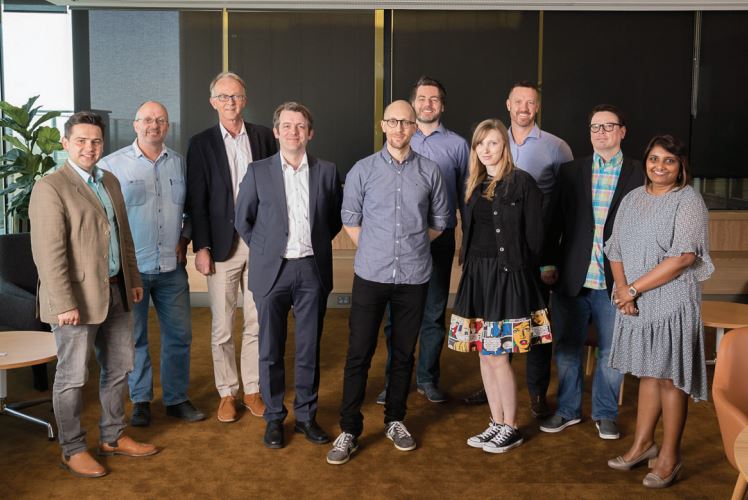
MBBL Symposium 2018 Presenters
Presentation downloads:
The optimal shopping problem
Jacob Orquin (Aarhus University)Quantifying systematicity of information search
Sonja Perkovic (University of Leeds)Eye tracking and reality: Testing pilot expertise in Visual Flight Rules landing using a flight simulator
Adrian Dyer (RMIT)A Real Estate Application of Eye tracking in a Virtual Reality Environment
James Breeze (Objective Experience) and Peter Grierson (REA)