
#2 - MFI: Innovations Shaping the Beverage Industry
February 17, 2025
The beverage industry is undergoing rapid transformation, with brands leveraging nostalgia, health-conscious formulations, and seasonal trends to capture consumer attention. During our second MFI Trends & Insights session, we explored how innovative strategies in flavour development, alcohol branding, and transparency are shaping the market. Here's a snapshot of the key takeaways.
1. Sweet & Salty Flavour Innovation: A New Sensory Experience
Brands are pushing boundaries by blending sweet and savory elements, creating unique sensory experiences that keep consumers intrigued. From Pringles' sweet and salty variant to Wendy’s salted caramel frosty with French fries, companies are embracing contrast to stand out. Alcohol brands are also entering the mix, with peanut butter whiskey redefining the drinking experience by introducing indulgent, dessert-like flavours.

References: Wendy's website
2. Health-Conscious Beverages: Balancing Nostalgia with Wellness
As consumers prioritise health, brands are finding ways to modernise nostalgic products while meeting wellness expectations. Celsius has revived a retro flavour but reformulated it without sugar, appealing to both nostalgic and health-conscious consumers. Meanwhile, Somersby’s zero-calorie, zero-alcohol cider delivers the taste experience of traditional cider but without the calories or alcohol content. Beverage brands are also exploring clearer nutritional labelling, similar to Halo Top’s calorie-transparent approach in the ice cream category.
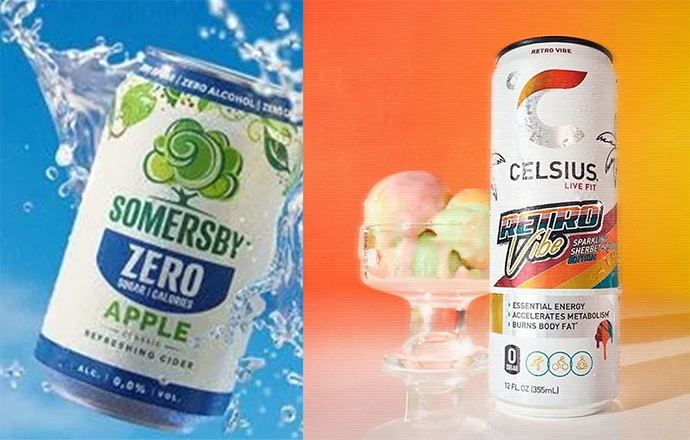
References: Somersby's, Celsius' website
3. Nostalgia Marketing: Bringing Consumers Back to Their Roots
Brands are successfully reengaging former consumers by bringing back classic flavours with a modern, health-conscious approach. This strategy taps into childhood memories, reinforcing emotional connections with brands. Whether it’s Pepsi reviving blue Pepsi or Celsius bringing back nostalgic flavours, the goal is clear: make consumers feel good about indulging in the flavours they once loved without compromising on their current lifestyle choices.
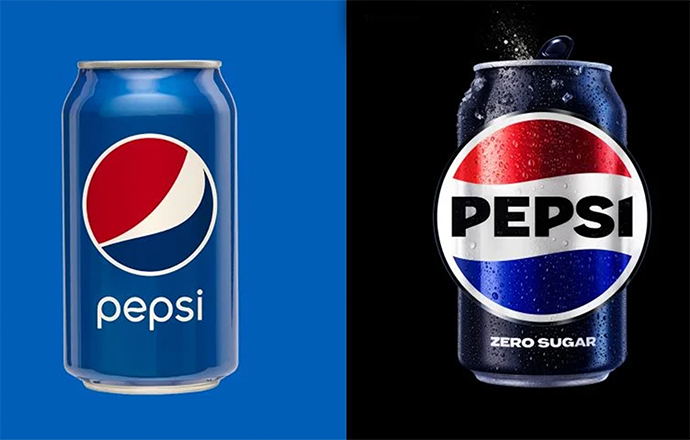
References: Pepsi's website
4. Alcohol Industry Innovations: Transparency & Community Engagement
Alcohol brands are using transparency and community involvement as key selling points. Peanut Butter Whiskey is a prime example of cross-category flavour innovation, making spirits more approachable to new demographics. Meanwhile, Ardbeg’s 25th Anniversary Edition was developed with community feedback, reinforcing the idea that brands thrive when they involve their audience. Somersby’s transparent ingredient callouts set a new benchmark in the alcohol industry, catering to an increasingly conscious consumer base.
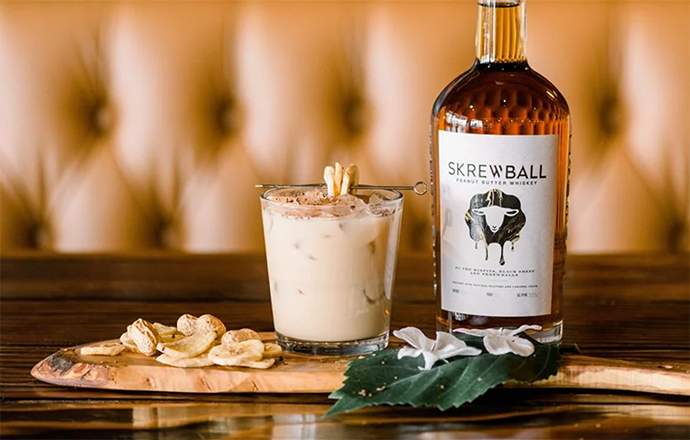
References: Skrewball's website
5. Canned Cocktails & Seasonal Beverages: Convenience Meets Occasion
The ready-to-drink (RTD) category continues to rise as brands transform bar-quality cocktails into convenient formats. Canned cocktails replicate the premium bar experience, allowing consumers to enjoy high-quality drinks at home. Floral lemonades for Valentine’s Day align with gifting culture, incorporating seasonal and occasion-based flavours. More brands are embracing seasonal storytelling, such as Diwali-inspired beverages and Christmas-themed flavours, to connect with consumers on an emotional level.
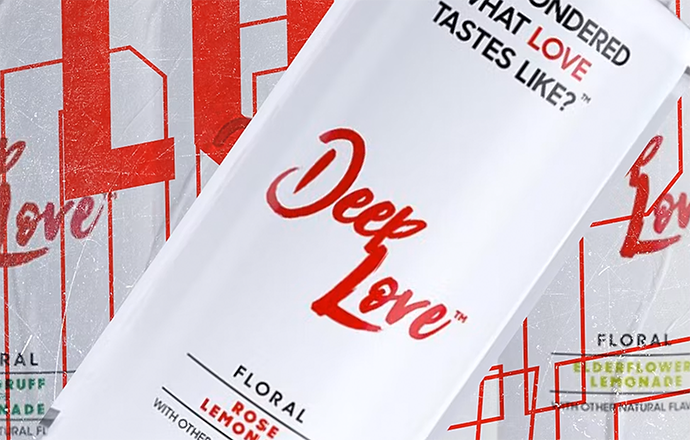
References: Deep Love's website
Looking Ahead
As beverage brands continue to evolve, the emphasis on nostalgia, health, and seasonal engagement will remain critical. The next MFI Trends & Insights session will further explore how these shifts are impacting consumer preferences and market strategies. Stay tuned!