
#2 – Playable Burgers, Mystery Drops & The Clean Label Oat Milk Purge
September 4, 2026
The food and beverage world is tearing up the rulebook once again, serving up a wild collision of digital gaming culture, sensory mysteries, and radical pantry minimalism. In this edition, we are exploring fast food chains turning dinner into console side missions, mystery confectionery turning casual snacking into a game of sensory roulette, and plant-based milks stripping formulas down to five simple ingredients to dodge the ultra-processed food firing line. We also look into smart flavour tech that rescues healthy snacks from cardboard textures, smashable chocolate packaging that turns dessert into tabletop theatre, and licensed milkshake mashups squeezing maximum equity out of nostalgic biscuits. Let us unwrap what is trending!
1. Side Quests & Drive Thrus: Fast Food Meets Console Gaming
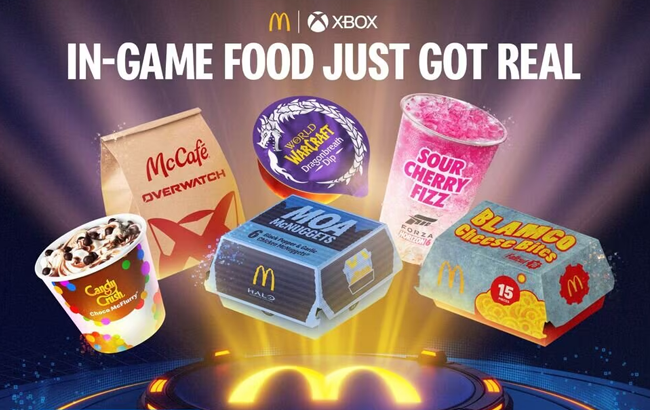
Fast food collaborations have finally outgrown slapping a cartoon sticker on a paper cup. By integrating limited-run menu items directly into gameplay loops where ordering a meal unlocks in-game side missions and digital loot, quick service chains are morphing into interactive entertainment. For food innovators, meals are no longer just fuel; they are a direct ticket into digital subcultures. The catch? If the food itself is just a standard burger with a digital code printed on the receipt, gamers will spot the lazy commercial grab immediately. The physical product must feel just as inventive as the virtual reward.
References: McDonald's website, Xbox website, Trend Hunter website
2. Mystery Flavour Drops: Turning Snacking into Sensory Roulette
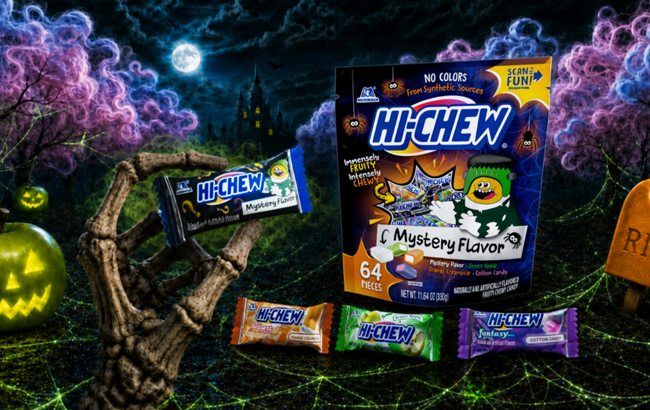
Routine lolly runs are getting a jolt of adrenaline from the mystery drop. Brands hiding unlabelled flavour profiles inside seasonal bags are transforming snacking into a participatory guessing game. It hooks straight into natural curiosity, social media debates, and video unboxings. But mystery for the sake of mystery is a dangerous gamble: if the hidden flavour turns out to be an artificial chemical experiment that tastes awful, repeat sales vanish overnight. The real craft lies in formulating a well-balanced flavour riddle that keeps people debating without offending their palate.
References: HI-CHEW website, Confectionery News website
3. The Five Ingredient Reset: Oat Milk Faces Clean Label Reality
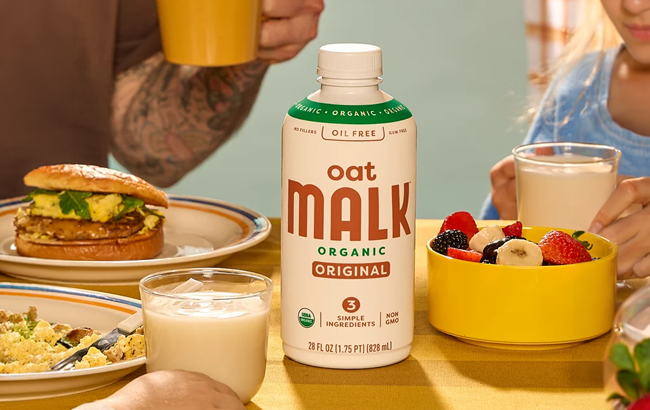
Plant-based milks had an uninterrupted golden run until shoppers started turning cartons around to read the back. The moment consumers noticed thickeners, stabilisers, seed oils, and industrial phosphates, the category found itself square in the crosshairs of the ultra-processed food debate. Cutting recipes back to just five recognisable whole food ingredients is how oat milk plans to defend its health credentials. For formulators, this is a technical headache: stripping out emulsifiers without ending up with watery coffee or flat barista foam takes genuine processing ingenuity.
References: Oatly website, FoodNavigator website, Trend Hunter website
4. Flavour Tech and Mouthfeel Tricks: Making Health Actually Taste Great
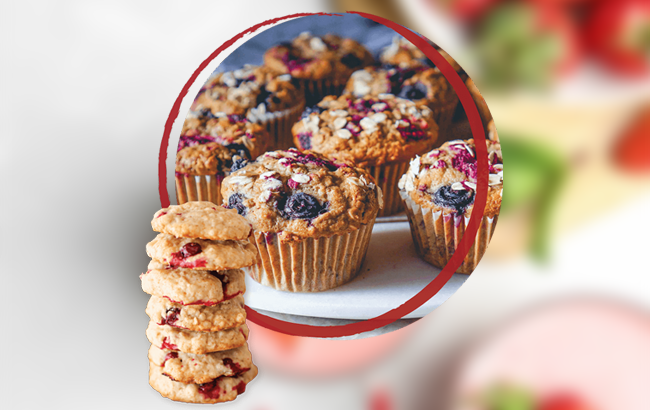
Shoppers demand 20 grams of protein and zero added sugar, but they refuse to chew on chalky textures or swallow bitter off notes. Advanced flavour modulation and mouthfeel technologies are stepping into that gap. By cleverly masking astringent botanical proteins and rebuilding dairy-style creaminess without adding excess fat or sugar, ingredient houses are making healthy food feel like an indulgence. The big test for innovators is keeping these clever formulation solutions aligned with clean, transparent ingredient decks that consumers still trust.
References: Edlong website, Food Business News website
5. Smashable Confectionery: Packaging as Tabletop Theatre
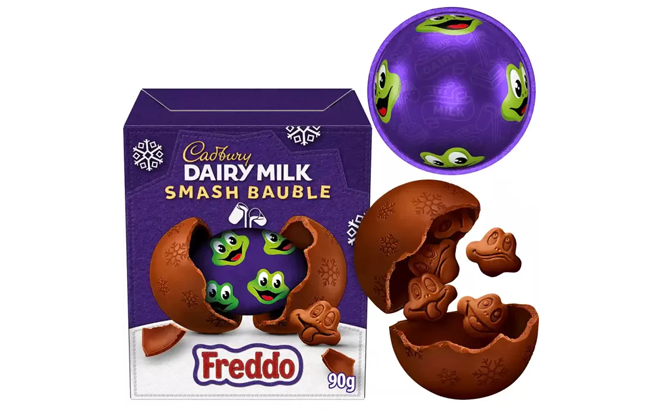
Static chocolate bars are taking a backseat to playful, breakable treats that demand hands-on interaction before you take a bite. Whether it is a hollow chocolate bauble meant to be shattered on the dining table or a crunchy shell hiding edible surprises inside, this is sensory entertainment at its best. It taps right into the viral joy of unboxing rituals. The operational hurdle? Dialling in precise chocolate tempering and structural strength so the product does not accidentally crack during transport or warehouse handling before reaching the customer.
References: Cadbury Australia website, Retail World Magazine website
6. Liquid Nostalgia: Licensed Dessert Shakes Hijack Convenience
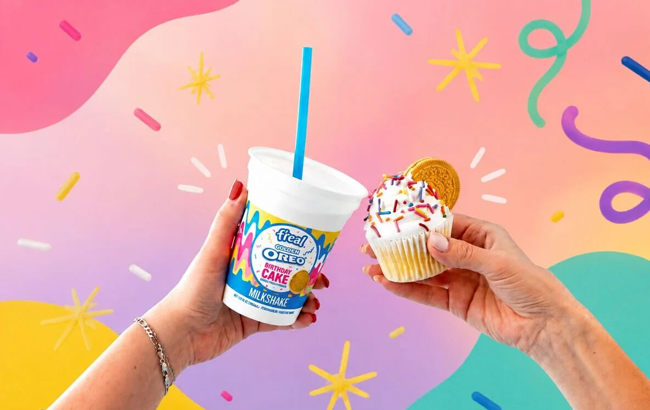
Why burn through an eighteen-month product development cycle trying to invent a new frozen dessert from scratch when you can borrow the trust of an iconic biscuit or birthday cake? Cross-licensing beloved bakery names into ready-to-blend beverage formats gives convenience stores an immediate burst of high foot traffic. It scratches that itch for sweet indulgence with zero guesswork. Still, brands must be wary of flavour fatigue: these concepts shine as tight, eight-week seasonal events, not permanent clutter on the menu board.
References: f'real foods website, OREO website, Trend Hunter website
That's a Wrap
The message for product developers is unmistakable: if your food is not offering playful interaction, radical ingredient honesty, or high-impact sensory fun, you are blending into the background. The next wave of food innovation belongs to products that turn eating into an experience.