
#3 – Seed Oil Free Seals, Automated Pizza Robots & Seaweed Barrier Tech
September 9, 2026
The food and beverage sector is navigating a fascinating split screen: ancient natural polymers and radical oil purges on one side, and automated robotic dining and cafe-inspired dessert confections on the other. In this edition, we are breaking down snack brands slapping third-party seed oil-free seals on chip packets, California Pizza Kitchen deploying automated hot meal kiosks to bypass restaurant storefronts, and marine seaweed coatings replacing plastics forever in food cartons. We also look at high-protein ice cream bars invading freezer aisles, Italian affogato dessert profiles transforming mainstream chocolate blocks, and fast food giants shrinking signature baked goods into shareable party boxes. Let us unwrap what is trending!
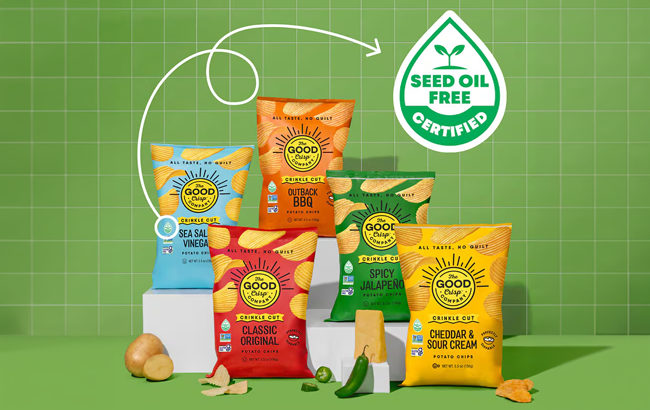
1. The Seed Oil Free Seal: Anti-Seed Oil Sentiment Hits Mainstream Supermarkets
What started as fringe wellness debates and carnivore diet discussions on social media has officially landed on supermarket packaging. Brands are no longer quietly switching from canola or sunflower oil to tallow, avocado, or coconut oil; they are actively seeking formal third-party certifications to put massive seed oil free stamps on the front of the pack. For product developers, this is an expensive pivot: non-seed oils carry significant cost premiums, tighter supply chains, and distinct smoke points that alter fry crispness and shelf life. The innovation question is whether paying double for frying oils actually drives sustainable repeat volume, or if brands are simply chasing a short-lived social media anxiety.
References: The Good Crisp Company website, Nosh website, Trend Hunter website
2. Mystery Flavour Drops: Turning Snacking into Sensory Roulette
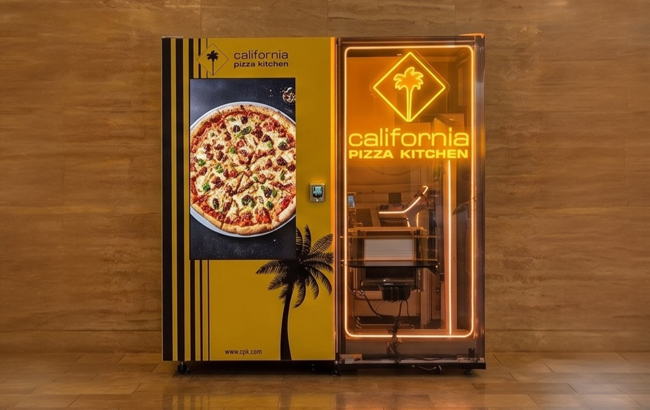
High commercial rents and punishing hospitality labour shortages are forcing legacy restaurant chains to rethink physical real estate entirely. Rather than signing expensive ten-year retail leases, brands are deploying fully automated standalone kiosks that cook and serve hot restaurant-quality meals in minutes across airports, universities, and hospitals. It turns brand equity into an unattended retail network. The operational challenge is quality assurance: if an automated machine burns the crust or undercooks the cheese during a midnight rush, the damage lands squarely on the core restaurant brand without a kitchen manager there to fix it.
References: California Pizza Kitchen website, Nation's Restaurant News website, Business Wire website
3. Seaweed Barrier Coatings: The Biodegradable Answer to Plastic Liners
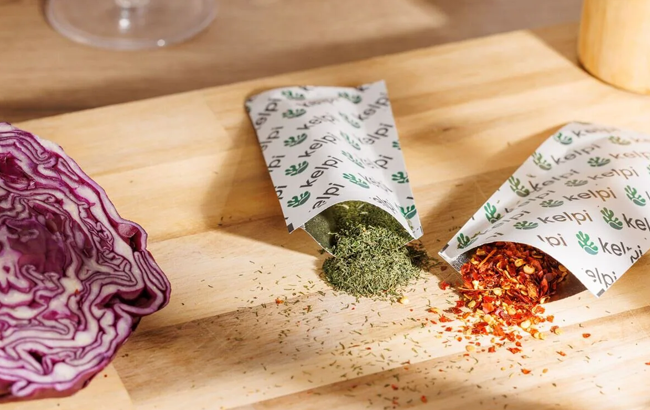
With regulatory bans tightening around PFAS, forever chemicals, and single-use plastic films, paper packaging has faced an awkward truth: paper alone cannot hold greasy chips, wet salads, or hot takeaway gravy. Enter biobased marine coatings. Emerging biomaterial startups are using harvested seaweed polymers to create heat-sealable, water-resistant, and oil-impermeable barriers that break down naturally in home compost bins. For FMCG packaging engineers, the race is on to scale up manufacturing volume and prove that marine coatings can handle high-speed box folding machinery without cracking along the score lines.
References: Kelpi website, Packaging Europe website, Trend Hunter website
4. Freezer Aisle Fitness: High Protein Ice Cream Drops the Chalk
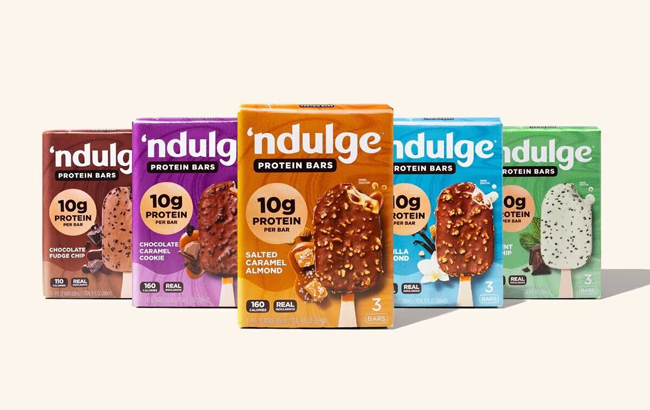
Protein bars have long suffered from dense, chewy textures that feel more like gym penance than a real afternoon snack. To combat bar fatigue, functional nutrition brands are taking direct aim at the frozen dessert aisle. By combining ultra-filtered milk proteins and gut-friendly prebiotic fibres with rich chocolate coatings, new frozen bars are delivering 10 to 15 grams of protein with the creamy mouthfeel of premium ice cream. The technical hurdle lies in freeze-thaw stability: formulators must stop high-protein frozen matrices from turning icier and rock hard over standard supermarket cold chain cycles.
References: ndulge website, Target website, Trend Hunter website
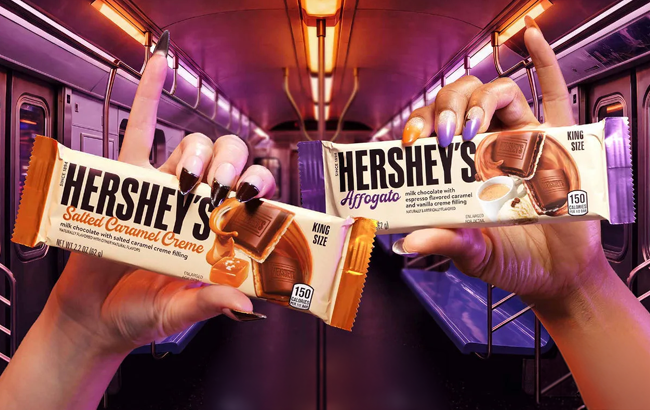
5. Cafe Culture Confectionery: Affogato and Salted Caramel Creme Bars
Mainstream confectionery leaders are realising that standard milk chocolate bars feel increasingly flat to younger consumers who grew up ordering layered iced coffees and artisanal desserts. To inject excitement into the confectionery aisle, brands are building cafe-inspired layered bars that mimic classic Italian desserts like affogato with velvety espresso creme centres, crunchy waffle bits, and salted caramel layers. It is an approachable indulgence drop that turns an everyday treat into a boutique dessert moment. The strategic goal is driving premiumisation without crossing into out-of-reach luxury pricing.
References: The Hershey Company website, Sprudge Coffee website, Trend Hunter website
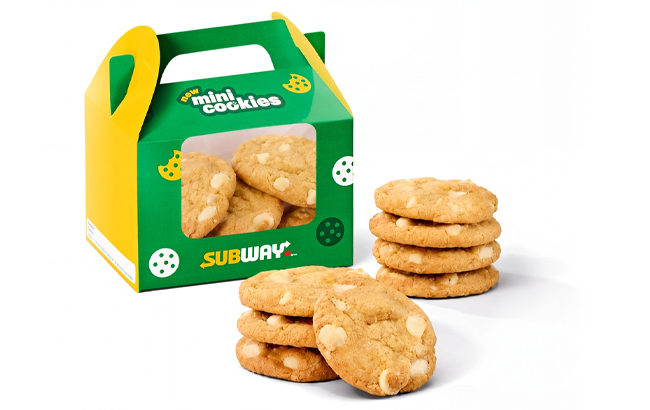
6. Shrink and Share: QSR Mini Cookie Boxes for Group Grazing
Fast food treats have traditionally been designed as solitary impulse add-ons grabbed at the drive-thru window. By downsizing their signature jumbo cookies into bite-sized mini versions packed inside shareable multi-count boxes, quick service chains are opening up entirely new consumption occasions like casual office morning teas, weekend parties, and group road trips. It represents smart portfolio engineering: the ingredients and baking equipment remain identical, but a clever packaging adjustment instantly lifts basket size and rebrands individual snacks into communal catering assets.
References: Subway Canada website, Morningstar website, Trend Hunter website
That's a Wrap
From automated pizza machines to marine packaging coatings, the future of food belongs to innovators who can balance convenience and indulgence with uncompromised ingredient honesty. If your brand is not experimenting with new consumption rituals and cleaner base ingredients, you are falling behind.