
#4 – Pickle Brine Mac, Runway Chocolate Bags & Structural Dip Crisps
September 16, 2026
The food and beverage world is leaning hard into playful absurdity, tactile physical design, and unexpected category collisions. In this edition, we are breaking down fermented pickle brine colliding with childhood macaroni and cheese, luxury fashion designers turning chocolate wrappers into runway handbags for New York Fashion Week, and crisp giants re-engineering potato chips so they never snap inside thick guacamole. We also look at cosmetics giants translating iconic peach makeup palettes into frozen yogurt, cult animated horror franchises taking over fast food drive-thrus, and sports nutrition moving creatine out of chalky shaker bottles into grab and go gummy treats. Let us unwrap what is trending!
1. Brine Meets Bowl: Fermented Pickle Brine Invades Mac and Cheese
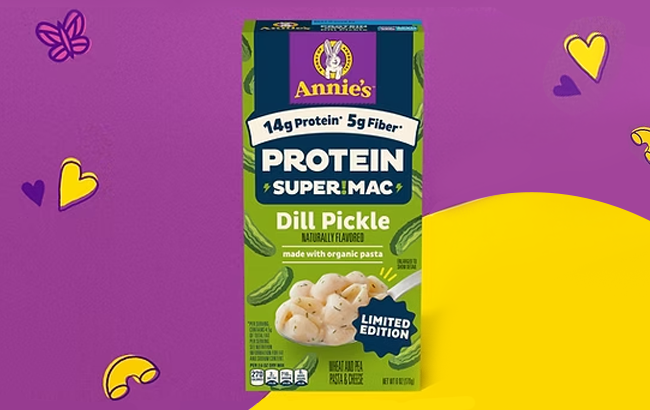
Pickle mania has spent the last two years conquering potato crisps, seltzers, and fried chicken sandwiches. Now, it has officially crashed the ultimate comfort food category: boxed macaroni and cheese. By infusing sharp dill pickle brine and dried dill weed directly into cheese powders, brands are giving nostalgic carb staples an acidic, tangy kick that cuts through heavy dairy fats. For product developers, the commercial trap is acidity balance: too subtle and shoppers feel cheated of the pickle novelty; too harsh and the lactic acid curdles the sauce into a sour, gritty mess.
References: Annie's Homegrown website, Tasting Table website, Target website
2. Edible Beauty: Frozen Yogurt Channels Cosmetics Sensory Assets
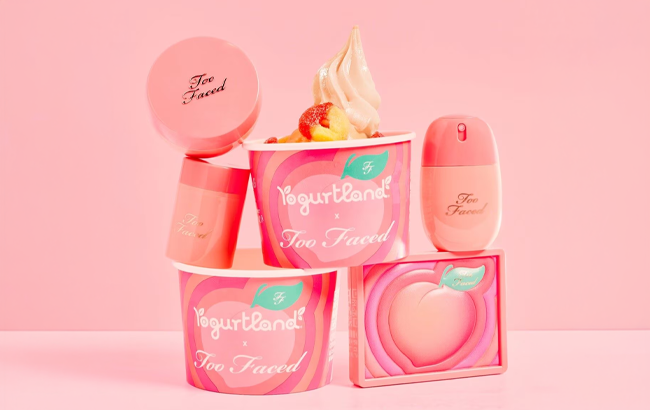
Cross-category licensing has evolved far beyond standard logo printing. When a dessert chain collaborates with a cult beauty brand to recreate an iconic peach makeup palette as a tangy frozen yogurt flavour, they are activating shared sensory memory: scent, colour aesthetic, and unboxing rituals. It draws Gen Z shoppers into stores to taste the beauty products they already wear on their faces. The risk for food formulators is perfume contamination: translating cosmetic fragrance notes like sweet peach blossom into an edible dairy base requires delicate flavour extraction so it does not taste like bathroom hand soap.
References: Yogurtland website, Too Faced website, Trend Hunter website
3. Runway Wrappers: Upcycling CPG Packaging into Luxury Fashion
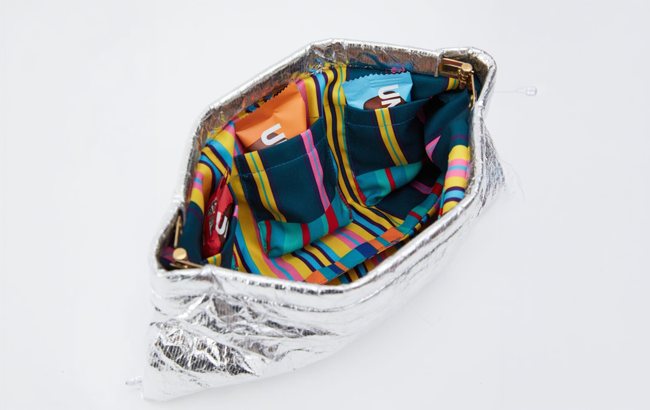
Food merchandise used to mean cheap promotional t-shirts handed out at trade shows. By partnering with high end fashion houses to transform shiny foil confectionery wrappers into limited edition runway handbags for New York Fashion Week, challenger snack brands are reframing everyday pantry treats as wearable cultural currency. It generates massive earned media and positions the snack brand as an aesthetic lifestyle icon rather than a commodity grocery item. The challenge is preserving authenticity: if the fashion item feels like a cynical corporate stunt rather than genuine craft design, social media will ridicule it instantly.
References: Kelpi website, Packaging Europe website, Trend Hunter website
4. Structural Snacking: Re-engineering Potato Crisps for Heavy Dips
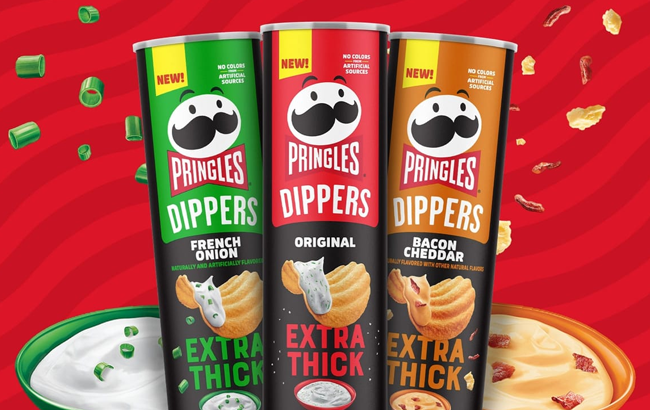
Nothing ruins a social grazing moment faster than a brittle potato crisp snapping in half and sinking to the bottom of a bowl of dense dip. Rather than telling consumers to dip more gently, snack engineers have completely reworked traditional crisp geometry. By thickening the potato flake doug
h, widening the curvature into a deep scoop, and reinforcing the sidewalls, brands are creating crisps engineered specifically to withstand heavy sour cream, salsa, and thick guacamole. It is functional industrial design applied to snacking: solving a real consumer frustration without altering the core potato flavour.
References: Pringles website, PotatoPro website, Trend Hunter website
5. Drive Thru Horror: Animated Pop Culture Dominates Halloween Menus
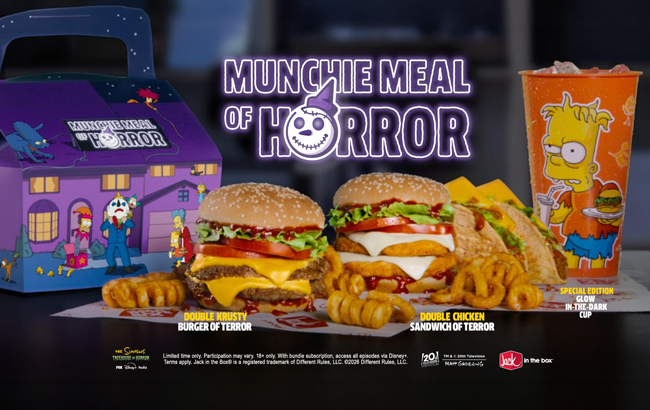
Seasonal QSR promotions have moved past generic pumpkin spice drops. Fast food chains are now building immersive, limited-run menus themed entirely around cult animated Halloween specials, packaging meals in collectible themed cartons with matching horror sauces and exclusive digital collectibles. It treats dining out as event entertainment, driving late-night foot traffic and basket sizes among millennial and Gen Z collectors. The innovation hurdle is execution speed: QSR supply chains must source custom printed packaging and novel black or green food colourings for a razor-thin four-week promotional window.
References: Jack in the Box website, Business Wire website, Nation's Restaurant News website
6. The Death of the Shaker Cup: Dose Measured Creatine Gummies
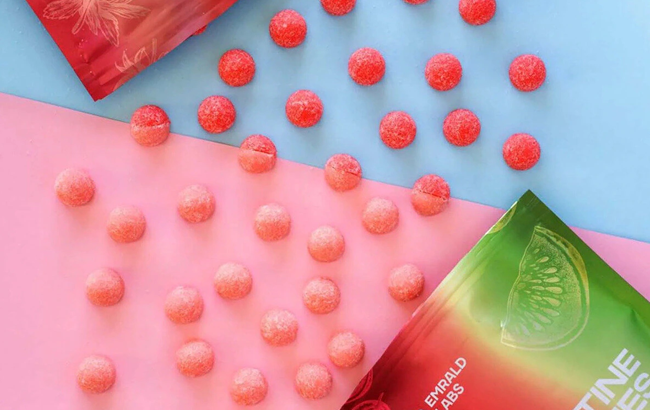
Bodybuilders have spent decades enduring clumpy, chalky creatine powders that settle at the bottom of gym shaker bottles. Sports nutrition brands are finally fixing the user experience by locking clinically proven creatine monohydrate doses into chewy, sour confectionery gummies. It strips the clinical intimidation away from performance supplements, opening the category up to everyday runners, gym goers, and active lifestyle consumers who want cognitive and muscular recovery without the mess. For formulators, the battle is stability: creatine naturally degrades into inactive creatinine in water rich gummy matrixes unless moisture levels and pH are tightly controlled.
References: Emrald Labs website, NutraIngredients website, Trend Hunter website
That's a Wrap
Whether it is reinforcing chip geometry to survive heavy dips or turning chocolate wrappers into high fashion handbags, food innovation in 2026 is about solving tangible physical pain points and creating unexpected cultural buzz. If your product is not delivering tactile novelty or playful sensory surprise, it is blending into the shelf.