
Research
 Neuroscience is an exciting area of science due to its vast scope and complexity. We are still uncovering insights into understanding how the brain functions from the level of individual neurons, molecular and cellular mechanisms to networks and finally systems.
We use translational neuroscience research to approach clinical problems that need to be solved, identified by clinicians, clinician researchers, scientists, patients and other relevant stakeholders, from the clinical setting (“bedside”) to the laboratory (“bench”) and then back to the clinical setting, to directly improve outcomes for patients. We are uniquely positioned within one of Australia's leading specialist hospitals, The Alfred, where we apply a ‘whole pipeline’ approach across our work.
We are proud to contribute to the progress of knowledge and understanding in the neuroscience field. Our expert research leaders play a strong role in developing, guiding and providing mentorship for our next generation of young neuroscience researchers to facilitate new discoveries to translation for improved treatments and practices.
The department maintains extensive multidisciplinary collaborations with clinical and fundamental neuroscience researchers locally and internationally. Our researchers also collaborate with government, industry partners, and philanthropic foundations on different projects.
Research themes
One way we bring our research together is through the lens of specific themes to illustrate its primary focus. We are expert global leaders in several research themes including
- Neurodegenerative diseases
- Neuroimmunology (multiple sclerosis)
- Neurological diseases (epilepsy)
- Neurophysiology and neuromuscular diseases
- Neurotrauma
- Mental Health (cognition and addiction)
We are also involved in the STM Gastrology, Immunology and Neuroscience (GIN) Discovery Program, allowing us to collaborate with other researchers in other departments with expertise in relevant fields.
Neurodegenerative diseases
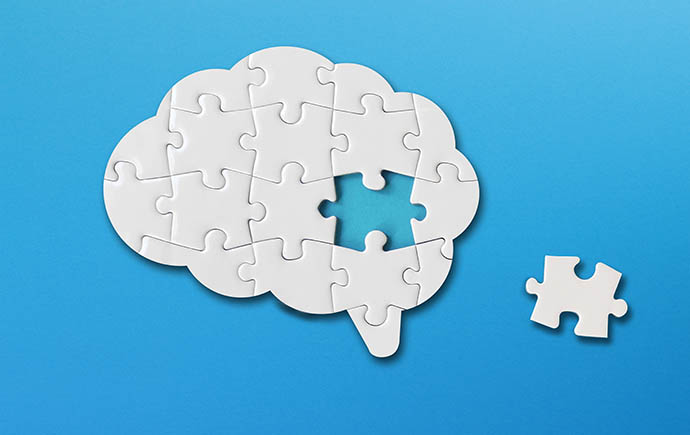
Some neurological diseases get worse with time, including Alzheimer’s disease, Parkinson’s disease, and Amyotrophic Lateral Sclerosis (ALS), in severe cases in very short periods of time of a few years. Certain proteins have been identified to play a key role in the diagnosis and cause of the diseases but as yet no cures have been found. However, due to the complexity of the brain, multiple proteins, genes and systems are thought to be involved. Using imaging technologies, we are finding out more about that will lead to further insights and improvements in treatments for patients.
Neuroimmunology (multiple sclerosis)
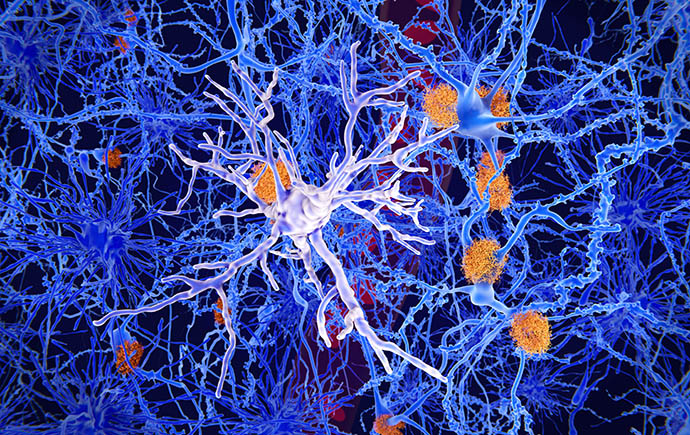
Multiple neurological diseases involve the immune system and its interaction with the central nervous system, also known as the area of neuroimmunology. One of the primary diseases known in this field of study is multiple sclerosis.
Neurological diseases (epilepsy)
 Epilepsy is a neurological disease that has been known and studied through lesion and surgical techniques. Convulsive recurrent seizures are typically known in the disease but many different seizure types occur through genetic or acquired (through the environment and individual experiences) factors. Multiple drug treatments are available for patients, but finding the right one for each patient, particularly those who are not responsive, is a major challenge. Surgical techniques used for mapping areas of the brain affected by seizures are being combined with other innovative techniques to provide control. We are using some of these techniques to understand the different causes of epilepsy and to help find more effective treatments for patients.
Neurophysiology and neuromuscular diseases
Studying the autonomic nervous system is important in understanding responses of the brain and how the body functions. We use imaging and electrodiagnostic techniques, e.g. microneurography to study neurological underpinnings through tasks or light stressors of the musculoskeletal system and its communication within the brain to evoke a motor response. Neuromuscular diseases and nerve pain can result when this communication is impaired or dysfunctional, and can also involve the immune system.
Neurotrauma
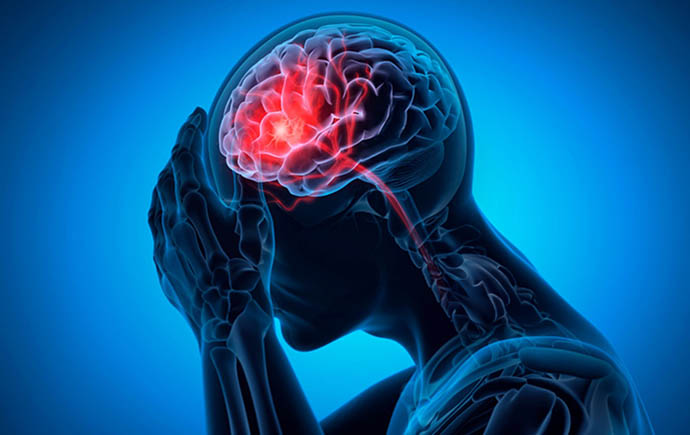
Injury to the brain and spinal cord through physical forces, e.g. accidents due to falls or motor vehicle accidents or violence and collisions brought about by others, or physiological processes, e.g. stroke and dementia, brings many changes in the architecture of the brain structure and functioning in everyday activities.
Mental Health (cognition and addiction)

The area of mental health has become an important one over the last decade or so, across the human lifespan. Anxiety, depression, and unhealthy behaviours including eating disorders and addiction (e.g. impulsivity, alcohol and substance abuse) can result from development and interactions with the environment, but also through potential gene associations that result in an imbalance of neurochemicals within the brain. We study mental health issues that arise from the diagnosis of a neurological disease through its progression over the long-term.