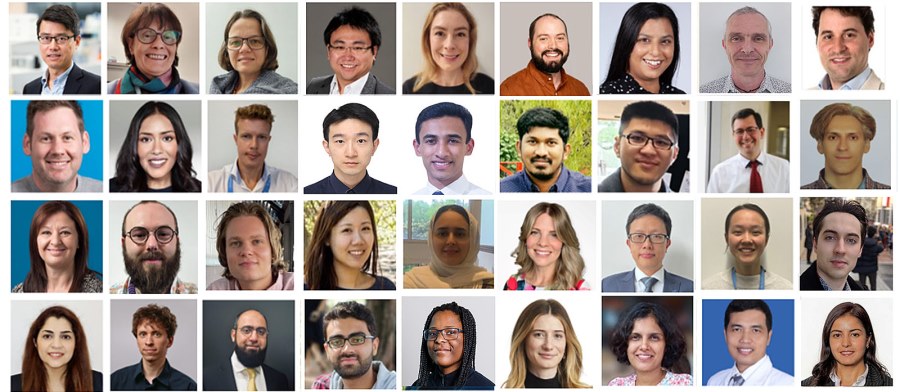
PhD students
Main Supervisor
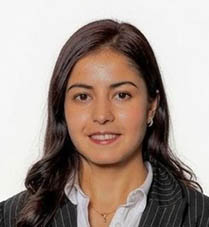 Aakanksha Abrol
Project Title: Establishing and validating an Organic Processing Unit: Sensor-based Human Neural Network, for personalised anti-seizure drug screening.
Supervisors: Prof Patrick Kwan, Dr Mosarof Hossain, Dr Ben Rollo, Dr Jinchao Gu
The project aims to develop an energy-efficient and high-performing sensor-based neuromorphic Organic Processing Unit (OPU). The OPU is an advanced computational system combining neuromorphic computing principles, organic (cellular) materials, and sensor integration to deliver sustainable and high-performance data processing. With biocompatible and scalable organic materials, the OPU will be a transformative solution for integrating intelligent processing into modern devices while aligning with global sustainability goals.
 Richard Chang
Project Title: Application of Machine Learning in Personalized Medicine for Epilepsy
Supervisors: Prof Patrick Kwan, Dr Zhibin Chen, Dr Emma Foster, and Prof Terence O’Brien
The project focuses on improving a machine learning model designed to predict treatment outcomes for anti-seizure medications in epilepsy patients. It builds on an existing model for predicting outcomes in newly diagnosed epilepsy patients and aims to enhance model performance by refining feature input granularity through Natural Language Processing and implementing new deep learning algorithms.
 Noushin Chini Foroush
Project Title: Predicting High-Risk Patients Presenting with Seizures to Emergency Departments Using Artificial Intelligence
Supervisors: Prof Patrick Kwan, Prof Biswadev Mitra, Dr Emma Foster, Dr Zhibin Chen, and Dr Deval Mehta
This project focuses on developing an AI model using natural language processing to predict seizure recurrence and patient outcomes for those presenting to emergency departments.
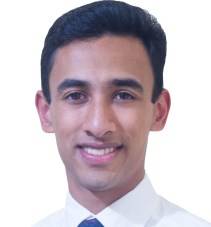 Dinesh Giritharan
Project Title: The Development of an Explainable Artificial Intelligence Tool using a Foundation Model for the Management of Epilepsy
Supervisors: Prof Patrick Kwan, Prof Biswadev Mitra, Dr Emma Foster, Dr Zhibin Chen, and Dr Deval Mehta
The project focuses on improving epilepsy diagnosis and treatment through advanced artificial intelligence (AI) techniques. It explores the potential of Foundation Models trained on datasets combined with Explainable AI methods that provide clinicians with clear insights into algorithmic decisions. This research aims to create an Explainable AI tool built on a Foundation Model to support more effective and personalized management of epilepsy.
 Haris Hakeem
Project Title: Personalised Epilepsy Management
Supervisors : Prof Patrick Kwan (main), Prof Terence O’Brien, Dr Ben Chen, and Dr Emma Foster
The project seeks to improve treatment outcomes for epilepsy by using machine learning to personalize patient care. It focuses on developing a deep learning model that predicts how patients will respond to their first anti-seizure medication (ASM) based on available clinical data. This aims to identify the most effective medication early in the treatment process.
 Eliza Moore
Project Title: Novel A1R Targeted Drugs for Treatment of Drug-Resistant Epilepsy
Supervisors: Prof Patrick Kwan, Prof Terence O’Brien, Dr Ben Rollo, and Dr Lauren May
This research project aims to screen A1R-targeting Positive Allosteric Modulators (PAMs) using human-induced pluripotent stem cell (iPSC)-derived neurons. She will investigate the dynamics of A1R-PAM binding, improve pharmacokinetic profiles, and minimize adverse effects of selected PAMs to support pre-clinical and clinical trials.
 Putu Gede Sudira
Project Title: The Application of Genetic Testing for Epilepsy in Clinical Settings
Supervisors: Prof Patrick Kwan (main), Dr Alison Anderson, and Dr Lata Vadlamudi
This project explores the role of genetic testing in epilepsy diagnosis, with an emphasis on whole-genome sequencing (WGS) to enhance diagnostic accuracy and evaluate cost-effectiveness in clinical settings.
 Joshua Robert William Nicholls
Project Title: Developing an In Vitro Model of Epilepsy: Electrical Stimulation and Attenuation of Hyperexcitability in Neural Network Cultures
Supervisors: Prof Terence O'Brien, Prof Patrick Kwan, Dr Ben Rollo, Dr Hugh Simpson
The study involves developing a human-based “epilepsy in a dish” model, where electrical stimulation induces kindling and epileptogenesis, mimicking acquired epilepsy. The project explores alternative parameters to attenuate epileptiform activity, providing a potential model for neuromodulation therapies in epilepsy treatment.
Co- Supervisor
 Afaf Altalhi
Project Title: Focal Intracerebral Delivery of Neuropeptide Y through Human-Induced Pluripotent Stem Cell-Derived Progenitors as a Disease-Modifying Treatment for Drug-Resistant Epilepsy
Supervisors: Prof Terence O’Brien, Prof Patrick Kwan, Prof Nigel Jones, and Dr Ana Antonic-Baker
This research focuses on developing a novel treatment for drug-resistant epilepsy by using human-induced pluripotent stem cell-derived progenitors for the intracerebral delivery of neuropeptide Y.
 Sarah Barnard
Project Title: Predicting Long-Term Treatment Outcomes in People with Focal Epilepsy
Supervisors: Prof Terence O’Brien, Prof Jacqueline French (NYU), Prof Patrick Kwan, and Dr Emma Foster
This research study involves analysing clinical data from the Human Epilepsy Project (HEP) to predict long-term treatment outcomes in people with focal epilepsy, focusing on factors that influence prognosis and treatment success.
 Mishy Bgoni
Project Title: Targeting the Adenosine A1 Receptor in Human Stem Cell and Animal Models of Drug-Resistant Epilepsy
Supervisors: Dr Ben Rollo, A/Prof Pablo Casillas-Espinosa, Dr Lauren May, Dr Jinchao Gu and Prof Patrick Kwan
This project aims to evaluate the safety and efficacy of positive allosteric modulators (PAMs) that target the adenosine 1 receptor (A1R) in translational models of drug resistant epilepsy: rodent and patient-derived neural organoids. It will investigate the effect of A1R targeting PAMs on each model, and their ability to mitigate seizure activity.
 Susanna Chen
Project Title: The Keto-eCoach Program: Utilising Digital Health to Enhance Ketogenic Diet Therapy for Epilepsy
Supervisors: Dr Neha Kaul, Prof Patrick Kwan, Prof Terence O’Brien, Dr John-Paul Nicolo, and Dr Jessica Biesiekierski
This study aims to address the high discontinuation rates of the ketogenic diet, a treatment for drug-resistant epilepsy. It evaluates the effectiveness of a digital health intervention to improve adherence, acceptance, and effectiveness of the diet. The study is a two-arm randomised controlled trial where one group follows standard dietary therapy and the other utilises advanced technological methods.
 Zachary Daus
Project Title: Ethical Issues in the Use of Machine Learning for Clinical Decision Support
Supervisors: Prof Robert Sparrow and Prof Patrick Kwan
This project investigates the ethical implications of using machine learning in clinical decision support systems, with particular emphasis on healthcare justice and the potential societal impacts of AI technologies in medical practice.
 Mandara Harikar
Project Title: Machine Learning-Based Identification of Markers of Respiratory Compromise in Epileptic Patients Undergoing Video-Electroencephalography
Supervisors: Dr Shobi Sivathamboo, A/Prof Andrew Neal, Dr Hugh Simpson, Dr Joshua Laing, Prof Vaughan Macefield, and Prof Patrick Kwan
The study aims to usemachine learning to identify markers of respiratory compromise in epileptic patients undergoing video-electroencephalography, aiming to improve patient monitoring and safety.
 Talha Ilyas
Project Title: Non-Intrusive Methods for Epileptic Seizure Diagnosis and Prognosis
Supervisors: : Prof Patrick Kwan and Prof Zongyuan Ge
The project explores non-intrusive methods such as EEG, ECG, video, and genomics to improve the diagnosis and prognosis of epileptic seizures.