
artist-books
Artists’ books explained
Artists’ books are often self-published or published by small presses. They can be made from various materials, including upcycled bricks and bespoke matches. Tactile and visual effect is central to their design, as these books are intended to be handled and experienced as objects rather than flat pages of text.
Photo books can be considered artists’ books as can those using finely crafted papers. One thing is certain – they defy neat definition. Architect, poet and book artist Alex Selentisch gives a broad, but effective one: ‘An artist's book is a book made by an artist and is meant as an artwork.’1
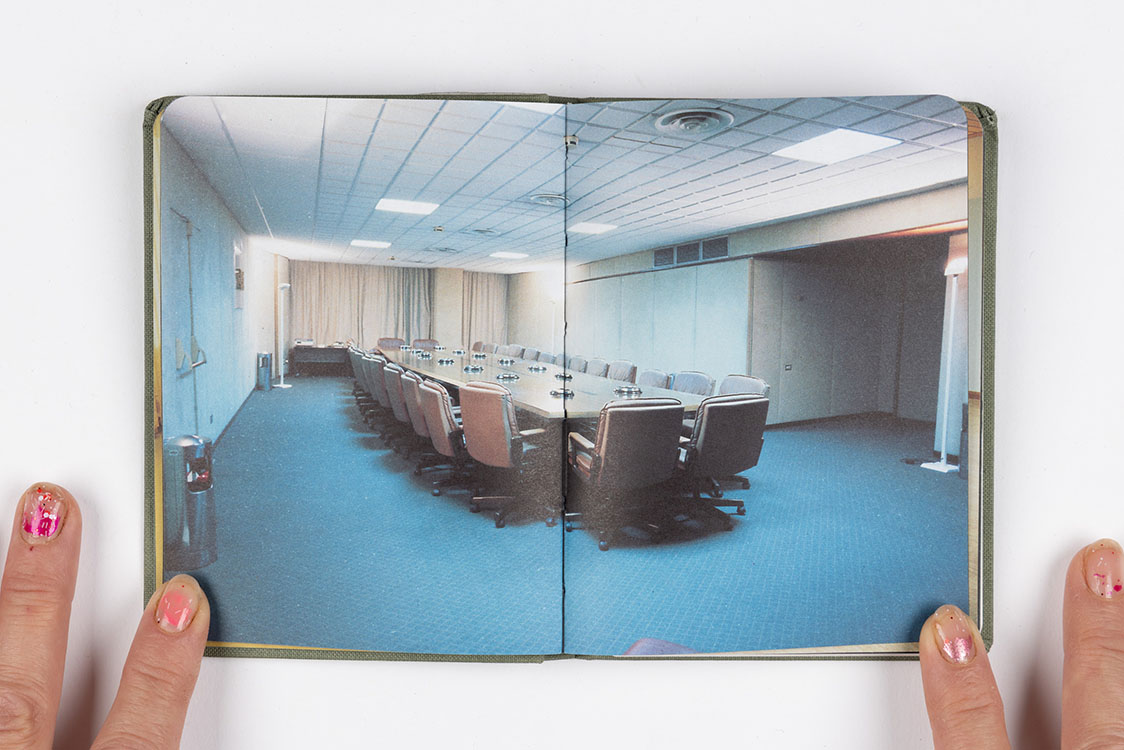
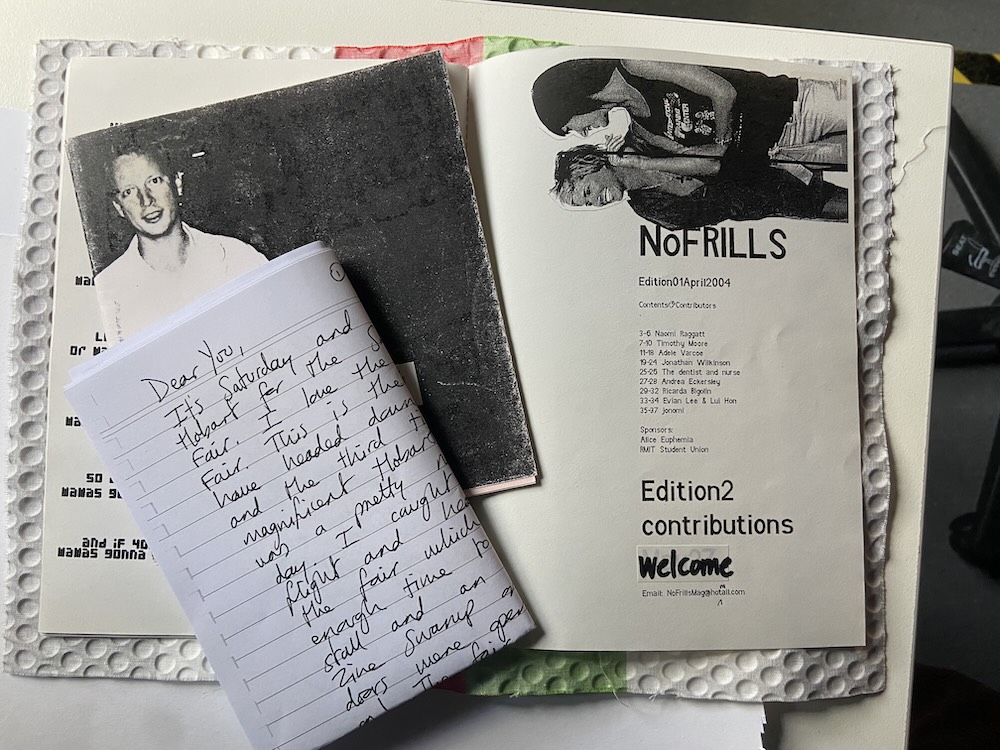
Image source: Table of Power and No Frills
Making Multiples
When they came to prominence as an artform in the 1960s, artists’ books shared the same ‘Do It Yourself’ (DIY) ethos as Zines and Mail Art, while adopting elements of Concrete Poetry. This immediacy of the format and ability to make multiple copies appealed to many artists and makers, as did the collective anti-establishment approach.
Zines’ continued popularity is seen in collectives such as Sticky Institute in Melbourne and Zine Fairs held in Australia and internationally.
Collaborations and Community
Many artists and makers collaborate to share ideas, knowledge and skills. Also to work in new and unconsidered ways. Artists’ books made from fine papers and stitched bindings are often the products of collaborations between makers and bookbinders.
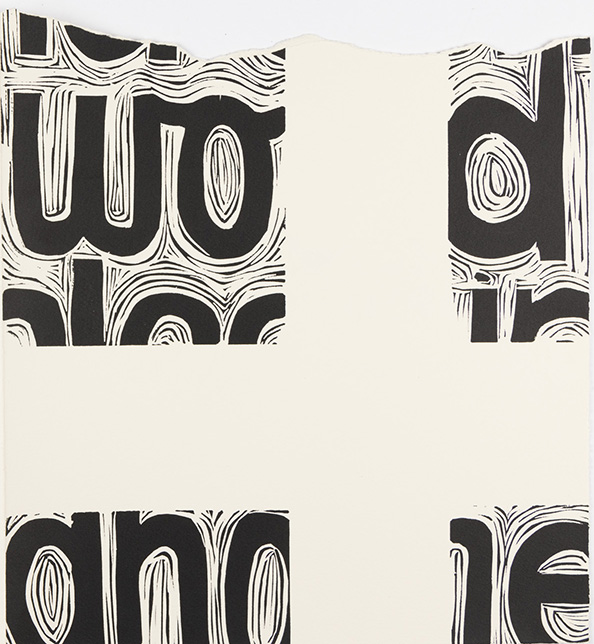
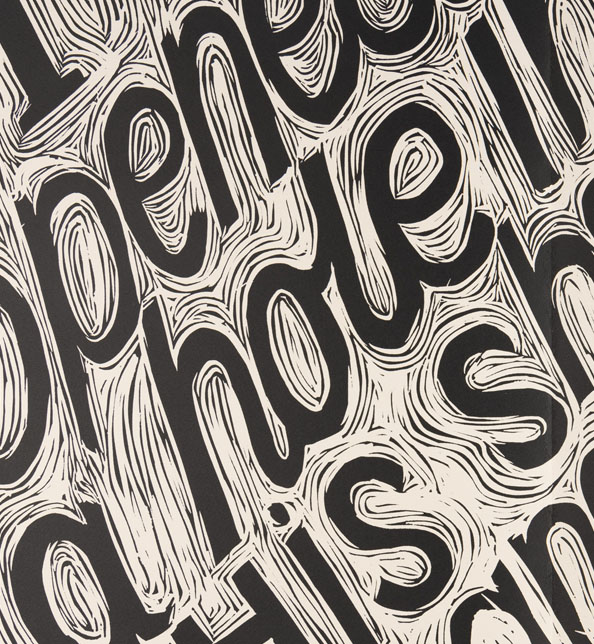
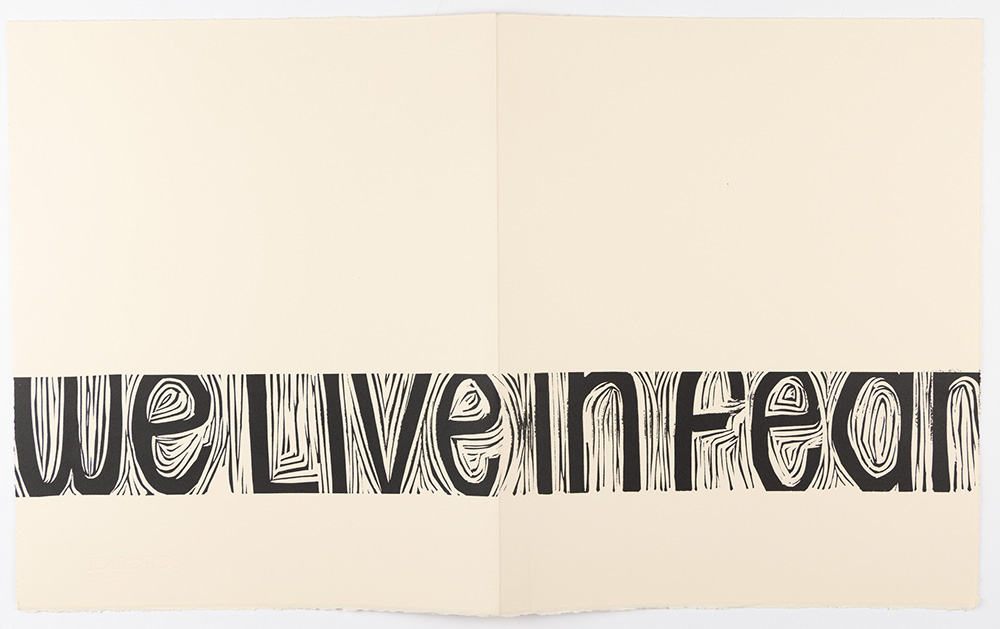
Image source: 1316
1 Selenitsch, A. ‘Australian Artists’ Books. Parkes, ACT: National Gallery of Australia, 2008, 5.