learning-opportunities
Learning opportunities with artists’ books
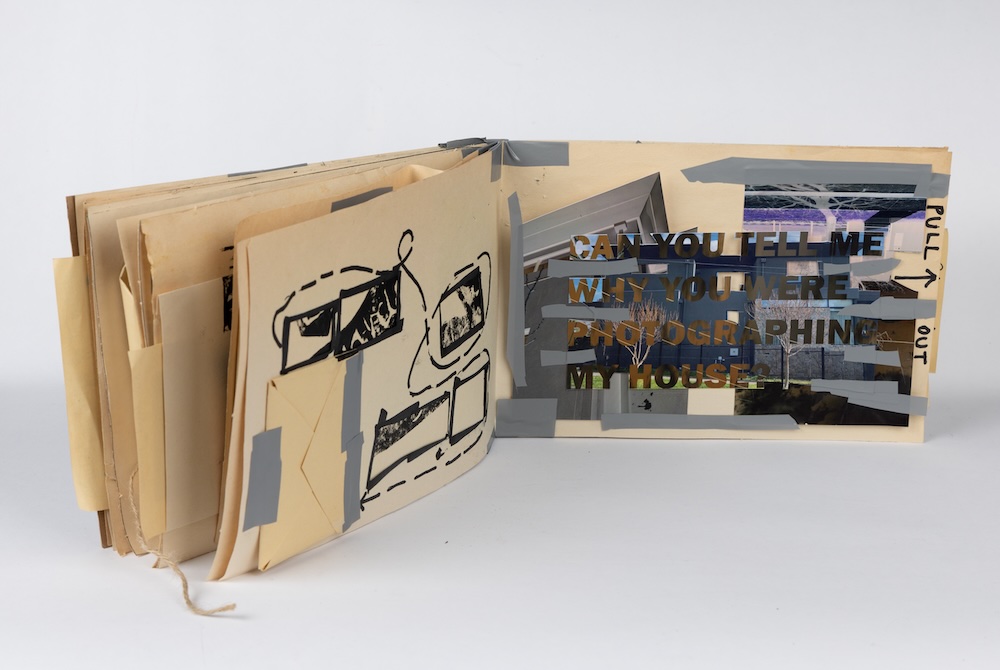
Artists’ books are just one of many unique collections that allow the Library to support curriculum and enhance student learning experience across all schools and faculties. We have used our artists’ books to support a diverse range of subjects including Creative Writing, Preservice Teaching and Communication Design. Our Special Collections team partners with course coordinators to curate relevant source material, aligned with curriculum and learning outcomes.
Object Based Learning
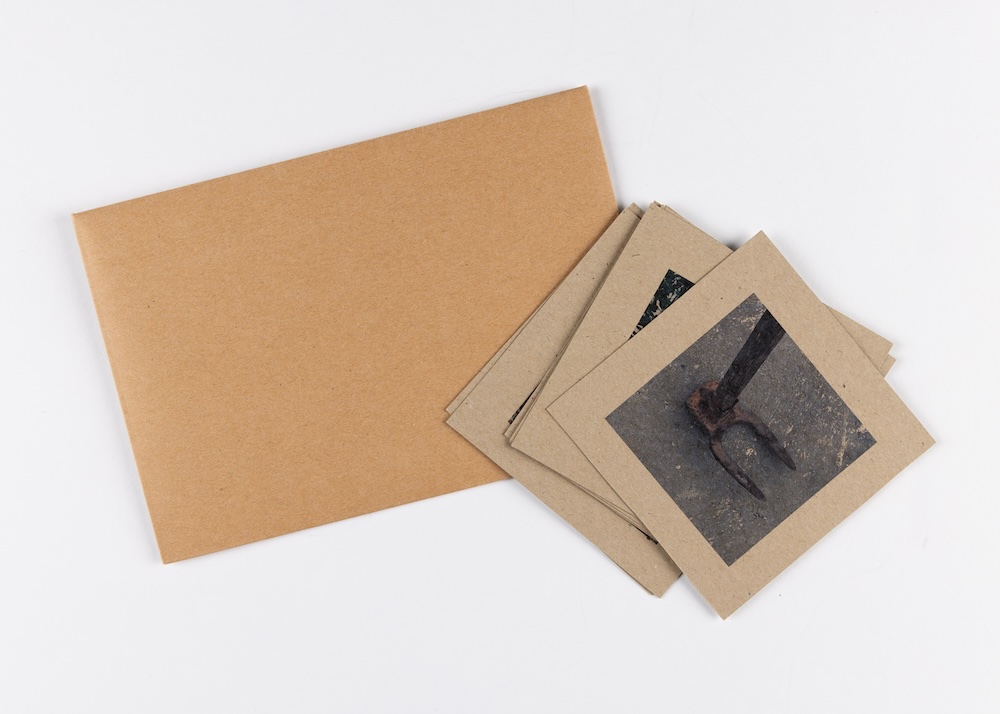
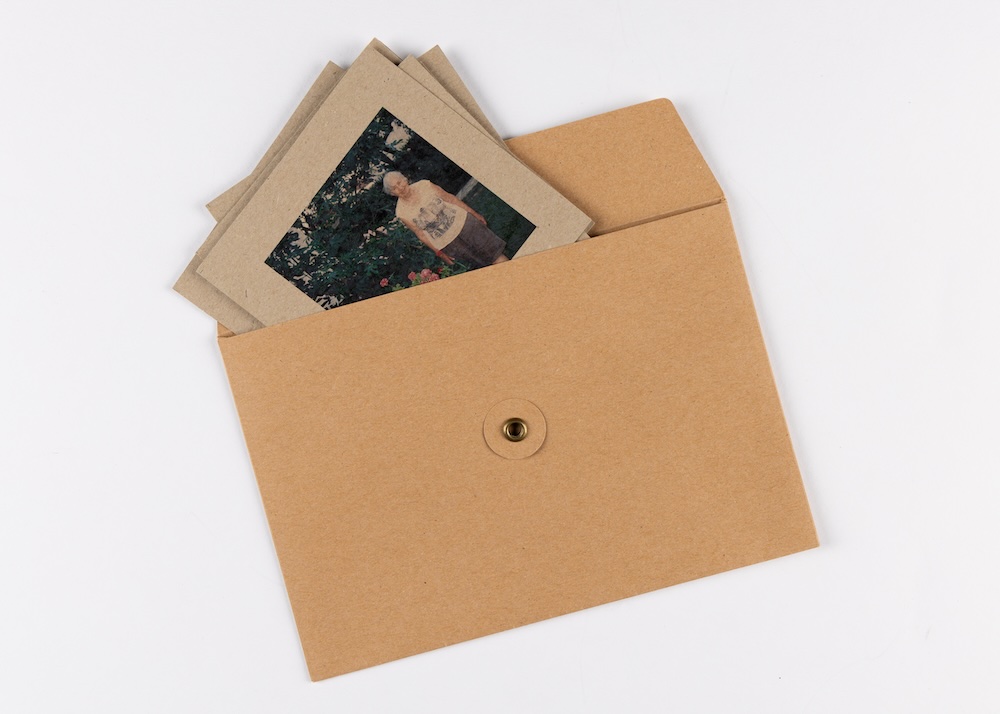
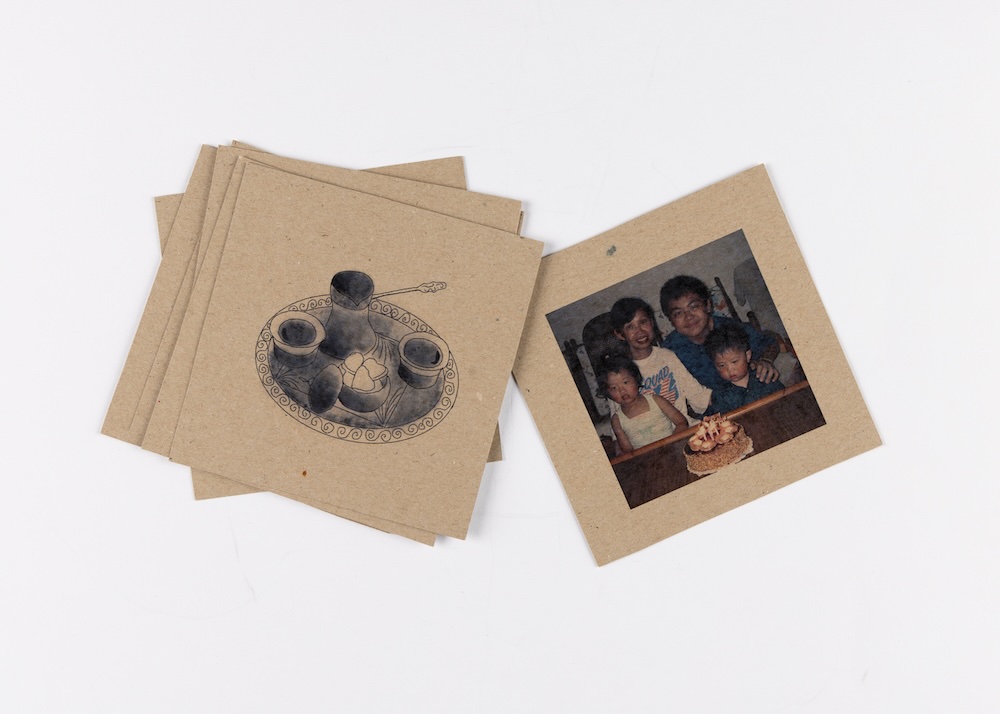
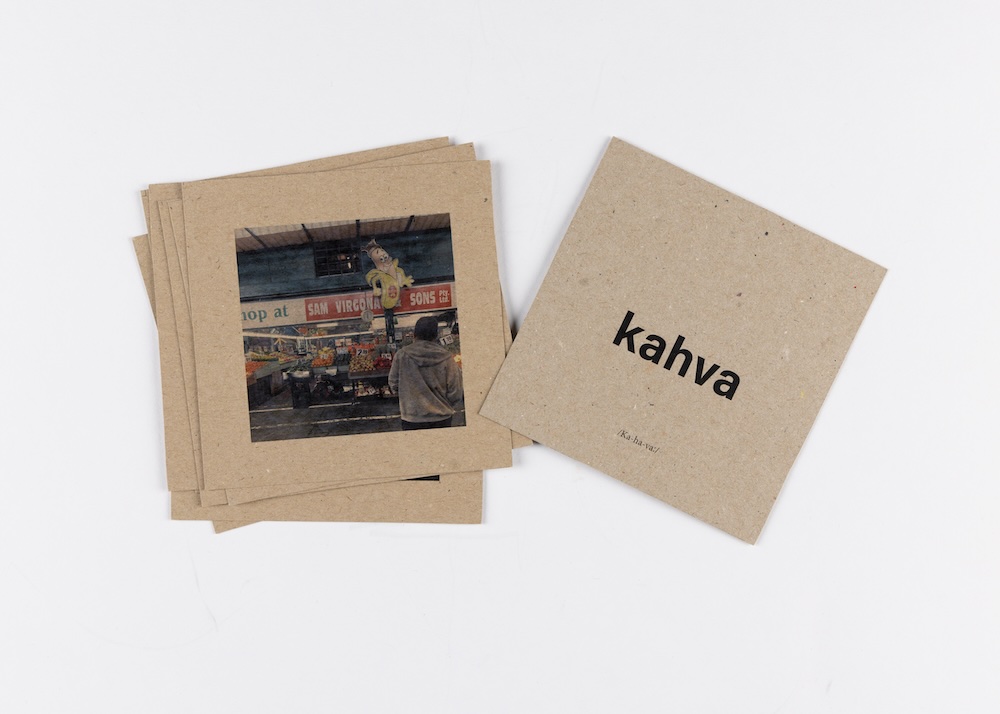
Our Object Based Learning sessions give students access to items from the collection in hands-on workshops led by the Special Collections team.
From handling the selected items, participating in group discussions and learning tasks, students better understand the creative context and functional purpose of these objects. Using original material in an interactive hands-on session also enhances the student learning experience. Students develop analytical and communication skills, formulating opinions based on observable evidence.
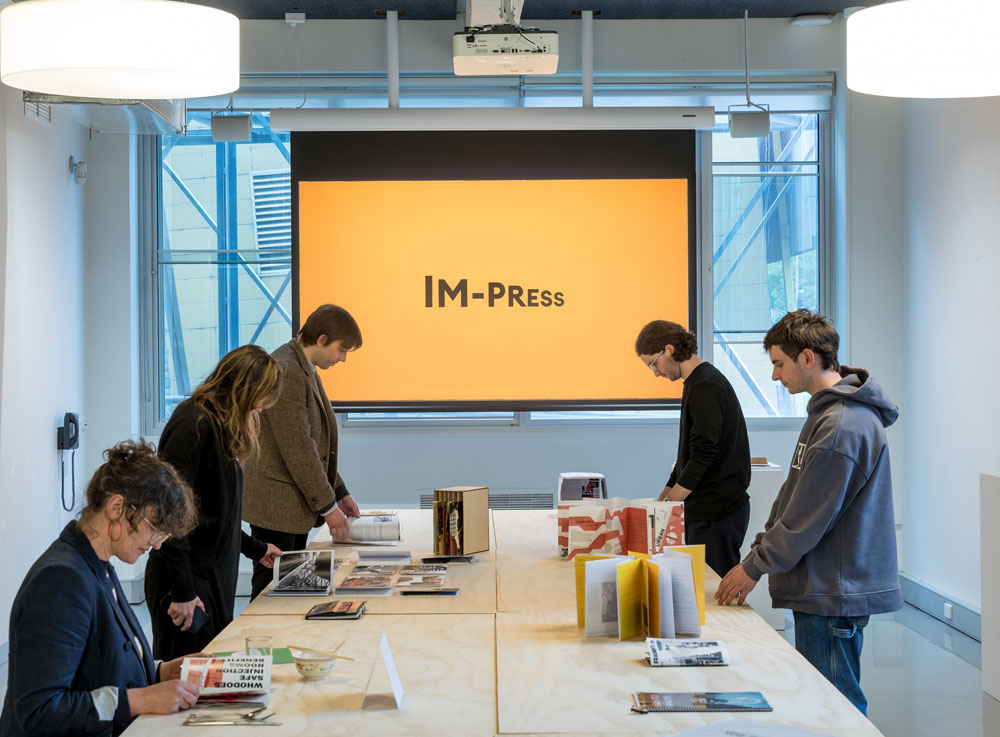
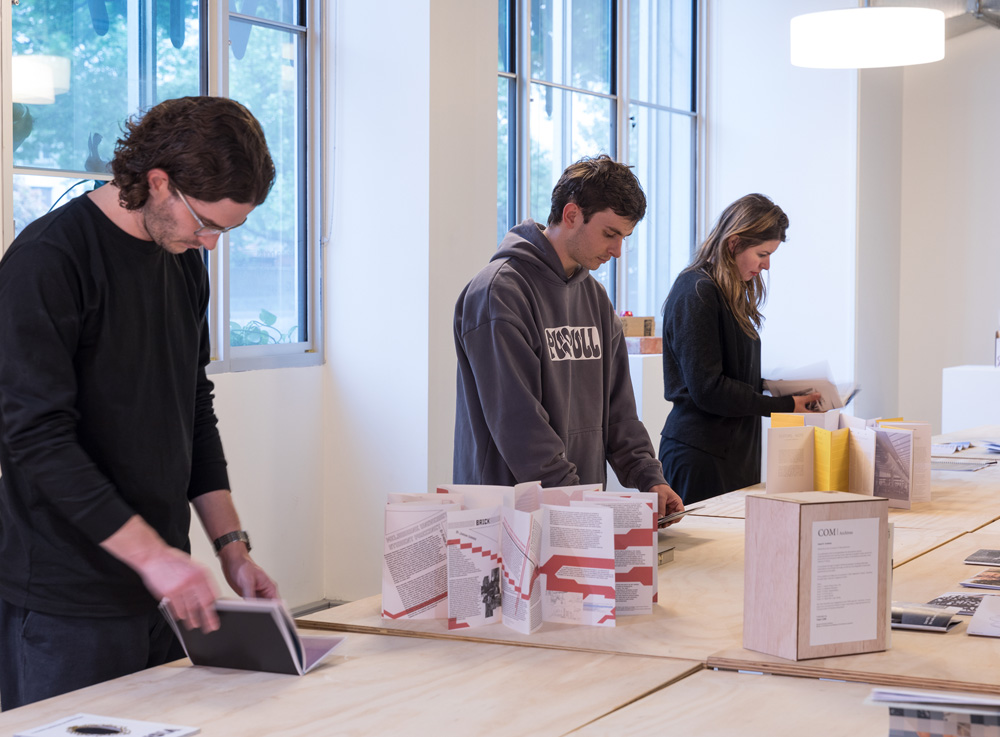
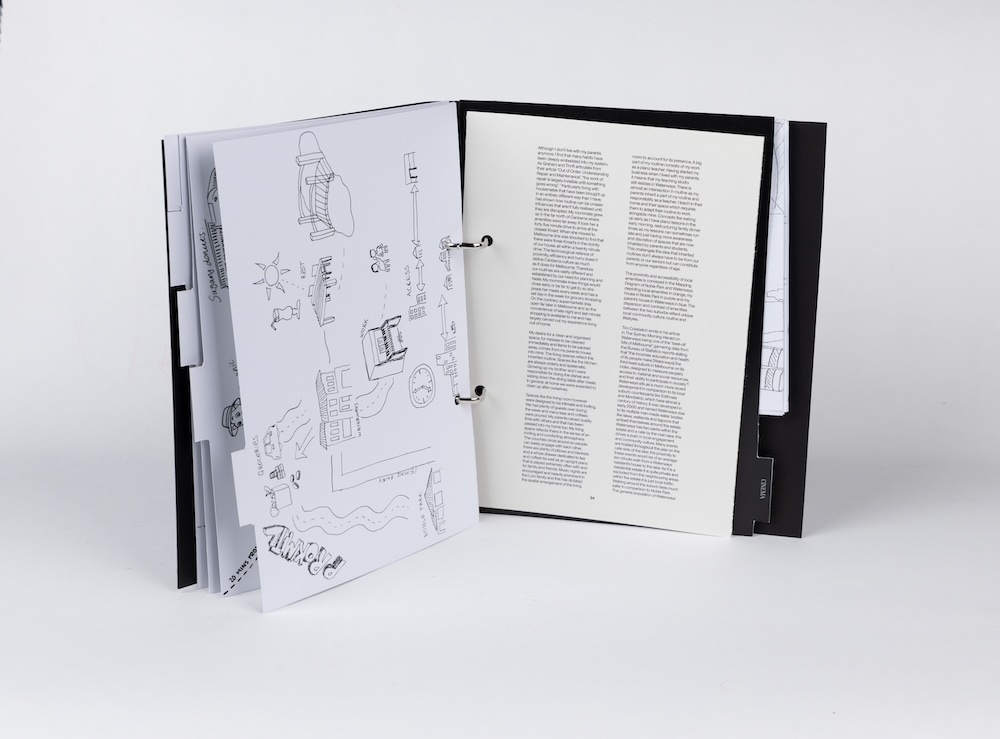
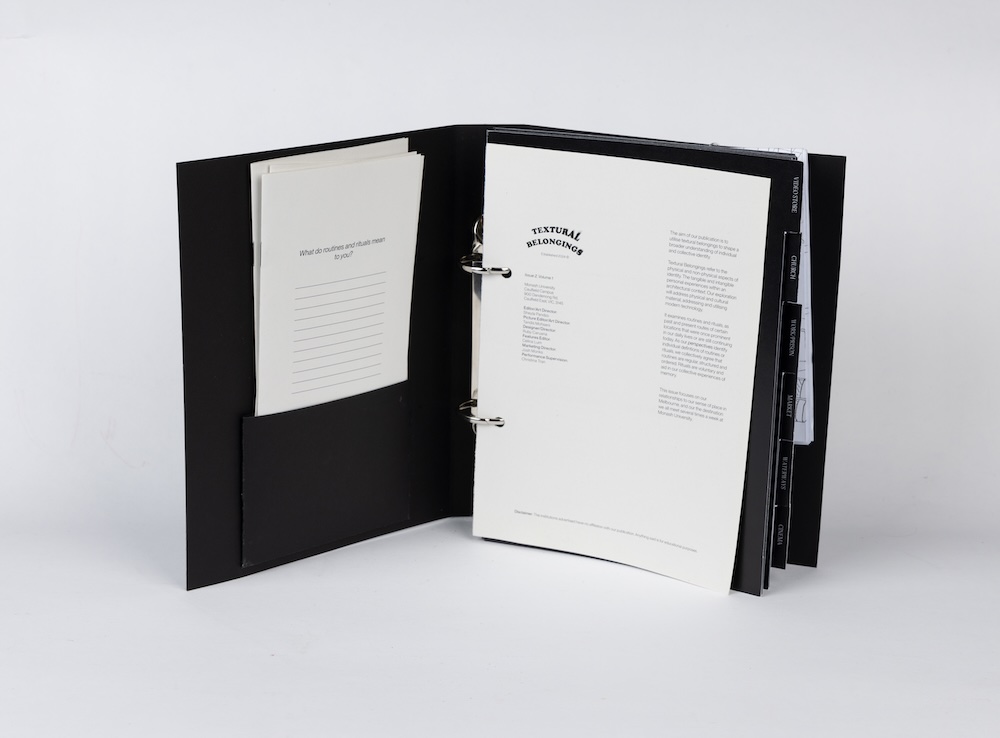
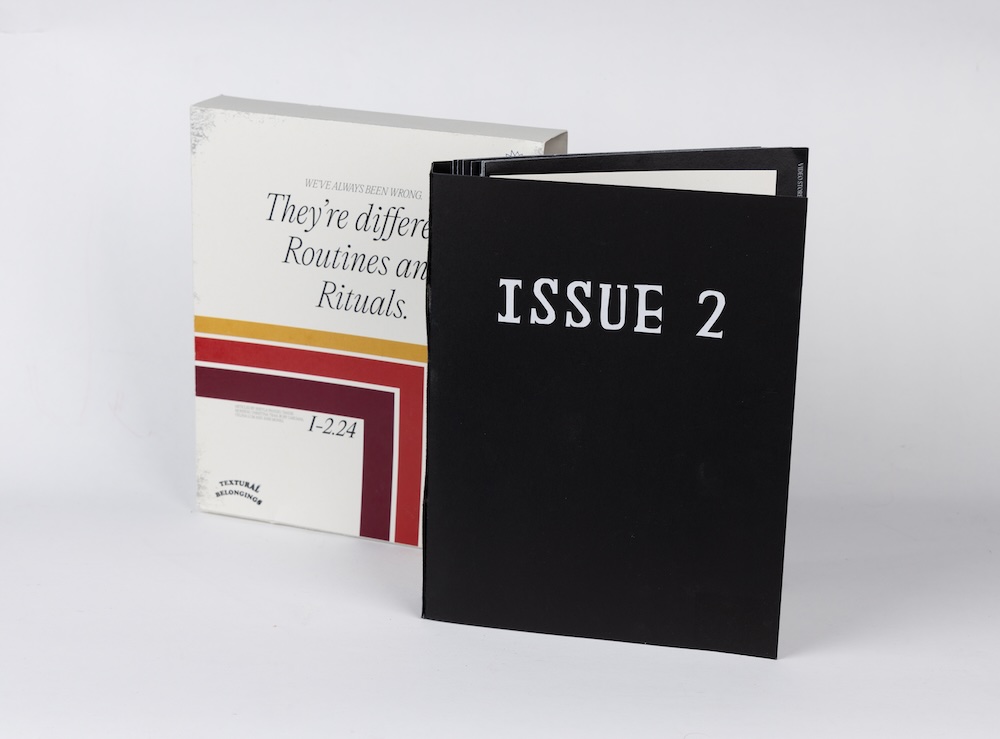
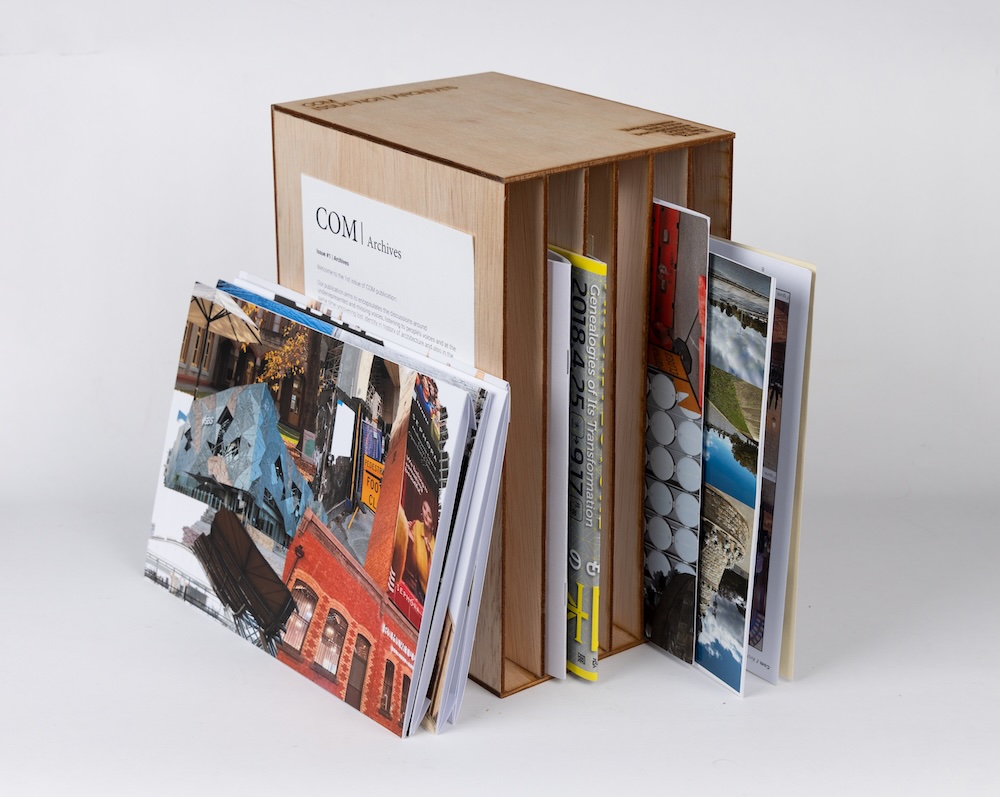
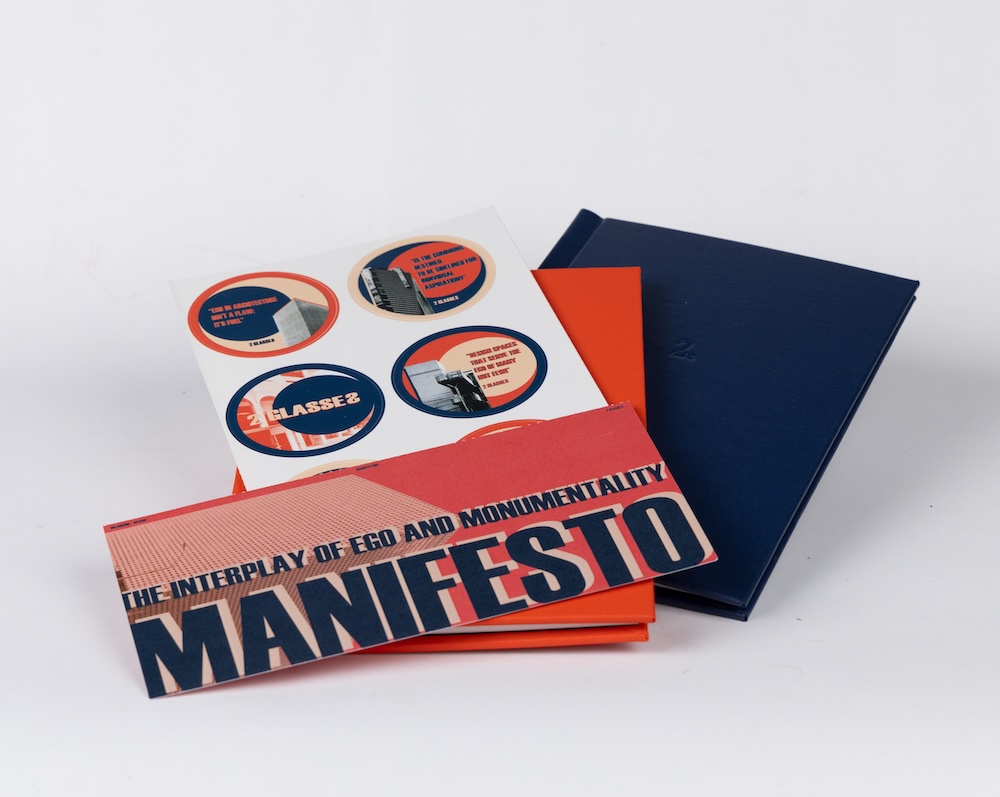
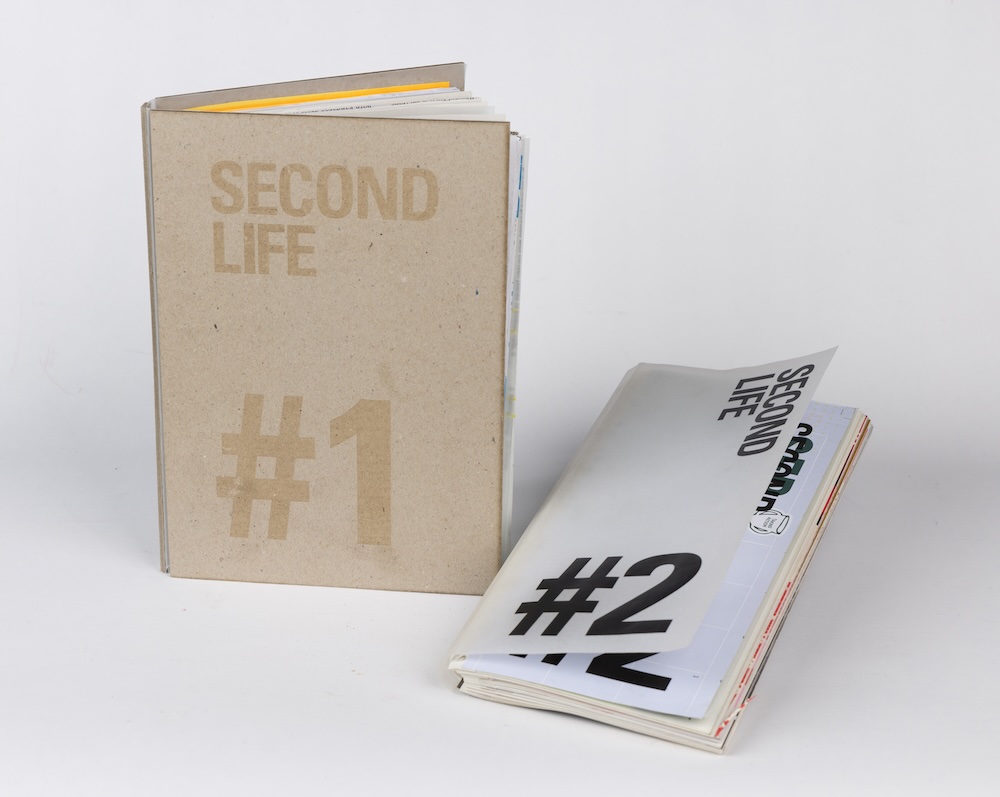
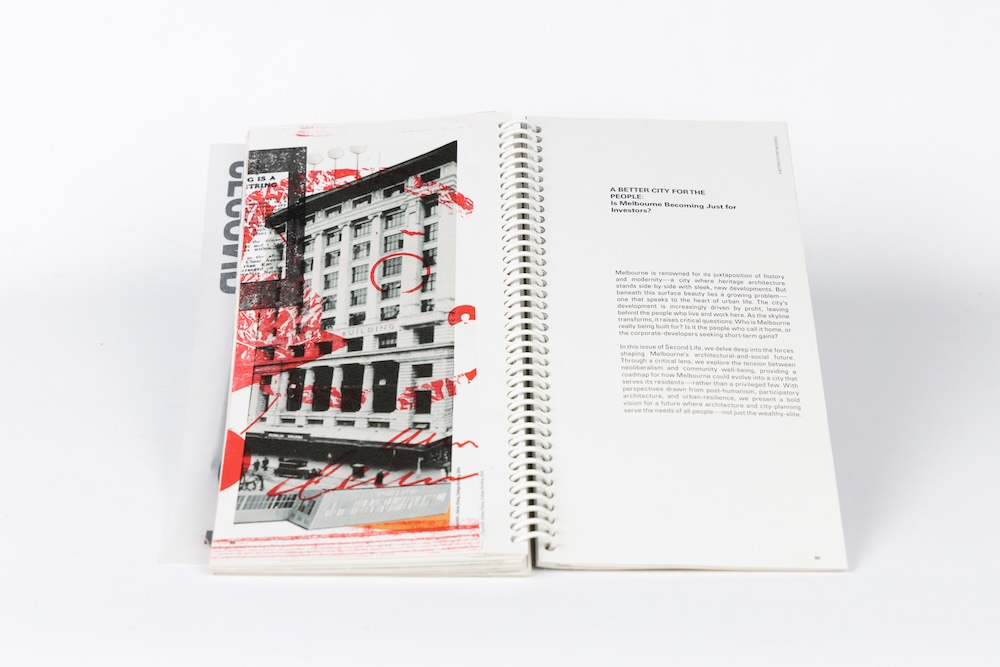
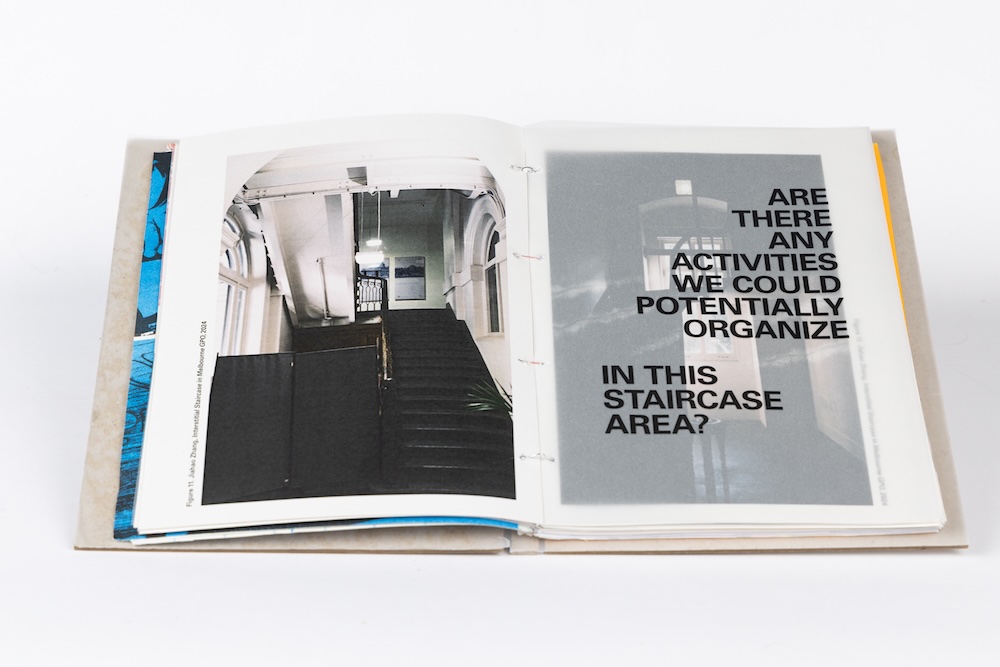
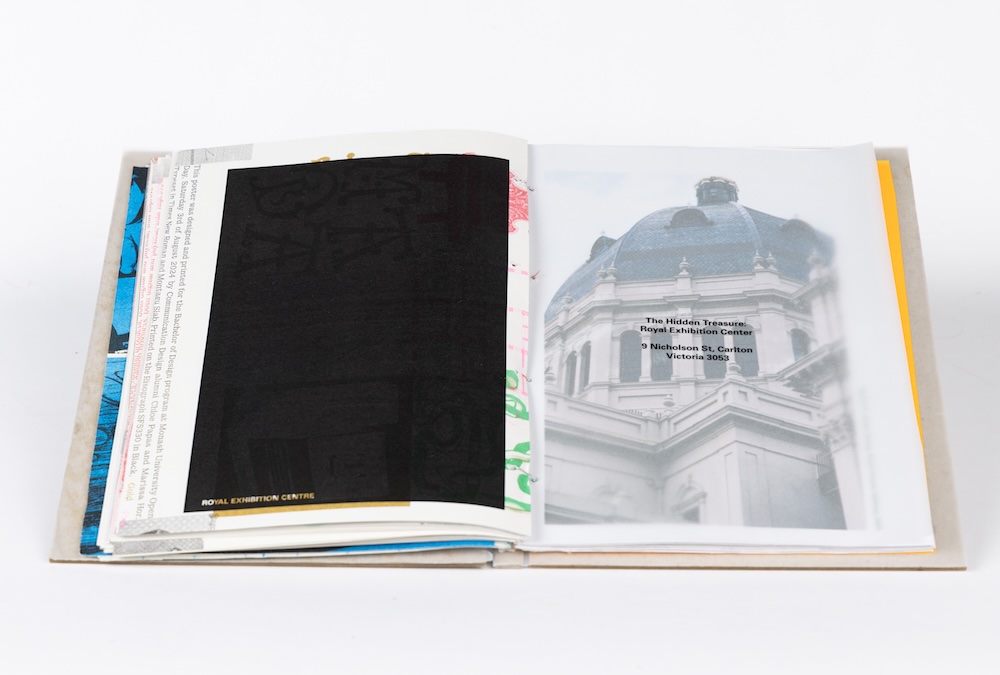
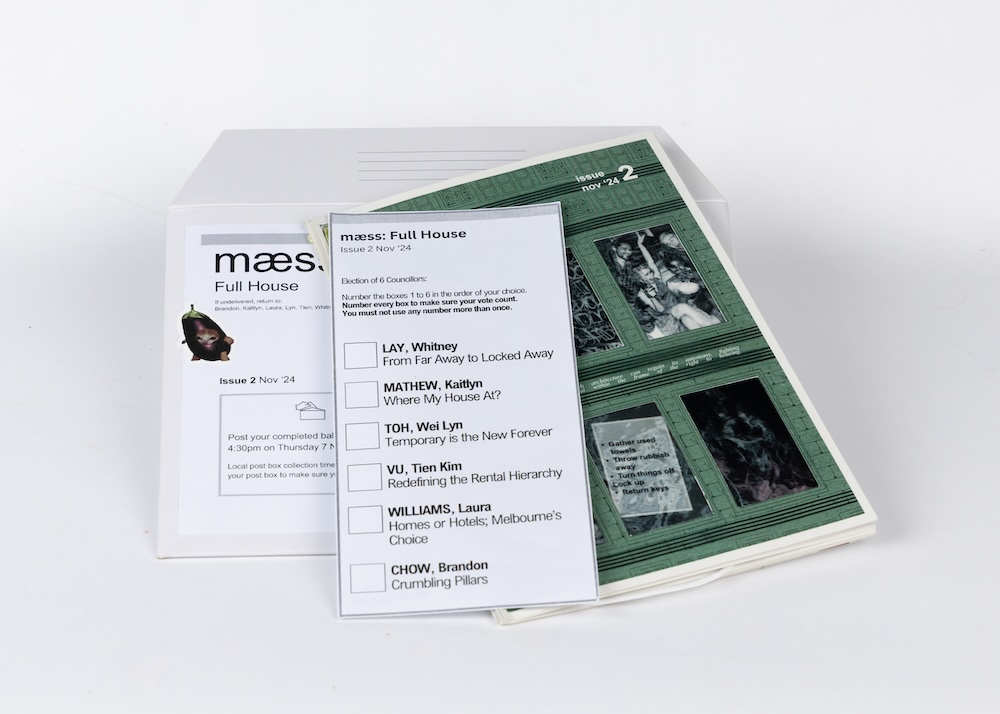
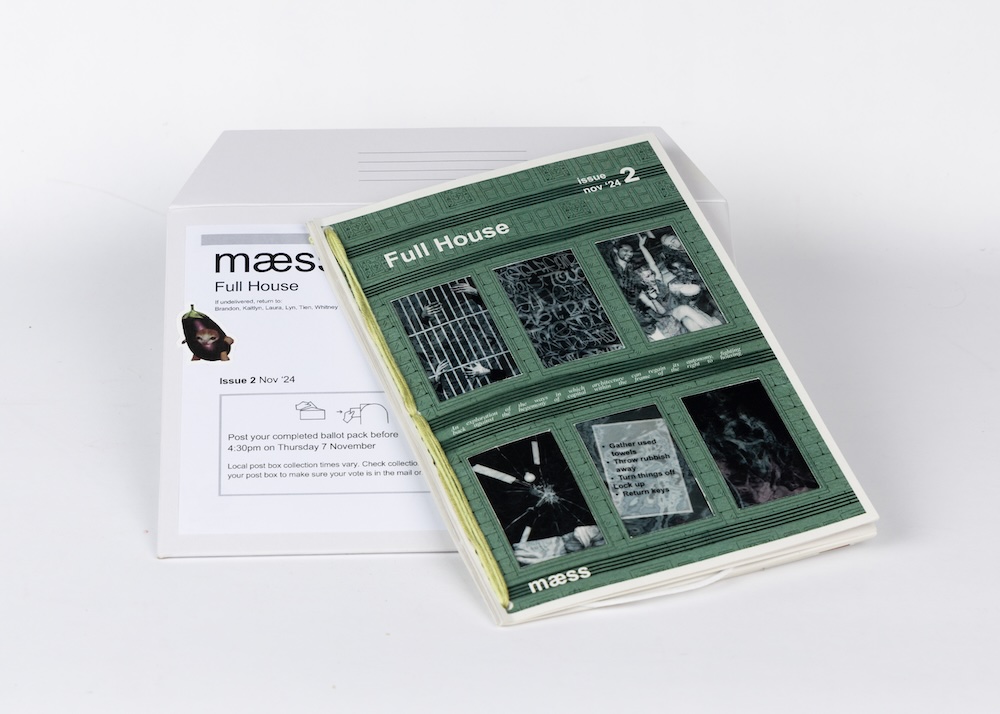
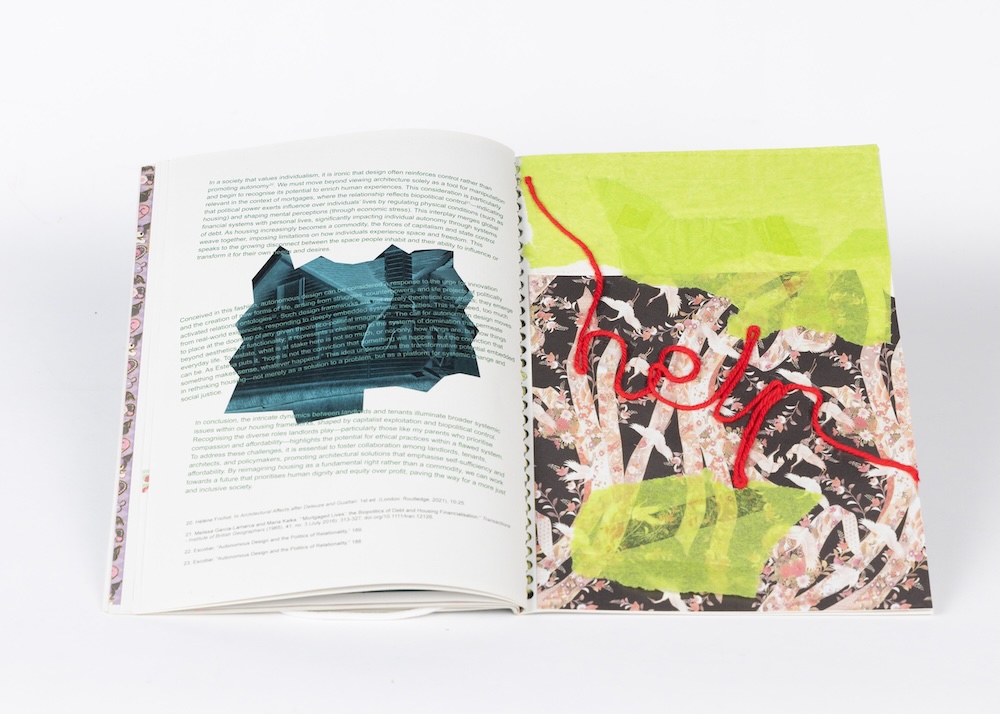
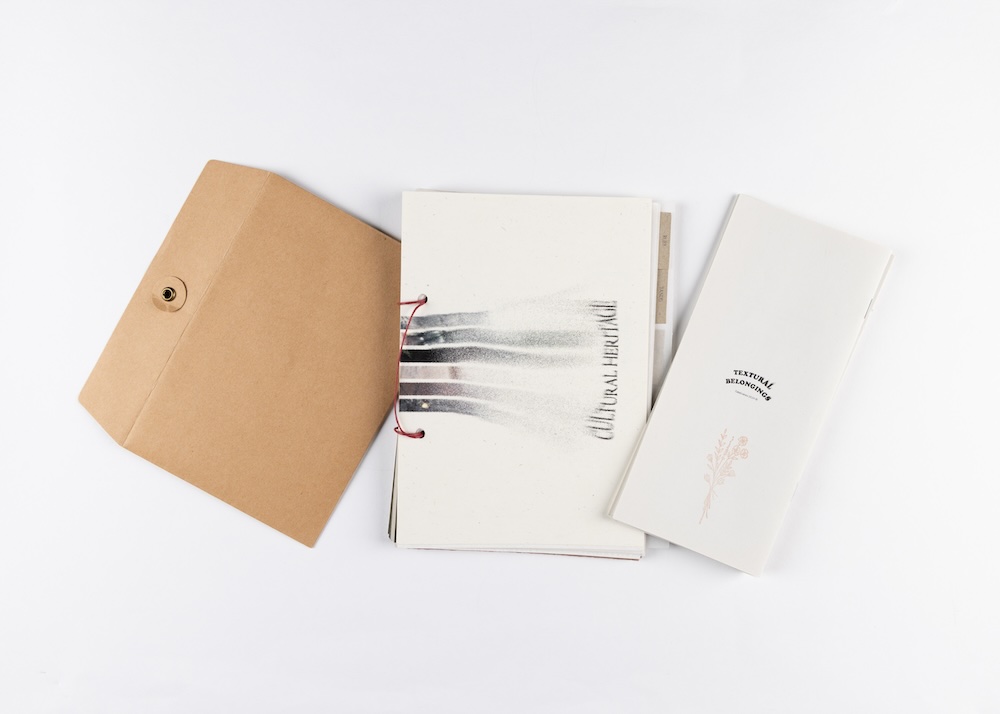
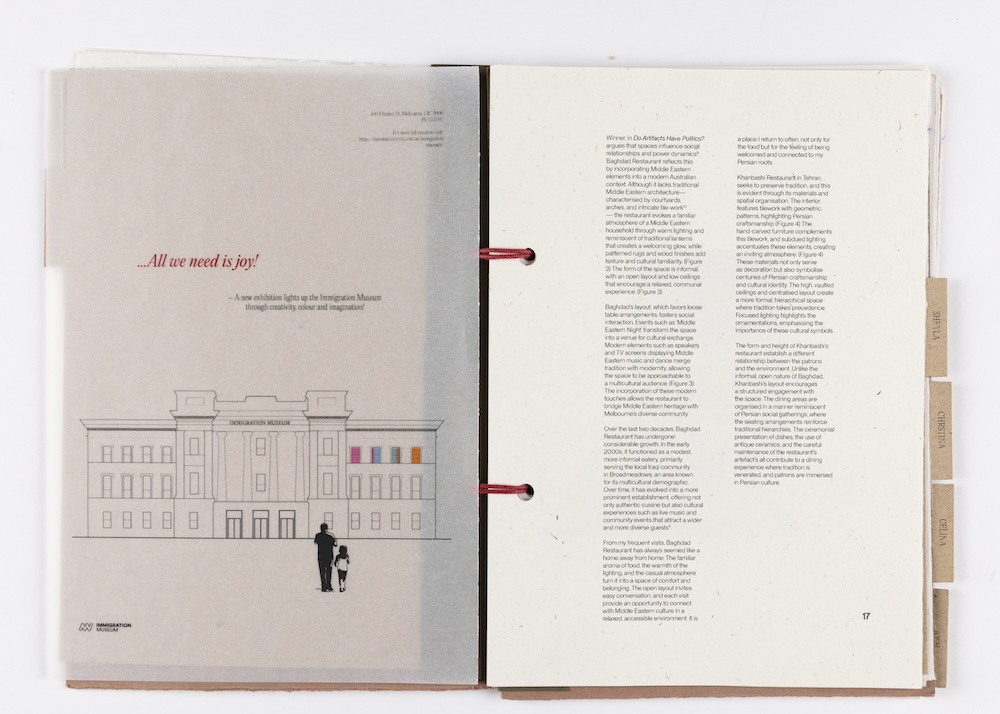
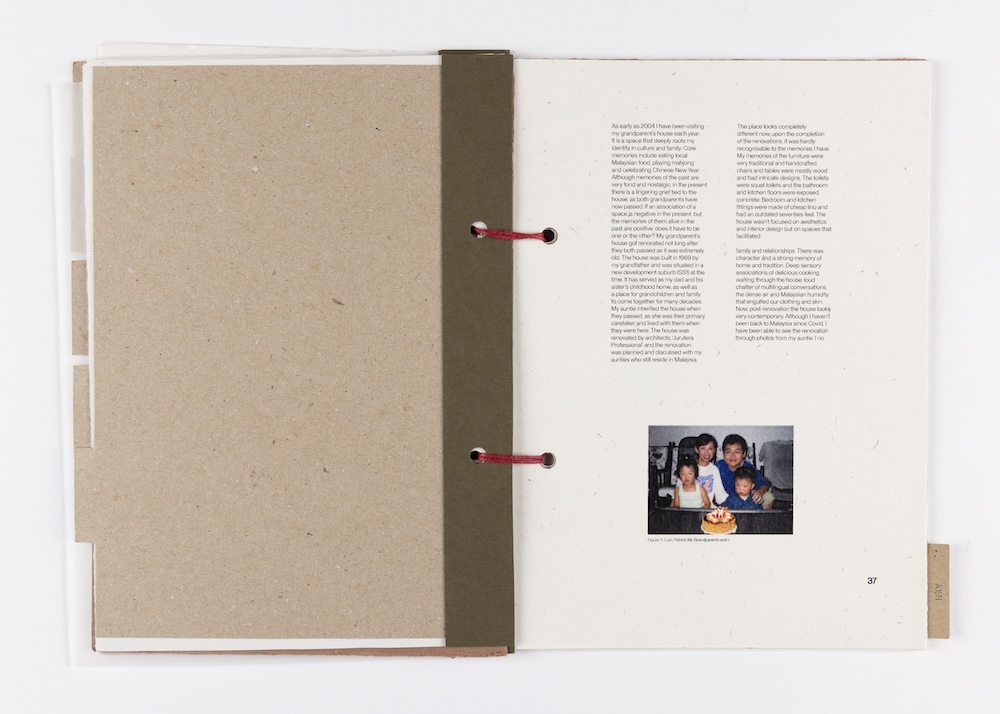
Image source: Impress: Positions and Dialogues in Architecture, presented by Monash University Museum of Art and Architecture, Faculty of Art Design & Architecture, Monash University. Installation view.
Photo: Andrew Curtis.
Learning Outcomes
Positions & Dialogues in Architecture is an architectural history and theory unit for third year Bachelor of Architectural Design students. This subject focuses on co-research and collaborative writing to communicate architectural ideas for a broader audience, where students work in groups to develop a series of publications around specific topics.
The architecture students participated in Object Based Learning sessions with artists’ books from our Special Collections. Handling a variety of three dimensional books, students gain a deeper understanding of unconventional publishing formats, which inspired their own sculptural, design based publications. Through seeing and holding the books, and discussing their features, students gain insight into how the material object is an important design consideration when producing physical formats.