
Student profiles
Find out about some of the Department of Paediatrics student experiences and pathways from their profiles below.
Sara di Simone | Kirsten Furley | Elys Green | Okkes Patoglu | Abdul Razak | Samuel Robinson | Lindsay Zhou
Sara di Simone

Project: Culturing the Respiratory Bacteria Isolated from Intubated Neonates
Supervisors: Prof Marcel Nold, Dr Samuel Forster, A/Prof Claudia Nold and Dr Jane Bourke.
Experience in the Department: In 2020 my honours project was centred around the ‘GLAM & I’ clinical study. ‘GLAM & I’ aims to investigate what microbes colonise the gut and lung and examine the interplay between our microbiome and immune system. During my honour’s year, ‘GLAM & I’ was in its pilot phase and my project aimed to optimise the culturing conditions required to grow the respiratory bacteria. During my honour’s year, I was blessed with to have the opportunity to obtain precious samples from neonatal ICU at Monash Children’s Hospital.
Where am I now? I was so excited and motivated by my project during honours that I chose to continue this project and complete my PhD in 2021. Taking the ‘GLAM & I’ study to full scale, my project longitudinally obtains time-matched respiratory, gut, breastmilk and blood samples from neonatal and paediatric ICU patients to investigate host microbe interactions between the lung and gut microbiomes and the immune system. My hope for my project is to unlock microbiome-based medicines to target and treat disease in these young patients.
Kirsten Furley
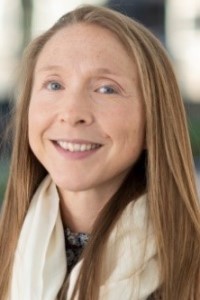
Translational PhD Project: Understanding Skills Loss in Children
Supervisors: Prof Katrina Williams, Prof Michael Fahey, Dr Amanda Brignell
Experience in the Department: I am a Paediatrician at MCH, working in Developmental Paediatrics in the Turner clinic and am part of the Complex Autism Neurodevelopmental Team led by Prof Katrina Williams. My PhD program aims to improve care for children with skills loss, also referred to as developmental regression, and their families through earlier recognition, greater understanding of the variable presentations and conditions that can feature developmental regression, and evidence informed recommendations for investigations. The first project aims to reach a consensus in how to define and measure developmental regression. An agreement will set the stage for greater research collaboration and improve clinical consistency in care. Best practice investigations will be assessed through a systematic review of the diagnostic yield of investigations, followed by a delphi procedure to seek expert opinion. This work will inform future guideline development. Two cohort studies will deeply phenotype children with developmental regression, the first a study of autistic children uses a breadth of measures including quality of life and stress for caregivers, and includes analysis of home videos of children's development; the second is a genetic cohort study that reports the clinical and genetic diagnosis of children presenting with developmental regression that will highlight the increasing use of genomics, and resulting new or rarely reported genetic conditions that feature developmental regression.
Elys Green
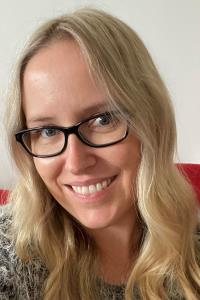
Translational PhD Project: Is giving Anakinra to preterm infants safe?
Supervisors: Prof Marcel Nold, Prof Rod Hunt, Dr Rob Galinsky, Dr Steven Cho
Experience in the Department: I am a clinical neonatal fellow at Monash Newborn, undertaking a translational PhD project with the Department of Paediatrics and the Nold lab group at the Ritchie Centre: conducting a phase I/II safety trial for the use of anakinra in preterm infants to reduce the risks for the complications of prematurity. Over 1000 infants in Australia are born extremely premature each year, which has associated risks for long-term complications including chronic lung disease and cerebral palsy, which have a common underlying pathophysiology of inflammation. My PhD project is focused on investigating the use of anakinra, an IL-1Ra analogue, as a treatment to reduce inflammation in the first weeks of life in infants born extremely premature. This builds on previous pre-clinical evidence produced by the Nold and Galinsky labs, as well as conducting a pharmakokinetic analysis for anakinra in infants born extremely premature.
Okkes Patoglu
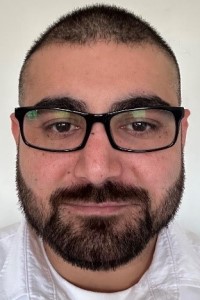
Project: Understanding cardiorespiratory control in children with Prader-Willi syndrome
Supervisors: Prof Rosemary Horne, A/Prof Gillian Nixon and A/Prof Brad Edwards
Experience in the Department: My PhD research is focussed on investigating the control of breathing and heart rate during sleep in children with Prader-Willi syndrome (PWS). This is particularly crucial for children PWS, who exhibit an increased susceptibility to sleep-related breathing disorders and cardiovascular complications. Impaired cardiorespiratory control can have profound and long-lasting effects which extends into adulthood. Dysfunction in the hypothalamic-pituitary axis in these children results in significantly reduced growth hormone (GH) secretion in some cases. As GH plays a pivotal role, especially during childhood, GH therapy is commonly administered as part of their treatment regimen. However, GH therapy has been associated with the development of breathing disorders, while also exhibiting potential benefits in improving arterial oxygenation during sleep. The existing literature on cardiorespiratory control in children with PWS remains limited. As such, improving our understanding of the underlying mechanisms contributing to sleep-related breathing disorders and cardiorespiratory control has the potential to enhance their quality of life and enable more effective detection and management of these consequential conditions.
Abdul Razak

Project: Investigating cord blood cell therapies for perinatal brain injury
Supervisors: A/Prof Atul Malhotra, Prof Suzie Miller, Dr Courtney McDonald, Prof Rod Hunt
Experience in the Department: I am an accomplished neonatologist and have received basic medical training from Rajiv Gandhi University of Health Sciences, India, and neonatal training from McMaster University, Canada. I have dedicated my career to enhancing respiratory and neurological outcomes in infants. I am currently exploring the role of cell therapies in improving outcomes of newborn infants with perinatal brain injury. Particularly, I am looking at the safety and feasibility of allogeneic cord blood-derived cell therapy in preterm infants with severe brain injury (ALLO Trial) and the safety and feasibility of autologous umbilical cord-derived cell administration following antenatally diagnosed fetal stroke (STELLAR trial). In addition, I am also exploring the neuroprotective effects of expanded umbilical cord blood cells in a fetal sheep model of preterm brain injury. So far, I have been fortunate to contribute significantly to the scientific community with an impressive publication record, including 69 papers and 9 book chapters. Further, with an excellent supervisor team, I continue to strive harder and aim to make a lasting impact on the field of neonatology and contribute to the betterment of neonatal care worldwide.
Samuel Robinson

Project: Simulation-based education for healthcare workers in the Pacific Islands
Supervisors: A/Prof Ram Nataraja, Prof Debra Nestel, Dr Elizabeth McLeod
Experience in the Department: I completed my BMedSc(Hons) in the Department of Paediatrics and made the decision to move into the MD-PhD pathway. The supportive environment provided by my supervisors and the Department was a significant factor which contributed to me making this choice.
I am investigating the use of simulation-based education in the Pacific Islands. Simulation-based education is an educational technique which involves replicating a clinical setting to train skills in a controlled environment, prior to patient contact. The research I conducted in my Honours degree highlighted that clinicians in the Pacific Islands have limited access to this form of education, despite significant interest. My research focuses on how simulation-based education can be used to improve clinician competency and patient safety in this setting.
With my PhD, I hope to contribute to a better understanding of how medical education can build capacity and competency of health systems in low-resource settings, knowledge which could then be applied in various settings to improve health outcomes to patients.
Lindsay Zhou

Project: Investigating umbilical cord blood derived stem cells for therapeutic use in preterm brain injury.
Supervisors: Prof Suzie Miller, A/Prof Atul Malhotra, Dr Courtney McDonald, Dr Tamara Yawno
Experience in the Department: I am a neonatologist at Monash Newborn, undertaking a translational PhD project with the Department of Paediatrics and the Miller-Allison lab group at the Ritchie Centre: investigating umbilical cord blood-derived cell therapy for preterm brain injury.
Every year in Australia more than 1000 infants are born extremely prematurely; this comes with risks such intraventricular haemorrhage and inflammatory brain injury, leading to long term developmental disabilities such as cerebral palsy. There are no known treatments or cures for these conditions. As such, my PhD project is focusing on investigating the use of umbilical cord blood-derived stem cells as a treatment for preterm babies at risk of brain injury, building upon previous pre-clinical evidence produced by the Miller-Allison group in animal models.
My PhD project has clinical and laboratory components. The clinical study is a phase 1 trial of autologous cord blood-derived stem cell administration in extremely preterm infants, and is actively recruiting. The lab components of his project are investigating the characteristics of extremely preterm cord blood cells, expansion of these cells, and the neuroprotective effects of expanded cord blood stem cells on a fetal sheep model of preterm brain injury.
Guy Dyskin | Nushrika Kadam Kishore | Joshua Lim | Srikar Vallabhapurapu
Guy Dyskin
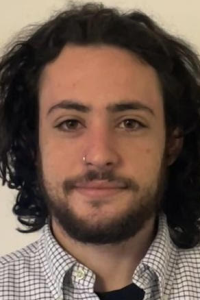
Degree: Biomedical Science Honours
Project: Simple tools to improve management of children having Adenotonsillectomy for sleep disordered breathing.
Supervisors: A/Prof Gillian Nixon, Prof Rosemary Horne
Experience in the department: For many children with obstructive sleep apnoea, the first line of treatment is adenotonsillectomy (AT). While significant complications are rare, postoperative respiratory adverse events (PRAEs) are a key concern, especially for children undergoing surgery in a setting without emergency care facilities. My project aims to create a risk prediction model for PRAEs in children following AT, using a range of clinical and questionnaire variables.
I was interested in this project as it allowed me to develop key research skills, while contributing to the management of children’s care. I chose to work in the sleep group as the research being conducted in the group has significant impacts in the understanding and treatment of children’s sleep. Studying in the Department of Paediatrics has allowed me to work in an immersive research environment. Overall, I have found my honours year incredibly engaging, and I’ve found the experience very rewarding.
Nushrika Kadam Kishore
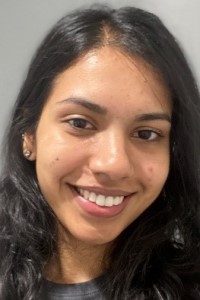
Degree: Biomedical Science Honours
Project: Sleep spindles in children with excessive daytime sleepiness.
Supervisors: Prof Rosemary Horne, Dr Lisa Walter
Experience in the department: Sleep spindles are brain waveforms that are characteristic of stage 2 non-rapid eye movement sleep. Previous research in adults with disorders of excessive daytime sleepiness (EDS) such as narcolepsy and idiopathic hypersomnia have shown a greater number of sleep spindles during nocturnal sleep. However, no studies have examined the relationship between sleep spindle activity and the disorders of EDS in children yet. This research aims to improve the diagnosis process for children with disorders of EDS as well as enhance our understanding of such disorders in the paediatric population.
My interest in sleep and sleep disorders arose in my third year of Biomedical science where I contributed to a systematic review on potential treatments for insomnia. Coupled with my passion for paediatric care and research, the Sleep Group within the Department of Paediatrics was the perfect place for me to expand my knowledge and challenge myself. Thus far, my experience has been immensely fulfilling as it has enhanced my understanding of sleep disorders and their impact on the paediatric population as well as helped to develop lifelong research skills. Being a part of such a supportive and friendly department has been a great positive to my honours year!
Joshua Lim
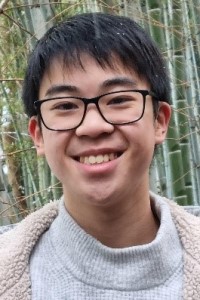
Degree: Biomedical Science Honours
Project: Actigraphy in children and adolescents with narcolepsy and idiopathic hypersomnia
Supervisors: A/Prof Gillian Nixon, Prof Rosemary Horne
Experience in the department: Excessive daytime sleepiness (EDS) is a common symptom in adolescents that may be caused by behavioural sleeping patterns or more severe underlying sleep disorders. Current diagnostic sleep studies, while highly accurate, are resource-intensive and have limited availability. Our research focuses on using simple actigraphic tools to distinguish adolescents with narcolepsy and idiopathic hypersomnia, with an aim to improve the allocation of diagnostic resources and to accelerate the diagnoses of adolescents who need it most.Sleep is a fascinating and understated part of the human experience and we often do not notice the value of sleep until we lose it. I joined the Department of Paediatrics with a hope to improve the way we treat children with sleep disorders and to deepen my interest in sleep research. Along the way, I have been supported by fantastic mentors, colleagues and friends who have helped develop my research capabilities and understanding of the field. Honours has provided me a wonderful opportunity to experience what can rarely be found elsewhere and to contribute meaningfully to paediatric sleep research.
Srikar Vallabhapurapu
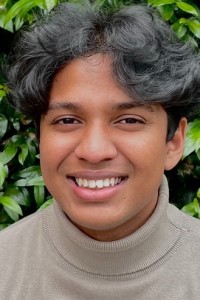
Degree: Biomedical Science Honours
Project: The BabyFace Project: The effect of preterm birth on facial perception and the response to masked faces using functional NIRS (near-infrared spectroscopy)
Supervisors: A/Prof Flora Wong, Dr Robin Laycock
Experience in the department: Infants possess the ability to recognise faces, a vital skill for social interaction from the moment of birth. My research investigates this innate ability and further explores how it is impacted in extremely preterm infants to term infants at post-term equivalent age. These preterm infants are at increased risk of neurodevelopmental disabilities and socio-cognitive challenges which can impact them in later schooling life. There are studies looking at early face recognition development in the brain with MRI but functional MRI studies in infants are impractical, requiring swaddling or sedation. This is why functional NIRS remains a better option to study the brain haemodynamic response to social visual stimuli. This research is vital within my discipline of neonatal health in indicating the importance of early neurodevelopmental monitoring and intervention for preterm infants in order to mitigate the risks of long-term socio-cognitive dysfunctions that develop in infancy and childhood.
Thus far, my experience in my Honours year, within the Department of Paediatrics has been eye-opening in understanding the development of infants and particularly preterm birth. I have gained a strong foundation in scientific methodology and critical thinking. Ultimately, the support I have received has contributed to my professional development and has made this experience incredibly fulfilling.
Steven Cho | Dr Lauren Nisbet | Merrin Pang | Rana Sawires | Leon Siriwardhana | Holly Ung | Alicia Yee
Steven Cho

Project: Anti-inflammatory strategies towards necrotising enterocolitis.
Supervisors: A/Prof Claudia Nold and Prof Marcel Nold
Experience in the Department: I completed my PhD in 2017, focusing on novel anti-inflammatory strategies for a rare but often deadly neonatal gut disease named necrotising enterocolitis. From formula feeding mice pups by hand to processing human blood samples, my research allowed for me to see several different aspects of where science might take you….even when that might be processing frozen baby stools to study the changes to microbial species in the gut!
Where am I now? Having completed my PhD, my exposure to other projects in my lab involving big data led me to pursue further training in data science and experience data science consulting work. These experiences and the knowledge I gained from my PhD leveraged my next position as an Assistant Professor at Hokkaido University in Japan where I worked on bioinformatics analyses of cancer datasets as well as the more recent big data arising from COVID-19 research. Currently I am applying my skillset towards new challenges, to deepen our understanding of the links between immature immunity and neonatal disease.
Dr Lauren Nisbet

Project: Sound asleep: Cardiovascular implications of sleep disordered breathing in preschool children.
Supervisors: Prof Rosemary Horne, Dr Lisa Walter and Dr Stephanie Yiallourou
Experience in the Department: I completed my PhD in 2013 and was the third student to take part in the MBBS/PhD initiative at Monash University, which offers medical students the skills to become clinician-scientists. During my PhD candidature I had the opportunity to present my research nationally and internationally and to visit a number research laboratories in the USA and present my data to the top experts in the field of paediatric sleep disordered breathing. One highlight of my candidature was an invitation to spend 10 weeks at the University of Michigan investigating sleep apnoea in children with Down syndrome. Two first author publications were produced from this experience. My research won several awards including the New Investigator Award at the Australasian Sleep Association Annual Scientific Meeting, the Heart Foundation of Australia Travel Award and the American Thoracic Society International Trainee Travel Award. In 2015 I won the World Association of Sleep Medicine Elio Lugaresi Award for Education at the World Congress of Sleep Medicine in Seoul, Korea. This award is given to an early career researcher for the best original young investigator paper published in Sleep Medicine.
Where am I now? Since graduating I have published in multiple highly-regarded journals including Archives of Disease in Childhood, whilst working in clinical medicine. I am currently dual training to be a general paediatrician and sleep physician and plan to combine both research and clinical practice in my future career.
Merrin Pang

Project: Neo ICog: Understanding the gears that drive neonatal immunity.
Supervisors: A/Prof Claudia Nold, Prof Marcel Nold and Dr Sarah Jones
Since completing my PhD I have been working at the Royal Children’s Hospital in Paediatric Oncology as the primary clinical research associate for a multi-centre clinical trial sponsored by St Jude Children’s Research Hospital. This clinical trial is focussed on improving the outcomes and event free survival for children with acute lymphoblastic leukaemia (ALL), the most common form of childhood cancer, without reducing the cure rate. St Jude Children’s Research Hospital is a global leader in paediatric oncology care, pioneering many of the worlds leading clinical trials. Most recently I was fortunate enough to travel to Memphis, Tennessee to experience first hand some of the amazing work that St Jude’s is doing. In my current role I have been utilising some of the skills I developed throughout my PhD particularly those involving study coordination.
Rana Sawires
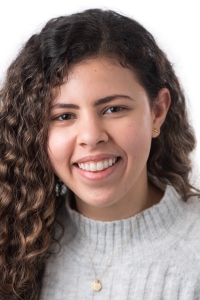
Project: Snotwatch: When Data go Viral
Supervisors: Prof Jim Buttery, Prof Michael Fahey, A/Prof Hazel Clothier
Experience in the Department: I completed my PhD in 2023, having pioneered a novel ecological platform, Snotwatch. This platform is designed to identify spatiotemporal associations between various respiratory viruses and paediatric illnesses, with the aim of translating the model into near-real time data analysis for informing public health and clinical practice. Through Snotwatch, I conducted extensive research that led to five published papers covering a range of diseases, including asthma, Kawasaki disease, and febrile seizures. The project garnered significant recognition, earning numerous conference presentations and awards for its innovative approach and impactful findings.
Where I am now: I am currently in my first year of clinical practice as a junior doctor at St. Vincent’s Hospital Melbourne. I am dedicated to advancing my career in paediatrics, with a particular interest in specialising in paediatric infectious diseases and hope to commence my training in coming years. My experiences with Snotwatch have solidified my commitment to improving child health through research and clinical practice.
Leon Siriwardhana
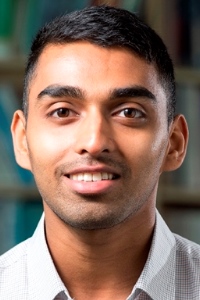
Project: Ventilatory control instability and paediatric sleep disordered breathing: Novel insights from assessment across infancy and childhood.
Supervisor: Prof Rosemary Horne and A/Prof Bradley Edwards
Experience in the Department: As a medical student, I completed my honours year at the Department of Paediatrics. Having had the opportunity to work with and learn from leading experts in the field of Paediatric Respiratory and Sleep Medicine, I was inspired to continue my research and undertake the MD/PhD pathway offered by Monash University.
Infants and children spend the majority of their time asleep as they undergo rapid growth and development. Common sleep disorders such as sleep disordered breathing can negatively impact the developing brain and other body systems and as such requires timely detection and management. Currently, the management of sleep disordered breathing in children focuses only on the compromised upper airway anatomy, which while effective, does not always lead to cure. My research explores other potential contributory mechanisms to sleep disordered breathing in children, particularly unstable ventilatory control. We are also interested in gaining a better understanding of the early postnatal development of ventilatory control and how this might relate to unstable breathing patterns commonly seen in infants. Through this work, we are ultimately aiming to improve detection of potentially dangerous breathing patterns in infants and to develop more targeted, individualised treatment options for children with sleep disordered breathing.
Where am I now? Following the completion of my PhD, I have returned to clinical medicine and currently working as a junior doctor at a metropolitan hospital in Melbourne. While I am currently focussed on gaining clinical experience and embarking on specialist training, I have continued to collaborate with the Department of Paediatrics in ongoing research endeavours. I plan to combine my strong foundation in research and clinical experience to pursue a career as a clinician scientist.
Holly Ung

Project: Investigating the Extra- and Intracellular Signaling Mechanisms of Interleukin 37
Supervisors: A/Prof Claudia Nold, Dr Stefan Kubick, Dr Yu Bo Yang Sun, Dr Steven Cho.
Experience in the Department: I completed my PhD in 2024, investigating the signaling mechanisms of Interleukin 37 which is a potent cytokine of the interleukin 1 family that is involved in major pathways of inflammation and homeostasis. My research characterised the expression of IL-37 receptors among healthy donors and patients with inflammatory disease to identify the cellular targets of IL-37 and assess donor-specific responses to IL-37. My research contributes to the current understanding of IL-37’s intracellular mechanisms of action to support future investigations into IL-37 pathway-based therapeutics that have the potential to treat a wide range of inflammatory conditions.
Throughout my Honours and PhD studies, the Department of Paediatrics and The Ritchie Centre have been wonderful, vibrant and supportive places to learn and work in. The collaborative and translational research environment has given me many opportunities to learn from leading researchers and clinician-scientists and fellow students spanning from basic discovery to translational research.
Where am I now? Since completing my PhD, I have been working as a research associate with the Translational Tissue Engineering Laboratory at The Ritche Centre. In my current role, I am applying my immunology research experience to the Women’s Health theme investigating innovative treatments for pelvic floor disorders such as pelvic organ prolapse.
Alicia Yee
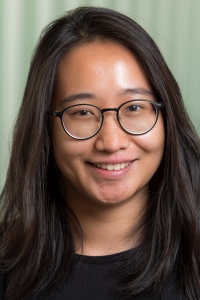
Project: Long-term consequences of respiratory instability on physiological and neurodevelopmental outcomes in preterm infants
Supervisors: Prof Rosemary Horne, A/Prof Flora Wong
Experience in the Department: I completed my PhD with the Department of Paediatrics in 2023, investigating short apnoeas and periodic breathing during sleep in preterm infants. Short apnoeas and periodic breathing are often undetected and untreated in the neonatal unit for being clinically insignificant. However, we found that short apnoeas and periodic breathing are associated with physiological instability such as reduced peripheral and cerebral oxygenation. Furthermore, periodic breathing was associated with poor motor and language outcomes in preterm infants at 6 months corrected age. The studies I have carried out during my PhD have laid the basis for an interventional clinical trial to assess whether identifying and treating infants with increased amount of periodic breathing before hospital discharge could potentially improve neurodevelopmental outcomes in very preterm infants, increasing their quality of life.
Where am I now: I started my PhD hoping to improve the quality of life in infants and children and would like to continue my career in research with this goal in mind. I am continuing my work in paediatrics research as a Research fellow in the Centre for Sleep & Cognition (National University of Singapore) where I investigate sleep and neurodevelopment in infants and children.
Isobel Galloway | Ashleigh Laird | Lauren Tong
Isobel Galloway

Degree: BMedSc Honours
Project: Comparison of management and outcomes in extremely preterm infants between the Monash Children's Hospital NICU (Melbourne Australia) and the John Radcliffe Hospital NICU (Oxford UK).
Supervisors: A/Prof Kenneth Tan and Prof Charles Roehr
Experience in the Department: The survival of extremely premature newborns (<28 weeks) varies significantly within countries and across the world. My project investigates the differences between two neonatal intensive care units (NICUs): one at Monash Children’s Hospital and the other at John Radcliffe Hospital in Oxford, UK. These two NICUs have a significant difference in their mortality rates and we do not yet know why. Specifically, we are looking at the practices surrounding withholding or withdrawal of life support in these infants. This is usually done when the risk of pain and suffering or poor outcome outweighs the potential benefit of treatment. We hope to identify if withholding and withdrawal of life support contributes to differences in mortality.
I chose to do my BMedSc Honours at the Department of Paediatrics for two reasons. Firstly, I am interested in paediatrics as a career and wanted the opportunity to explore this further. I have been able to meet and chat to many of paediatricians connected to the department about clinical work and research. I also chose the Department of Paediatrics because I knew that they have a very strong focus on research and have many fantastic supervisors. We have great facilities and everyone is very friendly. It is a fabulous environment in which to do an Honours year!
Where am I now: Currently, I am working as a junior doctor at the Sunshine Coast University Hospital in Queensland! Since my BMedSc (Hons), I have presented my work at Neonatology conferences including PSANZ Adelaide in 2021, Discussions in Neonatology Avignon, France in 2022 and the European Societies of Paediatrics, Barcelona (online) in 2022.
Ashleigh Laird

Degree: BMedSc Honours
Project: Effects of a Preoperative Carbohydrate Drink on Postoperative Recovery after Day Surgery in Children: A Randomised Double-Blind, Placebo-Controlled Trial (The Sweet Dreams Trial).
Supervisors: Dr Maurizio Pacilli and A/Prof Ram Nataraja
Experience in the Department: I completed my BMedSc Honours in 2019. My trial involved giving children a carbohydrate loaded drink (or a placebo) 2 hours before surgery and assessing the effect it had postoperatively. We particularly focussed on if it would improve their metabolic state, and reduce nausea, vomiting, pain, or length of hospital stay. I coordinated the trial and was involved in all stages including ethics, recruitment, data collection and analysis, presenting at conferences, and writing the manuscript.
I thoroughly enjoyed my honours year. I was given a huge responsibility to recruit 120 children and was able to work in such an incredible team that played a significant part in allowing me to reach our goal. My experience allowed me to learn new many skills, whilst also building on my knowledge of paediatric health.
Where am I now? I chose to do my honours project in the Department of Paediatrics as I hope to pursue a career in Paediatric Health. Children are such joyous, brave and resilient beings, and I love working with them both clinically and non-clinically. This year, I am currently working as an Intern at Monash Health and will be looking to apply to the Paediatric Training Program in the near future.
Lauren Tong

Degree: BMedSc Honours
Project: The utility of ultrasound scans for the diagnostic evaluation of acute appendicitis in children.
Supervisors: Dr Maurizio Pacilli and A/Prof Ram Nataraja.
Experience in the Department: I had the privilege of undertaking my BMedSc Honours year in 2020 with the Department of Paediatric Surgery at Monash Children’s Hospital. Thanks to the incredible support and guidance of my supervisors, I was able to be involved in a number of projects in differing capacities. For example, we set up a prospective pilot study about How Intraoperative pain Predicts Post-operative Outcomes (HIPPO study), by using heart rate variability as a marker of parasympathetic nervous system tone. Unfortunately due to COVID this project was suspended, so instead we retrospectively studied the utility of ultrasound scan for the diagnostic evaluation of acute appendicitis in children.
An honours year is a fantastic opportunity to explore the world of research, have your own project, and learn an abundance of essential skills which provide a strong foundation for the future. I chose to do a project in the Department of Paediatrics as I have a keen interest in the field and knew it provided a supportive environment.
Where am I now? I have returned to 5th year medicine and we are currently in the process of finalising manuscripts for publication and presentations at international conferences, and I would love to continue contributing to the department!