
From heartbreak to hope
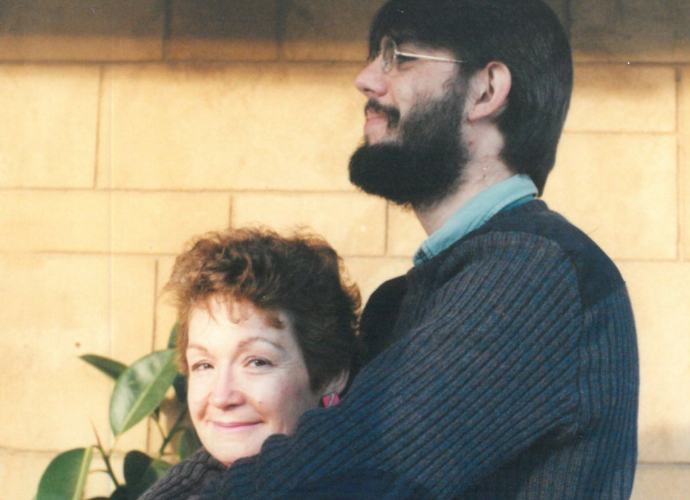
A skilled quilter, a beloved grandmother, a mother of seven, a keen volunteer – Jo Nelligan lived life to the full. “She was a tiny little pocket rocket,” says her daughter Gerri Nelligan. “She was five foot and a half – you have to have the half! She was very into being fit and healthy. She was one of those people who’d walk an extra bus stop for the exercise and, if she had time when she got into the office, she’d walk the 13 flights of stairs instead of catching the lift.”
But 27 years ago, Jo started experiencing debilitating symptoms – unexplained pain, rheumatoid arthritis and movement issues. She had many stints in hospital but doctors could only treat each symptom individually. They had no idea what was causing them. It took five years before a spinal specialist finally pieced them together. Jo was eventually diagnosed with lupus – or, to give it its full name, systemic lupus erythematosus (SLE).
This autoimmune disease causes widespread inflammation and damage to the body’s organs. It presents wildly differently in each person: symptoms can include everything from joint pain to fever to exhaustion. “It’s a bloody awful disease,” says Gerri. “And back then, there was very little by way of diagnosis and treatments. There was no hope.”
New discoveries
Jo died in 2016. After watching her mum suffer, Gerri and her husband, Oliver Portway, were determined to help unlock the secrets of this disease, which affects one in 2,000 Australians. That’s why they’ve each committed a portion of their estate to Monash University’s lupus medical research.
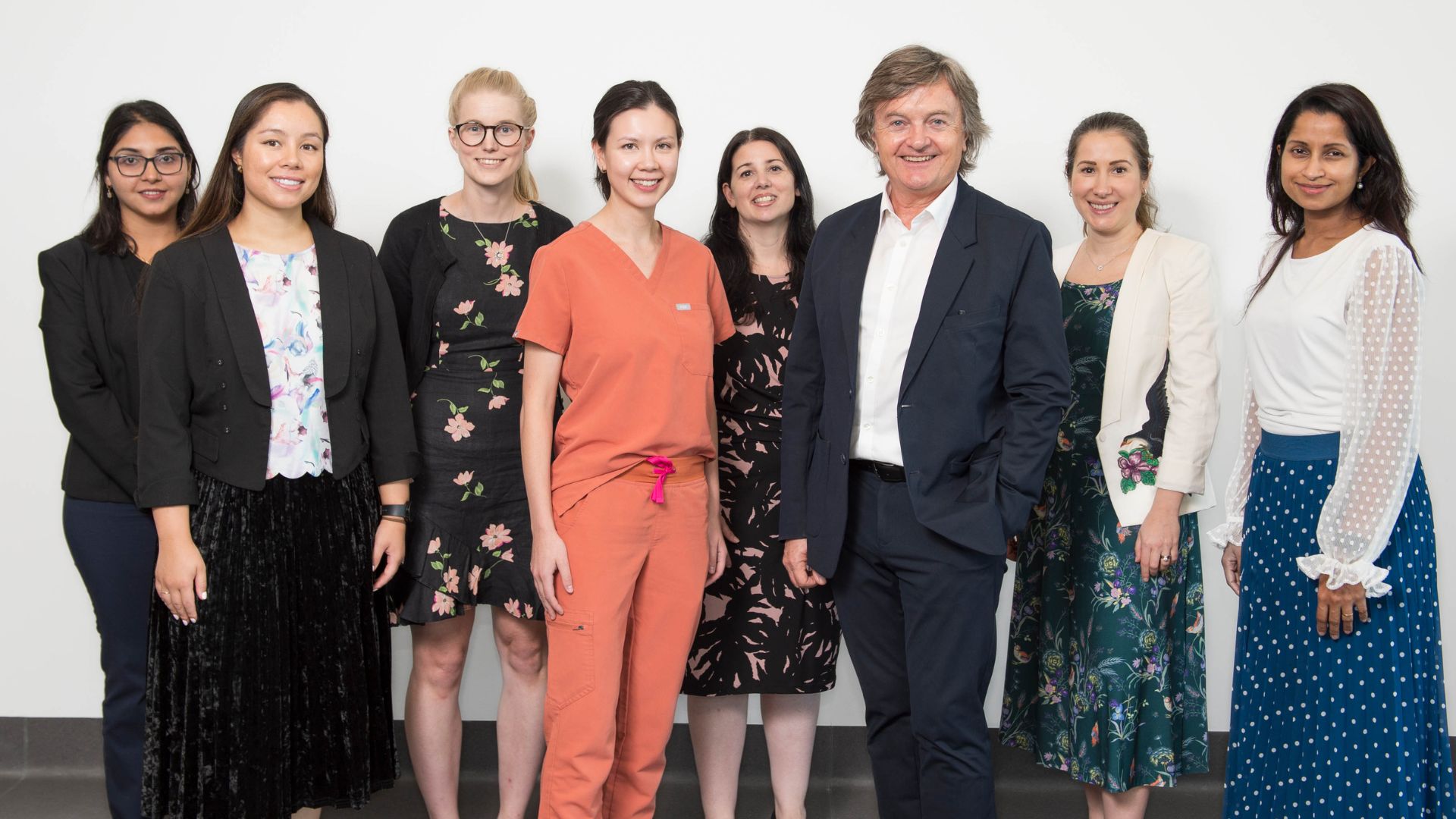
Led by world-leading lupus expert Professor Eric Morand, the dedicated team is focused on the issues that have, to date, made outcomes so poor for those with lupus. His team recently made a major new discovery: they can now take genetic information from a healthy person without autoimmune disease, put that genetic code into the cells of a lupus patient and switch off the autoimmune reaction.
As a result, revolutionary new treatments could be on the horizon. This is exactly what gets Gerri excited. “Mum would just be so thrilled to see the breakthroughs they’re having,” she says.
Determined to help
No doubt she would: Jo herself wanted to help in any way she could. Not long before she died, she had a biopsy taken of tissue from a leg muscle that had been affected in a lupus flare. She had very thin skin by this stage and was on blood thinners, so the procedure came with serious risks.
“But she was adamant that she’d do it,” Gerri says. “They wanted some of the affected tissue to try and find out what had caused this muscle meltdown and damage. She knew it was risky, but she said, ‘It’s not going to help me in any way, but it might help some young person who gets diagnosed in a few years’ time, and they might be able to find an answer.’ Mum knew that research was the key.”
And for Gerri – a journalist – another essential part of this work is the emphasis on building information and knowledge within the medical profession. “That was one of the base problems for us because nobody knew about lupus,” Gerri says. “When Mum was diagnosed, I don’t think I’d ever heard about it. It’s not a disease that gets talked about much.”
The importance of funding
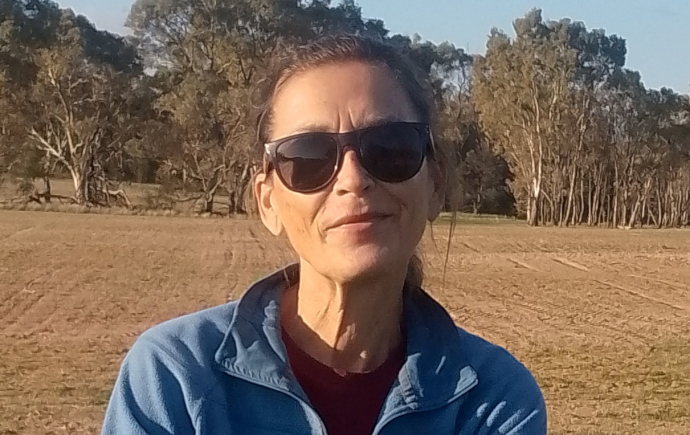
In many ways, Gerri is not only continuing her mum’s legacy, but also her approach to life. “Luckily, my husband’s like me. We believe that our money should go to useful things, so we’re leaving everything to what we feel are the most important purposes in our lives. Oliver just loved my mother, and we’re both very passionate about knowing that, when we go, our estate will be used to do seriously valuable things.”
Jo Nelligan didn’t have the luxury of hope, she points out – but Gerri and Oliver’s gift in Will will help bring it to others. “We knew lupus was going to kill Mum – it was just a matter of when and how unpleasant it was going to be,” says Gerri.
The work the Monash team are doing is incredible, but they need money to continue these research projects, which are being carried out with such compassion and passion. It’s such a different ballgame now for people with lupus. They can be diagnosed earlier and, when they are, there are better drugs with fewer, less dramatic side effects. The word ‘cure’ can at least be on the discussion board now.”