
Like mother, like daughter
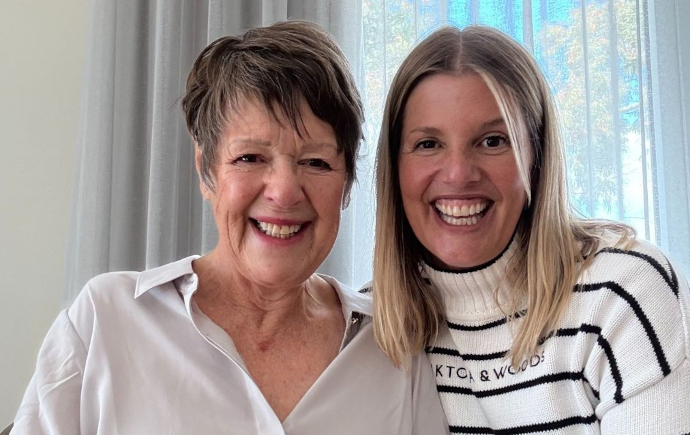
Jess Naylor can barely remember a time when she wasn’t dreading the pain of endometriosis. “Over the years, it progressed to premenstrual dysphoric disorder (PMDD), and I then went into surgical menopause,” she says. “It was incredibly difficult – a really rough time. But when you’re in a bad place, you go out looking for information to help yourself.”
That’s when she first came across the work of Professor Jayashri Kulkarni, a psychiatrist and world leader in women’s mental health research. Reading Professor Kulkarni’s work – which connects hormones and trauma with women’s mental health – was a revelation for her.
“Rather than looking at single parts of the body, she looks at the whole system,” says Jess. “Your heart, for example, is informed by your hormones. Your brain changes as you grow, based on what goes on in your life and the hormones in your body. She brings the whole person together. That approach made such a difference for me, and I want other women to have access to that kind of support.”
Now, Jess is determined to give back. She has pledged a gift in her Will to Monash University’s HER Centre Australia, which was founded by Professor Kulkarni. And her mother, Dianne Dolman, has done the same.
For Jess and Dianne, this legacy is as much about their bond as it is about philanthropy. The two are exceptionally close, and Dianne says she has absolute faith in her daughter’s judgement. “It’s an excellent cause. I could not think of a better one.”
Filling the gap
Established in 2022, HER Centre is dedicated to understanding and treating women’s mental health across their lifespan. It focuses on developing gender-tailored treatments that address the biological, psychological and social factors shaping women’s experiences of mental illness. Jess wants to ensure future generations of women have answers that weren’t available to her.
“HER Centre is filling a vast knowledge gap,” she says. “In the past, we haven’t studied women. And I think we’re really feeling that now, with chronic fatigue, inflammatory conditions, PMDD, perimenopause, menopause, postpartum. Until now, nobody’s really studied these things.”
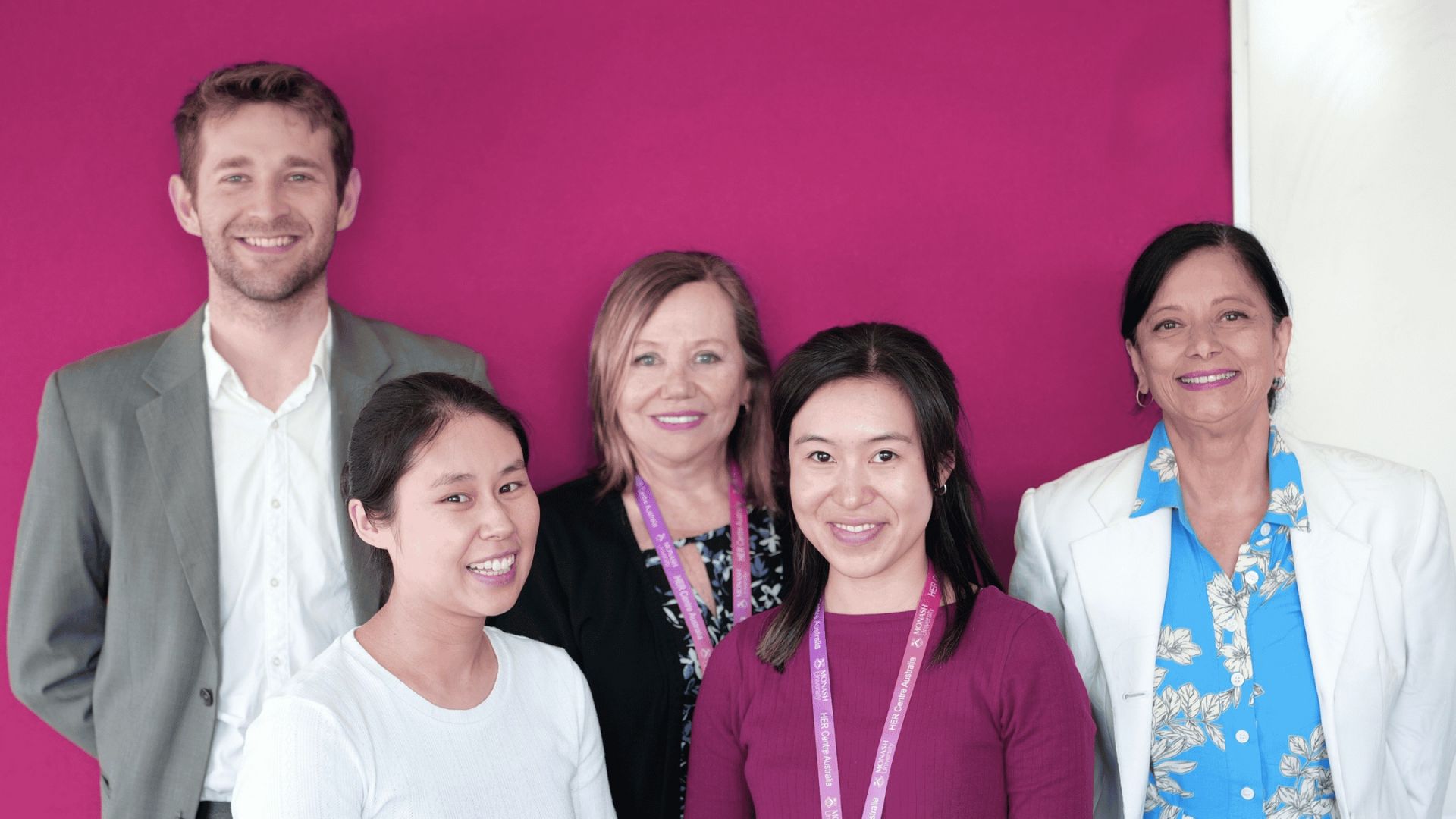
Dianne adds that HER Centre also challenges the invisibility that many women feel later in life.
From my experience, once you hit 60 it’s like women stop mattering. You’re just invisible. Whereas everything that the HER Centre is doing shows that’s not the case. Women of all ages matter.”
Putting their gifts in place was refreshingly simple. Jess used an online will service, while Dianne spoke with her solicitor. “It wasn’t complicated at all,” says Dianne. “And it feels good knowing it’s done.”
Women helping women
Professor Kulkarni has also been an inspiration for Jess professionally. After studying psychology at Monash University, Jess channelled her resilience and lived experience of trauma into her advocacy. She’s built a career in wellbeing and change management, while also giving corporate talks on menopause and perimenopause.
Trauma doesn’t have to define your future, she points out. “If you’re lucky enough to be okay after going through something, it’s good to know you can contribute to the solution rather than just suffering from the problem. By investing in this kind of research, we’re contributing to change. It’s not a life sentence. We can change stuff.”
And the impact of giving, she emphasises, will have a positive ripple effect across future generations. “You can’t take money with you when you die. Kids don’t need another new car. What they need is their mum to age healthily. They need their mum to be able to get the mental health care that she needs when she goes through different stages in life.”
A legacy for the future
It’s easy to feel despondent about the state of the world, Jess points out – but we should also feel positive about the power we have to change things with the tools we have.
“It’s one thing to complain, but it's another to do something about it,” she says. “In leaving a gift in Will, we’ve tried to do something which will improve life for other people. We all live in communities, whether or not we know it, and the healthier your community is, the better your life is. Poverty, violence, ill health – that all impacts everyone, in one way or another. Being able to do something about it is an incredible privilege.”
Dianne agrees. “We should all leave a little footprint somewhere and help people somehow,” she says. “We can’t be that selfish and die with it all.”