
Monash Korean Studies In-class Student Support Assistant programme
The Monash Korean Studies In-class Student Support Assistant programme
Since 2018, Monash University Korean Studies has operated an In-class Student Support Assistant programme. The aim is to offer outstanding Korean Studies students opportunities to gain valuable classroom experience and also help Monash Korean Studies educators run their tutorials and workshops. The programme has successfully recruited over 40 students as in-class support and has expanded so now the In-class Student Support Assistants are helping MUKSRH researchers in their research, are also assisting in the running of the language exchange and conversation circles programmes and partipating in the short courses outreach scheme.
In-Class Support Information Session
This session provides detailed information about the in-class student support scheme, outreach programme or other internship opportunities.
Questions that we answer:
- What will I be expected to do?
- How can I become in-class student support?
- How do I apply? When should I apply?
- What do I get out of the programmes?
- How much will I get paid?
- Do I receive any training?
View the information session here:
Participation in outreach programs
2025 Outreach to the Victorian Centre of Higher Education Studies
On Friday August 8, a team from Monash University Korean Studies Research Hub gave a one-hour Korean language and culture introductory class to year 12 students at CHES (the Victorian Centre for Higher Education Studies) in South Yarra. Led by MUKSRH Hub Coordinator Sandy Nguyen the team of Monash Korean Studies students Sandra Binoy and Larissa Carberry introduced students to Hangul, basic greetings and fundamental Korean cultural characteristics. The CHES sessions are part of MUKSRH’s short courses outreach scheme funded by their AKS Core Universities grant and aim to raise interest in Korea and in Korean Studies. There are plans for a follow up session to be taught by the same team in December 2025.
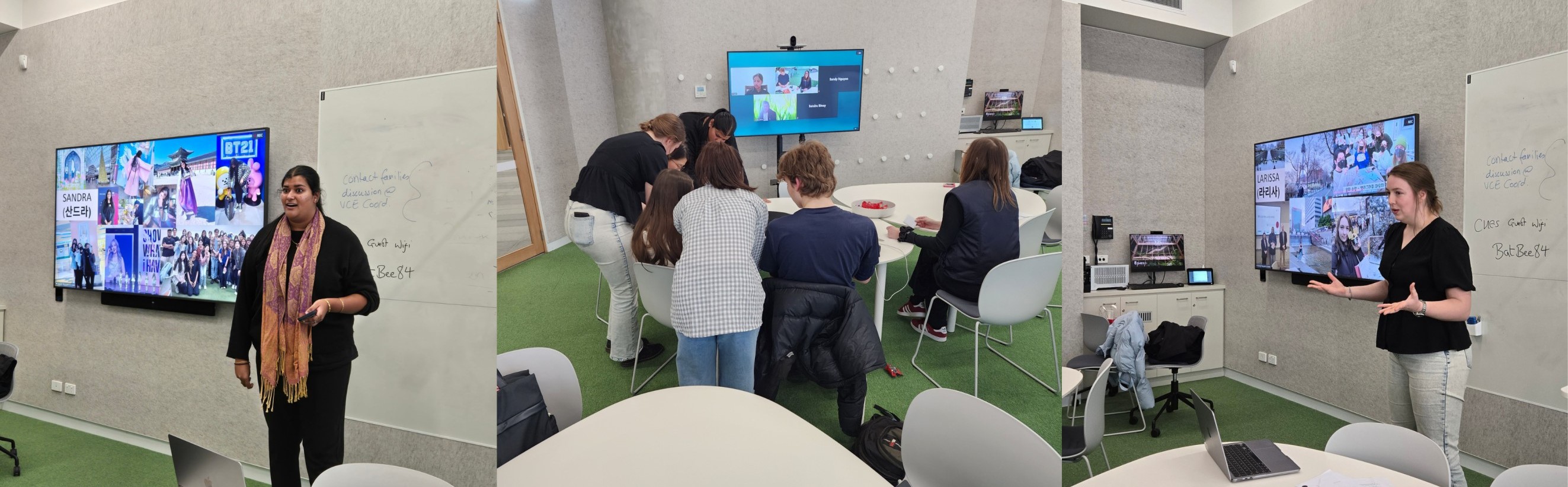 (Left to right: Sandra introducing herself and basic Korean Language; group activity; Larissa introducing herself and Korean culture.)
Outreach Programme to Collingwood College 2024
Continuing our successful short course outreach programme which aims to bring Korean language and culture into the wider Melbourne community earlier this year, Monash University Korean Studies Research Hub (MUKSRH) ran a Korean Language and Culture class at Collingwood College from 24th October to 12th December 2024. This course followed on from previous successful Korean language and culture classes organised by MUKSRH at Hampton Park Library and on the Monash MBA programme. The class materials were organised and taught by our MUKSRH student teaching assistant Larissa Carberry and MUKSRH Hub Coordinator Sandy Nguyen. A total of five classes were taught during this program, covering a range of topics including Sound Shifts, Restaurants, Directions and Transportation, Present Tense of Verbs, Calendar dates and Korean Public Holidays. With a variety of fun activities (including role plays, Kahoot quizzes, heads-up, matching cards) students were able to memorise essential vocabulary and phrases. Most popular was the restaurant lesson and the students can now order food at Korean restaurants 100% in Korean with phrases like: “두 개 주세요.” The feedback was enthusiastic and the classes saw an incredibly consistent number of 10 high school students in attendance each week. MUKSRH looks forward to continuing its short course programme into 2025.

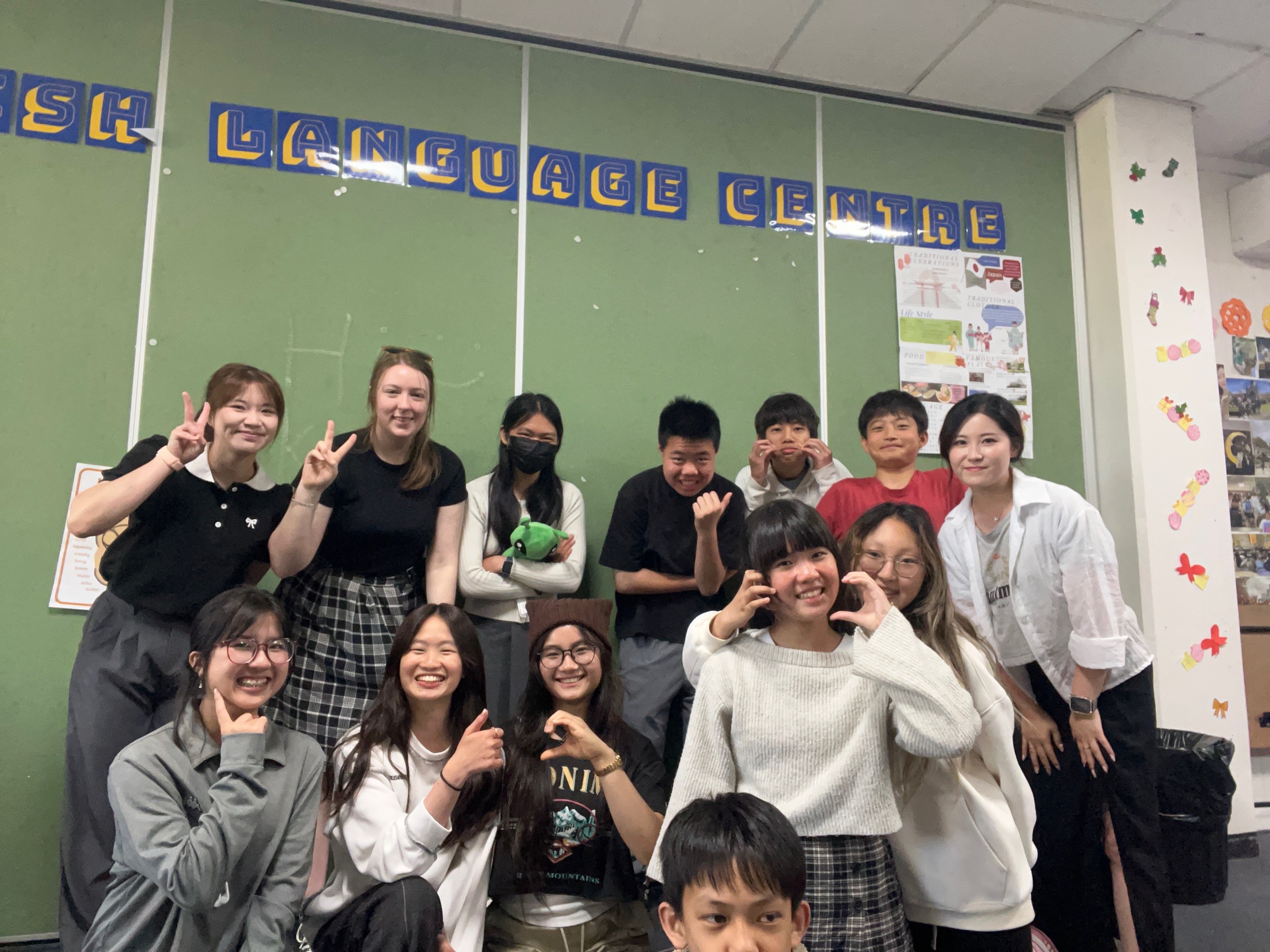
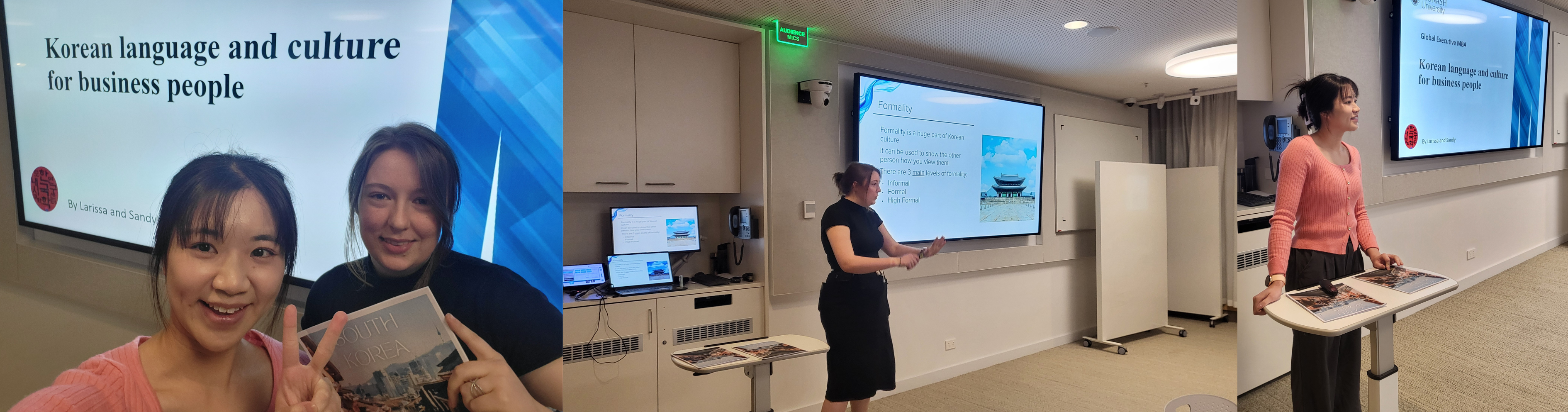
Korean Cultural Session on Monash MBA Programme (9 September 2024)
On September 9th 2024, Monash Korean Studies Research Hub was invited to lead a session on ‘South Korean language and culture for business people’ to Monash University MBA Students at Caulfield campus. The aim of the session was to introduce South Korea and Korean culture to students who are preparing for a business trip to Korea where they will be working with Korean business partners and Seoul’s Sungkyunkwan University. This session was led by our Hub Coordinator Sandy Nguyen and our teaching Assistant Larissa Carbery. It involved an introduction to Korean language, business etiquettes, and essential phrases for travelling (i.e. greetings, restaurant/shopping/emergency phrases) followed by several activities where students were given a scenario and had to work in pairs to act out the role play. These role plays aim to prepare the students for possible situations that they are likely to encounter during their trip, such as bowing, greeting and exchanging business cards during meetings, dining etiquettes for company dinners, and taking public transport. To wrap up the session, Larissa and Sandy shared some travel tips based on their experience of Korea and recommended travel locations that students could visit during their stay. Students also got a travel guide booklet to take home, which contains other additional information about Korea. The session was a success with positive feedback from the MBA students who really appreciated the materials that were prepared for them. They were also immersed in their role plays and were actively asking questions throughout the session.
2024 Monash University Korean Studies Research Hub In-class Student Support Assistant Outreach Programme to Hampton Park Library
As part of our short courses outreach scheme Monash University Korean Studies Research Hub has been running weekly Korean language and culture classes at Hampton Park Library throughout term 3 (July-September) 2024. The classes have been set up, designed, coordinated and taught by MUKSRH Hub Coordinator Sandy Nguyen in collaboration with MUKSRH In-class Student Support Assistants Farzana Afzali, Larissa Carberry and Pick Kulbul. Each week the team prepares a class with a different language or culture focus and the response has been enthusiastic with an average of 15 students in attendance. The majority of students are members of the public with an interest in Korean language and culture thanks to the popularity of K-drama, K-pop and K-culture in general.
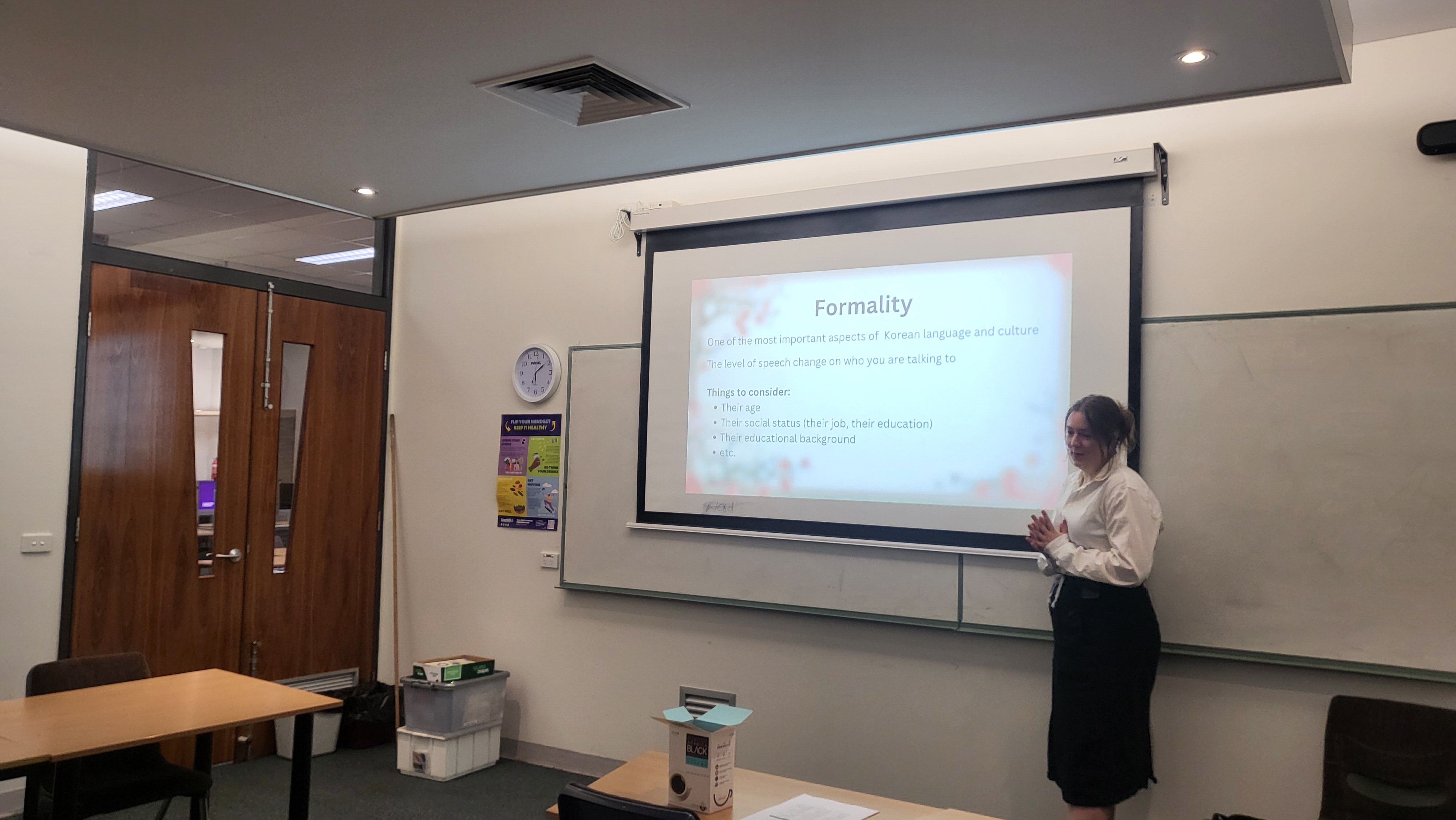
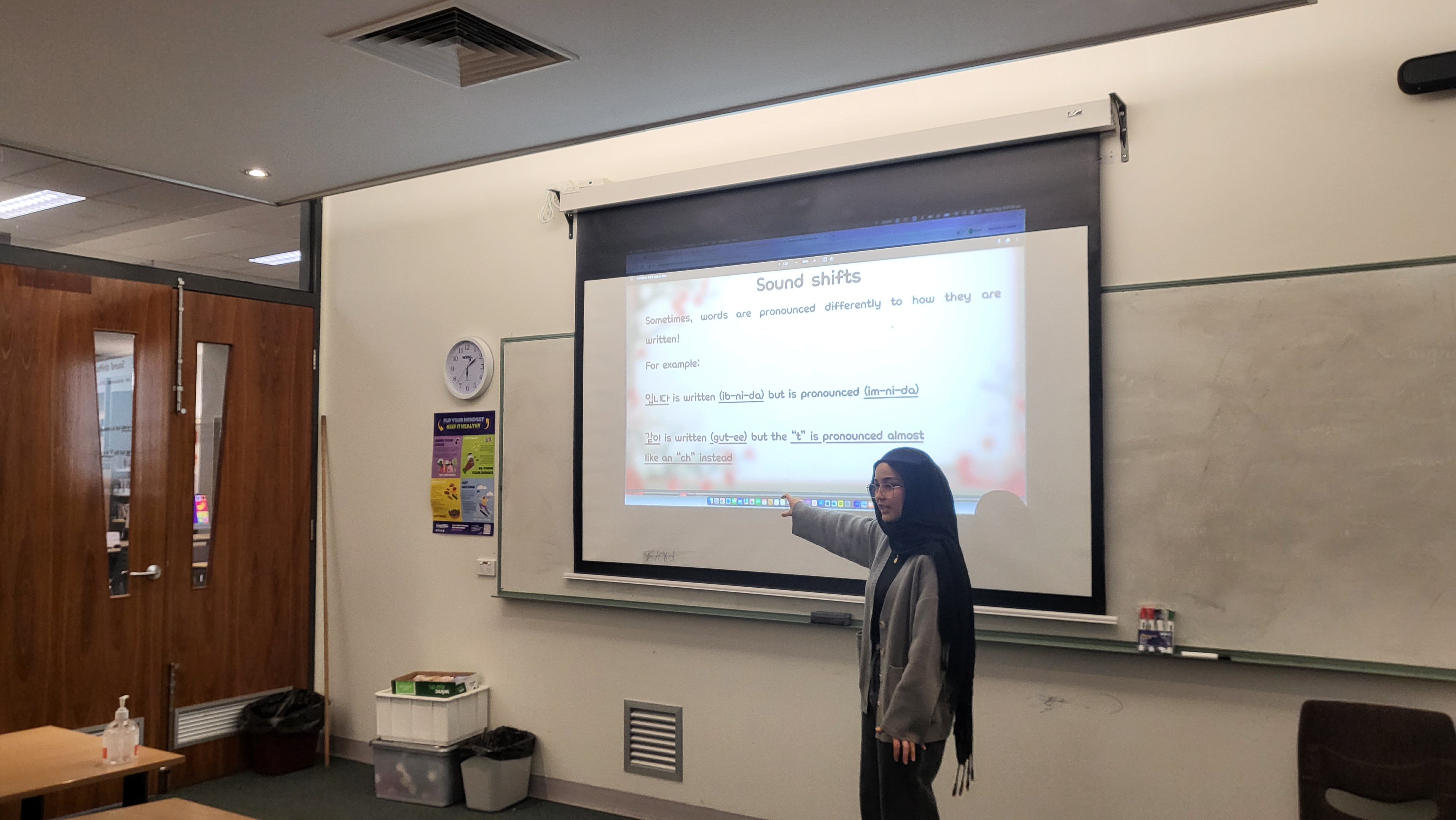
(Left to right: Larissa teaching a class on levels of formalities. Farzana is covering sound shifts and pronunciations.)
This work was supported by the Core University Program for Korean Studies through the Ministry of Education of the Republic of Korea and Korean Studies Promotion Service of the Academy of Korean Studies (AKS-2023-OLU-2250001).
Successful Internships
AKBC Internship Success for Korean Studies Graduate
Congratulations to Kyle Han-Menz, a graduate of Monash University's Korean Studies program, on successfully completing his internship at AKBC.
NU28 Internship Success for Korean Studies Graduate
Congratulations to Monash University Korean Studies graduate Sandy Nguyen on getting a marketing internship position at NU28.
2025 In-class Student Support Assistants:
Aurora Gregorio

My name is Aurora Gregorio, and I am a second-year Bachelor of Arts student majoring in Korean Studies. In Semester 2, 2025, I had the opportunity to work as an In-class Student Support Assistant for ATS2274 – Languages, cultures and interaction in Asia. Unlike traditional language units, this unit brings together four major Asian languages: Chinese, Indonesian, Japanese, and Korean into one classroom. Students explore these languages through comparative and transdisciplinary perspectives, engaging with topics such as language and nationalism, linguistic structures, politeness, social interaction, and broader cultural frameworks.
Since the unit is not strictly a language-learning unit but a broader analytical and comparative subject, the role came with a unique set of challenges. However, it also offered one of the most rewarding learning experiences I have had at Monash. Having taken the unit myself the previous year, I found that my background knowledge was extremely helpful, particularly when supporting students with assessments, clarifying content from weekly tasks, and explaining how linguistic theories applied across different languages. Being able to reflect on my own past struggles and insights allowed me to guide students more empathetically and practically.
My duties included setting up the classroom, organising seating arrangements to ensure the right mix of language groups, distributing worksheets and materials, and helping students navigate online resources. During group activities, I moved between tables to check task comprehension, assist with discussions, and encourage students to draw connections between their respective languages. I also spent time talking to students individually about how they were finding the unit, offering study advice, and reporting any issues to teaching staff.
One of the most meaningful parts of this role was the opportunity to build genuine connections with students. The unit brings together learners from different linguistic backgrounds, the classroom environment naturally encourages collaboration and curiosity. I enjoyed seeing students form new friendships, compare cultural experiences, and gradually gain confidence in discussing complex ideas about language and society. Supporting them through that process reminded me why I am passionate about Korean Studies and language education more broadly.
Overall, this role strengthened my communication, leadership, and mentoring skills, especially in facilitating discussions that involve diverse languages and perspectives. It also deepened my appreciation for how languages operate within social and cultural contexts. I am very grateful for the opportunity, and I hope to continue contributing to the Korean Studies program in the future.
Sandra Binoy
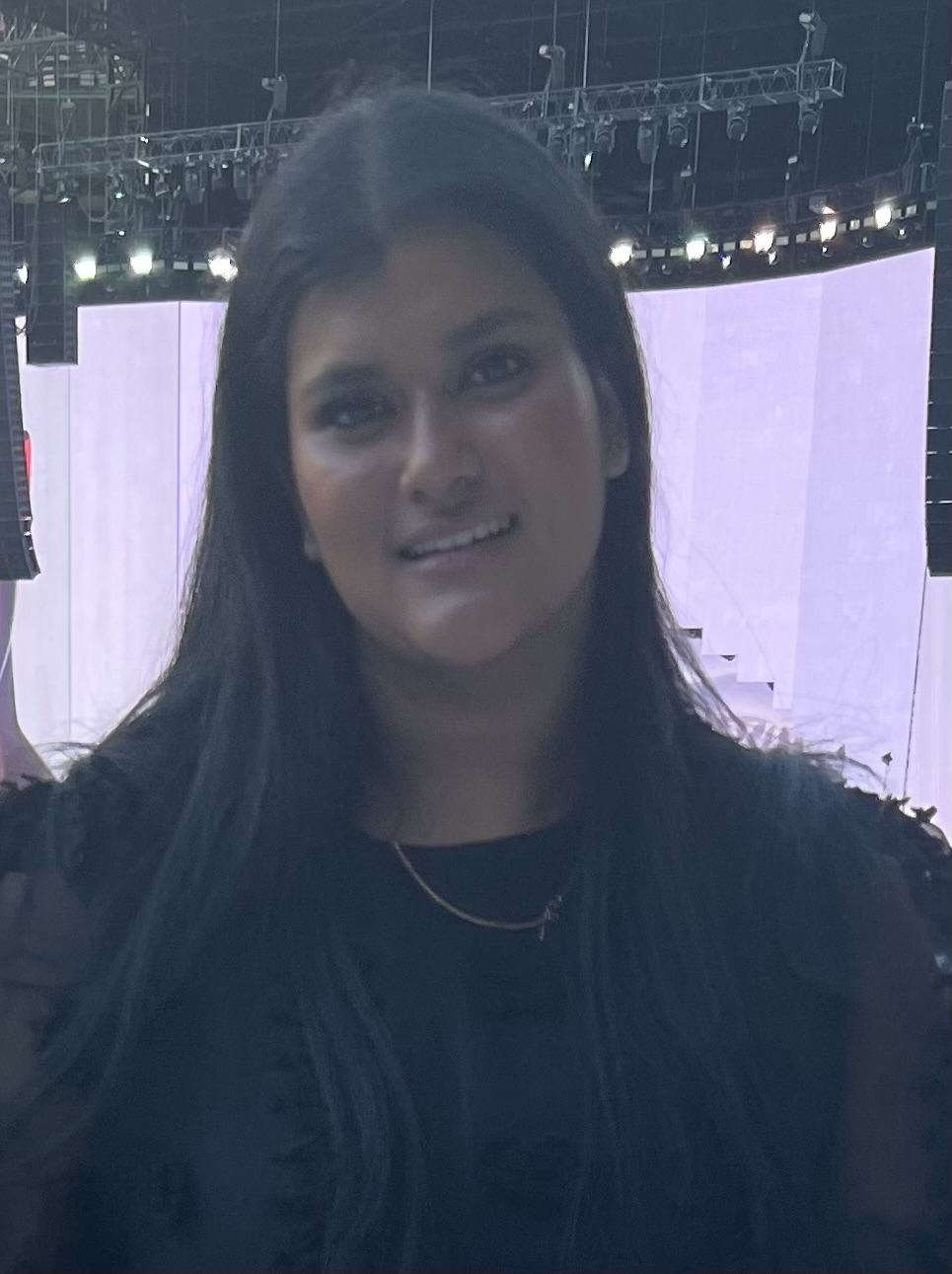
My name is Sandy Binoy, and I am a fourth-year student, studying a Bachelor of Laws and Arts, majoring in Korean Studies. As studying Korean has been one of the highlights of my university life so far, I was really excited to get involved in the Korean Studies Department. In my own language-learning experience, Teaching Assistants have been really helpful, and I was inspired to help other students in the same way I was supported by my own TAs.
Working as an In-Class Support Assistant also gave me opportunities to take part in our outreach programs. This included teaching a lesson about Korean food and ordering food in a restaurant setting to students at Collingwood College, and teaching lessons at the Centre for Higher Education Studies (CHES) in South Yarra about basic Korean language skills, including Hangul and important vocabulary like 안녕하세요 (hello) and 감사합니다 (thank you).
Sharee Zhang
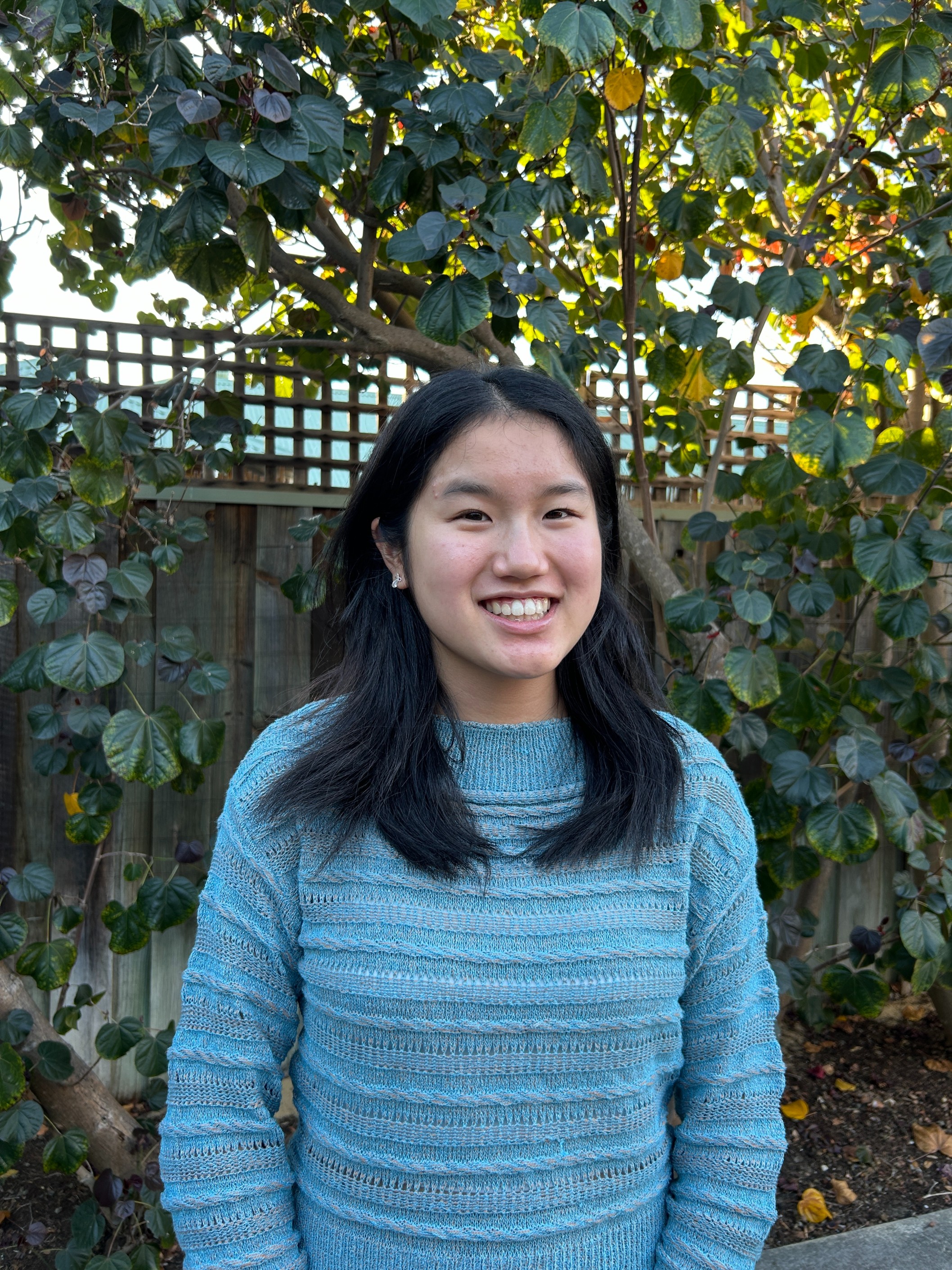
My name is Sharee Zhang, and I am a third-year Law/Arts student at Monash University. Upon reflecting on my time working as an In-Class Support Assistant, I’ve come to realise how much I have grown from this experience and the way it has changed my approach to language teaching. My roles this semester were to act as an in class support assistant in the Introductory 2 workshops and run the Korean drop-in sessions.
Learning a new language requires an immense amount of motivation, and this role has given me the opportunity to further refine my teaching and comprehension skills, adopting methods to better support students in the classroom. Working alongside Professor Andrew David Jackson in the Korean Introductory 2 workshops enhanced my communication skills by giving me the responsibility of helping build an environment where students could comfortably make mistakes. He was a mentor who helped me better assist students in making the most of their time in class by consistently giving me constructive feedback. At first, students were hesitant to ask questions, afraid that they would make mistakes. By the end of the semester, with Andy’s support, more and more students were raising their hands to ask questions. Learning a foreign language is an incredibly vulnerable task, so it was lovely to see their growth!
Additionally, while running the weekly drop-in sessions this semester, I was able to help a variety of students ranging from the Introductory 1 to the Intermediate 2 streams. Each week, different students would hop on Zoom to ask questions they didn’t have time to ask in class, practice their Korean speaking or reinforce concepts they had learnt in class. It was a rewarding experience which allowed me to pass on my knowledge to other students. These sessions allowed me to reflect on my own Korean skills as well. From being one of the students who used to join this program to being the student teacher who ran it was such a full-circle moment!
Juno Park
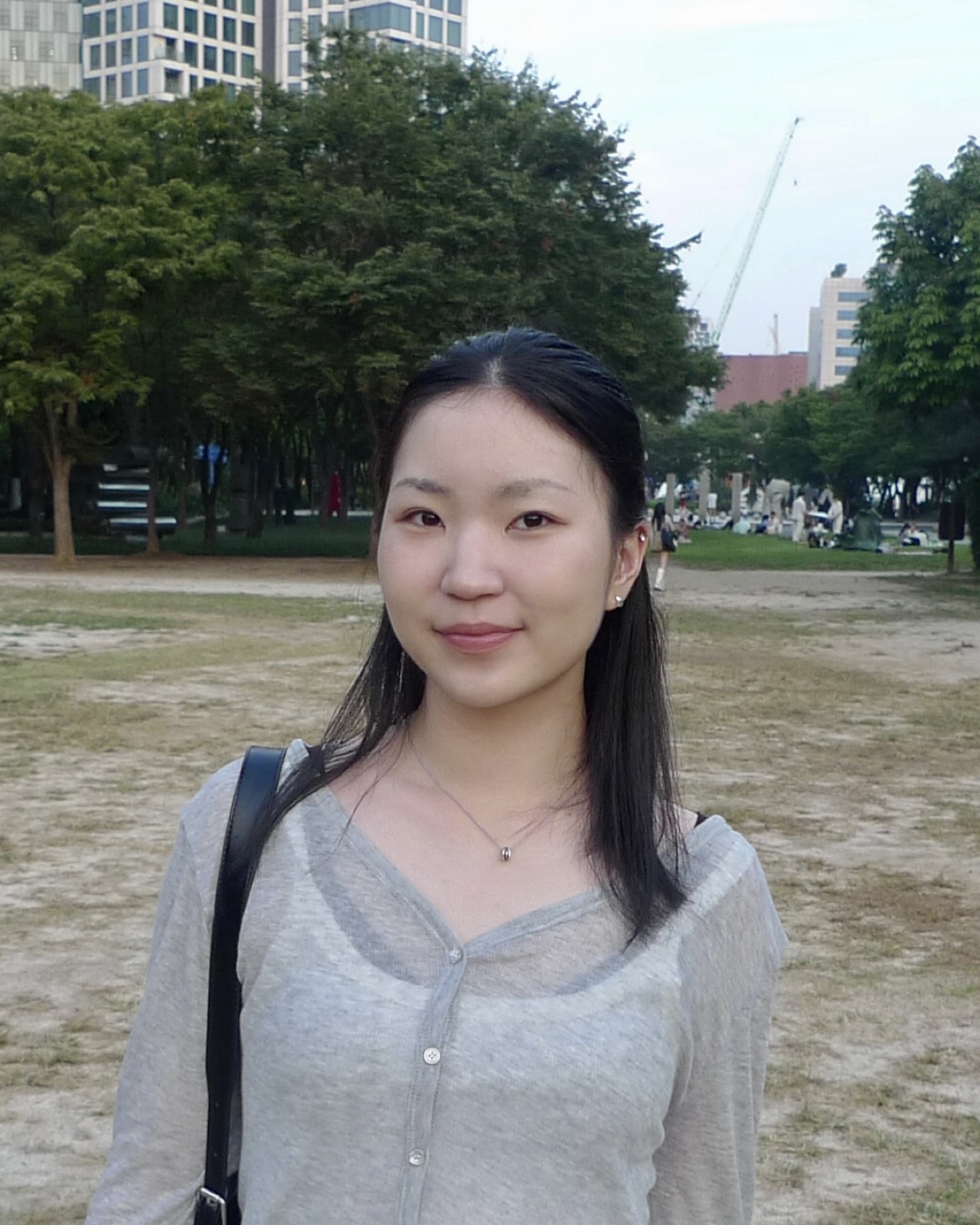
My name is Juno Park, and I am a second-year student, studying a Bachelor of Education and the Arts, majoring in Korean Studies. In Semester 2, 2025, I was fortunate enough to work as an In-class Student Support Assistant for the Korean Language class. I supported the lecturer, JY, in the Korean Proficient class (ATS3176). My main duties included assisting with group discussions to facilitate students’ language use, clarifying difficult content, and answering any questions raised by students. Since the students were already proficient in the language, ensuring that they consistently use it during class, and that they can grasp abstract expressions or recognise subtle differences in the language by explaining to them were the main goals of my job. By not only watching how the lecturer designs and teaches the content but also being practically involved in this process, I could learn how teaching strategies can be adjusted depending on students’ proficiency in language learning. Especially running a mini lecture that delivers a summary of the content at the end of the class gave me a hands-on experience of teaching Korean. As an education student who wishes to become a teacher, this experience provided a clear snapshot of language teaching.
Additionally, in 2025, I also managed the Online Language Exchange Program (OLE), where Monash students get paired up with Korean students from partnering universities in Korea and engage in weekly one-on-one video calls to enhance their language skills. My main job was contacting partnering universities, recruiting participants, pairing students based on their language level and the purpose of participation to maximise their motivation for the program, and managing the attendance of the participants. By managing the overall operation of OLE, I could grow my organisational skills and see what students demand when they learn the language. It was also very rewarding when the participants stated that they enjoyed the program, and their partner became their first-ever Korean friend!
Overall, my experience as a student teaching assistant in the Korean Studies department helped me to gain practical experience of teaching the Korean language, which is unique and helpful, particularly given that there are a very limited number of schools teaching Korean in Melbourne. I hope to continue this role again, and I am looking forward to utilising the skills that I acquired in my future teaching career.
2024 In-class Student Support Assistants:
Ahin Kim
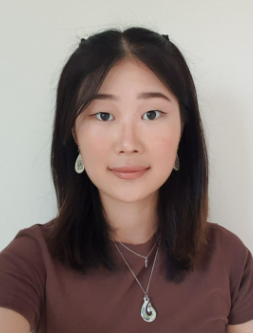
My name is Ahin Kim, a third-year student, studying a bachelor of Education and the Arts. I was fortunate enough to start working as a Korean language In-class Student Support Assistant from 2023. One of my first jobs was to aid students in proficient language tutorials by modelling conversations in Korean, clarifying difficult content, and asking prompting questions to generate discussion. As an aspiring teacher, this experience set a clear example of how educators can effectively engage and teach Korean.
My other job, which I continued to work on until this semester, was managing the Korean Online Language Exchange Program. This program was designed to enhance students’ language skills by engaging in weekly one-on-one video call sessions with Korean university students. My job included contacting partnering Korean Universities, recruiting participants and strategically pairing students based on their language level, as well as other influencing factors. The most rewarding part about this job was witnessing students’ eagerness to practice their Korean skills with native speakers and receiving the abundance of positive feedback at the end of the program. Students stated that they enjoyed making a new friend and learning about the cultural differences between Korea and Australia. Some students even noted that they still keep in contact with their partners after the program has ended!
This semester, I was also given the chance to host the Annual Korean Speech Contest, which included students from Monash University Vietnamese universities presenting their favourite piece of Korean culture and what they’ve learned from it. It was exhilarating to see the amount of effort students had put into their speeches and the passion in which they spoke about Korea. It was also enlightening to see how much of Korean culture has gained international popularity.
I look forward to seeing Korean culture becoming further wide-spread in Australia to the extent that high-schools begin teaching Korean as a second language. I also hope to use what I have learned through these experiences to guide my future teaching career.
Giang Dam
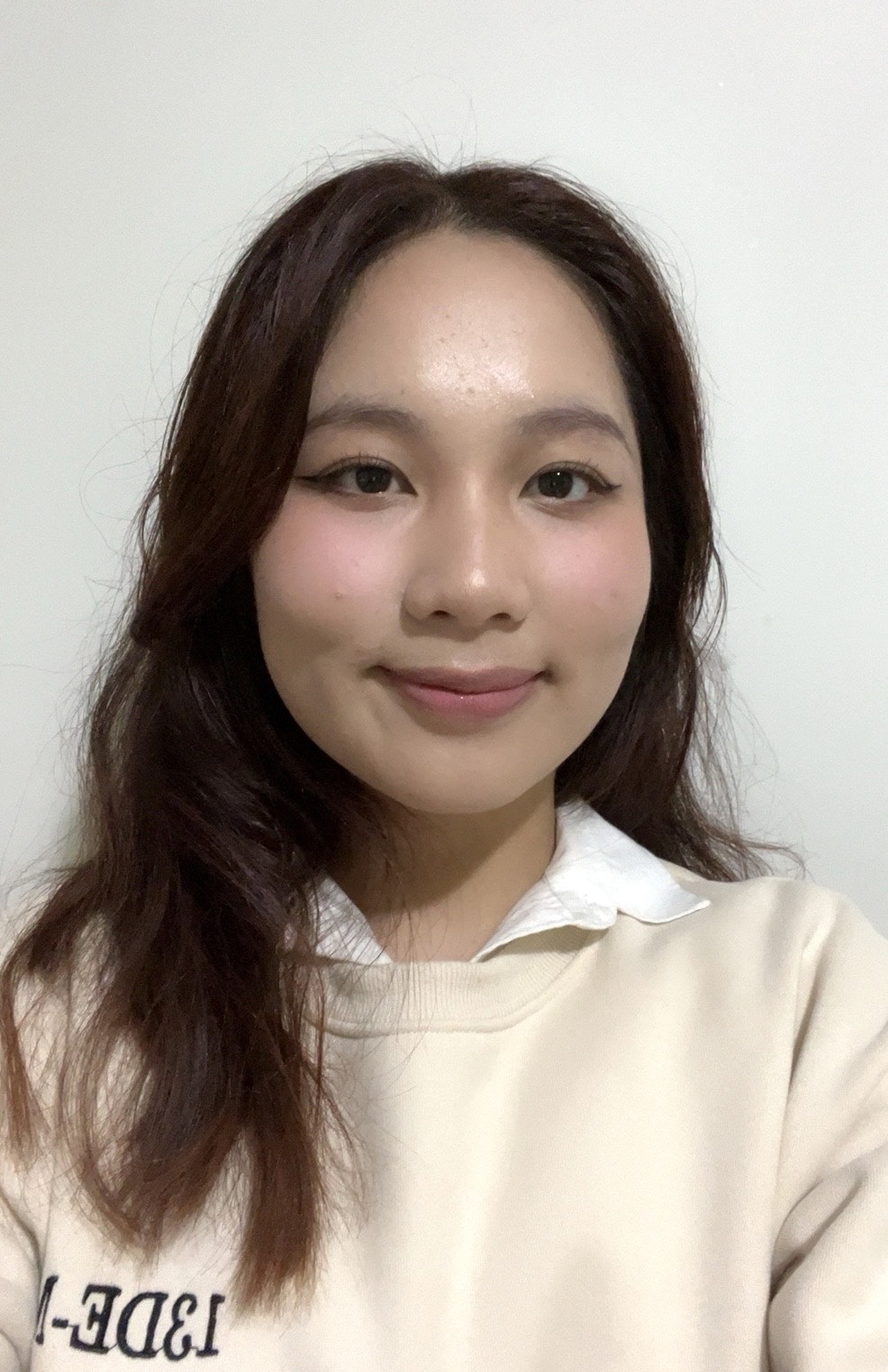
My name is Giang Dam and I’m a fourth-year International Business and Arts student, majoring in Korean Studies. Korean studies units have always been the highlight of my week so I was ecstatic when I was given the opportunity to be a part of the Monash Korean Studies In-class Student Support Assistant programme in 2024.
As part of this programme, I was given the opportunity to assist Professor Andy Jackson in his Korean Introductory workshop and also managed the weekly drop-in sessions that was open to all Korean studies students.
My key responsibility over the year was to maximize student engagement with the Korean language. In semester one, I worked in a classroom of over 70 Introductory students. While the experience was initially overwhelming, it was rewarding to be able to walk around and get to know them and their motivations for studying Korean. I helped to moderate students’ discussions, often encouraging them to speak in Korean more. Part of this is also provision of constructive feedback on students’ spoken and written language skills. Seeing students go from sounding out the Korean alphabet at the beginning of the semester to sharing their plans for the weekend (in Korean!) has been such a lovely sight and I am so grateful to have been a part of their journey.
In semester two, I helped to facilitate the weekly drop-in sessions for Introductory, Intermediate and Proficient Korean studies environment. These sessions were an opportunity for students to engage with the Korean language outside of their classroom and I would provide students with assignment help or simply address any questions or queries they had about the content covered in class. The weekly drop-in sessions have been a really valuable experience for me as it has encouraged me to stay curious and to really deep dive into the nuances of Korean language so that I am able to come up with comprehensive answers to students’ questions.
I am really grateful to the In-class Student Support Assistant programme and am rooting for the growth of Monash’s Korean Studies program.
Farzana Afzali
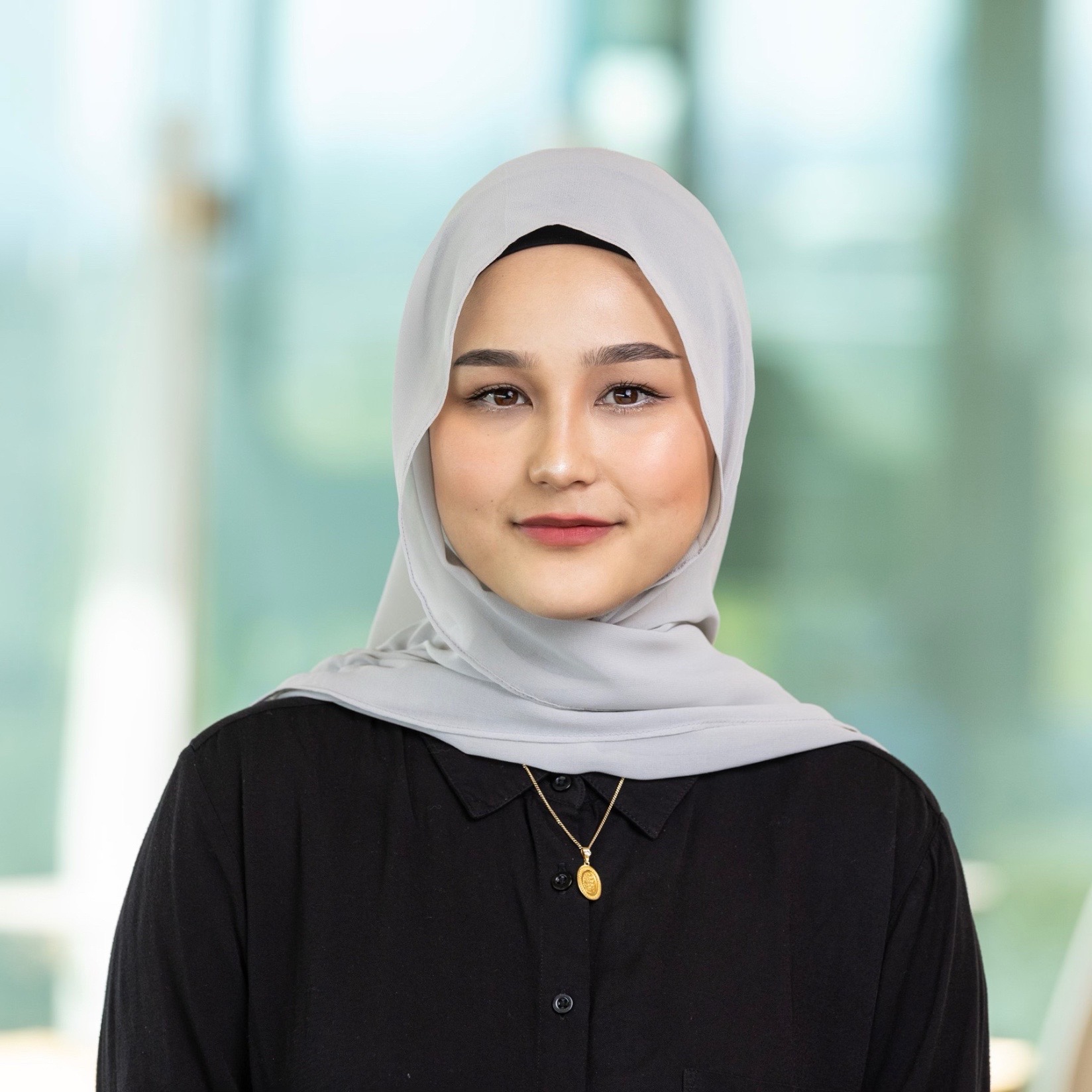
My name is Farzana, a recently graduated Business and Arts student, majoring in Marketing and Korean Studies. Throughout semester 2 of 2024, I had the opportunity of being a Korean Language Teacher in partnership with the Hampton Park Library. In this 10-week role, I was able to pass on my Korean knowledge to the locals of Hampton Park and beyond to teach introductory level Korean every Wednesday evening. During these introductory level classes, myself and Larissa taught lessons around basic level greetings, letters and numbers, grammar and vocabulary for ordering at restaurants as well as more cultural lessons talking about important cultural differences to be aware of when travelling to South Korea, popular phrases and sayings in Korean and the popularity of K-pop and K-dramas. Throughout the lessons, we monitored whether the level of Korean we were teaching was appropriate for the students’ knowledge levels and attempted to adjust as required to fit their needs. We also tried to regularly check in with students to gauge what they were interested in learning so that we could cater to their likes and interests.
The experience of teaching these classes, along with getting together with others involved in the program to develop and construct lesson plans allowed me to gain and improve upon skills such as leadership, teamwork, effective organisation and planning. It also opened my eyes to the amount of effort and time that goes on behind the scenes for teachers when they are planning their lessons, which was very insightful and helped me to further appreciate those efforts.
Ratchanon Kulbul (Pick)
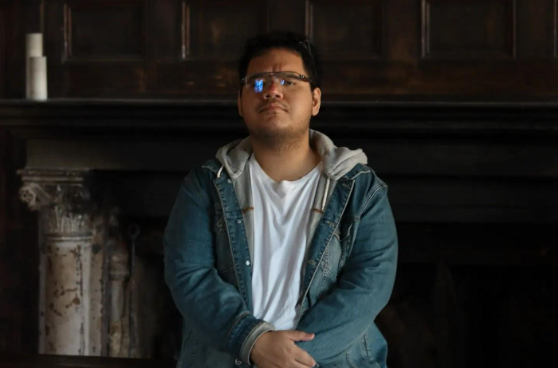
My name is Ratchanon Kulbul (Pick), and I am a fourth year Bachelor of Arts Student, majoring in Korean studies. As an In-class Student Support Assistant this semester, I had the opportunity to work alongside our professors, other teaching assistants, and many student colleagues to run the Korean Conversation Circle.
As a part of the Korean Conversation Circle (KCC), I worked closely with many of my student colleagues. My responsibilities include help with organising the Korean Conversation Circle, recruiting the conversation circle leaders from Korean Proficient and Advanced level students, advertising the Conversation Circle to Korean Introductory and Intermediate students, ensuring that the weekly Conversation Circles run smoothly, booking meeting rooms, organising sessions, and checking up on each session. The program introduced new learners to experience different ways of learning Korean through media integration, of which our KCC leaders are highly knowledgeable in. It also allowed the leaders and students studying at higher levels to look back and try to understand the language with greater insights.
Thanks to this role, I am very grateful for this opportunity to work alongside professors who profoundly understand Korean culture, and my amazingly enthusiastic student colleagues. Working with these wonderful people helped me grow, both as a student and a person, in terms of understanding and working with others.
Anthony Kourakis

My name is Anthony Kourakis, a final-year Bachelor of Arts student majoring in Korean Studies. I grew up in Melbourne and have always enjoyed exploring different cultures and languages. In my free time, I like learning foreign languages, watching Australian Rules Football, and spending time outdoors hiking and swimming.
In semester two, 2024, I worked as an In-class Student Support Assistant for the Korean Introductory 2 unit at Monash University. This role gave me valuable experience supporting students who were just beginning their Korean language journey.
My duties included setting up the classroom, distributing worksheets, marking attendance, and encouraging students to work in pairs or groups to practise conversations. During workshops, I answered questions about grammar, pronunciation, and vocabulary, helping students feel comfortable using Korean. I also summarised key points at the end of each class to reinforce the lesson’s main ideas.
This role helped me develop my communication skills, especially when presenting or explaining concepts in front of the class. It also gave me a deeper appreciation for the challenges students face when learning a new language, particularly when it comes to building confidence with speaking.
The most rewarding part was seeing students gradually improve and gain confidence. Watching their interest in Korean language and culture grow throughout the semester was very fulfilling.
This experience has reinforced my desire to continue studying Korean language and culture. I plan to pursue a Master’s degree in Korean Studies or a related field, and I hope to spend more time living and working in Korea. Whether through further study, work, or travel, I’m excited to continue deepening my connection to Korea and sharing my passion for the language with others.
Larissa Carbery
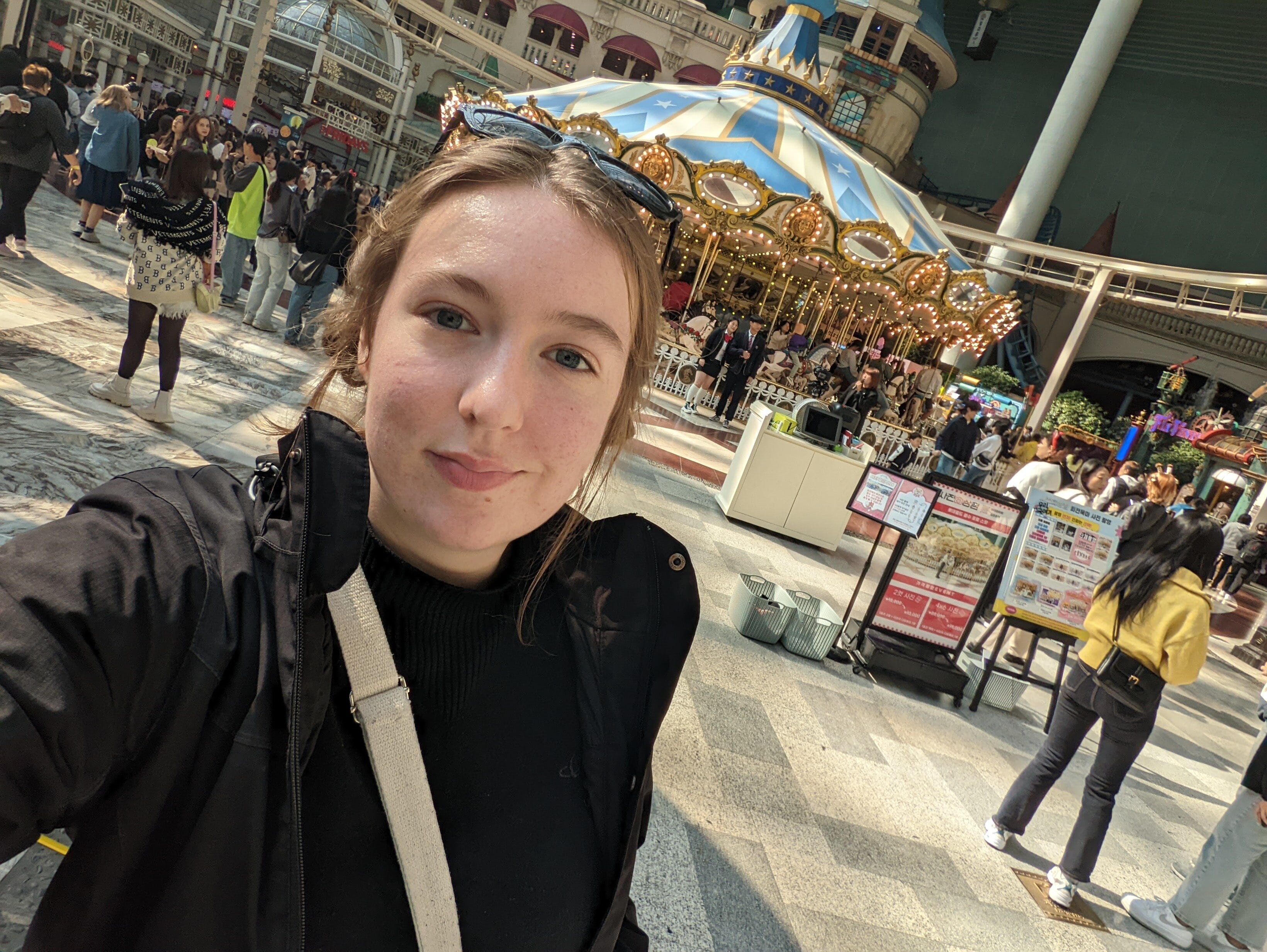
My name is Larissa, a fourth-year student studying Electrical Engineering and Korean Studies. I enjoy listening to music, reading manhwa and cooking. In 2023, I attended a Korean Language centre in Seoul where I studied Korean fulltime for just over one year.
In semester 2 of 2024, I was offered the position of an In-Class Student Support Assistant for Monash Korean Studies. Through this opportunity, I was able to meet a diverse range of people and develop many skills. Once a week, Monday 9am, I was an in-class support for the Introductory 2 Korean Workshop. This position involved activities such as distributing class materials and resources, demonstrating the use of Korean Language in front of the students and clarifying any points the students had. During the workshop, I would monitor the students so that I may assist them as quickly as possible if they had any questions.
Throughout the semester, I was also given the opportunities to teach a Korean Beginner Short Course at a library alongside Farzana, Pick and Sandy. We worked hard each week to create engaging presentations and activities for the students based on their interests.
Later in the semester, I also taught Korean to EAL (English as an additional Language) high school students. Sandy and I created all the class materials, resources and presentations for these classes. Each week, we encouraged the students to speak basic sentences and we gave the students time to work on interactive worksheets. We also ended each session with a revision Kahoot and a traditional Korean game.
I was also given the opportunity to teach MBA (Masters of Business Administration) students basic Korean before their trip to South Korea. For this, Sandy and I prepared PowerPoint slides and a travel booklet containing relevant and practical information for their upcoming trip.
Through this experience, I was able to learn about different approaches to language learning and gain confidence in my Korean and public speaking abilities. I enjoyed interacting with all my students and I felt proud seeing them use the language that I taught them. This opportunity also gave me insight into the preparation and effort that our teacher put in for each class, which has given me a greater appreciation for those who have taught me. Working as a teaching assistant has re-sparked my interest in the regional areas of South Korea. I want to travel around all South Korea and experience its rich culture.
Grace Burke
My name is Grace Burke and I’m a student in the Masters of Interpreting and Translation Studies, in the language pair Korean to English.
In Semester 1 of 2024 I had the opportunity to be an In-class Student Support Assistant for JY Ryu in Korean Introductory 1 and to Hyein Cho in Understanding Contemporary Korean Society. Assisting in Korean Introductory 1 involved facilitating the engagement of first-time Korean learners. This would involve engaging in role plays with students in Korean, asking them questions in Korean, or providing explanations on the grammar and vocabulary discussed in class. Understanding Contemporary Korean Society is a class aimed at advanced learners of Korean, and therefore instead of grammar and vocabulary, my role was to facilitate discussions on topics such as mental health and gender inequality.
As a translation student of Korean, I was personally invested in supporting students and was excited to see their enthusiasm and confidence in their Korean ability grow over the semester. It was a fun and rewarding experience that I can recommend.
2023 In-class Student Support Assistants:
Anushka Narkhede
My name is Anushka Narkhede, I am a third-year student studying economics and Korean studies at Monash University. This was my first semester working as an In-class Student Support Assistant for the Korean Studies faculty.
Firstly, I would like to convey my gratitude for giving me this opportunity. Working as a student teaching assistant has helped me grow both professionally and personally. This semester, I took part in creating basic Korean grammar lessons for Monash University’s MBA students who are taken to South Korea for 2 weeks. Furthermore, I also worked under Andy and helped assist the Korean Introductory 2 cohort.
I deeply enjoyed working with a team to create Moodle lessons for the MBA students. Working in a group helped me network and taught me the importance of communication and collaboration. Furthermore, while working on this task, I felt simultaneously challenged and in my element. Considering my vast experience in content creation and design, I enjoyed designing slides and other content and was eager to contribute. Furthermore, I found it extremely helpful and rewarding to revisit the grammar and language content that I learnt two years ago.
As for working as an in-class assistant, I enjoyed being able to give students advice considering I was in their position a few semesters ago. For example, I was able to guide students on which aspects their tutors look for in their speaking tests and what I, as a student, did to secure a good grade. It was extremely rewarding to see students find my advice helpful. I also got the opportunity to make a grammar worksheet for the class, which helped me revise the content I learned in the past.
Farzana Afzali
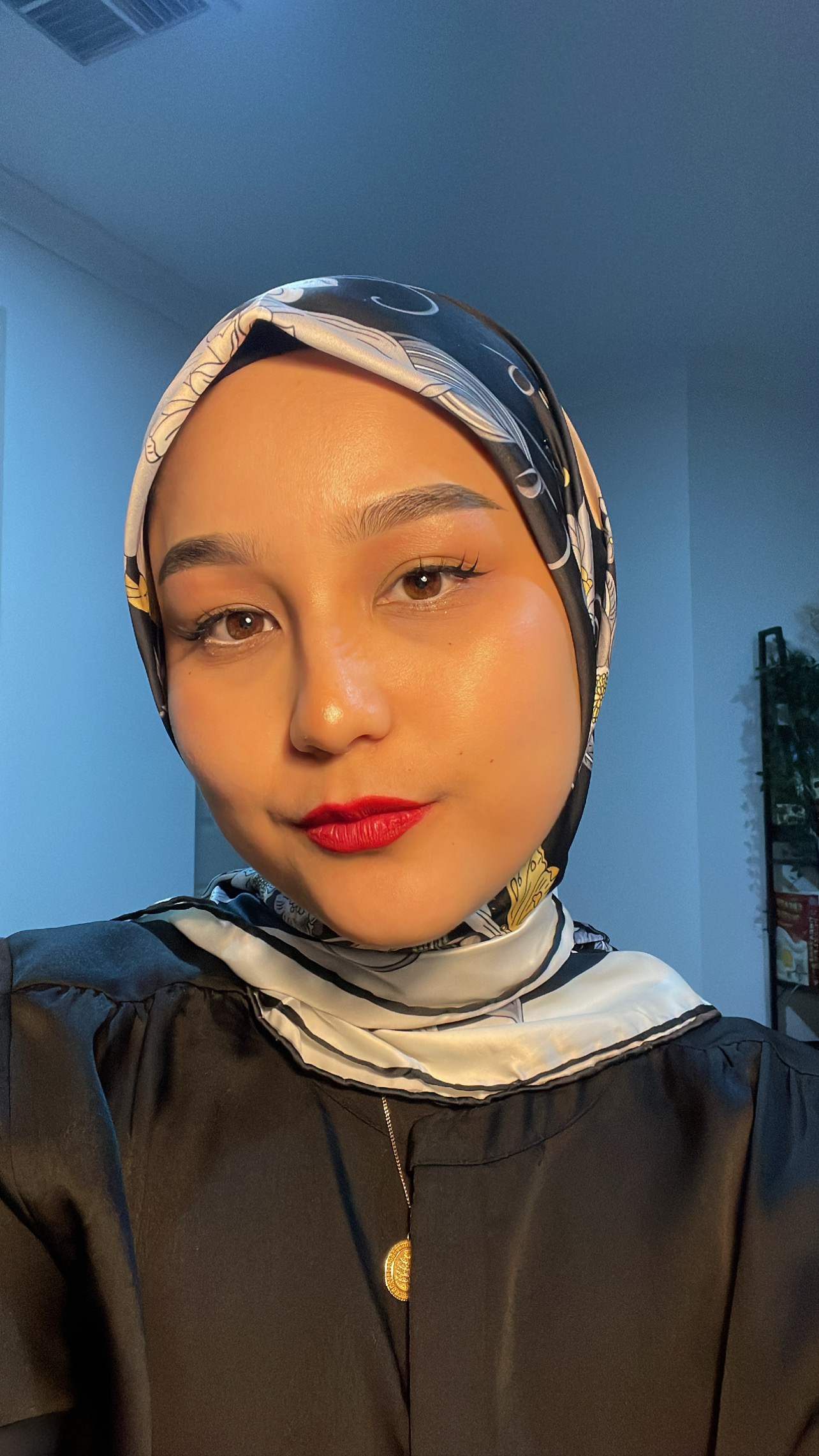
My name is Farzana Afzali and I am a fourth-year Business and Arts student, majoring in Korean studies. This semester, I worked alongside a number of In-class Student Support Assistants and was in charge of holding weekly drop-in sessions for introductory, intermediate, and proficient students. I also worked alongside Eleena to assist with the implementation of the Korean Conversation Circle program.
As part of my role holding drop-in sessions, I had to ensure that I was up to date with any assessments students had in any given week to be able to give them relevant advice and aid. During the drop-in sessions, I received questions ranging from general grammar questions, in what situations certain grammar patterns can be used as well as questions more specific to certain assessments. Over the semester, as I took attendance each week, I saw a good number of students utilising the drop-in sessions and also had a few regular students that joined many weeks. Nonetheless, despite being highly promoted, I believe the drop-in sessions are generally under-used by students. On top of helping other students with their Korean grammar and vocabulary, by taking on this role, I was also able to reinforce my own knowledge and jog my memory on grammar patterns I hadn’t used in a while, helping me to improve my own Korean skills over the semester.
In addition to holding drop-in sessions, I aided in the implementation and running of the Korean Conversation Circle Program. In order to help this program run smoothly, Eleena and I were in charge of recruiting circle leaders to run weekly sessions for introductory students, assisting with room booking and session time allocation, sending out weekly announcements for the sessions and obtaining feedback from leaders/mentors and mentees about the program. This aspect of my role really allowed me to showcase and further improve my strong leadership and communication skills and helped me gain a stronger grasp on being organised. It was also extremely rewarding to go from being a circle leader myself in the past to developing into a TA and helping to run the program this year. Since I had prior experience as a leader, I believe I was also better equipped with the knowledge of what students would like to see this year and as such, was able to implement these within the program this year.
Overall, I had a really great experience as a TA and hope to be able to continue as one in my final semester next year to help bring these programs and others to life once again and facilitate the learning and interest of new students enrolling into Korean studies in the next study period.
Eleena Chang
My name is Eleena Chang, I’m a Fourth year Korean Studies student, majoring in Economics and Korean. This is my second semester as an In-class Student Support Assistant after a year as a Circle Leader for the Korean Culture and Conversation Circle Program (KCC).
This semester, I’ve transitioned from assisting in Korean Introductory classes, drop-in sessions and the KCC program to facilitating the KCC with my fellow Teaching Assistant, Farzana. Furthermore, I have also assisted Andy 교수님 with a plethora of tasks, such as creating lessons and tests for the MBA Program and proofreading test/lesson material for Introductory students.
At the start of the semester, I guided Farzana in the operations for the KCC program. We worked together to advertise the program to recruit circle leaders to facilitate each circle and members to participate and share their love and interest in Korean language, culture and society. This semester we changed up the program by making it more accommodating to students, both leaders and members, as matching availability was a big worry the previous semester. As someone who has experienced being a leader, I also led the leaders in coming up with topics and ideas for activities to do in their program. In doing so, I have also improved my own understanding of Korean culture and society. We covered an abundance of topics during the duration of this program ranging from dramas to cults to travel. At the end of the program, I received feedback from the students and provided a summary of attendance for Professors and tutors to use too!
I also had the opportunity to prepare the MBA Korean lesson for Business School students traveling to Korea in September this semester. Alongside my peers, Tae and Anushka, we created a range of lessons using H5P and Canva - beginning with the basics – greetings – to mannerisms and cultural differences. This lesson included games and multiple-choice questions to support the material, as well as a final quiz. In this way, I could recount my Korean knowledge and experience from travel to Korea and help these students use it. Doing this was amazing practice in Korean politeness and language, and once the students completed the lesson, I provided a summary in the form of a reference sheet they could bring to Korea with them. As I aspire to teach English in Korea in the coming future, being able to indirectly teach students in this way in Korean was a great form of practice and experience for me as an educator (as I also started CELTA during this time). This has inspired me to continue my CELTA program and apply to EPIK, like my professors did before. I hoped to inspire my students like they did to me when I was learning Korean at Monash University.
Throughout the semester, I also participated in a variety of events to advertise Korean Studies to potential students and assisted in the Korean Speaking Contest. These events helped me answer questions for students in how the department was run, alongside events we had that would attract students into joining our department and share our love for Korea and Korean.
As this is my last semester at Monash University, I hoped to leave valuable resources and materials for the In-class Student Support Assistants to come. I have shared my experience with many during this time and have spread interest in this role. This position has made me more confident and inspired me to continue my Korean, whilst also helping Koreans with their English. I really appreciate being given this opportunity again and hope I have inspired others to follow!
Anthony Kourakis
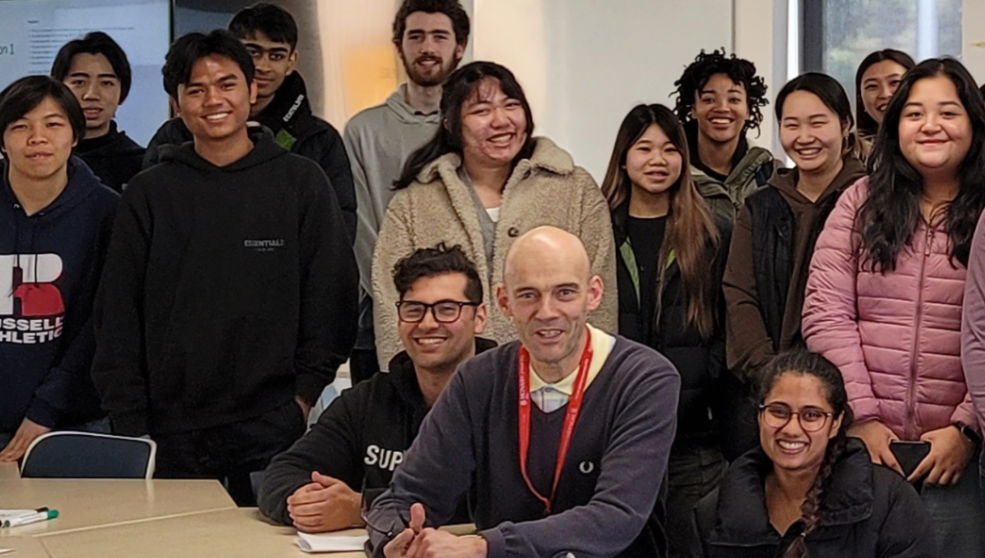
My name is Anthony Kourakis, and I am currently pursuing a Bachelor of Arts degree with a major in Korean Studies at Monash University. Throughout the past semester, I had the privilege of working closely with Korean Studies professors in the capacity of Korean Language In-class Student Support Assistant for the unit ATS1172 Korean Introductory 2.
In my role as an In-class Assistant, I had several responsibilities that were aimed at enhancing the learning experience for students. These responsibilities encompassed partaking in role play of model conversations with Dr. Andrew Jackson, facilitating and moderating student discussions, answering students’ questions, and offering constructive feedback on their written and spoken language skills during our weekly tutorial sessions. Furthermore, I was occasionally required to create tailored study materials to address the specific needs of our students, including the development of grammar practice worksheets and other supplementary materials.
This experience as an In-Class Assistant has been highly enriching as it has afforded me the opportunity to acquire and refine a diverse set of valuable skills such as classroom management. I've also honed my ability to adapt my teaching style to meet the requirements and learning styles of individual students. As I hope to work in the Korean Studies field in the future, it was truly invaluable to learn from highly experienced and knowledgeable professionals and to see how Korean Studies units were run from the other side of the classroom. Getting to know the students and being able to watch them improve their Korean skills throughout the semester was an absolute delight and reaffirmed that this line of work can be a great career path for me and provide a lot of satisfaction.
2022 In-class Student Support Assistants:
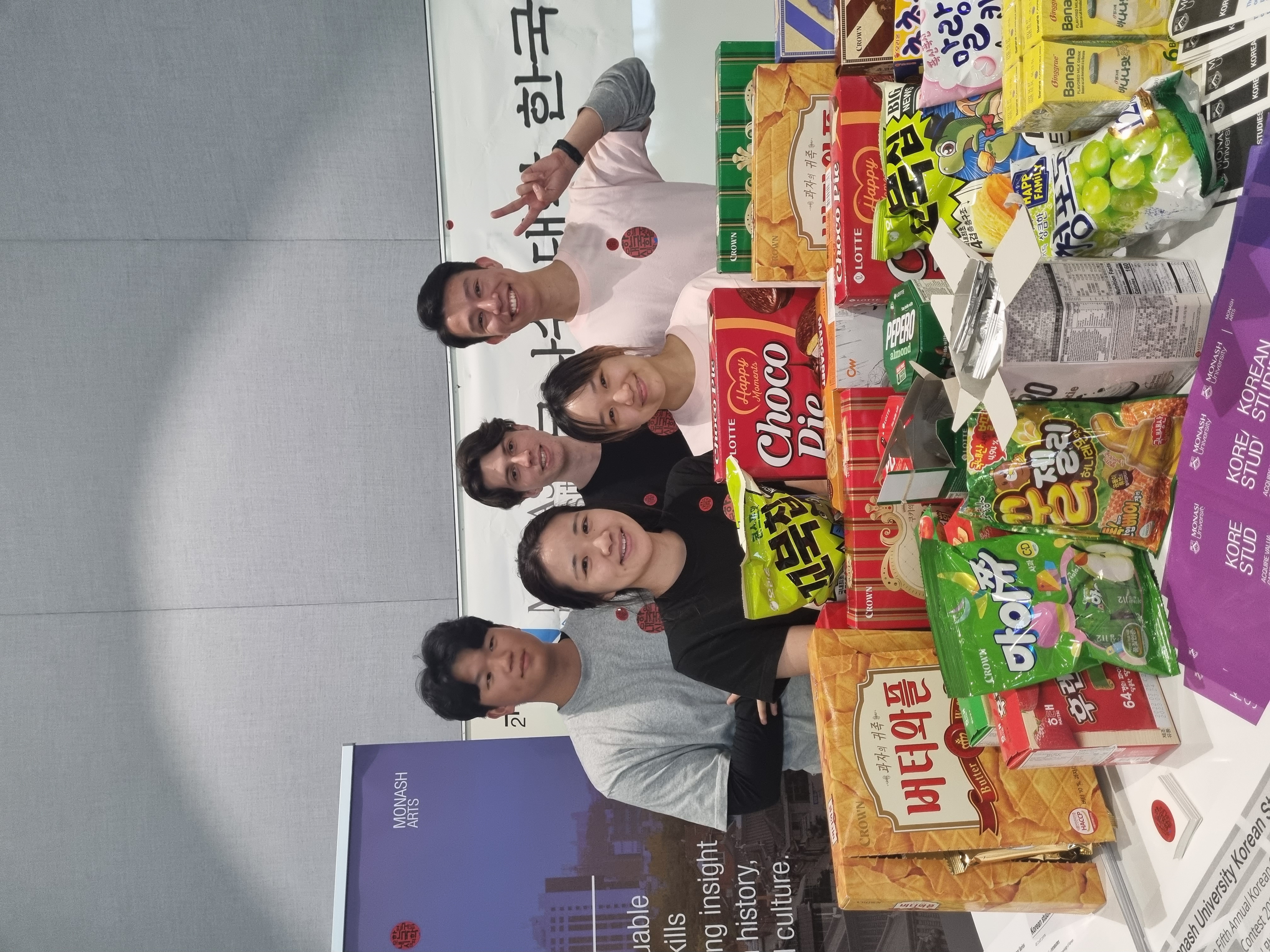 [L->R: Tae, Sandy, Damon, Abby, Kyle]
Abigail Ik Wen Yong (Abby)
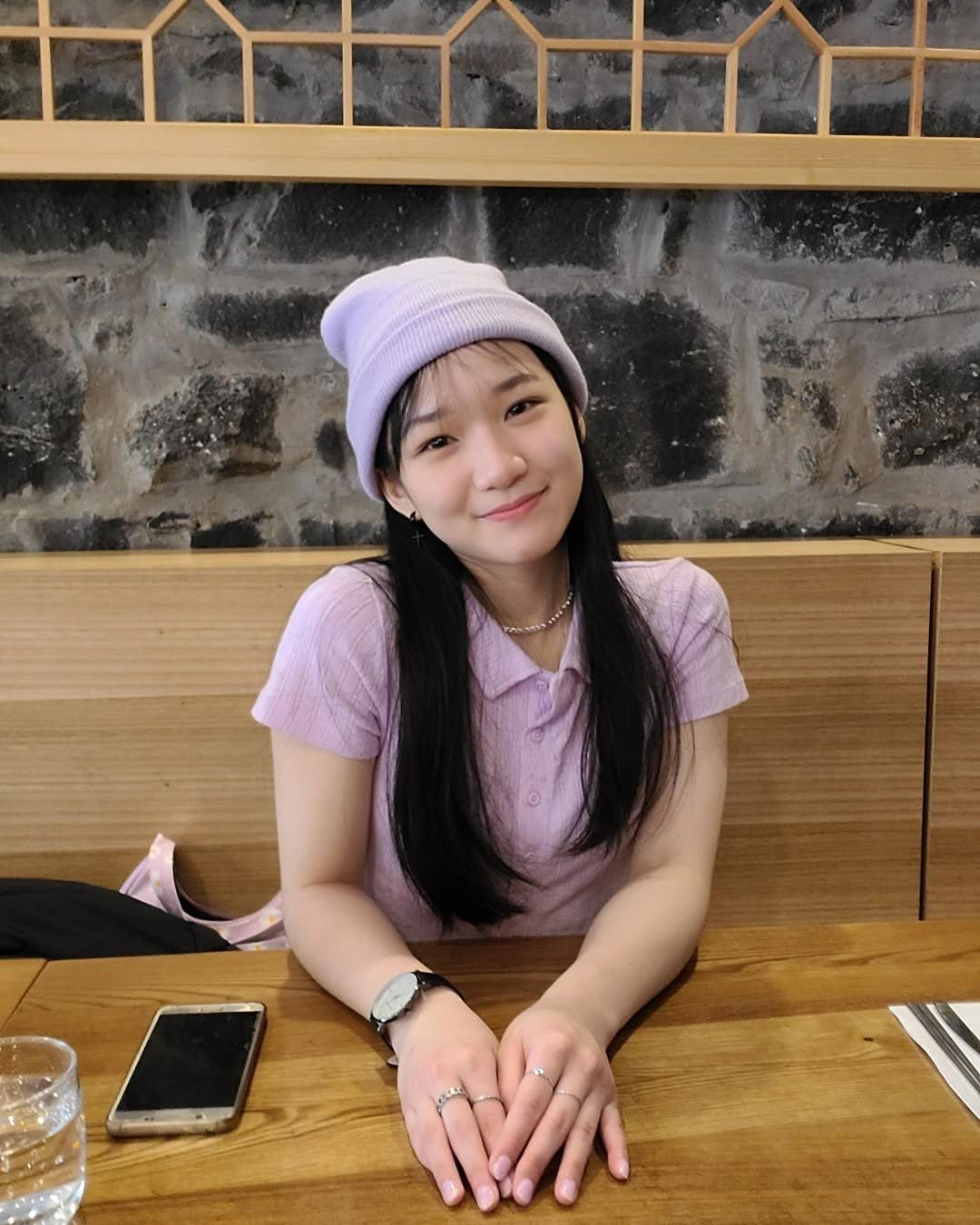
I'm Abigail Ik Wen Yong, a third-year student studying Bachelor of Biomedical Science and majoring in Korean Studies. During my Korean Proficiency 2 study, I was given an opportunity to apply for Korean Language In-class Student Support Assistant. Therefore, I decided to apply for teaching assistance as my new experience and challenge.
Professor Daniel Pieper is the Korean Intermediate 2 class lecturer, and I was arranged to be the assistant in his class. I went to the Monday classes. There were 2 classes on Monday, 11 am to 12 pm and 12 pm to 1 pm. Most students have already studied Korean introductory 1 and 2, so they can communicate with basic short sentences and understand what the teacher said in Korean. So, this intermediate level involved more complex grammar points, social-life expressions, the difference between spoken and written language, and reading materials related to Korean culture. During the class, Professor Daniel Pieper will prepare his PowerPoint slides to revise grammar and arrange pair work to let the students practice grammar usage at the end. During the pair work time, I helped to monitor the students to ensure that I could immediately assist them if they had questions and directly give feedback with their answers. I was also responsible for the online drop-in session on Wednesday. It was a session where students could join in, ask questions outside class, and even practice speaking with me for 1 hour. Therefore, before any speaking test, I always encouraged students to join and practice with me so that I could give more feedback and help them improve their speaking skills.
Through this unique experience, I have developed a variety of skills. I learned how to teach students, which in turn improved my communication skills and even my Korean language skills. Due to the drop-in session, I learned how to run online classes, such as creating Zoom links and sending emails before the session to ensure students could all be informed. I actually enjoyed the interactions with students. Being able to help students’ needs and see them improve their Korean language skills delighted me. I was glad that I stepped out of my comfort zone and into an area I had not experienced before.
Although I plan to work in Korea to experience the different lifestyles there, I am still deciding what to do in the future. Thus, being involved as a part-time or full-time language assistant can be one of the options when finding jobs. Moreover, my value and ability increased with the skills I developed as a teaching assistant, which could be a credit while seeking employment.
Tae Seong Kim

My name is Tae Seong Kim, I am in my 4th and final year of studying Bachelors (Honours) of Education majoring in Korean Studies. As a Korean language In-class Student Support Assistant, I worked closely with Korean Studies professors and teaching associates in assisting with their hybrid tutorials and hosting online drop-in sessions for Introductory and Proficient students.
Alongside weekly tutorials and drop-in sessions, myself and fellow language assistant Kyle Han-Menz were part of a project in collaboration with Monash Virtual and Augmented Reality Services (VARS) supported by the Core University Program for Korean Studies through the Ministry of Education of the Republic of Korea and Korean Studies Promotion Service of the Academy of Korean Studies. In collaboration with VARS and Monash University interns, we created a ‘Korean Language Quiz Game’ which included language from the Introductory Korean 1 & 2 textbook for students to learn, revise and put their knowledge to the test!
Throughout semester 2 of 2022, I had the privilege to work as the coordinator for the Korean Conversational Circle and Online Language Exchange program. For the Korean Conversational Circle program, there were 7 circle leaders each with different themes/topics to discuss and socialise around a shared interest with their participants. Circle sessions involved a mixture of language practice/support and discussion of the theme and related social activities. As an Online Language Exchange coordinator, I closely worked with Seoul Women’s University (SWU) and Changwon National University (CWNU) professors and coordinators in assigning students with their language exchange partner and monitoring their progress.
Looking back, I feel incredibly lucky to have had this opportunity. I thoroughly enjoyed all aspects of working as a language assistant from interactions with the Korean studies team, supporting students and working as the coordinator for various programs Korean Studies offers. As much as this experience developed my knowledge of Korean language and culture, it has equipped me with leadership and interpersonal skills which will propel me into a Korean/Mathematics teacher after I graduate.
Kyle Han-Menz

My name is Kyle Han-Menz, a 2021 graduate student from Monash University who double majored in Banking and Finance and Korean Studies. Through Korean Studies, I was able to find many opportunities such as becoming a In-class Student Support Assistant and an Intern at the Australia-Korea Business Council.
The Australia-Korea Business Council (AKBC) is the leading national body committed to strengthening the Australia-Korea economic relationship. I joined AKBC as an intern in August and my work consisted of planning and organising AKBC events, helping with project management for AKBC subcommittees and doing other admin, research and social media management. As for research, I was able to learn about our relationship with South Korea in different sectors such as critical minerals, hydrogen, education, food and agriculture and so on. Establishing an understanding of the current business relationships between Australia and South Korea is important to me and I am very grateful to have exposure to this.
As someone who is interested in having a career related to event management, the experience I received at AKBC was very rewarding. I was involved in multiple events during my time at AKBC and helped with social media and marketing, contacting venues, controlling AV at events and other general duties. My Korean language skills at Monash University helped me talk to the Korean guests who attended the events. Through AKBC, I was able to talk to many leading industry professionals and meet KOTRA who was interested in hiring me to work full-time. Unfortunately, my schedule did not allow this, so I had to decline this offer. I also became well-versed in admin and developed skills in programs such as Mailchimp, Canva, Eventbrite, Capsule and Cvent. I can proudly say that I built the website for the annual AKBC-KABC Joint Meeting for 2022, which is AKBC’s flagship event of the year. I also submitted the EMDG grant application for AKBC. This was successfully approved to have funding of $150,000 per financial year for up to 3 years.
I would like to sincerely thank AKS and Monash University Korean Studies Hub for these opportunities. I hope to continue my career with the goal of helping improve business relationships with South Korea and strengthening cultural ties.
Yoon Jung Lee
My name is Yoon Jung Lee, and I am currently studying Political Science and International relations as a first major and Economics as a second major at Korea University. I came to Melbourne, Australia as an exchange student to study at Monash University. While studying international relations, I have been interested in the perceptions and interests of people in other countries about Korea and have participated in many cultural and language exchange activities. With the desire to be of some help to students who want to study the Korean language and culture, I decided to be a Korean language In-class Student Support Assistant.
In the role of the Korean language teaching assistant, I assisted Proficient level students. First of all, I helped students' activities and discussions in the two-hour tutorial every Friday. By correcting spelling and sentence structure, helping with difficult parts during activities, participating in discussions to ask questions and add opinions, and sharing my experiences related to Korean culture, I assisted to make the tutorial smooth and active. I also run drop-in sessions via Zoom for an hour a week, where students could ask questions about what they learned in class or practice speaking Korean additionally.
My one semester as a Korean language In-class Student Support Assistant allowed me to experience new things and learn a lot. Since the role required a lot of interaction with the students, through this experience, I was able to learn effective communication to understand the other person's intentions and deliver corresponding answers. Through the process of interacting with students, I felt that there are so many students who have an interest and passion for Korea academically beyond just K-pop and K-drama. Also, the entire process of interacting with professors, tutors, students and other teaching assistants has been a valuable experience. I was able to feel a sense of responsibility and pride in sharing my experiences as a Korean as they can be important learning materials for students who want to learn the Korean language and culture. Based on this experience, I will continue interacting with diverse people who are studying and researching topics related to Korea.
Damon Parkes
My name is Damon, and I am a 3rd year student majoring in Korean Studies. Over the past semester I have had the privilege of being a Korean Language In-class Student Support Assistant for two units within the Korean Studies department
The opportunity of being a Korean Language Assistant allowed me to thoroughly develop many skills. Every Monday I would assist Dr Jackson in delivering tutorials to 3rd year students for the unit ATS3156 – Popular Culture in North and South Korea. My role in the classroom was to facilitate the zoom meeting on which the tutorial was delivered to students who could not come to class. This involved pairing students up for discussions and often participating in these discussions with the students. Inside the classroom my role was to also partake in discussion of questions relating to Korean culture with the students as well as marking weekly quizzes.
On Mondays and Tuesdays, I would also assist Dr Jackson in delivering workshops for the unit ATS1172 - Introductory Korean 2 to students just beginning their Korean language learning journey. Alongside Sandy and Kyle, two other teaching assistants, our role in the classroom included partaking in modelling conversations with Dr Jackson to demonstrate to the students how to utilise new grammar points, the distribution of classroom materials and assisting any students with any questions that they had. For this unit I also ran a weekly consultation session on Thursdays where I would answer any questions for students, practice speaking and listening with them, and provide them with preliminary feedback on their assessments.
Through this opportunity I was able to experience working as a member of a team with tremendous colleagues in a professional environment. As a language assistant I was able to continue to practice my own language skills, whilst helping students to develop their own skills which was very rewarding. The experience taught me a lot about running language classes which is invaluable to me as I intend to become an English teacher in South Korea after graduation.
Sandy Nguyen
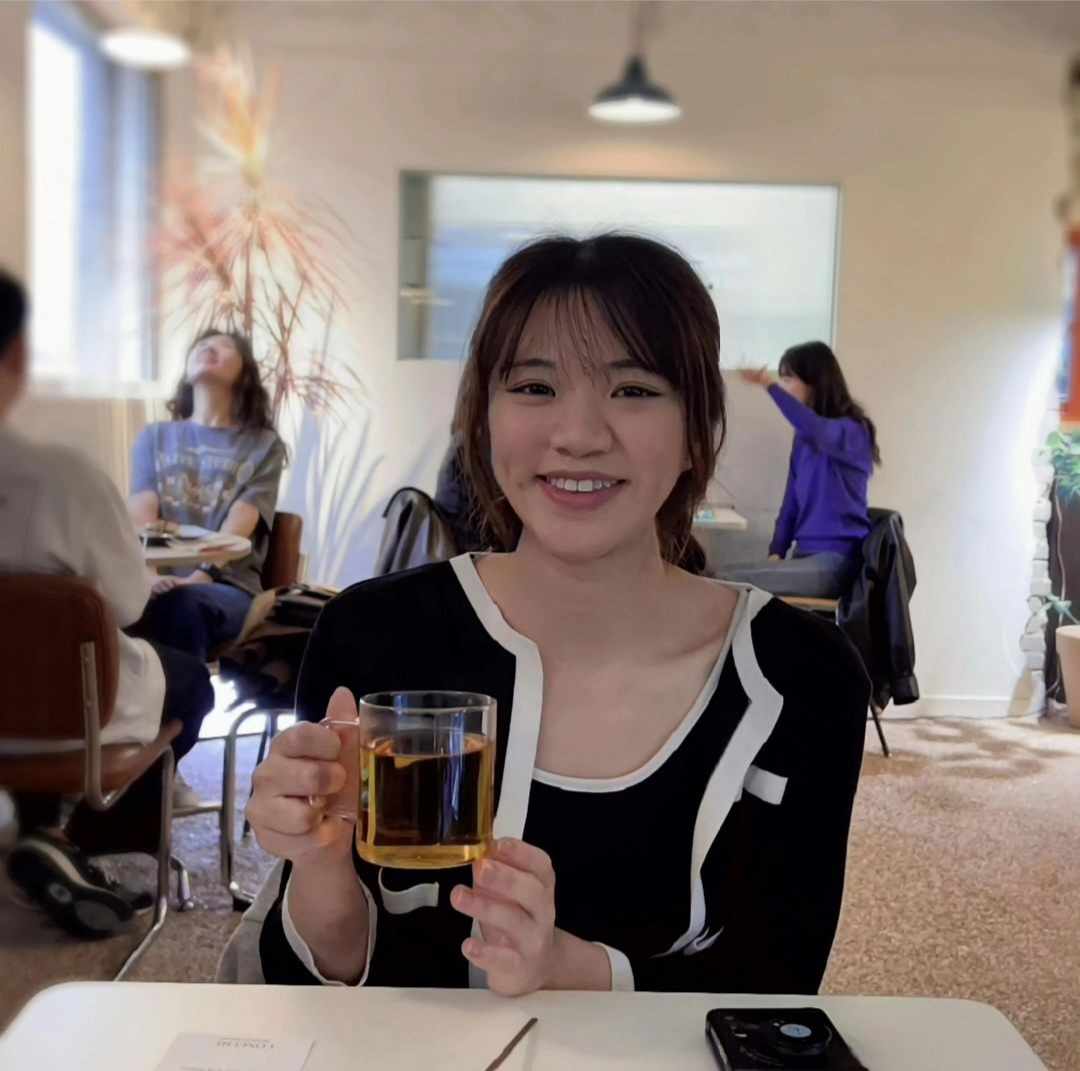
My name is Sandy Nguyen, a Monash University graduate who majored in Korean Studies. I grew up in Melbourne and have been pursuing studies in Korean popular culture, the language, history and culture since senior high school.
This year I was given the opportunity to be a Korean Language In-class Student Support Assistant where I was able to further my Korean language skills by working with our professors, tutors in assisting students. Twice a week (every Monday and Tuesday) me, Kyle and Damon assisted Andy 교수님 at the workshop for Korean Introductory. My duties include setting up the Zoom (Owl) for our hybrid workshop; distributing in-class materials and worksheets; monitoring the students’ during in-class activities and providing immediate assistance when needed; modelling conversations and examples with Andy 교수님 in front of the students. Prior to the workshops, I also prepared in-class review worksheets, Kahoot quizzes, and general feedback worksheets explaining questions that were commonly answered incorrectly on the tests. After and during each workshop, we would discuss with Andy 교수님 about grammar points that students were struggling with, and it would be included in the review for the next workshop.
In the final lesson of this semester, Damon and I were given the opportunity to lead the workshop which focused on exam revision. We prepared review handout worksheets, PowerPoint presentations with exam preparation materials, and also ran a mock exam for students to practice in pairs for their speaking test, in which we listened and offered feedback.
Through this role, I was able to gain new skills such as using Kahoot and operating the Moodle page; my Korean language skills improved as I wrote review questions and feedback explanations on grammar points for students; and it also increased my opportunity to converse in Korean with others. In particular, it was a great way to practice different levels of formality. Moreover, I was able to learn how Korean units were run and how feedback was important to improve Korean studies. I am very honoured to work with everyone in the department, enjoyed interacting with students, made new friends, and I am able to bring these skills to my internship at NU28 Skin Clinic (a paid internship between Monash Korean Studies and NU28).
2018 - 2021 In-class Student Support Assistants:
Eva Richards

My name is Eva Richards, I’m a third-year Korean studies student, and this is my second year working as an In-class Student Support Assistant for the Korean Studies program.
This semester I’ve been working on a few different tasks to assist with the running of the Introductory and Intermediate level Korean language units.
Every week, I have prepared study worksheets for the intermediate students to use when reviewing the grammar and vocabulary they learned in class. In doing this, I have also improved my own understanding of Korean vocabulary and grammar immensely – since I self-taught a lot of those grammar forms, preparing materials to practice correctly conjugating verbs (for example) allowed me to make sure I also grasped the specifics of the rules of language. I hope that, through the materials I prepared, students could improve their ability to use vocabulary terms in a variety of conversational modes.
I also had the opportunity to prepare questions for the midterm exams for Korean Introductory 2. Doing this was amazing practice in formulating assessment material, and once the students sat the exams, I wrote up explanation sheets going in-depth on how to solve the most difficult questions. Since I want to continue studying and working in Korean Studies for a long time, I think being able to get practice and guidance from the educator’s perspective (as opposed to just being the student myself) has been a real boon for both my Korean language ability and my future career. Giving feedback is an important skill that I feel like I improved a lot on through participating in this program this semester.
Since this is my last semester of my degree, I need to look forward towards graduate studies. Because of my work this semester I feel much more confident about continuing my studies, as well as for the potential of a future working in Korean Studies related positions.
Emily Hur

My name is Jeongin Hur and I am currently studying Master of Banking and Finance at Monash University. I have majored in Korean studies for my bachelors and was part of the translation project ‘Interviews with North Korean Defectors’.
My original decision to study Korean Studies stemmed from my deep connection to my Korean heritage. During my time at Monash, I have completed numerous Korean Units ranging from Language, History, Culture and even a hands-on Internship! At Monash University, Korean Studies not only offers academic units but also offers tremendous number of opportunities and support. I have built great connections through the wide range of seminars and programs offered within the course.
As one of the opportunities, I got to work with various Korean Associate Professors from Korean Units: ATS1171, ATS1172 and ATS2174 as an In-class Student Support Assistant. In 2021, semester 1 and 2, I worked remotely from home to provide online Zoom sessions for Korean Studies students. I did 1~2 hours of consultation sessions per week to support students with extra speaking, writing and grammar practices. I assisted the students to solidify their learning from tutorials and lectures by answering any questions they had and practiced Korean dialogues with them. It was a great way to apply my Korean Studies major knowledge into real life teaching environment. I had great support from Professor Andy and Lucien, and I was able to refer to weekly learning materials available on LMS– grammar, vocabulary, to the dialogue situations.
Through my journey, I learnt how to engage with students, and became very knowledgeable about the unit contents. I have gained invaluable experience and aptitude for the real work force.
I would like to thank AKS for such an amazing opportunity and Professor Andy for endless support throughout my journey with Korean Studies!
Tae Hee Kim (Ben)
My name is Taehee Kim (Ben), I am in my third and final year of studying Bachelor of Science majoring in Environmental Science. I was born in Busan, South Korea and have lived in Australia between 2005 - 2006 and from 2011 onwards. I enjoy making creative content on my website and volunteering when I have time.
In the role of the Korean Language In-class Student Support Assistant, I assisted students in Intermediate and Advanced levels of the Korean Language units by hosting help sessions. Through the weeks, I would familiarize myself with the weeks' relevant class material in preparation for the help sessions. The help sessions mostly ran once a week but sometimes twice in one week. At the help sessions, students who had questions, wanted to practice speaking and writing were assisted mostly one at a time to allow for personalized teaching. During assessment periods in the semester, students and I went over material in the upcoming assessments' format to optimize the student's preparation under similar circumstances.
This experience led me to a newfound interest in teaching Korean. I thoroughly enjoyed the feeling of fulfilment from teaching my native language to others while learning the process of organizing classes and content to deliver it in my own way. I was very lucky to have had the opportunity to work with teaching staff to give value back to those around me. From this experience, I plan on seeking opportunities in teaching Korean and upskilling my knowledge in Korea by engaging in meaningful opportunities.
Lauren O'Loughlin

My name is Lauren O’Loughlin, and I have just graduated from Monash University with my Bachelor of Arts, double majoring in Korean studies and Japanese studies. In my spare time I typically enjoy consuming international content such as anime and Korean dramas, studying various languages, and am an avid reader of novels and Korean webtoons.
Throughout both semesters of 2021, I have been hosting a weekly one-hour drop-in session via Zoom as a Korean Language In-class Student Support Assistant for the students at Introductory level. Students were able to drop-in to the sessions at their leisure for whatever assistance they required, including answering their questions about the class content, providing useful language-learning tips and resources, and most frequently to practice for their speaking and read-aloud tests. I also relayed common inquiries and feedback to the Unit Coordinator so they could be addressed in class for students who may have had similar questions.
I’m incredibly grateful for the opportunity to be a Korean Language In-class Student Support Assistant and it has helped me cultivate many valuable skills, including leadership and responsibility. It also allowed me to appreciate and reflect on how far I have come in my own Korean studies journey, having reached the level where I am now able to assist others in their Korean study the same way the Language Assistants helped me when I was a first-year student.
As someone who also started studying Korean at Monash all the way from Introductory level myself, I feel lucky to be able to advise students from a very personal and relatable perspective. Getting to know the students and seeing them progress with Korean was an absolute pleasure, and it has been extremely rewarding to be able to offer them another layer of support particularly in these unprecedented times, not just as a staff member but also as an upperclassman and fellow student.
Now that I have graduated, I will be living in Korea for six months starting this November and studying at Yonsei University’s Korean Language Institute to further cultivate my Korean language and cultural skills. I then intend to return to Monash University in pursuit of a Master’s of Interpreting and Translation and hope to dedicate my life and career thereafter to working as a professional translator with the Korean language, wherever that may take me.
Nicole Harley

I am a third-year student currently completing a Bachelor’s/Masters double degree, majoring in linguistics at Monash University. This semester I have been employed as an In-class Student Support Assistant for Korean Introductory 2.
Although I have not studied Korean Introductory 1 or 2 at Monash (I was placed into Intermediate 1 & 2 in first year), I understand what it is like to be a beginner speaker of another language in this environment. It is a time wrought with foreign language anxiety and thoughts of making mistakes in this university setting seem overwhelming. That is why it was my role to assist students if they had any problems or questions with the tasks they were asked to do. Students often asked me, or the other language assistant Keith, questions about how to properly form grammatical sentences they had in mind or the vocabulary they needed to complete these sentences. Another of my roles as workshop assistant was to model a sample dialogue for the students. This gave students an idea of how to form their own dialogues and doubles as additional listening practice. We were essentially additional resources for the students to develop their Korean language skills further.
I think that this experience will not only help me find employment, whether it is a teaching job or otherwise, but also it has helped me with my current studies in linguistics, especially my class specialising in second language acquisition. For example, it has helped me understand both the perspectives of the learner and the educator in the language learning context.
Cheyenne Lim

I am a fourth-year student at Monash University, currently studying Zoology/Linguistics and minoring in Korean Studies. I enjoy listening to music, learning languages and was interested in education (teaching) and therefore thought it was a good opportunity for me to apply for the In-class Student Support Assistant position offered by Korean Studies. I can speak three languages - English, Korean and Mandarin. I used to live in Korea for 5 months as an exchange student and really enjoyed my time there. It was a great experience!
On a weekly basis, as a in-class assistant, we would teach only to Korean Introductory students (beginner’s) twice a week, one hour each class. We spoke mostly in English, but examples were done in Korean to give students a gist of the pronunciation and intonation of the language. We would use microphones or simply project our voice to the class when modelling to the class e.g. reading from a script or showing how an activity should be done. The first three rows of the lecture hall would be left empty for late students to fill. Worksheets are handed out almost every class that allowed students to apply what they have learnt.
In all lessons, during student pair work or discussions, we would monitor students and be aware if help was needed, and to observe if pronunciation, intonation, writing etc. is done correctly or if it needs to be amended/corrected. If help was needed, students would raise their hands and we would assist.
In the final lesson, Yoojin (the other in-class assistant) and I took charge of the class, forming a revision worksheet and a Kahoot revision game for students in preparation of their final exam.
Yoojin Lee
My name is Yoojin, a third-year student studying Primary Education and Arts (Japanese and Korean). I was born in South Korea but moved to Australia with my family at a young age.
Through the opportunity of being a Korean Language In-class Student Support Assistant, I was able to have various experiences and develop many skills. Twice a week (every Monday and Tuesday), myself and Cheyenne, another student teaching assistant, met with our lecturer thirty minutes prior to the workshop times to go over the workshop materials and discuss any potential improvements that could be made. The level was at an introductory level, and the position involved activities such as modelling conversations and examples from the Korean language unit in front of the students, along with the distribution of class materials and worksheets. Instructional language was used to direct students in how they were to do the activities, and language that encouraged students to sit close together to pair up for practicing conversational dialogue was commonly used.
We monitored the class to make sure that if students had any questions, we could assist them immediately. Also, we assisted in assigning seats to students that came in late, so that they could be seated straight away to minimize disruption.
In the final lesson of the semester, Cheyenne and I were given the opportunity to lead the workshop with the content of exam revision. We prepared PowerPoint slides and materials that followed the format of the exam and handed out worksheets with practice questions. We gave the students time to work on it during the workshop and went over the answers together. We also created a Kahoot quiz for the students for enhanced engagement within their revision for the exam.
Through this experience, I was able to learn a lot about the processes in running language classes, and how feedback given by students were taken into account for the improvement of the unit. I thoroughly enjoyed interacting with not only the teaching staff but also the students, and being able to assist and give them the help that they needed was also very rewarding and enjoyable. It was very encouraging to see the gradual improvement in the students' learning of the Korean language.
Keith Wong
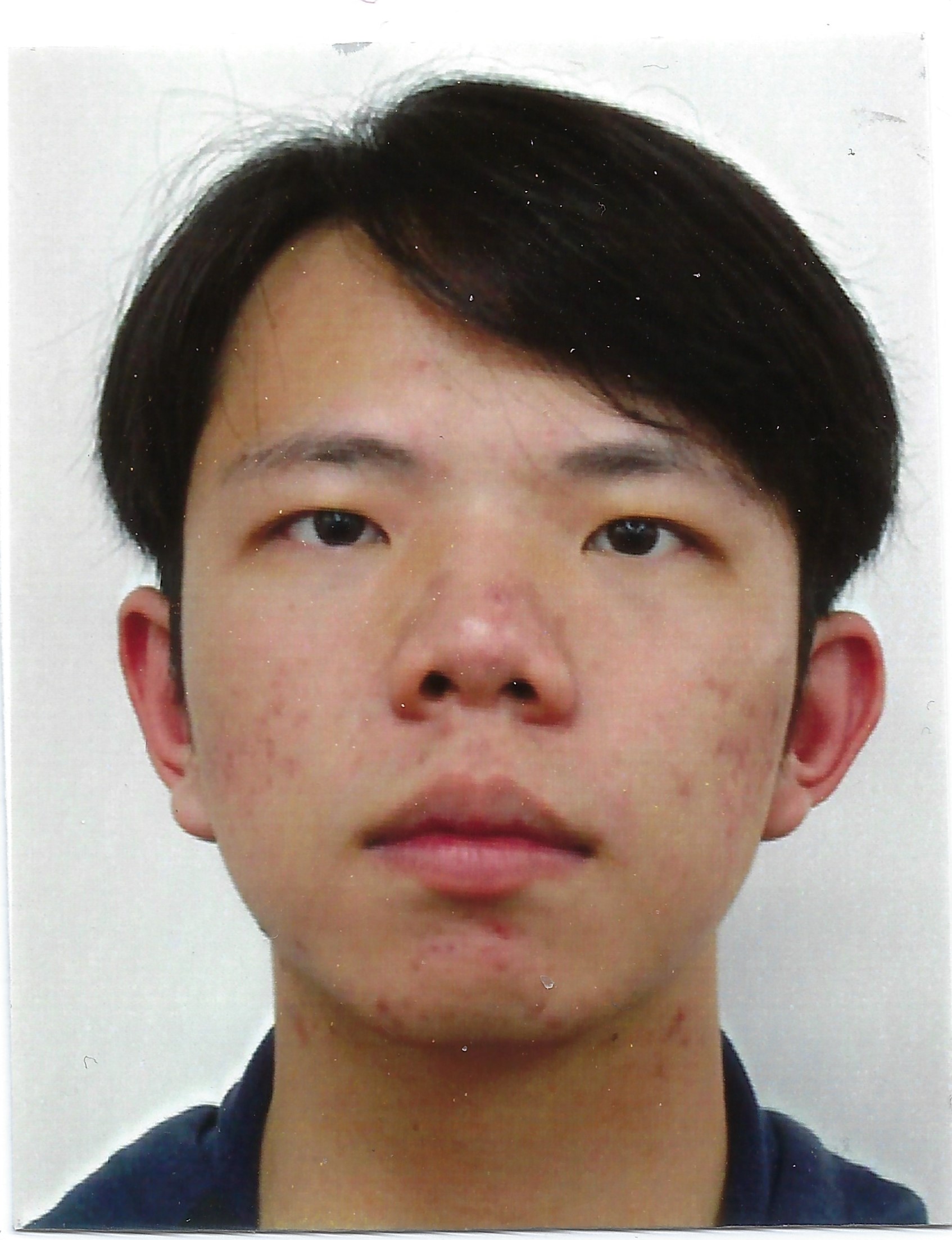
I am currently in my 3rd year of a BA/BSc at Monash University, majoring in Mathematics and Korean. As I had self-studied Korean, the methods I used were very much attuned to my own learning style. Thus, it was very enlightening to experience Korean being taught in ways that were suited to many.
Even though I had only undertaken Korean Proficient at Monash University and was unfamiliar with the lesson plan of Korean Introductory, I could still relate to the struggles the students experienced as I too had undergone similar difficulties when I first started learning Korean. The students seemed to have difficulty in understanding particles like 이/가, 을/를, and 은/는—possibly because English does not mark subject, object, and topic in sentences. Many of them also struggled with distinguishing 「일 인분」 from 「이 인분」 since the final ㄹ in 일 is a flipped consonant and it is almost imperceptible if one is not used to the sound. There were a few students who had trouble conjugating verbs from the dictionary form to the casual present tense form; the most common mistakes were conjugating verbs with incorrect vowels (찍다 → 찍아) and conjugating irregular verbs (자르다 → 자라). As for the students, I found many of them would readily ask me questions and were eager to learn; however, some are still hesitant to ask for help and will only accept it if I offered assistance first. And through having to explain certain grammar points to the students, I believe that my understanding of those grammar points has increased.
Assisting as an In-class Student Support Assistant has been a valuable learning experience for me to observe how language can be introduced and taught to a sizeable audience. It has given me much insight into how I might teach my own students in the future as I intend to become a language teacher.
This program is supported by the Core University Program for Korean Studies through the Ministry of Education of the Republic of Korea and Korean Studies Promotion Service of the Academy of Korean Studies (AKS-2017-OLU-2250002).