#11 - The Hand of Destiny (1954)
Reviewed by Russell Edwards.
For most South Koreans, Han Hyung-mo’s The Hand of Fate (aka The Hand of Destiny, 운명의 손,1954) is best remembered for containing South Korean cinema’s first on-screen kiss. From a Twenty-first century perspective that may seem quaint, but before considering the film’s other, more enduring, point of significance, it is worth noting that the contemporary audience’s interest in intimate matters was more sophisticated than a fascination with a mere kiss.
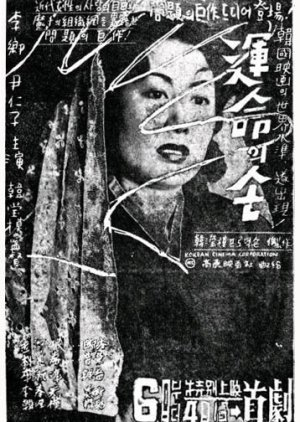 [Figure 1: B&W newspaper ad. Image source: MyDramaList]
The plot synopsis accentuates this. An attractive and well-to-do woman, Jung-ae (Yun In-ja) takes an overt romantic interest in a labourer named Young-chul (Lee Hyang) who claims to be a student. From the beginning it’s clear that Young-chul’s story doesn’t quite add up. However, while the audience is making up its mind about Young-chul, the film clearly signals from the outset that Jung-ae is either a bar girl whose duties extend to the physical or an outright sex worker (in a subtitle late in the film she specifically describes herself as a prostitute). With erotic confidence — and insisting on using ‘Margaret’, her (Western) codename for a good time — Jung-ae buys the student expensive gifts and sends away mysterious late night visitors who knock on her door. Jung-ae is not explicitly condemned for this work. She is a woman who gives pleasure for hire and enjoys pleasure including luxury goods, for its own sake. Local audiences may have been unaccustomed to seeing Koreans kiss on screen, but they were far from naive about sex. That said, Han clearly knew the kiss would be a selling point. The director holds back the lip-lock until as late into the film as possible, frequently teasing the audience with near misses throughout the drama.
The film’s other enduring point of significance emerges at the 30-minute mark when, it is revealed Jung-ae also accrues substantial income as a North Korean spy. Although her superiors are concerned that she is being seduced by capitalism, what the North Koreans don’t know is that Jung-ae really is in love with Young-chul. The Hand of Fate’s romance is further complicated when it is also divulged that the “student” is actually a South Korean agent who is trying to bust a North Korean spy-ring, not knowing — as he also truly loves Jung-ae — that his generous girlfriend is a key passer of information.
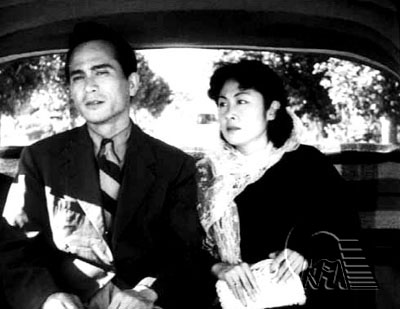 [Figure 2: Lee Hyang and Yun In-ja car scene. Image source: koficKobiz]
Despite obvious budget constraints, Han directs stylishly. Experienced as both an art director and a cinematographer, Han was mindful of using all elements of mise-en-scène in his films. For instance, in addition to enhancing the film’s visual appeal, the director’s use of mirrors craftily suggest multiple levels of duplicity. While the temptations of capitalism that confront Jung-ae resonated with contemporary viewers faced with the influx of Americanisation, it is The Hand of Fate’s conflating of the espionage and romance genres that has remained a hallmark of South Korean cinema. Most famously this trope reoccurred in Shiri (Kang Je-gyu, 1999) that was released as the Kim Dae-jung’s administration abandoned Cold War politics with North Korea in favour of the Sunshine Policy. As long as the DMZ is in place, we can expect to see this story replayed over again, but The Hand of Fate has the honour of being the first of its kind.
The Hand of Destiny is available on You Tube here.