#6 - The Age of Shadows (2016)
Review by Russell Edwards.
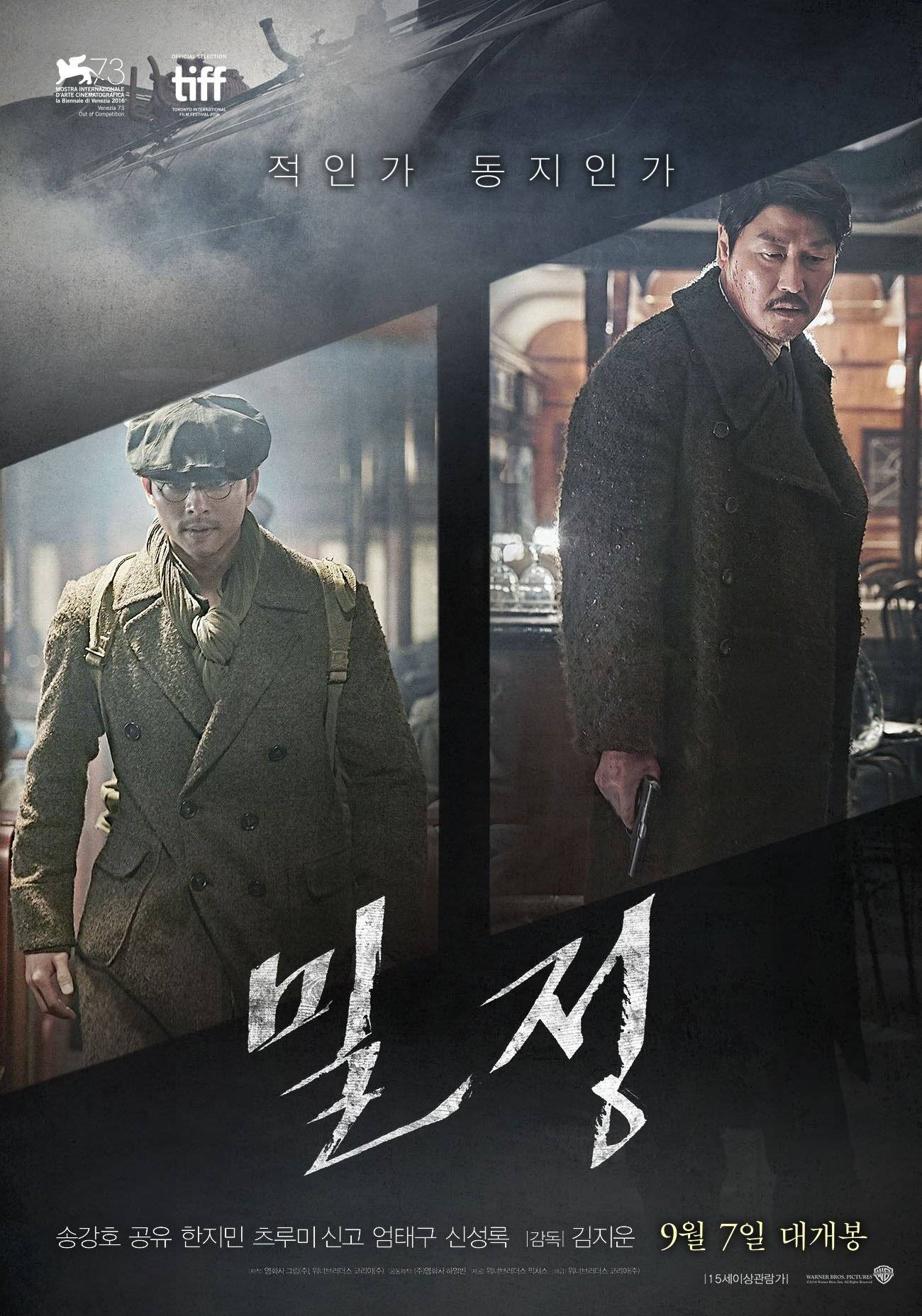 [Figure 1: The Age of Shadows Poster. Image source: HANCINEMA]
In a film full of cinematic excitements, one of the amazing things about Kim Jee-woon’s The Age of Shadows is that it was bankrolled by a Hollywood studio. When you think about South Korean films that have ignited international interest, it’s usually films that ostensibly keep politics confined to class warfare, such as Parasite and Train To Busan that have generated followings, rather than films that have strongly engaged with the peninsula’s history. No doubt part of Warner Bros’s financial incentive to invest in this film was knowledge that South Korean audiences like to engage with local politics and history and that means solid box office. However, it is also likely that having seen how Kim Jee-woon handled the Hollywood system when directing Arnold Schwarzenegger in The Last Stand (2013), Warner Bros were also aware that few South Korean directors make their films move the way that Kim Ji-woon does. The Age of Shadows speeds along as it portrays anti-colonial intrigue during the Japanese occupation. The result is a film that stirs nationalist sentiment, but not at the expense of international appeal.
Song Kang-ho gives one of his best performances. Song plays Lee Jeong-cheol, a police captain who made a name for himself collaborating with the Japanese in Shanghai. Now back in occupied Korea, Lee is the main agent for Chief Higashi (Tsurumi Shingo) who seeks the arrest of a rarely seen leader of the Korean resistance (Lee Byung-hyun in an extended cameo).
After a spectacular opening, which sees Japanese troops, running over rooftops to kill a possible suspect, Higashi matches Lee with Hashimoto (Uhm Tae-goo), a ruthlessly ambitious agent. Easily overlooked because of his Japanese name, Captain Lee’s rival is actually of Korean heritage. The clue comes in a scene where the two men are awaiting the arrival of Higashi. Lee rebukes Hashimoto by saying: “Take it easy. When you are with me, speak Korean”.
With Higashi applying a divide and conquer strategy to his Korean aides the two policemen investigate the possibility that a photography studio run by Kim Woo-jin (Gong Yoo) is trafficking precious artworks to finance the Resistance. Ironically, while Hashimoto keeps edging Lee out to become Higashi’s favourite agent, Lee finds himself gradually becoming complicit with the Resistance’s operation. While Hashimoto has unquestionably chosen Japan over Korea, the film’s central tension comes from the tense tightrope Lee walks as he decides — or avoids deciding — how committed he is to his Korean identity, and whether he will ultimately reject Japanese rule.
 [Figure 2: Song Kang-ho, Uhm Tae-goo and Gong Yoo. Image source: Naver]
The suspense escalates as both Japanese-employed Korean policeman and various members of the Resistance — including a traitorous mole — are on a train to Seoul. The train journey has a Hitchcockian atmosphere with its passing of secret messages and impromptu conferences between allies and enemies alike. More like a rollercoaster than a rail trip, the extended sequence ends with a fantastic shoot-out… and the movie still has more than forty minutes to go!
Besides scenes of flying bullets, Kim’s robust adaptation of Lee Ji-min and Park Jong-dae’s script is further enhanced by the director’s ability to generate tension throughout the film’s more slow-moving scenes. Each dialogue exchange is expertly handled making sure this is not just a series of action set pieces strung together, but a sustained and exciting contribution to South Korean cinema’s engagement with the nation’s colonial legacy.
Watch the full movie here.
If the above link does not work, the movie is also available for free viewing via Monash library for Monash library users (link here).